
Have you ever paused to count the number of electronic devices in your home? You might be surprised by the tally.
In India, the average household is buzzing with more gadgets than you might initially think. From the trusty refrigerator that keeps your food fresh to the smartphone that connects you to the world, electronics are integral to daily life. But how many do you really have?
And how does your home compare to others? Understanding this can give you a fascinating glimpse into modern living trends and perhaps even inspire you to rethink your own tech habits. Stick around as we unravel the numbers and what they mean for you.
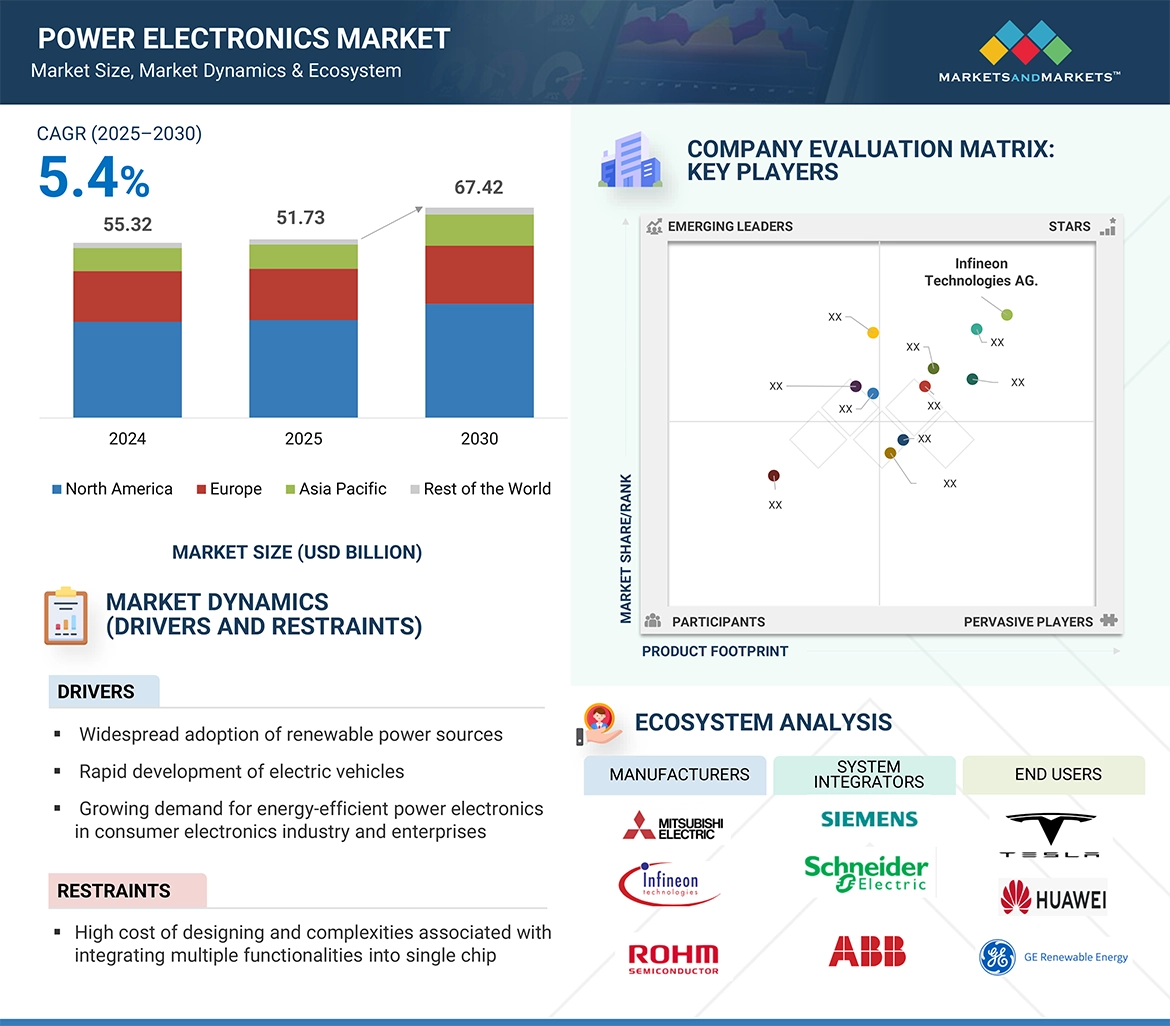
Credit: www.marketsandmarkets.com
Electronic Devices In Indian Homes
The number of electronic devices in Indian homes has grown significantly over recent years. These gadgets have become a part of daily life, changing how families work, learn, and entertain themselves. Understanding what devices are common and how ownership varies gives you a clearer picture of technology’s role in Indian households.
Common Household Electronics
Most Indian homes have a mix of essential and entertainment electronics. Items like televisions, refrigerators, and fans are almost universal. Smartphones have become a staple, with many families owning multiple devices.
- Television sets for entertainment and news
- Refrigerators to store food safely
- Smartphones for communication and internet access
- Electric fans and coolers for comfort
- Washing machines in urban homes
These devices meet basic needs and add convenience. You might notice that some homes also invest in microwaves, air conditioners, and laptops, especially in cities.
Growth In Device Ownership
Device ownership is rising steadily, driven by falling prices and better availability. Ten years ago, many homes had only one or two electronics, but now the average has increased. You may find yourself surprised at how quickly gadgets like smart TVs and tablets have become common.
This growth reflects changing lifestyles. More people work from home and children study online, increasing the demand for computers and internet-connected devices. Have you noticed how your own home added new devices over the last few years?
Urban Vs Rural Differences
The number and type of electronics differ widely between urban and rural areas. Cities usually have more devices per household due to higher incomes and better infrastructure. Rural homes often focus on basic necessities like televisions and mobile phones.
Electricity availability and internet access also influence these differences. While urban families might have smart home devices and multiple gadgets, rural households prioritize essential electronics. This gap is narrowing, but it still affects how many devices you see in different parts of India.
Factors Driving Electronics Usage
Electronics have become a key part of Indian homes. Several factors encourage people to buy and use more gadgets. These influences shape how many electronic devices an average household owns. Understanding these reasons helps explain the growing number of electronics in homes.
Increasing Disposable Income
As people earn more money, they can spend on extra items. This rise in disposable income allows families to buy modern electronics. Appliances like TVs, refrigerators, and smartphones become affordable for many. More income means more choices and more devices in homes.
Technological Advancements
New technology makes electronics better and cheaper. Smart features, energy efficiency, and connectivity attract buyers. People want devices that simplify tasks and improve comfort. Faster innovation leads to frequent upgrades and more gadgets in use.
Changing Lifestyle Trends
Modern lifestyles demand convenience and entertainment. Working from home, online learning, and digital entertainment increase gadget use. Families invest in multiple electronics to support these activities. Lifestyle shifts push households to own more devices than before.
Popular Electronics Categories
Homes in India usually have many types of electronics. These devices make life easier and more fun. Electronics fall into different groups based on their use. Understanding these groups helps see how technology fits into daily life.
Kitchen Appliances
Kitchen appliances are common in Indian homes. They save time and effort while cooking. Popular items include:
- Microwave ovens
- Refrigerators
- Electric kettles
- Mixers and grinders
- Induction cooktops
These devices help prepare meals quickly and keep food fresh. They are essential in most households.
Entertainment Gadgets
Entertainment gadgets bring joy and relaxation to families. Common electronics in this category are:
- Televisions
- DVD players
- Gaming consoles
- Speakers and soundbars
Many homes use smart TVs with internet access. These gadgets provide movies, music, and games at home.
Communication Devices
Communication devices connect people near and far. Indian homes often have:
- Smartphones
- Landline phones
- Wi-Fi routers
- Tablets
Smartphones are the most popular. They support calls, messages, and internet use. These devices keep families linked and informed.
Home Comfort Electronics
Home comfort electronics improve living conditions. Common types include:
- Air conditioners
- Ceiling fans
- Room heaters
- Water purifiers
These devices help maintain a comfortable and healthy home environment. They are important in different Indian climates.
Energy Consumption Concerns
Energy consumption is a growing concern in Indian homes. Many electronic devices run daily, increasing electricity use. This rise affects both the environment and family budgets. Understanding energy use helps manage bills and reduce impact.
Electricity Usage Of Devices
Different electronics consume varying amounts of power. For example:
- LED TVs use less energy than older CRT models.
- Air conditioners consume high electricity, especially in summer.
- Refrigerators run 24/7 and add significantly to energy use.
- Small devices like fans and lights use moderate power.
Knowing each device’s consumption guides better usage and savings.
Impact On Household Bills
More electronics mean higher electricity bills. Peak usage times can increase charges further. Families may face financial strain due to rising costs. Simple habits like switching off unused devices help reduce bills. Monitoring monthly bills reveals patterns and areas to save.
Sustainable Electronics Choices
Choosing energy-efficient products lowers electricity use. Look for labels like BEE star ratings in India. These products consume less power and last longer. Solar-powered or rechargeable devices reduce dependence on the grid. Investing in sustainable electronics benefits wallets and the planet.
Future Electronics Trends In India
The electronics landscape in Indian homes is changing fast. New trends shape how people use and buy devices. These trends show the future of home electronics in India. They highlight changes in technology and lifestyle.
Smart Home Adoption
Smart home devices are becoming common. People use smart lights, fans, and security cameras. These devices make homes more comfortable and safe. Voice-controlled assistants help manage daily tasks. Smart technology is easy to use and saves energy. More families are choosing smart systems for convenience.
Internet Of Things (iot) Growth
IoT connects many gadgets in a home. This network allows devices to work together. Smart refrigerators, washing machines, and thermostats are examples. IoT helps monitor and control home appliances remotely. It improves efficiency and user experience. Indian cities see rapid IoT adoption as internet access grows.
Affordable Technology Access
Technology prices are dropping steadily. This trend makes electronics affordable for many families. Local companies produce cost-effective gadgets. Online shopping platforms offer deals and discounts. Affordable products increase electronic device ownership in India. Access to technology is no longer limited to big cities.

Credit: m.economictimes.com

Credit: m.economictimes.com
Frequently Asked Questions
How Many Electronics Are In An Average Indian Home?
An average Indian home has around 7 to 12 electronic devices. These include TVs, refrigerators, fans, and smartphones. Usage depends on urban or rural settings and income levels.
What Are The Most Common Electronics In Indian Households?
Common electronics include televisions, refrigerators, fans, smartphones, and LED lights. These devices fulfill essential entertainment, cooling, and communication needs.
How Does Income Affect Electronics Ownership In India?
Higher income families own more electronic devices. They invest in advanced gadgets like air conditioners and washing machines, while lower-income homes have basic electronics.
Are Smart Home Devices Popular In Indian Homes?
Smart home devices are growing in popularity, especially in urban areas. However, their penetration is still low compared to traditional electronics.
Conclusion
The average Indian home has many electronic devices today. These gadgets make life easier and more fun. From TVs to smartphones, electronics are part of daily routines. People choose devices based on needs and budgets. Energy use and space also affect how many items they own.
Watching this trend helps understand lifestyle changes in India. Electronics will keep growing in homes across the country. Simple, useful, and affordable devices stay popular with families. This shows how technology shapes modern living in India.
Leave a Reply