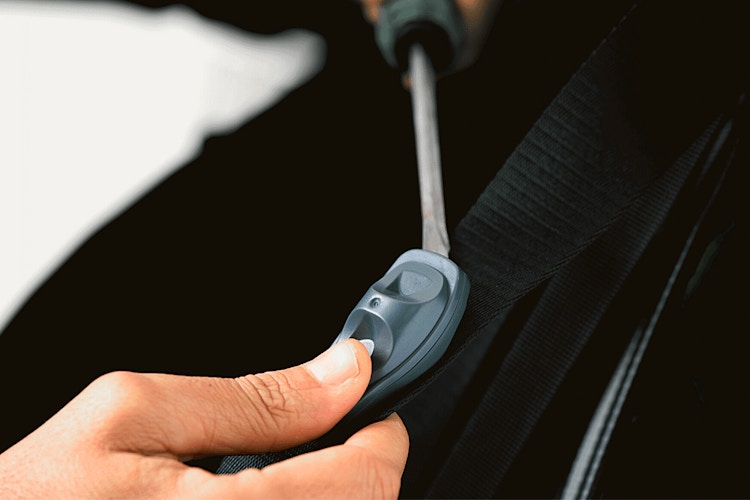
Struggling with an electronic tag that you need to remove? You’re not alone.
Whether it’s a leftover from a shopping spree or a forgotten security measure, electronic tags can be a real hassle. You might feel frustrated or even embarrassed, especially if you’re short on time or can’t easily return to the store.
But what if you could handle it yourself, right in the comfort of your own home? Imagine the relief of not having to wait or pay for professional help. In this guide, we’ll walk you through the steps to safely and effectively remove an electronic tag at home. Don’t worry—it’s easier than you think, and soon you’ll be tag-free. Stay with us to discover the simple techniques that can save you time and stress.
Types Of Electronic Tags
Electronic tags come in several types, each with unique features. Knowing these types helps in understanding how to remove them safely. Tags vary in size, function, and removal method.
Some tags use radio waves, others rely on magnets, and some contain ink that can spill if tampered with. Each type has a purpose in retail security and inventory control.
Rfid Tags
RFID (Radio Frequency Identification) tags use radio waves to communicate with scanners. They are small and easy to hide inside products. RFID tags do not have batteries and work passively when near a scanner.
These tags are hard to see but simple to detect with the right device. Removing RFID tags requires careful handling to avoid damage or alerting security systems.
Magnetic Strips
Magnetic strip tags contain tiny magnets that trigger alarms if not removed properly. They stick firmly to products, often under labels or packaging. These tags need a special detacher or tool to unlock them.
Strong magnets inside these strips make removal difficult. Trying to pull them off by force can damage the item or cause injury.
Ink Tags
Ink tags hold a small container of colored ink inside the tag. If someone tries to remove the tag without proper tools, the ink spills and stains the item. This discourages theft by ruining the product.
Ink tags require special detachers to unlock safely. Handling these tags without care can ruin clothes or other goods permanently.
Legal Considerations
Before you consider removing an electronic tag at home, understanding the legal framework is crucial. Electronic tags are often used as security devices or tracking tools, and tampering with them can have serious consequences. Knowing when it’s legal to remove them helps you avoid potential trouble and protects your rights.
When Removal Is Permitted
You are usually allowed to remove an electronic tag if it belongs to you and you have fulfilled all obligations tied to it. For instance, if you purchased an item with a security tag and have proof of payment, removing the tag is legal. Some stores may also explicitly allow removal after purchase, either by providing special tools or instructions.
In cases where the tag is part of a rental or leased equipment, removal is only permitted once the contract ends or the item is returned. Always check the terms of any agreement related to the tagged item. If you’re unsure, contact the company or authority that applied the tag for clarification.
Risks Of Unauthorized Removal
Removing an electronic tag without permission can lead to serious legal trouble. Many tags are protected by laws against tampering, especially if they are used for security or monitoring purposes. Unauthorized removal might be considered theft, vandalism, or breach of contract.
Besides legal risks, unauthorized removal can trigger alarms or alert authorities, leading to immediate consequences. Imagine trying to remove a tag on a product in a store; this could result in detention or fines. Even at home, tampering with tags on rented equipment might void warranties or lead to penalties.
Have you ever thought about the potential fallout of removing a tag without proper authorization? It’s worth asking yourself if a quick fix is worth the long-term complications. Taking the time to understand your rights and responsibilities helps you make smarter, safer decisions.
Tools Needed For Removal
Removing an electronic tag at home requires the right tools. These tools help you work safely and effectively. Some tools are easy to find around the house. Others are specialized devices made for this task. Knowing what you need saves time and effort.
Common Household Items
Several everyday items can assist in tag removal. These tools are simple and easy to use.
- Flathead screwdriver – to pry open tag edges gently
- Scissors – for cutting thin wires or plastic parts
- Tweezers – to handle small components carefully
- Rubber gloves – to protect your hands from sharp edges
- Magnifying glass – for a closer look at small mechanisms
These items provide basic help. They are safe for beginners who want to try removal.
Specialized Devices
Special tools make removing electronic tags easier and safer. These devices are designed for this specific use.
- Detacher magnet – to unlock magnetic tags without damage
- Electronic tag remover tool – built to open hard cases
- Wire cutters – for cutting strong wires quickly
- Plastic pry tools – to open tags without scratching
Using these devices reduces risk of injury or damage. They work well for tags that are tough or complex.

Credit: thekrazycouponlady.com
Safe Removal Techniques
Removing an electronic tag at home requires care to avoid damage or injury. Using safe removal techniques ensures you protect both the item and yourself. Let’s look at some practical ways you can try, keeping safety as the top priority.
Using Magnets
Strong magnets can sometimes deactivate electronic tags by disrupting their internal circuitry. You’ll need a neodymium magnet, which is much stronger than regular fridge magnets.
Hold the magnet close to the tag and move it slowly around the edges. This can disable the tag’s alarm function, but it might not remove it physically.
Have you ever tried this and noticed a sudden change in the tag’s behavior? It’s a subtle but effective approach if you only want to stop the alarm without damaging the product.
Applying Heat Carefully
Applying heat can soften the adhesive that holds the tag in place, making it easier to peel off. Use a hairdryer on a low setting and aim the hot air at the tag for about 30 seconds.
Be cautious not to overheat, especially if the product is heat-sensitive. Test the heat level on a small area to prevent damage.
After warming the adhesive, gently lift the edges with your fingernails or a plastic tool. Does the tag start to loosen? This method works best with plastic surfaces where heat won’t cause harm.
Manual Detachment Methods
Sometimes, the simplest way is to manually detach the tag using tools designed for this purpose. A plastic pry tool or even a flathead screwdriver can help lift the tag gently.
Focus on the tag’s locking mechanism and apply steady pressure to unlock it. Avoid using excessive force that could break the tag or damage the product.
Have you noticed how a little patience goes a long way? Taking your time reduces the risk of scratches or broken parts.
Avoiding Damage To Items
Removing electronic tags at home requires care to avoid damage. Tags often attach firmly to items. Rough handling can ruin clothes or gadgets. Knowing how to protect these items helps keep them safe. Follow simple tips to handle tags gently and prevent harm.
Protecting Clothing And Electronics
Electronic tags on clothes can tear fabric if pulled hard. Use gentle pressure near the tag to loosen it. Avoid sharp tools that may cut or burn fabric. For electronics, do not use force. Tags may contain small parts that scratch screens or cases. Place the item on a soft surface before removing tags.
- Work slowly to prevent sudden pulls.
- Keep the item flat and steady.
- Use plastic tools instead of metal ones.
- Check tag placement to avoid delicate areas.
Handling Ink Tags Safely
Ink tags contain liquid that can stain permanently. Avoid squeezing or pressing them hard. If the tag breaks, stop immediately to protect the item. Use tweezers or pliers to gently remove the tag’s fastener. Hold the tag away from fabric or electronics during removal.
- Wear gloves to protect your hands.
- Remove tags over a safe surface like paper.
- Do not twist or bend ink tags sharply.
- Discard broken tags carefully to avoid spills.

Credit: www.youtube.com
When To Seek Professional Help
Knowing when to seek professional help for removing an electronic tag can save you from costly mistakes and potential damage. Some situations demand expert skills beyond what a DIY approach can safely handle. Recognizing these moments ensures your safety and preserves your device’s integrity.
Signs Removal Should Be Done By Experts
If the electronic tag is firmly attached with advanced locking mechanisms, it’s a clear sign to call a professional. Attempts to remove it forcefully might damage your property or trigger security alarms.
Another red flag is when the tag is integrated with sensitive electronics or wiring. Without proper knowledge, you could unintentionally disrupt important functions or cause electrical hazards.
Have you noticed that the tag includes tamper alerts or anti-theft sensors? These features are designed to alert authorities if mishandled, so expert handling is crucial to avoid legal complications.
Finding Reliable Services
Start by searching for local locksmiths or security specialists with proven experience in electronic tag removal. Check reviews and ask for recommendations to ensure they have a trustworthy track record.
Request a clear explanation of their process, costs, and the time required. Transparency helps you avoid surprises and ensures you’re comfortable with their approach.
Don’t hesitate to verify their certifications or licenses. A legitimate service provider prioritizes your safety and follows legal guidelines, protecting you from potential liabilities.

Credit: www.reddit.com
Frequently Asked Questions
How Can I Safely Remove An Electronic Tag At Home?
To safely remove an electronic tag, use proper tools like a tag remover or wire cutters. Avoid damaging the item or hurting yourself. Follow step-by-step guides and handle the tag gently to prevent triggering alarms or breaking components.
What Tools Are Needed To Remove An Electronic Tag?
Common tools include tag removers, wire cutters, pliers, or magnets. Choose tools based on the tag type. Using the right tool ensures easy removal without damaging the product or causing injury.
Is It Legal To Remove Electronic Tags At Home?
Yes, it is legal if you own the item and the tag is not stolen property. Removing tags from purchased goods is allowed, but tampering with security tags on unpaid items is illegal.
Can I Reuse Electronic Tags After Removal?
Most electronic tags can be reused if removed carefully without damage. Reusing saves costs and supports store security systems. Handle tags gently to maintain their functionality for future use.
Conclusion
Removing an electronic tag at home takes care and patience. Follow each step slowly and carefully. Use the right tools and stay safe. Avoid rushing to prevent damage or injury. Practice makes the process easier over time. Always check local laws before trying removal.
This way, you stay legal and protected. Keep these tips in mind for a smooth experience. You can handle this task with confidence and care.
Leave a Reply