Imagine being able to access critical patient information at the touch of a button. Picture a world where medical errors are reduced and patient care is streamlined, all thanks to a digital solution.
This isn’t just a dream; it’s the reality that Electronic Medical Records (EMRs) bring to nursing homes. If you’re involved in managing or working in a nursing home, you know how crucial it is to keep accurate and accessible medical records.
But have you ever wondered how adopting EMRs could transform your facility? By the end of this article, you’ll discover why EMRs are not just a tech trend, but a vital tool for enhancing care, boosting efficiency, and ensuring compliance. Dive in, and unlock the secrets to revolutionizing your nursing home’s operations.

Credit: www.octalsoftware.com
Improved Patient Care
Electronic Medical Records (EMRs) help nursing homes deliver better care to patients. They store all important health information in one place. This makes the care process smoother and safer for residents.
Faster Access To Medical History
Staff can quickly find a resident’s full medical history. They do not need to search through paper files. Immediate access helps in emergencies and routine checks. Doctors and nurses make faster, informed decisions for patient care.
Accurate Medication Management
EMRs reduce errors in medication prescriptions. The system alerts staff about allergies and drug interactions. It also tracks doses and schedules. This accuracy protects residents from harmful mistakes and improves treatment outcomes.
Enhanced Communication Among Staff
EMRs allow easy sharing of patient information among caregivers. Nurses, doctors, and therapists stay updated in real-time. Clear communication helps avoid misunderstandings and repeated tests. It creates a team approach to patient care, improving overall quality.
Streamlined Administrative Tasks
Streamlining administrative tasks in nursing homes saves time and reduces errors. Electronic Medical Records (EMRs) help staff manage daily duties more smoothly. This improves overall efficiency and allows caregivers to focus on patient care.
Simplified Documentation
EMRs organize patient information in one place. Staff can update records quickly and accurately. Paperwork is reduced, making it easier to find important details. This saves time and minimizes mistakes in patient data.
Automated Billing Processes
Billing becomes faster with EMRs. The system automatically generates invoices based on treatments and services. It reduces manual work and billing errors. Payments are tracked easily, helping the nursing home manage finances better.
Efficient Scheduling And Appointments
EMRs help schedule appointments and staff shifts clearly. Notifications and reminders reduce missed meetings. The system balances workloads and avoids conflicts. This keeps operations running smoothly every day.
Enhanced Data Security
Enhanced data security is a top priority for nursing homes using Electronic Medical Records (EMRs). Protecting sensitive patient information from unauthorized access or breaches is essential in maintaining trust and ensuring quality care. EMRs offer robust security features that paper records simply cannot match.
Secure Patient Information Storage
EMRs store patient data digitally in encrypted formats, making it much harder for hackers or unauthorized personnel to access. Unlike paper files that can be misplaced or damaged, digital records have backup systems to prevent data loss. This means your patient’s health history is safe and always available when needed.
Think about a time when a misplaced file delayed care—EMRs eliminate that risk by keeping information organized and secure in one place.
Controlled Access And Privacy Measures
EMR systems allow nursing homes to control who can view or edit patient records. Access is often restricted based on roles, ensuring that only authorized staff handle sensitive information. This level of control minimizes the chances of data leaks and protects patient privacy.
Have you ever wondered how many people actually see your medical information? With EMRs, you can be confident it’s limited to those directly involved in your care.
Compliance With Legal Standards
Using EMRs helps nursing homes comply with strict healthcare laws such as HIPAA, which mandates the protection of patient information. These systems come with built-in features like audit trails and automatic alerts that track access and modifications to records. This ensures the nursing home stays accountable and avoids legal penalties.
Does your facility struggle to keep up with ever-changing regulations? EMRs simplify compliance by embedding these legal requirements into daily operations.
Cost Reduction And Efficiency
Using Electronic Medical Records (EMRs) in nursing homes brings significant cost reduction and boosts efficiency. It cuts down unnecessary spending and streamlines daily tasks, helping your facility run smoother and save money. Let’s look at how EMRs make this possible.
Reduced Paperwork Expenses
Paper records require constant printing, copying, and storage, which quickly add up. EMRs eliminate the need for physical files, saving on paper, ink, and filing cabinets.
Think about the space and staff time spent managing paper. With digital records, you reduce these costs and free your team to focus on patient care instead of paperwork.
Minimized Errors And Rework
Manual record-keeping often leads to mistakes like lost files or incorrect entries. These errors can cause costly delays and require extra work to fix.
EMRs reduce errors by providing clear, legible, and easily accessible information. When your staff spends less time fixing mistakes, you save money and improve care quality.
Optimized Resource Allocation
EMRs help you track staff activities and patient needs accurately. This insight allows you to allocate resources where they’re most needed without overstaffing or missing critical care moments.
Imagine scheduling shifts based on real-time patient data instead of guesswork. This precision cuts costs and boosts staff satisfaction by balancing workloads effectively.
Better Reporting And Analytics
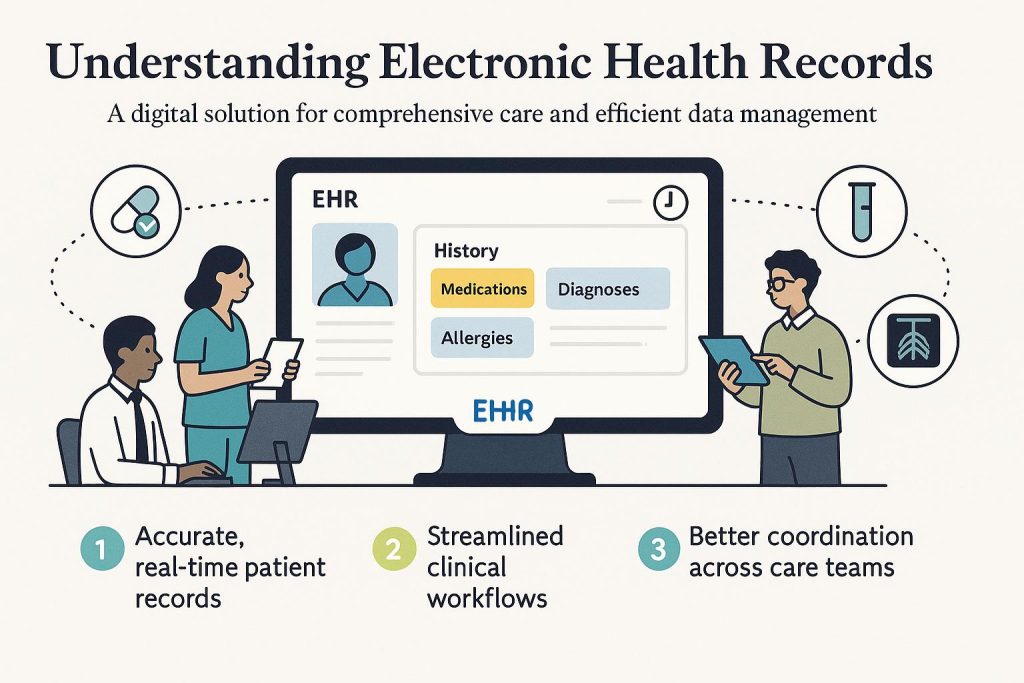
Better reporting and analytics are key benefits nursing homes gain from using electronic medical records (EMRs). These tools help staff make informed decisions by offering clear, accurate data. Enhanced reporting improves care quality and operational efficiency. Nursing homes can quickly see important health information and trends. This leads to faster responses and better resident outcomes.
Real-time Data Insights
EMRs provide real-time data that updates instantly. Staff can monitor residents’ health conditions as they change. Immediate access to data helps avoid delays in treatment. Quick insights support timely interventions and reduce risks. Real-time data also helps manage medication schedules and appointments efficiently.
Tracking Health Trends
EMRs allow nursing homes to track health trends over time. Staff can spot patterns like weight loss or frequent falls. Identifying trends early helps prevent serious health issues. Data on trends also supports personalized care plans. This ongoing tracking leads to better long-term health management for residents.
Supporting Quality Improvement
Reporting tools in EMRs support quality improvement programs. Nursing homes can measure performance against care standards. They identify areas needing improvement through data analysis. Staff can set goals and track progress with clear reports. This fosters a culture of continuous care improvement and safety.
Credit: www.business.com
Facilitated Coordination With External Providers
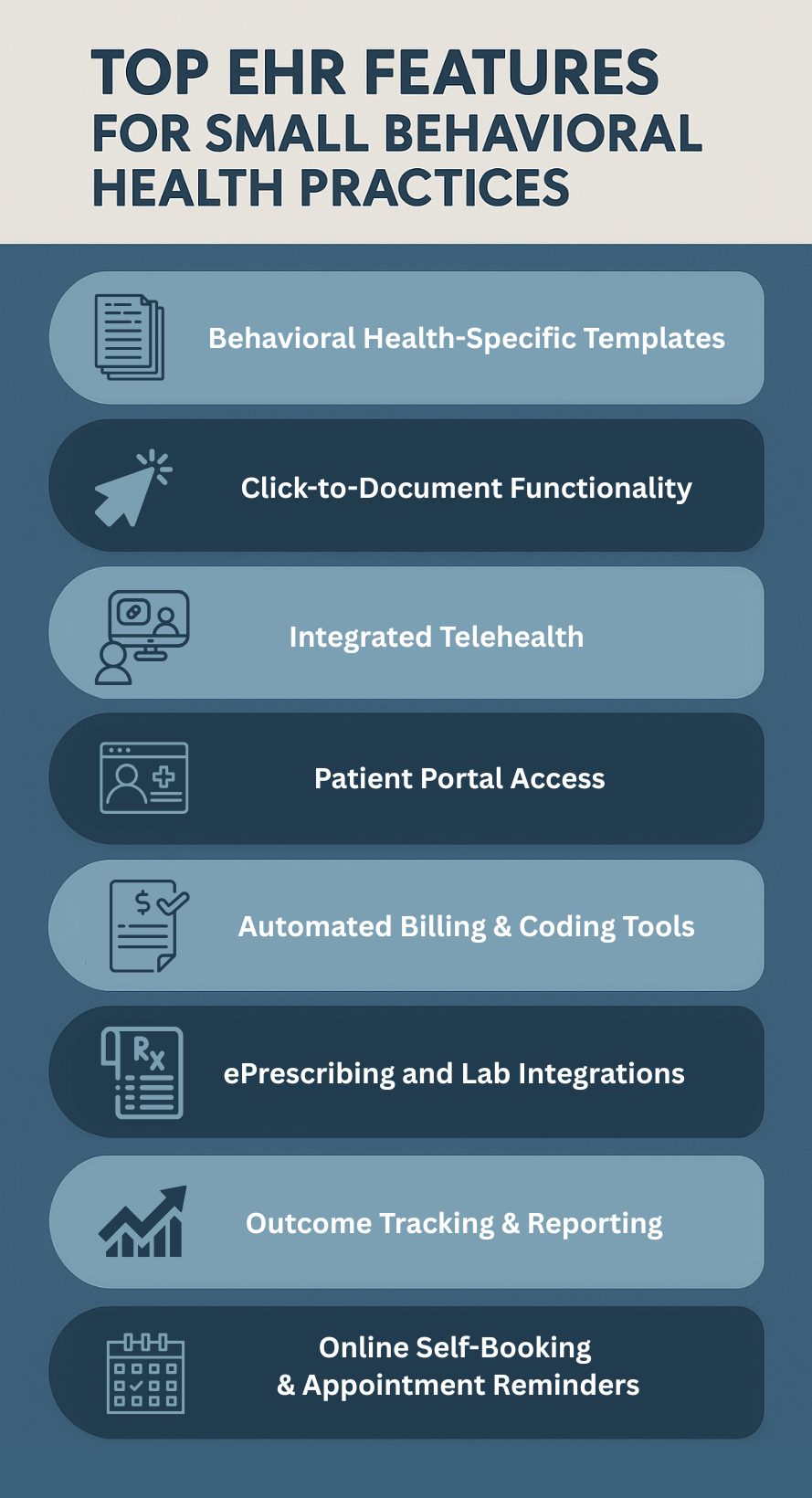
Effective coordination with external healthcare providers is crucial for nursing homes aiming to deliver high-quality care. Electronic Medical Records (EMRs) play a key role in simplifying this collaboration. They ensure that important patient information flows smoothly across different care settings, reducing errors and improving outcomes.
Seamless Information Sharing
EMRs allow nursing homes to share patient data instantly with hospitals, specialists, and therapists. This real-time access prevents delays caused by lost or incomplete paperwork.
Imagine a resident needing urgent care. With EMRs, external providers can review medical history, allergies, and medications immediately, helping them make informed decisions fast.
Improved Referral Management
Managing referrals becomes much easier with electronic records. You can track appointment dates, specialist notes, and test results all in one place.
This organized approach cuts down on missed follow-ups and miscommunication, which often happen with paper-based systems. It also frees up staff to focus more on patient care instead of chasing paperwork.
Enhanced Continuity Of Care
When your nursing home uses EMRs, patients experience smoother transitions between different care providers. This continuity reduces risks such as medication errors or redundant tests.
Think about a resident who visits a specialist outside the nursing home. Their treatment details are automatically updated in the EMR, so your staff stays informed and ready to support ongoing care.
Credit: www.icanotes.com
Frequently Asked Questions
What Are The Key Benefits Of Emrs For Nursing Homes?
Electronic Medical Records improve accuracy, reduce errors, and enhance patient care in nursing homes. They streamline documentation and facilitate quick access to health data, ensuring better monitoring and treatment of residents.
How Do Emrs Improve Nursing Home Patient Safety?
EMRs provide real-time alerts for allergies and medication interactions. This reduces errors and prevents adverse events, significantly enhancing patient safety and care quality in nursing home settings.
Can Emrs Enhance Nursing Home Staff Efficiency?
Yes, EMRs automate routine tasks, reduce paperwork, and speed up information retrieval. This allows nursing home staff to focus more on patient care and less on administrative duties.
Do Emrs Support Better Communication In Nursing Homes?
EMRs enable seamless information sharing among healthcare providers, families, and staff. This improves coordination, reduces misunderstandings, and leads to more cohesive and effective care plans.
Conclusion
Electronic Medical Records help nursing homes work faster and safer. Staff can find patient information quickly and avoid mistakes. It keeps health records clear and organized. Families feel better knowing loved ones get good care. Costs can go down with less paperwork and errors.
Using these records supports better health decisions every day. It makes life easier for both workers and residents. A smart step for any nursing home wanting to improve care.
Leave a Reply