Imagine a world where your home adjusts its energy usage based on your daily routine, saving you money and reducing your carbon footprint without you lifting a finger. Sounds convenient, right?
That’s the magic of energy smart devices. These innovative gadgets are designed to make your life easier while being kind to the planet. But what exactly are they, and how can they benefit you? By the end of this article, you’ll discover how these devices can transform your home into a more efficient and eco-friendly space.
Curious to find out more? Keep reading to unlock the potential of energy smart devices in your life.
Energy Smart Devices Explained
Energy smart devices help control and reduce electricity use at home or work. They use sensors, timers, and automation to manage power efficiently. These devices connect to your phone or network, making it easy to track and adjust energy use anytime. They support saving money and lowering carbon footprints.
Types Of Smart Energy Devices
- Smart Thermostats: Adjust heating and cooling based on your schedule.
- Smart Plugs: Control appliances remotely to avoid wasting power.
- Smart Lighting: Use sensors or apps to switch lights on and off.
- Energy Monitors: Track electricity use in real time.
- Solar Power Controllers: Manage and store solar energy efficiently.
How Smart Devices Save Power
Smart devices reduce energy waste by turning off unused items. They learn your habits to optimize power use without discomfort. Automation prevents lights or heaters running when no one is around. Real-time feedback helps users make smarter energy choices. These devices also balance energy use during peak hours to save costs.
Key Features To Look For
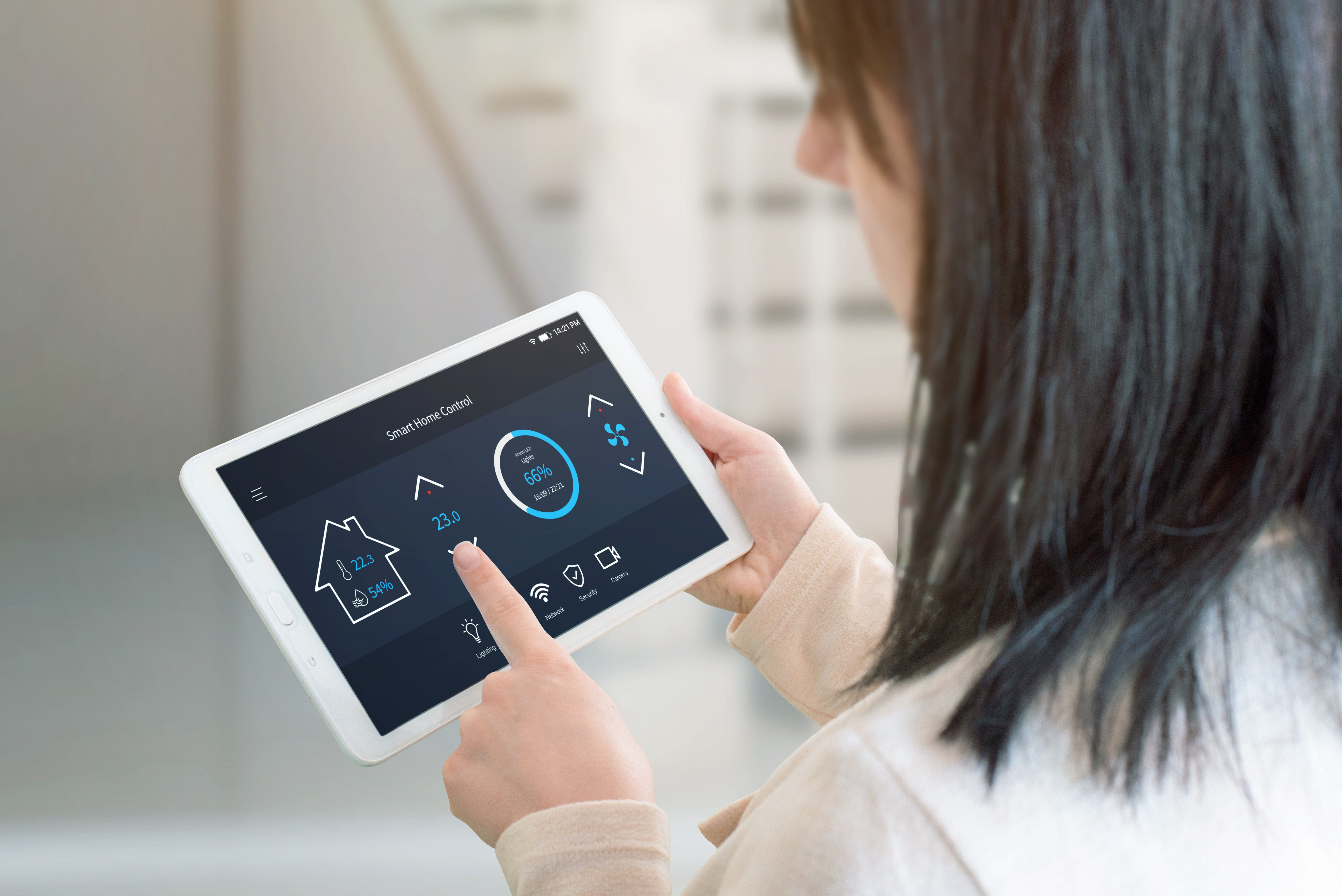
- Remote Control: Manage devices from anywhere using a smartphone app.
- Energy Monitoring: See how much power each device uses.
- Automation: Set schedules or rules for when devices turn on or off.
- Compatibility: Works with other smart home systems or assistants.
- User-Friendly Interface: Easy setup and simple controls.
Credit: www.apge.com
Benefits Of Using Energy Smart Devices
Energy smart devices offer many benefits for households and businesses. They help control energy use more efficiently. This leads to savings and a greener environment. These devices also improve comfort and convenience at home. Their advantages touch on cost, sustainability, and technology.
Reducing Electricity Bills
Energy smart devices cut down on electricity waste. They adjust power use based on real-time needs. For example, smart thermostats lower heating and cooling costs. Smart lights switch off automatically when rooms are empty. Users see clear drops in monthly energy bills. This saves money without losing comfort.
Lowering Carbon Footprint
Using energy smart devices reduces harmful emissions. They limit unnecessary energy consumption. Less energy use means fewer fossil fuels burned. This helps fight climate change and air pollution. Households contribute to a cleaner planet by choosing smart technology. Small changes add up to big environmental benefits.
Enhancing Home Automation
Energy smart devices integrate smoothly with home systems. They connect to apps for easy control and monitoring. Users can schedule devices to run at certain times. Voice commands and remote controls add convenience. This automation improves daily life and saves energy. Homes become smarter and more efficient.
Popular Energy Smart Devices
Popular energy smart devices are changing how you manage electricity at home. These gadgets make it simple to save energy without sacrificing comfort. Let’s look at some devices that can make a big difference in your energy use and bills.
Smart Thermostats
Smart thermostats learn your schedule and adjust the temperature automatically. This means your heating or cooling only runs when you need it. You can control them remotely through your phone, so you never waste energy when you’re away.
Many users report saving up to 15% on heating and cooling costs. Have you ever forgotten to turn off the heat before leaving? A smart thermostat solves that problem instantly.
Smart Lighting Systems
Smart lighting lets you control brightness and color from your phone or voice assistant. You can set lights to turn off when no one is in the room. This prevents energy waste and extends bulb life.
Some systems offer schedules and motion sensors. Imagine walking into a dark room and having the lights turn on automatically only when you’re there. How much energy could you save by not leaving lights on all day?
Energy Monitoring Plugs
Energy monitoring plugs track how much power your devices use. You plug them into the outlet, then plug your appliance into the device. The plug sends real-time data to your phone, helping you spot energy hogs.
This insight lets you decide which devices to unplug or replace with efficient models. Have you checked how much energy your old appliances are consuming? These plugs give you the power to make smarter choices.

Credit: www.vesternet.com
Choosing The Right Device For Your Home
Choosing the right energy smart device for your home is a key step toward saving energy and cutting costs. The perfect device fits your needs and works well with your current setup. It should also match your budget without compromising quality or features.
Assessing Your Energy Needs
Start by understanding how much energy your home uses daily. Look at your electricity bills and note peak usage times. Identify appliances that consume the most power. Choose devices that target these areas for the best savings. Consider your lifestyle and how often you use certain appliances. This helps select devices that offer the most benefit.
Compatibility With Existing Systems
Check if the smart device works with your current home systems. Some devices need Wi-Fi, smart hubs, or specific apps. Verify compatibility with your heating, cooling, or lighting systems. Choose devices that integrate smoothly to avoid extra costs. Devices that sync well provide better control and convenience.
Budget Considerations
Set a clear budget before shopping. Energy smart devices vary in price and features. Balance cost with benefits like energy savings and ease of use. Remember, a higher upfront cost may save more money long term. Look for devices with good reviews and warranties. Avoid overspending on features you won’t use.
Installation And Setup Tips
Setting up energy smart devices can seem tricky, but a smooth installation process makes all the difference. Paying attention to how you install and configure these devices ensures they work efficiently and save you money on energy bills. Let’s look at some practical tips to get your energy smart devices up and running without hassle.
Diy Vs Professional Installation
Deciding whether to install your energy smart devices yourself or hire a professional depends on your comfort with technology and the device complexity. Simple gadgets like smart plugs or bulbs often come with clear instructions and can be installed by anyone.
However, devices connected to your home’s electrical system, such as smart thermostats or energy monitors, might require professional help. Incorrect installation could cause malfunctions or safety issues. Have you checked if your device’s warranty requires professional setup to stay valid?
Integrating With Smart Home Platforms
Most energy smart devices work best when connected to smart home platforms like Google Home, Amazon Alexa, or Apple HomeKit. Integration lets you control multiple devices from a single app or voice commands, increasing convenience and energy savings.
Before setup, confirm your device is compatible with your preferred platform. Some devices use proprietary apps, so linking them can require extra steps. Don’t forget to update firmware regularly to keep all devices working smoothly together.
Optimizing Device Settings
After installation, tweak your device settings to match your lifestyle and maximize energy efficiency. Adjust schedules, temperature ranges, or sensor sensitivities based on when you’re home or away.
Many devices offer energy reports that highlight usage patterns—use this data to refine settings. Are you using features like geofencing or adaptive learning? These can automate energy saving without you lifting a finger.
Maximizing Energy Savings
Maximizing energy savings with smart devices means using them to reduce waste. These devices help control power use effectively. They adjust settings based on your habits and needs. Smart energy management saves money and protects the environment. Here are key ways to get the most from energy smart devices.
Scheduling And Automation
Energy smart devices let you set schedules for appliances. Lights, heating, and cooling can turn on and off automatically. This avoids running devices when no one is home. Automation adjusts energy use based on daily routines. It keeps your home comfortable while cutting unnecessary power use.
Monitoring Energy Usage
Smart devices provide real-time data on energy use. You can see which devices use the most power. This helps identify waste and areas for improvement. Monitoring allows quick action to reduce consumption. It also tracks progress toward energy-saving goals.
Regular Maintenance
Keeping smart devices well-maintained ensures they work efficiently. Clean sensors and update software regularly. Faulty devices can use more energy than needed. Regular checks prevent energy loss and extend device life. Maintenance keeps your system running smoothly and saves money.
Common Challenges And Solutions
Energy smart devices offer great convenience and efficiency, but they also come with some common challenges that can frustrate users. Understanding these issues and knowing how to tackle them can help you get the most out of your smart technology. Let’s look at the typical hurdles and practical ways to overcome them.
Connectivity Issues
One of the biggest headaches with energy smart devices is connectivity. Devices often lose connection to Wi-Fi or hubs, leaving you unable to control them remotely.
Check your router’s range and placement first. Sometimes simply moving your router or adding a Wi-Fi extender can improve signal strength. Also, updating your device firmware regularly ensures better compatibility with network protocols.
Have you noticed your smart device disconnecting at specific times? It might be due to network congestion or interference from other electronics. Try changing your Wi-Fi channel or resetting your router to reduce conflicts.
Device Compatibility Problems
Not all energy smart devices work seamlessly together. You may find that your smart thermostat doesn’t communicate with your smart plugs or voice assistant as expected.
Before buying, verify if devices support the same platforms, such as Google Home, Alexa, or Apple HomeKit. Using a single ecosystem reduces compatibility headaches.
If you already have mixed devices, consider using a universal smart home hub that can bridge different protocols. This can simplify control and improve device interaction.
Security And Privacy Concerns
Smart devices collect data to optimize energy usage, but that raises questions about your privacy and security. How safe is your personal information?
Start by changing default passwords immediately after setup. Use strong, unique passwords and enable two-factor authentication if available.
Keep your devices’ software updated to patch vulnerabilities. Also, review the privacy policies of your devices to understand what data is collected and how it is used.
Are you comfortable sharing your energy usage patterns? Being mindful of what data you allow your devices to collect can protect your privacy while still enjoying smart features.

Credit: www.tandfonline.com
Frequently Asked Questions
What Are Energy Smart Devices?
Energy smart devices are gadgets designed to optimize energy use. They monitor and control power consumption automatically. These devices help reduce electricity bills and environmental impact by using energy efficiently.
How Do Energy Smart Devices Save Energy?
They save energy by adjusting usage based on real-time data. Sensors detect when to turn devices on or off. This reduces unnecessary power use, enhancing overall efficiency and cutting waste.
Can Energy Smart Devices Work With Home Automation?
Yes, they integrate seamlessly with home automation systems. This allows centralized control and scheduling for better energy management. Users can monitor and optimize usage remotely via apps.
Are Energy Smart Devices Cost-effective In The Long Run?
Energy smart devices often pay for themselves through energy savings. Reduced electricity bills offset the initial purchase cost over time. They offer both financial and environmental benefits.
Conclusion
Energy smart devices help save power and cut costs. They make homes and offices more efficient. These devices are easy to use and control. They adjust energy use based on real needs. Using them supports a cleaner environment too. Small changes with smart devices add up.
Everyone can benefit from smarter energy habits. Start thinking about energy smart devices today. It’s a simple step toward a better future.
Leave a Reply