
Are you curious about how electronic monitoring home detention programs actually function? If you’re pondering the effectiveness of these programs and whether they truly work as intended, you’re in the right place.
Imagine a world where the justice system can keep a watchful eye on individuals without the need for prison walls. This innovative approach promises to balance security and freedom, but does it deliver on its promises? You’ll uncover the truth behind electronic monitoring home detention, diving into its benefits, challenges, and real-world outcomes.
Stay with us to explore whether this modern solution is a game-changer or merely a temporary fix.

Credit: ampprobation.com
How Home Detention Works
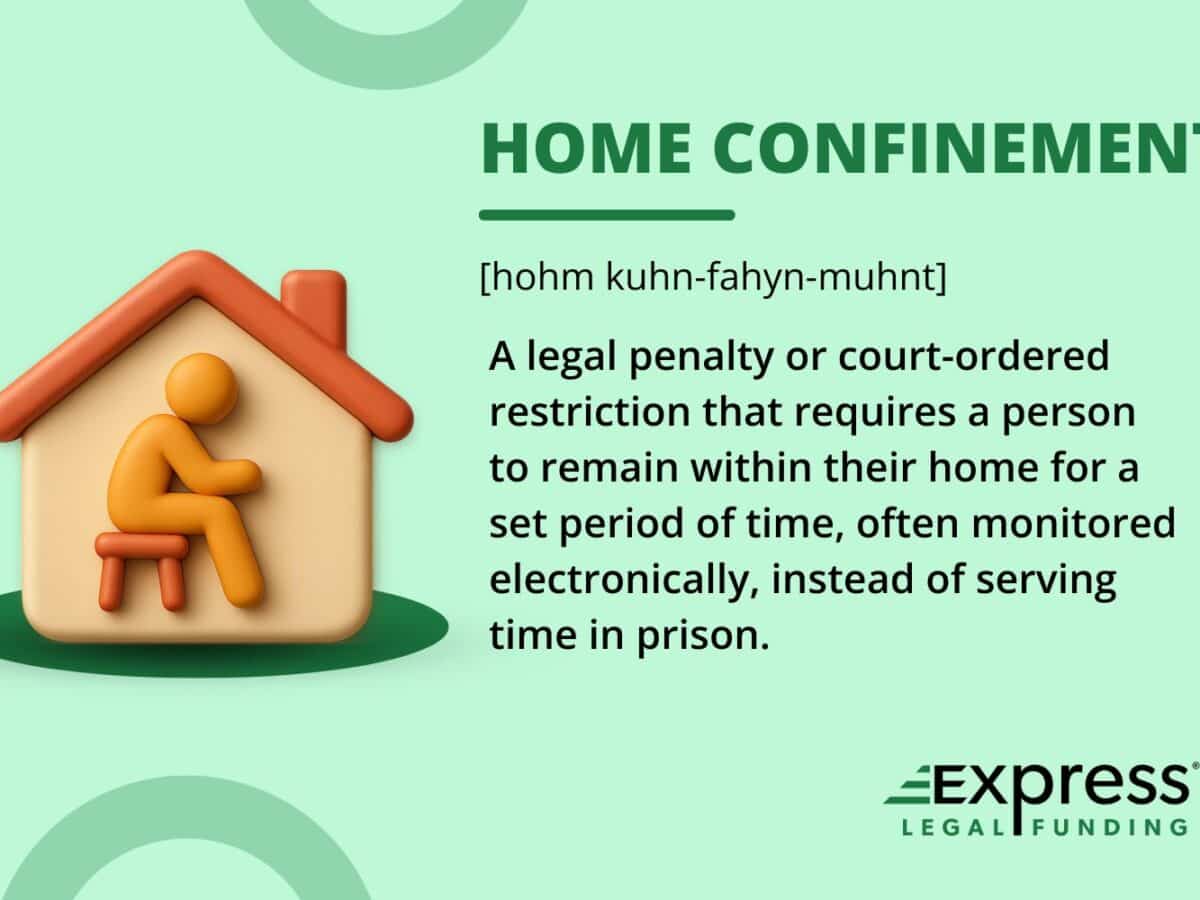
Understanding how home detention works can change the way you view alternatives to traditional incarceration. It’s a system designed to keep individuals accountable while allowing them to remain in their communities. This balance aims to reduce prison overcrowding and support rehabilitation, but what exactly happens behind the scenes?
Electronic Monitoring Devices
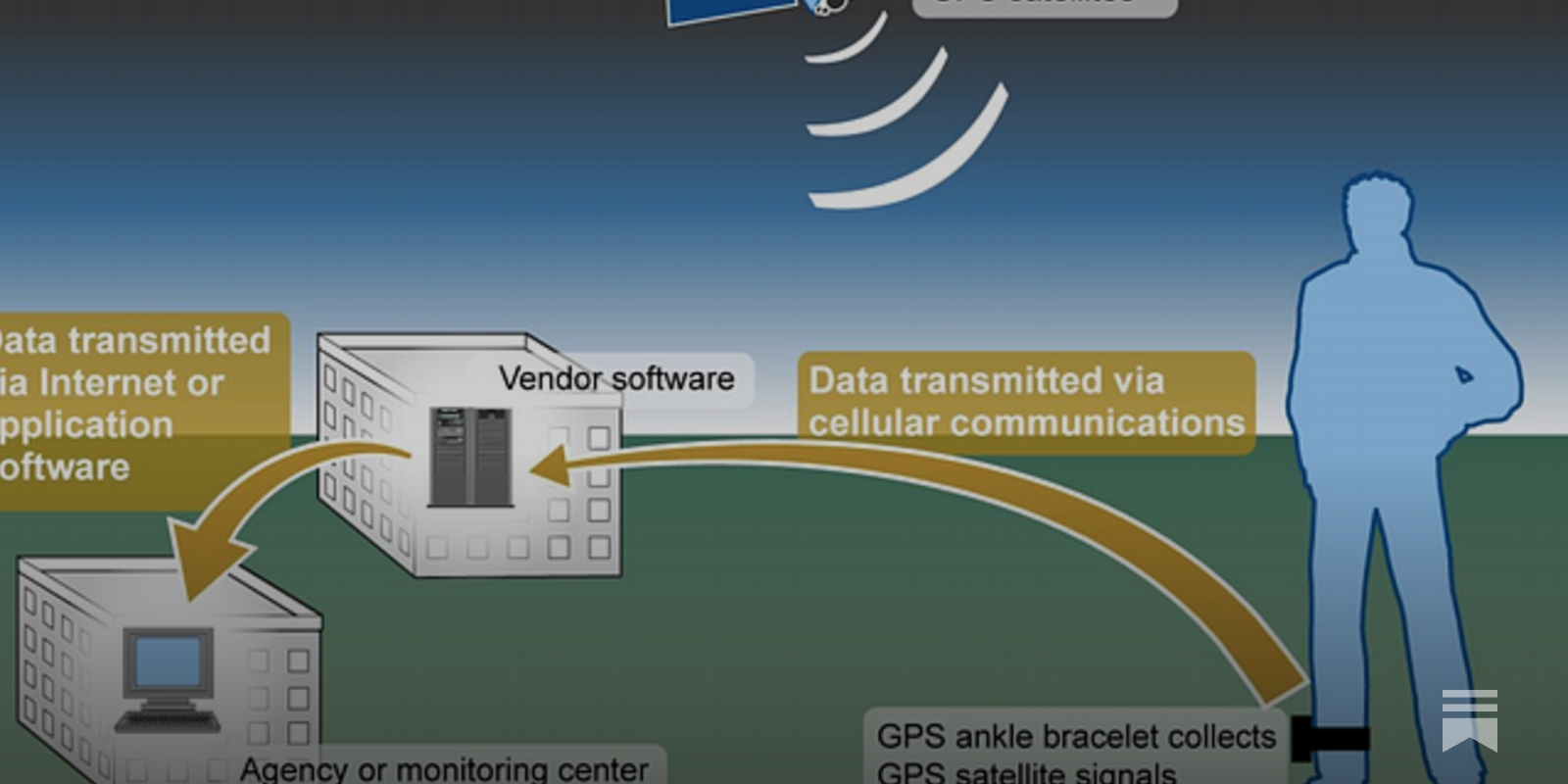
Electronic monitoring devices are the backbone of home detention programs. These devices, often ankle bracelets, use GPS or radio frequency technology to track the wearer’s location in real-time.
They send constant signals to a monitoring center, alerting authorities if the person leaves their approved area. This technology allows you to maintain a semblance of freedom while ensuring compliance with the program’s rules.
Eligibility Criteria
Not everyone qualifies for home detention. Eligibility depends on factors like the nature of the offense, criminal history, and risk level.
Courts typically reserve this option for non-violent offenders who demonstrate a low risk of reoffending. Have you ever wondered how they decide who gets this opportunity and who doesn’t? It’s a careful process aimed at protecting the community while offering a second chance.
Program Duration
The length of a home detention program varies widely. It can range from a few weeks to several months depending on the case.
During this time, participants must adhere to strict schedules and curfews, often with limited exceptions. This structure helps build discipline and reintegrate individuals into daily life without overwhelming them.
Benefits For Offenders
The Electronic Monitoring Home Detention Program offers several benefits for offenders. It allows them to serve part of their sentence outside jail, under strict supervision. This approach supports their reintegration into society while ensuring public safety.
Offenders experience more stability and support during this period. They can keep jobs, stay close to family, and avoid the negative effects of prison life. These benefits help reduce the chance of reoffending and promote positive change.
Reduced Recidivism Rates
Electronic monitoring lowers the risk of repeat offenses. Being at home helps offenders avoid criminal influences found in prison. Constant supervision encourages better behavior and decision-making. Studies show lower recidivism rates among those in home detention programs.
Maintaining Employment
Offenders can continue working while serving their sentence. Holding a job provides income and a routine. Employment boosts self-esteem and responsibility. It also reduces financial stress, which can lead to crime. Electronic monitoring allows for scheduled work hours with monitored home returns.
Family And Community Ties
Staying at home keeps offenders connected with family members. Strong family bonds improve emotional support and stability. Community ties offer a sense of belonging and motivation to change. This connection reduces feelings of isolation and helps offenders rebuild trust.
Impact On The Justice System
The Electronic Monitoring Home Detention Program (EMHDP) reshapes the justice system in several key ways. It offers a new approach to managing offenders outside prison walls. This program impacts costs, prison populations, and how resources are used within the justice system.
Cost Savings
EMHDP reduces expenses linked to incarceration. Housing inmates in prison costs a lot daily. Electronic monitoring uses technology to track offenders at home. This method cuts down on food, security, and facility maintenance costs. Savings from this program help fund other justice initiatives and community services.
Alleviating Prison Overcrowding
Prisons face overcrowding, causing tension and safety risks. EMHDP lowers inmate numbers by allowing eligible offenders to serve time at home. This eases pressure on prison space and improves living conditions. Reduced overcrowding leads to better management and less strain on staff.
Improved Resource Allocation
Resources like staff time and funds are limited in the justice system. EMHDP frees up these resources by shifting some supervision duties to electronic systems. Officers can focus on higher-risk cases instead. The program supports smarter use of resources and enhances overall system efficiency.
Credit: austinkocher.substack.com
Challenges And Limitations
Electronic Monitoring Home Detention Programs offer an alternative to traditional incarceration, but they come with their own set of challenges and limitations. Understanding these issues can help you grasp why these programs don’t always work perfectly and what obstacles need addressing for better outcomes.
Technical Issues
Technology is at the heart of electronic monitoring, but it isn’t foolproof. Devices can malfunction, lose signal, or be tampered with, which may lead to inaccurate tracking or false alarms.
Imagine relying on a GPS bracelet that suddenly stops sending your location due to a dead battery or poor signal. This can cause unnecessary stress for both the monitored individual and the supervising authorities.
Technical glitches also require constant maintenance and quick responses. Without this, the system’s effectiveness drops, leaving gaps in supervision.
Privacy Concerns
Wearing a monitoring device often feels like an invasion of privacy. The constant tracking can make you feel exposed and under surveillance 24/7, affecting mental well-being.
There are questions about how data is stored and who has access to it. Could your location history be misused or shared without your consent?
Such concerns make some people hesitant to accept home detention, fearing a loss of control over their personal life beyond legal requirements.
Compliance And Enforcement
Just because someone is wearing a monitoring device doesn’t guarantee they will follow all rules. People may find ways to remove or tamper with devices despite the risks involved.
Supervisors must constantly review data and respond quickly to violations, which can strain resources. Sometimes, delayed action means non-compliance goes unnoticed for critical periods.
How can the system balance trust and control without turning the monitored individual into a constant rule-breaker or feeling over-policed?
Case Studies And Data
Examining case studies and data reveals how effective Electronic Monitoring Home Detention Programs (EMHDP) truly are. Real-world examples and numbers help you understand the practical impact beyond theory. This section highlights success stories, statistical evidence, and comparisons to traditional incarceration methods, giving you a clearer picture of how these programs perform.
Success Stories
Take the story of James, a father of two who was placed on electronic monitoring after a non-violent offense. He was able to keep his job and care for his family while serving his sentence. His experience shows how EMHDP can help people maintain stability during difficult times.
Another example is Maria, who used the program to attend counseling sessions regularly. This support helped her avoid reoffending, proving that electronic monitoring can encourage positive behavior change. These personal accounts highlight the human side of the data you’ll see next.
Statistical Evidence
| Metric | EMHDP Participants | Traditional Incarceration |
|---|---|---|
| Recidivism Rate | 15% | 35% |
| Employment Retention | 70% | 40% |
| Cost per Offender | $7,000 | $30,000 |
These numbers speak volumes. Recidivism among electronic monitoring participants is significantly lower, suggesting better long-term outcomes. Employment rates remain higher, which often reduces the chances of reoffending.
Costs also drop dramatically, saving taxpayers money. What would your community do with those savings? Could those funds support rehabilitation programs or victim services?
Comparisons With Traditional Incarceration
Traditional incarceration isolates offenders from their support systems and the workforce. EMHDP allows individuals to stay integrated with their communities while serving their sentences.
This integration can reduce the stigma that often comes with imprisonment. People on electronic monitoring are more likely to maintain family bonds and access mental health resources.
Still, electronic monitoring isn’t a perfect solution. It requires strict compliance and can be challenging for those without stable home environments. How might your community improve support systems to maximize the benefits of home detention programs?
Credit: expresslegalfunding.com
Future Developments
The future of Electronic Monitoring Home Detention Programs looks promising, with several developments set to enhance their effectiveness and reach. These advancements focus on improving technology, adjusting policies, and expanding the program to benefit more people. Understanding these changes can help you see how this system might better serve communities and offenders alike.
Technological Innovations
New technologies are making electronic monitoring more accurate and less intrusive. Devices are becoming smaller, more comfortable, and better at tracking real-time movements. Imagine a system that alerts you instantly if someone leaves their allowed area without false alarms—this is becoming a reality.
Additionally, integrating AI can predict risky behavior, allowing authorities to intervene before problems arise. Would you feel more confident knowing the system watches out for potential issues instead of just reporting violations?
Policy Changes
Policies are evolving to make home detention programs fairer and more flexible. Some regions are considering reducing restrictions for low-risk offenders to encourage rehabilitation and reduce overcrowding in prisons.
There’s also a push to standardize rules across different areas so that everyone benefits equally. Could these changes improve trust in the system and encourage more people to comply with their conditions?
Expanding Program Reach
The program is gradually reaching more diverse groups, including those in rural areas where resources are limited. Mobile monitoring units and better internet coverage help include people who were previously left out.
Expanding the program means more offenders can serve their sentences at home, maintaining family ties and jobs. How might this shift affect recidivism rates and community safety in your neighborhood?
Frequently Asked Questions
What Is The Electronic Monitoring Home Detention Program?
The Electronic Monitoring Home Detention Program allows offenders to serve sentences at home. It uses GPS or radio frequency devices to track movements. This reduces prison overcrowding and supports rehabilitation by allowing offenders to maintain family and job ties.
How Effective Is Electronic Monitoring In Reducing Reoffending?
Electronic monitoring helps lower recidivism by promoting accountability and structure. It deters rule violations through real-time tracking. Studies show monitored offenders often have better reintegration outcomes compared to traditional incarceration.
Can Electronic Monitoring Replace Traditional Imprisonment Completely?
No, electronic monitoring cannot fully replace imprisonment. It suits low-risk offenders and non-violent crimes. Serious or high-risk offenders require secure facilities to protect public safety.
What Are The Main Benefits Of Home Detention Programs?
Home detention programs reduce jail costs and overcrowding. They support offender reintegration and mental health. Families stay united, and offenders can maintain employment, aiding successful rehabilitation.
Conclusion
Electronic Monitoring Home Detention Programs offer a way to reduce prison crowding. They help offenders serve time at home while staying supervised. This can lower costs and support family connections. Many people follow the rules and avoid reoffending. Some challenges remain, like ensuring technology works well.
Overall, the program shows promise but needs careful use. It is a tool that can aid justice systems. Understanding its strengths and limits helps improve safety for everyone.
Leave a Reply