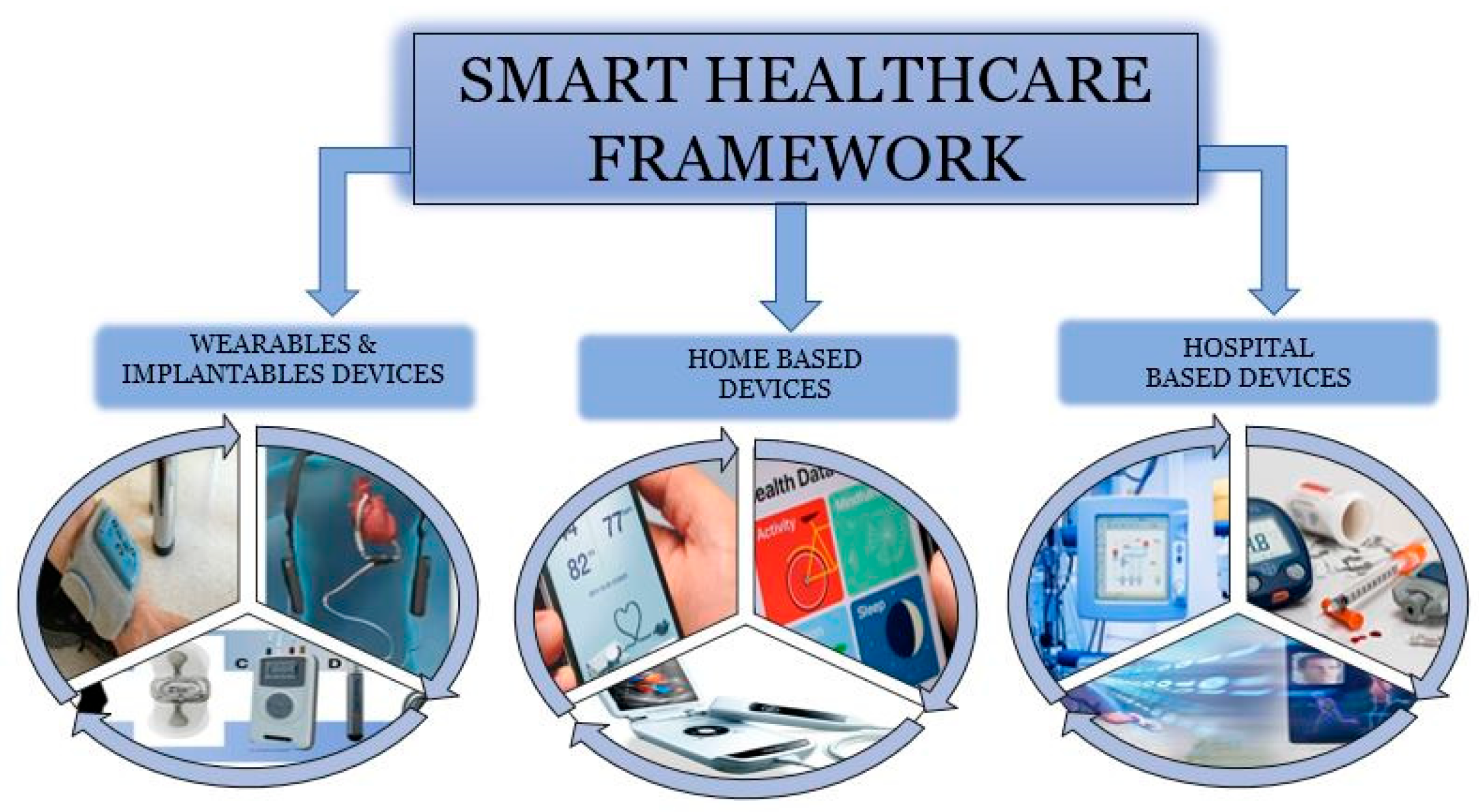
Imagine a world where your health is monitored in real-time, where potential issues are detected before they even arise. This isn’t science fiction—it’s the power of smart devices in healthcare.
You might be wondering how these tiny gadgets can make such a big impact on your well-being. The truth is, smart devices are revolutionizing the way you and your doctors approach health, offering unprecedented convenience, accuracy, and peace of mind.
By the end of this article, you’ll discover how these innovative tools are not just a trend, but a transformative force in healthcare. Let’s dive in and explore how smart devices can enhance your health journey.
Rise Of Smart Devices In Healthcare
Smart devices are becoming common in healthcare. They help doctors and patients track health easily. These devices collect data that shows how a patient is doing. This data helps in quick decision-making and better care. The rise of smart devices improves healthcare quality and access. It also lowers costs by reducing hospital visits.
Wearable Technology
Wearable devices monitor vital signs like heart rate and blood pressure. People can wear smartwatches or fitness bands daily. These devices send real-time health updates to users and doctors. They help detect problems early before symptoms appear. This constant monitoring supports healthier habits and timely care.
Remote Monitoring Tools
Remote tools allow doctors to check patients from a distance. Devices track blood sugar, oxygen levels, and other data. Patients use these tools at home, avoiding frequent hospital trips. Doctors receive alerts if readings are abnormal. This keeps patients safe and reduces emergency visits.
Integration With Health Systems
Smart devices connect with electronic health records (EHR). This integration helps doctors access patient data quickly. It improves communication between different healthcare providers. Shared information leads to better treatment plans. This smooth data flow enhances overall patient care.
Enhancing Patient Monitoring
Smart devices are changing how doctors watch patients’ health. These tools help keep an eye on patients all the time. They give useful information that helps in quick decisions. This means better care and safer treatment.
Real-time Data Collection
Smart devices collect health data instantly. This data shows heart rate, blood pressure, and oxygen levels. Doctors can see this information live. It helps them understand the patient’s current state. Quick access to data means faster response to problems.
Early Detection And Alerts
Devices spot health issues early. They send alerts if something is wrong. These warnings help patients and doctors act fast. Early action can stop serious conditions from growing. It lowers risks and saves lives.
Continuous Health Tracking
Smart devices track health all day and night. Continuous tracking shows trends and changes over time. This helps doctors adjust treatments better. Patients feel safer knowing their health is watched closely. It also supports long-term health goals.
Improving Diagnosis Accuracy
Smart devices are changing how doctors find and understand diseases. These tools help make diagnosis faster and more exact. They reduce mistakes and give doctors better information. This improvement means patients get the right treatment sooner. Technology supports doctors by analyzing data and images clearly.
Ai-powered Analytics
Artificial intelligence helps scan large sets of health data. It finds patterns that humans might miss. This technology learns from past cases to improve its accuracy. Doctors receive alerts about unusual signs in patient data. AI speeds up diagnosis by providing quick insights. It helps predict diseases before symptoms appear.
Enhanced Imaging Techniques
Smart devices improve medical imaging quality. They produce clearer and more detailed pictures of the body. These images help doctors spot problems early. Technologies like 3D scanning and high-resolution cameras support better views. Enhanced imaging reduces the chance of wrong readings. It guides precise treatment planning based on accurate visuals.
Data-driven Decision Making
Doctors use data from smart devices to make informed choices. Real-time health data helps track patient conditions closely. This ongoing information reduces guesswork in diagnosis. Data trends show how diseases progress or respond to treatment. It helps select the best methods for each patient. Care becomes personalized and more effective through data use.
Personalizing Treatment Plans
Smart devices are changing how doctors create treatment plans. They help make treatments fit each patient’s unique needs. This personal touch improves care and leads to better health results.
Tailored Medication Management
Smart devices track when and how patients take their medicines. They send reminders to avoid missed doses. These devices also monitor side effects and effectiveness. Doctors use this data to adjust medications safely and quickly.
Adaptive Therapy Adjustments
Devices collect real-time health data during therapy sessions. This lets doctors change therapy plans based on patient progress. Adjustments happen faster than traditional checkups. Patients get treatments that match their current condition.
Patient Engagement And Feedback
Smart devices encourage patients to share health feedback easily. Patients report symptoms and concerns through apps. This communication helps doctors understand patient needs better. Patients feel more involved and motivated in their care.
Boosting Healthcare Accessibility
Smart devices are changing how people access healthcare services. These tools help remove barriers that many face when seeking medical care. Patients can now connect with doctors and health professionals from their own homes or nearby locations. This change improves health outcomes and saves time and money.
Telemedicine Integration
Smart devices enable smooth telemedicine services. Patients use smartphones, tablets, or wearables to share health data instantly. Doctors receive real-time information to make quick, accurate decisions. This integration reduces the need for physical visits, lowering the risk of infections and travel costs.
Remote Consultations
Remote consultations allow patients to talk with doctors through video or voice calls. Symptoms and concerns get addressed without leaving home. This option suits people with mobility issues or busy schedules. Remote consultations also help manage chronic diseases by providing regular check-ins without hospital visits.
Support For Rural And Underserved Areas
Smart devices bring healthcare to rural and underserved regions. People in these areas often lack specialists and clinics nearby. Mobile devices and internet connectivity connect them to experts far away. This support helps reduce health disparities and ensures timely care for all communities.

Credit: medium.com
Challenges And Considerations
Smart devices hold great promise for healthcare, but they come with their own set of challenges and important considerations. Addressing these issues is key to making sure the technology truly benefits patients and healthcare providers alike. Let’s take a closer look at some of the main concerns you should keep in mind.
Data Privacy And Security
Healthcare data is extremely sensitive. If your smart device collects personal health information, you must ensure it’s well-protected. Weak security can lead to data breaches that expose private details, putting patients at risk.
Think about the last time you used a health app. Did you wonder how your data was stored or who could access it? Transparency about data use is crucial for trust. Devices should use strong encryption and follow strict access controls to keep your information safe.
Device Reliability And Accuracy
Imagine relying on a smart device to monitor your heart rate, but it gives inconsistent readings. That’s a real concern. Devices must be reliable and accurate because wrong data can lead to wrong medical decisions.
Have you ever experienced a gadget glitch? In healthcare, even small errors can have big consequences. Regular testing and updates are essential to maintain device performance over time.
Regulatory And Ethical Issues
Healthcare devices don’t operate in a vacuum—they must comply with laws and ethical standards. This means meeting regulatory approvals that confirm safety and effectiveness before use. Without this, you risk using unproven technology.
Ethical questions also arise around who controls the data and how it’s used. Are patients fully informed about what happens with their information? You should expect clear guidelines and protections to respect your rights and well-being.
Future Trends In Smart Healthcare Devices
The landscape of healthcare is rapidly evolving with smart devices playing an increasingly vital role. Future trends in smart healthcare devices promise to make medical care more precise, accessible, and personalized. These innovations will shape how you manage your health and interact with healthcare professionals.
Advances In Ai And Machine Learning
Artificial intelligence and machine learning are becoming smarter at analyzing health data. These technologies help predict diseases earlier and tailor treatments specifically for you.
Imagine a device that learns your daily habits and alerts you to subtle changes that might indicate a health issue before symptoms appear. This proactive approach could save lives and reduce hospital visits.
Are you ready to trust a device with your health insights and decisions?
Iot Expansion In Medical Devices
The Internet of Things (IoT) is connecting more medical devices than ever before. Devices like wearable monitors, smart inhalers, and connected glucose meters are continuously sharing real-time data.
This network allows your healthcare provider to monitor your condition remotely and intervene promptly when needed. It also means less time spent in clinics and more convenience for you.
How could constant connectivity improve your daily health management?
Patient-centric Innovations
Smart healthcare devices are shifting focus to you as the center of care. Devices are becoming easier to use, more intuitive, and designed to fit seamlessly into your lifestyle.
For example, smart pillboxes remind you to take your medication and track adherence without hassle. These innovations empower you to take control of your health without feeling overwhelmed.
What kind of device would make managing your health simpler and more effective?

Credit: www.healthcaretechoutlook.com
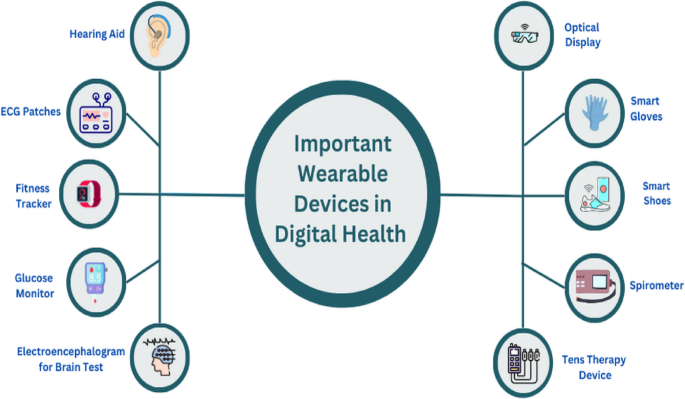
Credit: journalofcloudcomputing.springeropen.com
Frequently Asked Questions
How Do Smart Devices Improve Patient Monitoring?
Smart devices enable continuous health tracking outside hospitals. They provide real-time data to doctors, allowing early detection of issues and timely interventions. This improves patient outcomes and reduces hospital visits.
Can Smart Devices Enhance Remote Healthcare Services?
Yes, smart devices facilitate telemedicine by transmitting vital signs and health data remotely. They enable doctors to diagnose and treat patients without physical visits, increasing healthcare accessibility and convenience.
What Role Do Smart Devices Play In Chronic Disease Management?
Smart devices help track symptoms, medication adherence, and lifestyle changes for chronic patients. They provide personalized insights, support self-management, and alert healthcare providers to potential complications early.
How Do Smart Devices Support Elderly Care?
Smart devices monitor elderly patients’ health continuously, detecting falls or emergencies instantly. They promote independence, ensure timely medical response, and reduce caregiver burden through automated alerts and reminders.
Conclusion
Smart devices bring many benefits to healthcare today. They help doctors monitor patients closely and catch problems early. These tools also make it easier for people to track their own health at home. With quick access to data, treatments can be faster and more precise.
Smart devices support better communication between patients and medical staff. They reduce hospital visits and save time. The future of healthcare looks brighter with these helpful technologies. Simple, smart tools can improve health for everyone.
Leave a Reply