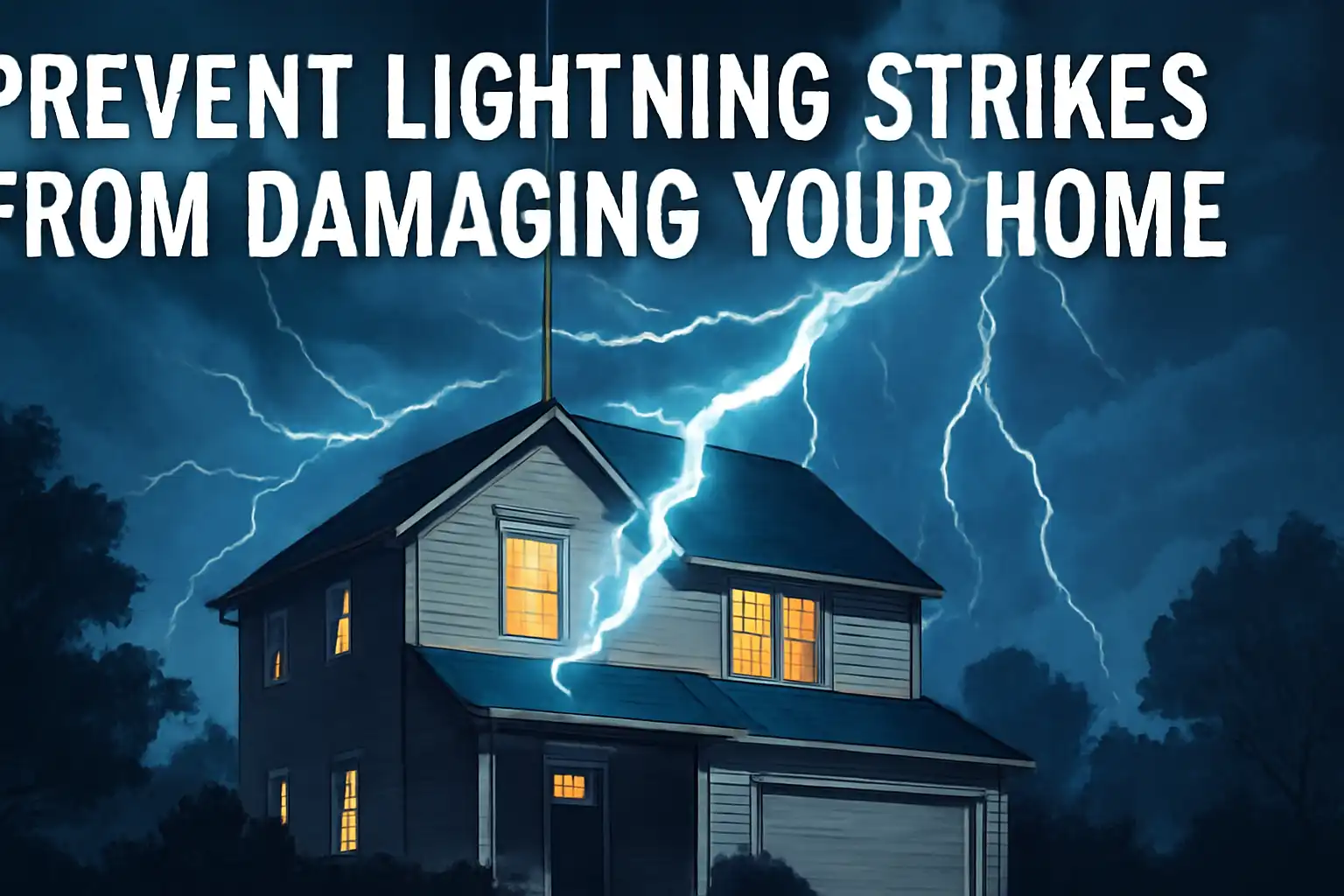
Are you concerned about the safety of your electronics during a thunderstorm? You might have heard stories that electronics can attract lightning into your home.
This idea is enough to make anyone uneasy. Imagine the power of a lightning bolt suddenly targeting your favorite gadgets. But is there any truth to this claim? We’ll explore whether your everyday devices pose a risk during a storm.
You’ll discover the science behind lightning and learn how to protect your home. So, if you’ve ever wondered about the connection between your electronics and lightning, keep reading. Your peace of mind could be just a few paragraphs away.

Credit: www.skillsewa.com
How Lightning Forms
Understanding how lightning forms helps you grasp why electronics might be at risk during a storm. Lightning results from a complex process involving the atmosphere and electrical charges. Let’s break down the key factors that lead to this powerful natural event.
Atmospheric Conditions
Lightning needs the right atmospheric conditions to develop. Thunderstorms form when warm, moist air rises rapidly into cooler layers of the atmosphere. This rising air creates clouds filled with water droplets and ice particles.
As these particles collide, they generate static electricity. You’ve probably noticed how your hair stands on end after rubbing a balloon—similar static charges build up inside the storm clouds. Without these specific conditions—warm air, moisture, and cold upper layers—lightning simply won’t occur.
Electrical Charges In Storms
Inside a storm cloud, electrical charges separate. The top of the cloud usually holds positive charges, while the bottom accumulates negative charges. This separation creates an electric field strong enough to cause a spark.
This spark is lightning—an enormous release of electricity seeking to balance the charges. It can jump between clouds, within the cloud, or from the cloud to the ground. Have you ever wondered why lightning often strikes tall objects? It’s because these objects help complete the electric circuit.
Knowing this, you can see why lightning might be attracted to your home’s electronics, especially if they create pathways for electricity during a storm.

Credit: ronovations.ca
Lightning Behavior Near Homes
Understanding how lightning behaves near homes is essential for protecting your property and loved ones. Lightning doesn’t just strike randomly; it follows specific paths influenced by the environment around your home. Knowing these patterns helps you identify which areas or objects might be at higher risk during a storm.
Common Strike Points
Lightning tends to hit the tallest and most conductive points around a house. This often includes rooftops, chimneys, antennas, and even metal gutters. If your home has a tall tree nearby, that tree can also attract lightning, especially if it’s the highest point in your yard.
Inside your home, electronics themselves don’t attract lightning, but they can be damaged if lightning strikes nearby. Power surges travel through wiring and can fry devices that are plugged in. Unplugging electronics during a storm is a simple and effective way to protect them.
Role Of Tall Structures
Tall structures near your home, such as flagpoles, towers, or even utility poles, can influence where lightning strikes. Lightning often chooses the shortest path to the ground, targeting the tallest objects in the vicinity.
If your home is surrounded by tall buildings or trees, these might take the hit instead of your house. But if your home stands out as the tallest structure, it becomes a prime target. Installing lightning rods on your roof can safely redirect strikes, preventing damage.
Electronics And Lightning Attraction
Many people worry that having lots of electronics at home might make their house a bigger target for lightning strikes. The idea that devices like TVs, computers, or gaming consoles could attract lightning is common. But how true is this concern, and what role do electronics actually play in lightning attraction?
Do Devices Increase Risk?
Electronics themselves don’t attract lightning like a magnet. Lightning is drawn to the tallest or most conductive point during a storm, such as trees, poles, or rooftops. Your smartphone or laptop inside the house won’t increase the chance of a strike on your home.
However, electronics can be affected by lightning if it hits nearby. Power surges from a strike can damage your devices even if the lightning doesn’t directly hit your house. Using surge protectors is a smart step to protect your gear.
Conductivity And Static Electricity
Lightning is attracted to materials that conduct electricity well. Metals like copper and aluminum are good conductors and often used in lightning rods. Electronics have metal parts, but they are usually small and enclosed within plastic cases, which reduce their conductivity.
Static electricity might build up around your devices, especially if you’re moving around a lot or rubbing against synthetic fabrics. But this static charge is tiny compared to the electrical energy in lightning. It won’t cause lightning to strike your home or electronics.
Think about this: if your phone or TV attracted lightning, wouldn’t we see more frequent strikes inside buildings packed with electronics? That’s rarely the case. Instead, focusing on grounding and surge protection is the key to safety.
Household Wiring And Lightning
Household wiring plays a key role during a lightning strike. Lightning can enter a home through the electrical system. Understanding how wiring affects lightning risks helps keep a home safe.
Pathways For Lightning
Lightning looks for the easiest path to the ground. Electrical wiring can act as a pathway for lightning inside a home. Wires connect many devices and outlets, creating routes lightning might follow.
Lightning can enter through:
- Power lines connected to the house
- Telephone or cable lines
- Metal plumbing linked to electrical ground
Once inside, lightning can cause damage to devices and wiring. Sparks, fires, or electric shocks can result from this sudden surge.
Grounding Systems Importance
Grounding systems direct electricity safely into the earth. They reduce damage from lightning by providing a secure path for energy. Proper grounding lowers the chance of fire and electric shock.
Good grounding includes:
- Ground rods driven deep into the soil
- Metal water pipes connected to the grounding system
- Ground wires linked to electrical panels
These systems protect homes by managing dangerous electrical surges. Without effective grounding, lightning damage risk increases significantly.
Myths About Electronics And Lightning
Many people worry that electronics in their homes might attract lightning. This fear is common during storms. Myths spread easily, causing unnecessary concern. Understanding facts helps reduce anxiety and protect your family effectively.
Debunking Common Misconceptions
Some believe using electronics causes lightning to strike their house. Others think unplugging devices stops lightning damage. Many assume metal gadgets attract lightning bolts. None of these ideas have strong proof.
Lightning strikes the tallest or most conductive point outside. Electronics inside your home do not increase this risk. Lightning follows the path of least resistance outdoors, not your devices indoors.
- Electronics do not act like lightning rods.
- Unplugging devices is safer but not because it prevents strikes.
- Metal in devices does not attract lightning inside a home.
Scientific Evidence
Experts study lightning and its behavior for safety guidelines. Research shows lightning targets tall structures and isolated trees. It avoids enclosed spaces with grounded wiring systems.
Homes with proper grounding protect electronics from lightning damage. Surge protectors reduce electrical surges but do not attract lightning. Lightning strikes are random and depend on outdoor conditions.
| Myth | Fact |
|---|---|
| Electronics attract lightning | Lightning targets tall, conductive outdoor points |
| Unplugging devices prevents strikes | It protects devices from surges, not lightning strikes |
| Metal gadgets increase strike risk | Metal indoors does not attract lightning |
Preventing Lightning Damage Indoors
Lightning strikes can cause serious damage to your home electronics, even if the lightning never directly hits your house. Electrical surges travel through wiring and can fry circuits, leading to costly repairs or replacements. Protecting your devices indoors requires simple yet effective steps you can take right now.
Surge Protectors
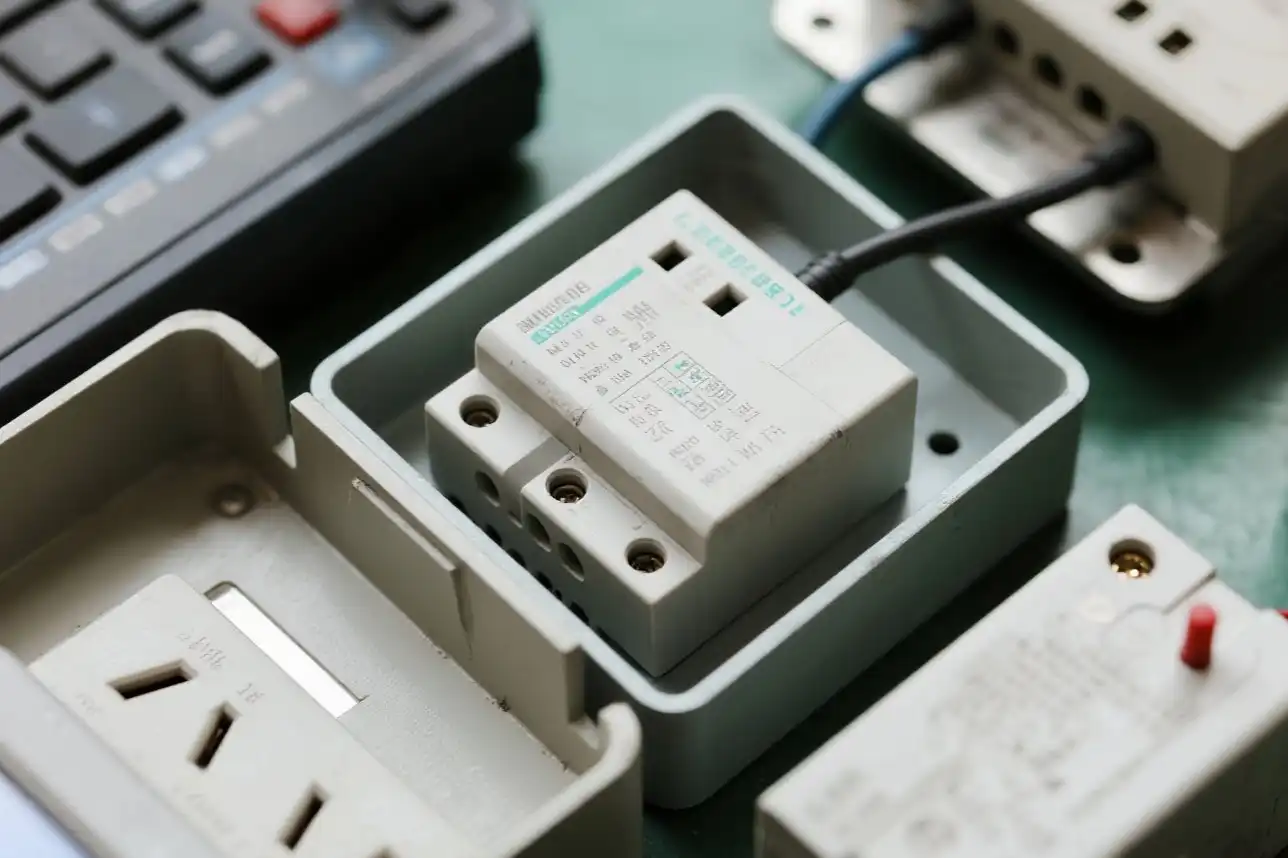
Surge protectors are your first line of defense against lightning-induced power surges. These devices absorb excess voltage and prevent it from reaching your electronics. Make sure to use surge protectors with a good joule rating and replace them after a major surge event.
Not all power strips offer surge protection, so check the label carefully. Consider whole-house surge protection for an extra layer of safety if you live in a lightning-prone area. Have you checked your surge protectors lately to ensure they’re still effective?
Unplugging Devices
Unplugging your devices during a storm is the most foolproof way to avoid lightning damage. Even the best surge protector can’t guarantee 100% protection. When you hear thunder, unplug sensitive electronics like computers, TVs, and gaming consoles.
It might seem inconvenient, but it’s a small action that saves you from expensive repairs. Think about how often you leave devices plugged in overnight or when you’re away—lightning doesn’t schedule around your routine. Can you commit to this simple habit next storm?
Safety During Storms
Lightning safety indoors goes beyond protecting your electronics. Avoid using wired devices such as landline phones or desktop computers connected to power outlets during storms. Water pipes and metal objects can also conduct electricity, so steer clear of sinks, baths, and faucets.
Stay informed by monitoring weather alerts and know when to take precautions. Your safety and your electronics’ safety depend on how prepared you are. What’s your plan for staying safe and protecting your devices during the next thunderstorm?
When Lightning Strikes Electronics
Lightning striking near or directly on your home can cause serious problems for your electronics. The intense electrical surge travels through wiring and can damage devices even if the lightning doesn’t hit your house directly. Understanding what happens when lightning hits electronics can help you protect your valuable gadgets and prepare for repairs if needed.
Typical Damage Patterns
When lightning strikes, the surge often causes immediate and visible damage to electronics. Common signs include:
- Burnt circuits:The surge can fry the internal components, leaving scorch marks or melted parts.
- Power supply failure:Devices may fail to turn on or show erratic behavior due to damaged power boards.
- Data loss:Computers and storage devices can lose files or become corrupted if the surge disrupts their operation.
- Connectivity issues:Modems, routers, and smart home devices might stop working because of damaged ports or chips.
Sometimes, damage is subtle and builds up over time, causing devices to fail weeks or months later. Have you noticed your electronics acting strangely after a storm? That could be a delayed effect of a lightning surge.
Repair And Replacement Options
Once your electronics have been hit by lightning, you have a few options to consider.
| Option | Pros | Cons | Best For |
|---|---|---|---|
| Professional Repair | Can restore device function; less costly than replacement | Not always successful; may take time | High-value or sentimental electronics |
| Replacement | Guaranteed working device; often with warranty | Higher upfront cost; data loss risk | Severely damaged or outdated devices |
| DIY Fixes | Cost-effective; quick attempt to restore | Risk of further damage; requires technical skill | Minor damage or experienced users |
Before deciding, consider whether your device is under warranty or covered by insurance. Backing up data regularly can save you from losing important files if lightning strikes unexpectedly. Are you prepared with surge protectors or backup plans to minimize damage?
Credit: www.onesto-ep.com
Lightning Safety Tips For Homeowners
Lightning can be dangerous for homeowners and their property. Knowing safety tips can reduce risks and protect your family. These tips help you stay safe during storms and prevent damage to electronics and your home.
Outdoor Precautions
- Avoid open fields and tall trees during storms.
- Stay away from metal objects like fences and poles.
- Do not use water sources such as pools or sprinklers.
- Unplug outdoor electronics and devices before a storm.
- Install lightning rods on your roof for extra protection.
- Keep patios and decks clear of electrical equipment during bad weather.
Emergency Preparedness
- Have a flashlight and batteries ready in case of power loss.
- Keep a battery-powered radio to hear weather updates.
- Create an emergency kit with first-aid supplies and water.
- Know the safest place inside your home, away from windows.
- Keep cell phones charged for emergency calls.
- Test smoke and carbon monoxide detectors regularly.
Frequently Asked Questions
Can Electronics Attract Lightning In Your Home?
No, electronics do not attract lightning directly. Lightning strikes are caused by atmospheric conditions, not by household devices. However, electronics can be damaged if lightning strikes nearby and sends a power surge through electrical wiring.
How Can Lightning Damage Electronics Indoors?
Lightning can cause power surges that damage or destroy electronic devices. These surges travel through electrical and phone lines connected to your home. Using surge protectors helps reduce the risk of electronic damage during storms.
Should I Unplug Electronics During A Thunderstorm?
Yes, unplugging electronics during thunderstorms is a safe practice. It prevents damage from power surges caused by lightning strikes. Disconnecting devices reduces the risk of electrical fires and data loss in your home.
Do Surge Protectors Stop Lightning Damage Completely?
Surge protectors reduce the risk but do not guarantee full protection. They absorb excess voltage from surges but may fail during powerful lightning strikes. Using multiple protection layers is recommended for better safety.
Conclusion
Electronics inside your home do not attract lightning strikes. Lightning chooses tall, metal objects outside, like trees or poles. Still, lightning can damage electronics through power surges. Using surge protectors helps keep devices safe during storms. Unplugging devices when lightning is near adds extra protection.
Stay indoors and avoid using wired electronics during lightning storms. Understanding these facts can ease your worries about lightning and electronics. Stay safe and protect your home wisely.
Leave a Reply