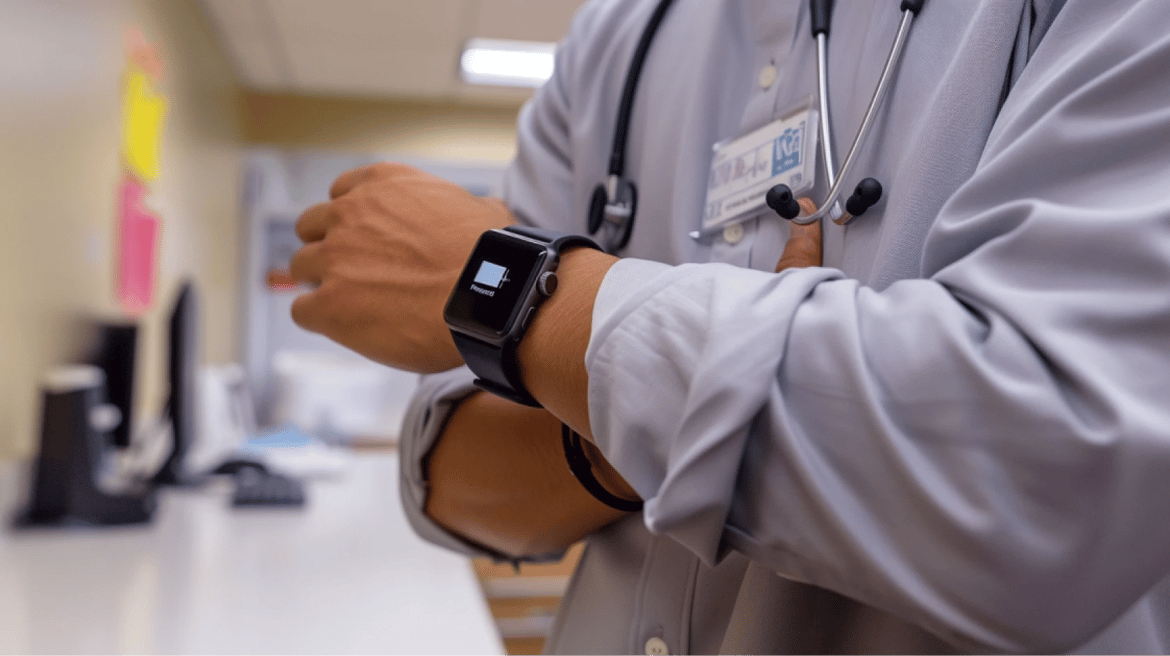
Have you ever wondered if the data from your smartwatch or fitness tracker could become part of your medical history? Imagine your doctor having real-time insights into your heart rate, sleep patterns, or activity levels, all stored safely within your electronic health records.
This connection could change how you manage your health, making checkups smarter and treatments more personalized. But is wearable technology really linked to electronic health records yet? Keep reading to discover how this powerful combination might transform your healthcare experience.

Credit: www.jacc.org
Wearable Technology Trends
Wearable technology continues to grow rapidly in health care. These devices collect valuable health data every day. They offer new ways to track fitness, heart rate, sleep, and more. Trends show increased accuracy and smarter features in wearables. The link between wearables and electronic health records (EHR) is becoming stronger. This connection helps doctors get real-time patient information.
Popular Wearable Devices
- Fitness trackers like Fitbit and Garmin
- Smartwatches including Apple Watch and Samsung Galaxy Watch
- Health monitors such as continuous glucose monitors
- Smart rings and patches for vital signs
These devices are common among users for daily health tracking. They support various health goals and medical needs.
Health Monitoring Features
- Heart rate and rhythm tracking
- Sleep quality analysis
- Blood oxygen level measurement
- Activity and step counting
- Stress and hydration monitoring
Advanced sensors improve data accuracy and usability. Some wearables even detect irregular heartbeats or falls. These features support early health issue detection and better care management.
User Adoption Rates
Wearable device use grows steadily worldwide. Younger people show higher adoption, but older adults join too. Many users wear devices daily for health insights. Employers and insurers sometimes encourage wearable use. This helps boost health awareness and preventive care.
Electronic Health Records Basics
Understanding the basics of Electronic Health Records (EHR) is essential before connecting wearable technology to them. EHRs store your health information digitally, making it easier for healthcare providers to access and share your medical history. This foundation helps you see how wearable devices can contribute meaningful data to your health profile.
Ehr Systems Overview
EHR systems are digital platforms used by hospitals, clinics, and doctors to manage patient information. They replace traditional paper records with electronic versions that can be updated in real-time.
These systems allow multiple healthcare professionals to view your health data simultaneously, improving coordination and care quality. Have you ever wondered how your doctor keeps track of your visits, medications, and test results all in one place? That’s the power of EHR systems at work.
Data Types In Ehr
EHRs collect a wide range of health information, including:
- Personal details like name, age, and contact info
- Medical history such as past illnesses and surgeries
- Medications and allergies
- Lab test results and imaging reports
- Immunization records
- Vital signs like blood pressure and heart rate
When wearable devices provide continuous data—like your daily steps or heart rhythm—it adds a new layer of detail. Imagine your doctor seeing your blood pressure trends over months instead of just during office visits.
Benefits Of Digital Health Records
Digital records offer several advantages over traditional paper files. They improve accuracy by reducing human errors and make it faster to retrieve your information during emergencies.
Sharing data between specialists becomes seamless, saving you from repeating tests and explaining your history multiple times. Plus, digital records make it easier to spot health patterns early, potentially preventing serious issues.
How could having your wearable data integrated into your EHR change the way your doctor monitors your health? The possibilities are quite promising when you consider the continuous and personalized health data wearables provide.
Integration Possibilities
Integration possibilities between wearable technology and electronic health records (EHR) offer a new way to track health data. This link can improve patient care by providing doctors with real-time information. Wearable devices collect data like heart rate, steps, and sleep patterns. Connecting this data to EHR systems helps create a complete health profile for each patient.
Data Sharing Mechanisms
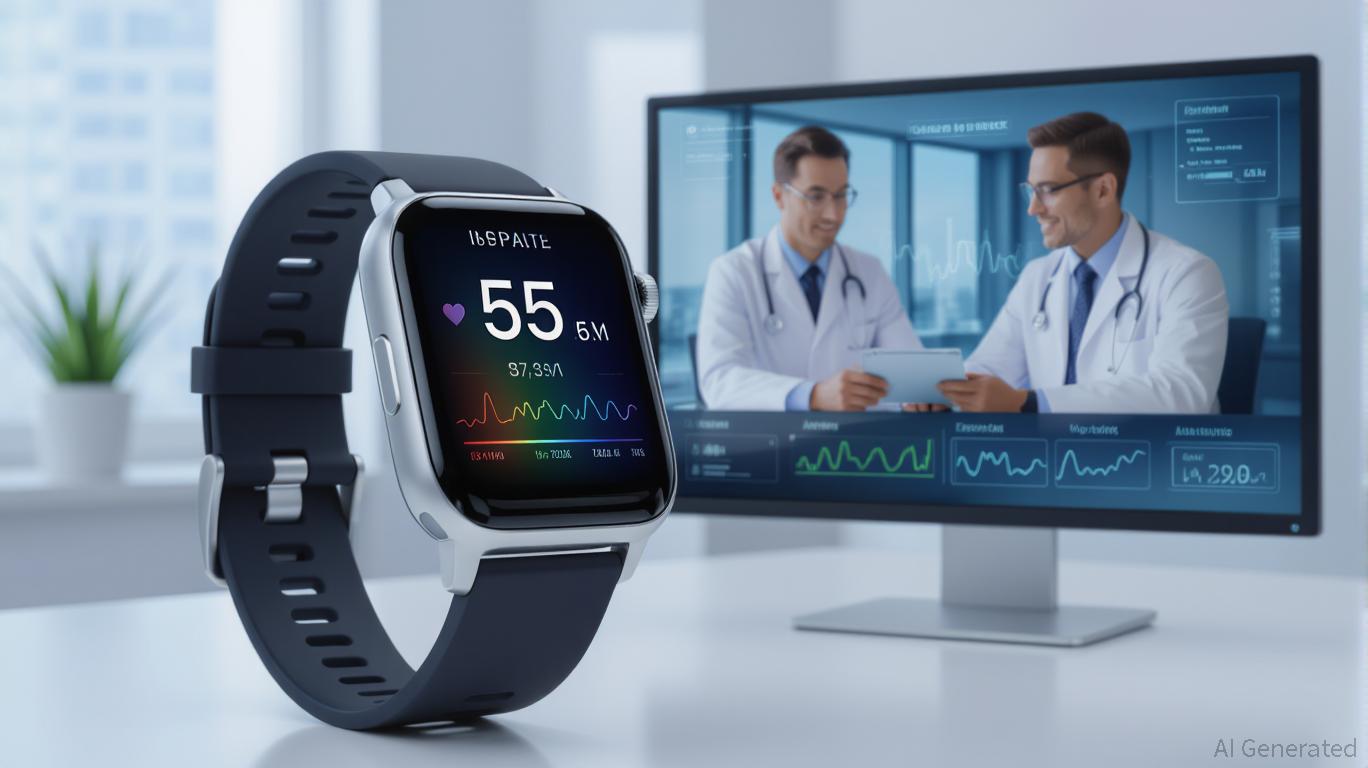
Data sharing between wearables and EHRs relies on secure channels. Bluetooth and Wi-Fi are common ways for devices to send data. Cloud platforms often act as a bridge to transfer this information. Data is collected by wearables, sent to apps, then uploaded to EHR systems. This process allows doctors to access updated health data anytime.
Data sharing must follow privacy rules to protect patient information. Encryption and secure login systems keep data safe during transfer. Patients usually give permission before data moves into their health records.
Apis And Interoperability
APIs (Application Programming Interfaces) enable wearables to communicate with EHR software. APIs allow different systems to share and understand data formats. Interoperability means these systems work together without errors or data loss.
Standards like HL7 and FHIR help improve interoperability. These standards create common rules for data exchange. They allow wearable data to fit smoothly into EHR platforms. This makes it easier for healthcare providers to use wearable data in daily care.
Challenges In Integration
Integration faces technical and regulatory challenges. Different devices use various data formats that may not match EHR systems. This mismatch causes delays or errors in data transfer.
Privacy laws require strict controls on who can see wearable data. Meeting these rules adds complexity to integration. Some healthcare providers lack the tools or skills to manage wearable data effectively.
Battery life and connectivity issues on wearables can affect data accuracy. Continuous updates and maintenance are needed to keep systems working well.
Credit: www.ainvest.com
Security And Privacy Concerns
Linking wearable technology to electronic health records (EHRs) promises better, personalized care but also raises important questions about security and privacy. You might wonder how safe your sensitive health data really is when it flows from a wrist device directly into a medical database. Understanding the safeguards and potential risks can help you make informed choices about using these technologies.
Data Protection Measures
Healthcare providers use multiple layers of security to protect your data. Encryption is a key tool, turning your health information into unreadable code during transmission and storage. This means even if someone intercepts your data, they can’t easily understand it.
Access controls also limit who can see your health records. Only authorized personnel, like your doctor or nurse, have permission to view the data. Some systems use two-factor authentication to add an extra layer of security.
But not all devices are equally secure. Wearables with outdated software or weak passwords can create vulnerabilities. You should regularly update your device’s firmware and use strong passwords to help protect your data.
Patient Consent And Control
Your consent matters when linking wearable data to EHRs. You should be clearly informed about what data is collected, how it’s used, and who can access it. This transparency helps you retain control over your personal health information.
Some platforms allow you to decide which types of data to share. For example, you might want to share your heart rate but not your location history. These options empower you to tailor data sharing to your comfort level.
Remember, you can usually revoke consent if you change your mind. Make sure you know the process for doing this so your health data doesn’t stay connected without your approval.
Risks Of Data Breaches
Despite safeguards, data breaches remain a real threat. Hackers target medical records because they contain valuable information that can be sold or used for identity theft. A breach could expose your diagnosis, medications, or even your social security number.
Data breaches can also disrupt your care if healthcare providers lose access to your records. Imagine needing urgent treatment but your wearable’s data is locked down due to a cyberattack. This shows how crucial it is to have backup systems and quick response plans.
Are you comfortable trusting your health data to connected devices? Taking small steps like using reputable brands and regularly reviewing your privacy settings can reduce risks. Your awareness and actions play a big role in protecting your personal health information.
Impact On Healthcare Delivery
Wearable technology is reshaping how healthcare is delivered by connecting real-time health data directly to electronic health records (EHRs). This link offers a new level of insight into patient health that was previously hard to achieve. The impact goes beyond convenience—it changes how care providers understand and respond to your health needs every day.
Improved Patient Monitoring
Wearables allow continuous tracking of vital signs like heart rate, blood pressure, and glucose levels. When this data flows into your EHR, doctors can spot changes early and act faster. Imagine your doctor catching a warning sign during a routine day rather than waiting for your next appointment—this could prevent serious complications.
Personalized Treatment Plans
Your health data from wearables helps doctors tailor treatments specifically for you. Instead of generic advice, you get care based on your actual daily habits and responses. This means medications, lifestyle changes, and therapies can be adjusted precisely, improving your chances of better outcomes.
Remote Care And Telemedicine
Linking wearables to EHRs supports remote care by giving healthcare providers access to your health status anytime, anywhere. This makes virtual consultations more effective because doctors see real data, not just symptoms you describe. Have you ever wondered how your doctor could make better decisions without an in-person visit? Wearables make that possible, reducing the need for frequent hospital trips.
Future Directions
The future of wearable technology linked to electronic health records (EHR) holds many possibilities. Innovations aim to improve health monitoring and data sharing. This connection promises better patient care and faster medical decisions.
New devices and systems will make health data more accurate and accessible. Privacy and security rules will shape how data is handled. The use of artificial intelligence (AI) will add smart analysis to health records.
Emerging Technologies
Wearables are becoming smaller, more powerful, and less intrusive. Sensors track heart rate, sleep, glucose, and even blood pressure continuously. Flexible and implantable devices are under development for deeper health insights.
New wireless standards help wearables connect directly to EHR systems. This reduces delays and errors in data transfer. Cloud platforms store large amounts of health data securely and enable real-time updates.
Regulatory Developments
Governments are creating clearer rules for wearable data integration with EHRs. These rules protect user privacy and ensure data accuracy. Standards focus on consent, data sharing, and device certification.
Compliance will be essential for manufacturers and healthcare providers. This will build trust and encourage wider adoption. Regulatory bodies may require regular audits of wearable software and hardware.
Potential For Ai Integration
AI can analyze wearable data to detect early signs of illness. Algorithms learn from patient records to predict health risks. This helps doctors make better treatment plans faster.
AI-driven alerts could notify patients and doctors of urgent health changes. Personalized health advice may come from combining wearables and EHR data. AI will improve the quality and usefulness of health information.

Credit: onlinelibrary.wiley.com
Frequently Asked Questions
How Does Wearable Technology Integrate With Ehrs?
Wearable technology can seamlessly integrate with Electronic Health Records (EHRs) through secure data transmission. These devices collect health data, such as heart rate and activity levels, and automatically update EHRs. This real-time data integration can enhance patient monitoring and enable healthcare providers to make informed decisions quickly.
What Are The Benefits Of Linking Wearables To Ehrs?
Linking wearables to EHRs offers several benefits. It provides real-time health monitoring, improves patient engagement, and enhances personalized care. Healthcare providers gain access to accurate data, enabling better diagnosis and treatment. This integration can also streamline healthcare processes, reducing manual data entry and minimizing errors.
Are There Privacy Concerns With Wearables And Ehrs?
Yes, privacy concerns exist when linking wearables to EHRs. Data security is crucial to protect sensitive health information. Manufacturers and healthcare providers must ensure encrypted data transmission and comply with regulations like HIPAA. Patients should be informed about data usage and consent to sharing their health information.
Can Wearables Improve Patient Outcomes?
Yes, wearables can improve patient outcomes by providing continuous health monitoring and personalized insights. These devices help detect early symptoms and track treatment effectiveness. Real-time data sharing with healthcare providers allows for timely interventions. This proactive approach can lead to better disease management and overall improved health outcomes.
Conclusion
Wearable technology and electronic health records can work well together. This link helps doctors track health better and faster. Patients get more control over their own health data. Privacy and accuracy remain important concerns to address. Still, the future looks bright for this technology blend.
More research and smart choices will improve its use. This connection could change how we manage health daily. Small steps today lead to big health benefits tomorrow.
Leave a Reply