
Have you ever wondered how many people around the world are using wearable technology right now? From smartwatches that track your heart rate to fitness bands that count your steps, these devices are becoming a part of everyday life for millions.
But just how widespread is this trend? Understanding the numbers behind wearable tech can help you see where you fit in—and maybe even inspire you to join the movement. Keep reading to discover surprising facts and figures that reveal how wearable technology is changing the way we live.
Credit: www.fortunebusinessinsights.com
Current Wearable Tech Users
Wearable technology has become a significant part of daily life for millions worldwide. Understanding who uses these devices and how they fit into various lifestyles can help you decide if a wearable tech gadget is right for you. Let’s look at the current landscape of wearable tech users to see where you might fit in.
Global User Statistics
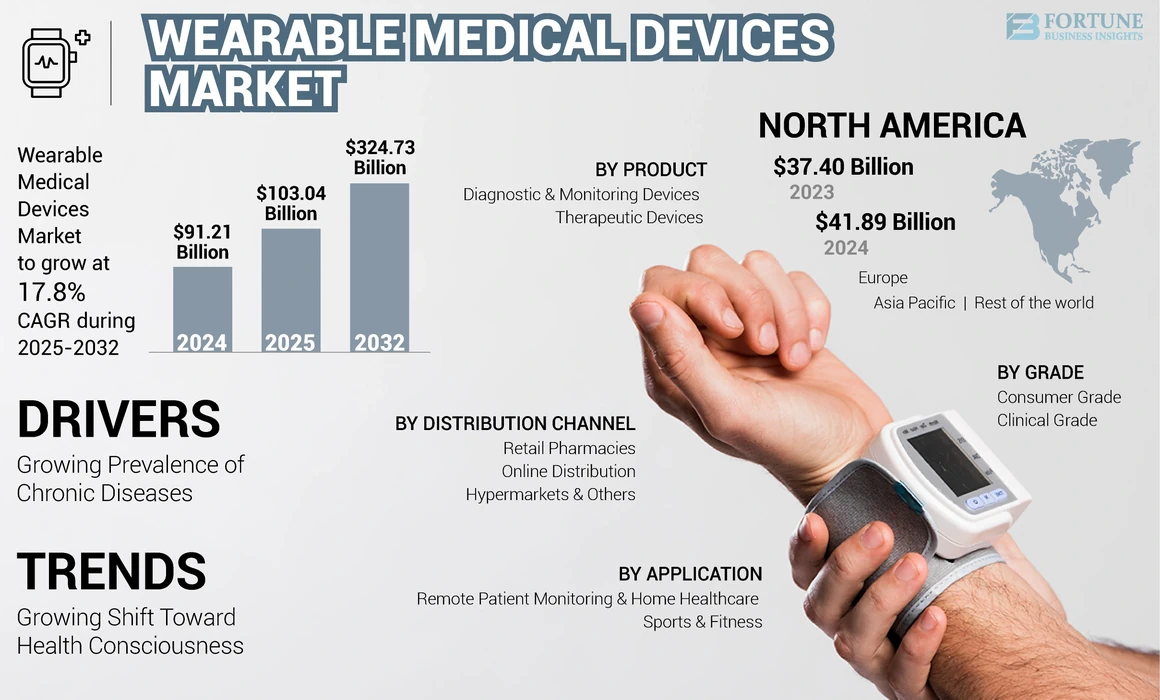
Over 1 billion people across the globe now use some form of wearable technology. This number has grown steadily each year due to advancements in device features and affordability.
In 2023 alone, the market saw a 15% increase in new users, showing no signs of slowing. This growth reflects how wearables are moving beyond just fitness enthusiasts to mainstream consumers.
Demographic Breakdown
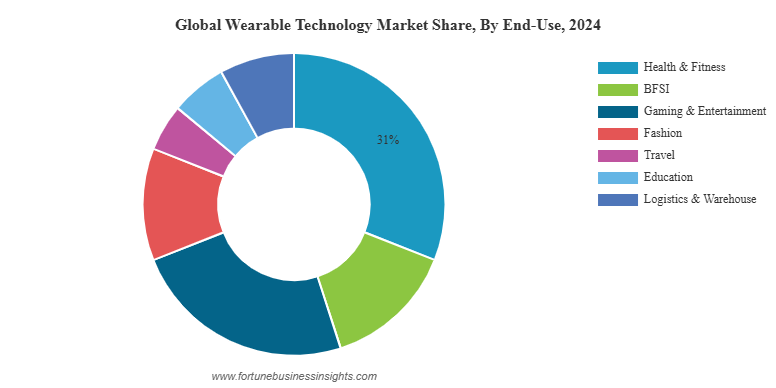
Wearable tech appeals to a wide range of ages, but the largest group of users falls between 25 and 44 years old. These users often balance work, health, and social life, finding wearables helpful in managing all three.
Interestingly, younger users, especially those under 25, tend to favor smartwatches for their connectivity and style, while older users focus more on health monitoring features.
Gender-wise, usage is fairly balanced, but certain devices like fitness trackers see a slightly higher adoption among women, possibly due to their focus on health and wellness.
Popular Device Types
- Smartwatches:The most common wearable, offering notifications, apps, and fitness tracking.
- Fitness Trackers:Focused primarily on activity and health metrics such as steps, heart rate, and sleep quality.
- Smart Glasses and VR Headsets:Emerging markets that appeal to tech enthusiasts and professionals.
- Wearable ECG Monitors:Gaining attention among users with specific health concerns.
If you haven’t tried a smartwatch or fitness tracker yet, consider what features fit your lifestyle best. Would you use a device to track your workouts, or do you want quick access to notifications on your wrist? Your daily habits can guide the right choice.
Credit: www.fortunebusinessinsights.com
Growth Patterns Over Time
Wearable technology has transformed from a niche gadget into a mainstream tool for health, fitness, and connectivity. Tracking how many people use these devices over time reveals clear growth trends and helps predict future adoption. Understanding these patterns can guide your decisions if you’re considering joining the wearable wave.
Yearly Adoption Rates
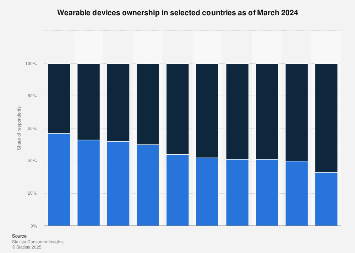
Every year, more people start using wearable devices. In 2015, only about 9% of adults owned a wearable, but by 2023, that number jumped to nearly 30%. This steady rise shows how wearables are becoming part of everyday life rather than just a tech novelty.
What drives you to try a new gadget? For many, seeing friends or family use fitness trackers sparks interest. Early years had slow growth, but once features like heart rate monitoring and GPS became common, adoption rates quickly increased.
Impact Of New Technologies
New features directly influence how many people buy wearables. When smartwatches added ECG and blood oxygen sensors, many users found more value beyond just counting steps. These innovations make devices more useful for health monitoring and motivate users to stay engaged.
Think about your own experience: did a specific feature push you to get or keep using a wearable? Technology that solves real problems or improves daily routines tends to boost user numbers significantly.
Regional Growth Differences
Wearable adoption varies widely across regions. North America and parts of Europe show higher usage rates, often due to better access to technology and higher disposable incomes. Meanwhile, regions in Asia and Africa are catching up fast as prices drop and smartphones become more common.
Understanding where wearables grow fastest can help you spot new trends or opportunities. Are you in an area where wearables are just starting to gain popularity? That might be the perfect time to explore how these devices can benefit you.
Factors Driving Adoption
Several key factors push more people to use wearable technology every day. These devices fit into lifestyles, health goals, and tech habits. Understanding these reasons helps explain the steady rise in users worldwide.
Health And Fitness Trends
Many users adopt wearables to track health and fitness. Devices monitor steps, heart rate, and sleep patterns. This data helps users stay active and improve wellbeing. Fitness challenges and apps motivate consistent use. Tracking progress leads to better health choices.
Technological Advancements
Wearables now offer advanced features at lower costs. Sensors are more accurate and batteries last longer. Integration with smartphones and apps creates seamless experiences. Voice commands and touchscreen displays improve usability. These upgrades attract tech enthusiasts and casual users alike.
Consumer Preferences
People seek convenience and personalization in their devices. Wearables provide real-time data with minimal effort. Stylish designs and customizable options increase appeal. Users want devices that match their daily routines. Simple setup and ease of use boost adoption rates.
Credit: www.statista.com
Usage Habits And Preferences
Wearable technology has grown popular among many users worldwide. Understanding how people use these devices reveals important trends. Usage habits and preferences show what features attract users and how often they wear their gadgets. This insight helps designers create better products and improves user experience.
Daily Wear Patterns
Most users wear their devices throughout the day. Many put them on in the morning and remove them at night. Some wear wearables only during exercise or specific activities. Comfort and battery life affect how long people keep devices on. Wristbands and smartwatches are the most common types worn daily.
Feature Usage
Health tracking is the top feature for most users. Steps counted, heart rate, and sleep tracking are popular functions. Notifications for calls and messages come next in usage. Many users value GPS for outdoor activities. Music control and payment options have growing appeal. Users often customize features to fit their lifestyle.
User Engagement Levels
Engagement varies from casual to daily active use. Some users check their devices multiple times an hour. Others only glance at data once or twice a day. Motivation to stay healthy increases engagement for many. Gamified challenges and social sharing boost interaction. Regular updates and new features keep users interested over time.
Challenges And Barriers
Wearable technology offers many benefits but also faces challenges that slow its growth. These challenges affect how many people use these devices daily. Understanding these barriers helps explain why adoption rates vary worldwide.
Privacy Concerns
Many users worry about their personal data security. Wearables collect sensitive health and location information. This data can be vulnerable to hacking or misuse. Users fear companies might sell their information without consent. Such concerns make some people hesitant to use wearables.
Cost And Accessibility
Wearable devices can be expensive. High prices limit access for many potential users. Not all people can afford smartwatches or fitness trackers. Also, some devices require smartphones or internet access to work. This need creates extra barriers in less connected areas.
Device Limitations
Wearables often have short battery life. Users must charge devices frequently, which can be inconvenient. Some devices lack accuracy in tracking health data. Limited features may discourage long-term use. Small screens and simple controls restrict user experience.
Future Wearable Trends
The future of wearable technology is full of exciting possibilities that could change how you track your health, stay connected, and interact with the world. As devices become smarter and more integrated, you might find yourself using wearables in ways you never imagined. What new features or gadgets will become part of your daily routine?
Emerging Technologies
Wearables are moving beyond simple fitness tracking. Sensors that monitor blood sugar levels, hydration, and even stress are becoming more common. Imagine a watch that alerts you before you get sick or glasses that provide real-time language translation.
Flexible, skin-like electronics are also gaining traction. These can be worn almost invisibly, making it easier for you to collect health data without discomfort. Such advancements could make wearables feel more natural and less intrusive in your life.
Market Predictions
The wearable market is expected to grow significantly over the next few years. Analysts predict a surge in sales, especially in smartwatches and health-focused devices. This growth means you’ll likely see more affordable options with better features hitting the shelves.
Brands are also partnering with healthcare providers to integrate wearables into medical care. Could your next doctor visit include data from your wearable? This trend suggests wearables might play a key role in personalized medicine soon.
Potential New User Segments
Wearable technology is no longer just for fitness enthusiasts or tech lovers. Older adults are starting to use devices to monitor heart health and fall detection. This shift means more people will benefit from wearables, not just the young and active.
Kids and teenagers may also become a bigger part of the wearable market. Parents increasingly want tools to keep their children safe and monitor their activity. How would you feel about your family using wearables to stay connected and healthy?
Frequently Asked Questions
How Many People Use Wearable Technology Worldwide?
Over 1 billion people worldwide use wearable technology. This number continues to grow yearly, driven by fitness trackers, smartwatches, and health monitoring devices.
Which Age Group Uses Wearable Devices The Most?
Adults aged 18-34 are the largest users of wearable devices. They prefer smartwatches and fitness trackers for health and convenience.
What Are The Most Popular Wearable Devices Today?
Smartwatches, fitness bands, and health monitors top the list. Brands like Apple, Fitbit, and Garmin dominate the market.
How Has Wearable Technology Usage Changed Recently?
Wearable technology usage has surged due to health awareness and remote monitoring needs. The COVID-19 pandemic accelerated adoption globally.
Conclusion
Wearable technology has gained huge popularity worldwide. Millions of people use devices daily for health, fitness, and convenience. These gadgets help track activity, monitor heart rate, and stay connected. As technology improves, more users join this trend. The growth shows wearables are becoming part of everyday life.
This rise reflects changing habits and interests in tech. Expect usage numbers to keep climbing in the near future. Wearable devices are here to stay and evolve with us.
Leave a Reply