Have you ever wondered what happens to old phones, computers, or other electronic devices once you toss them out? Recycling electronic components isn’t just about clearing space—it can actually make a big difference for you and the planet.
By understanding the benefits of recycling these parts, you’ll see how your small actions can save resources, reduce pollution, and even protect your health. Keep reading to discover why recycling electronics is one of the smartest choices you can make today.
Credit: giveitgetit.org
Environmental Impact
The environmental impact of recycling electronic components goes far beyond just clearing space in landfills. It actively helps protect our planet by addressing the hidden dangers and resource demands of discarded electronics. Understanding this impact can motivate you to take action and make smarter choices with your old devices.
Reducing E-waste
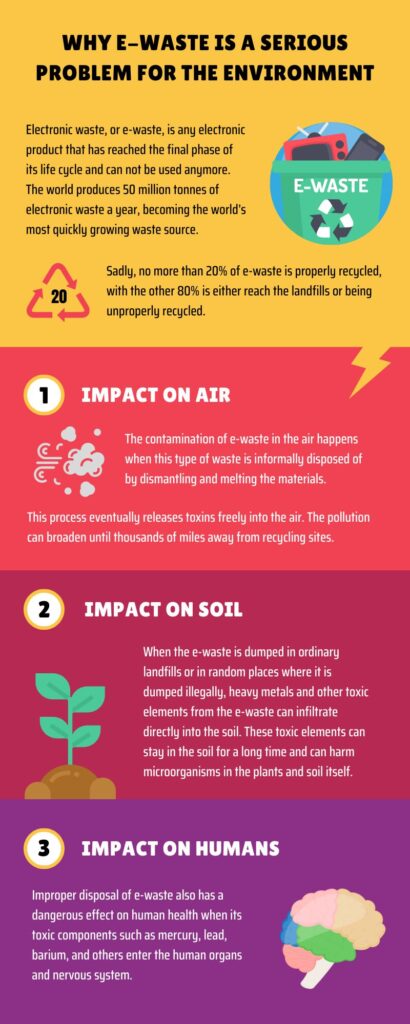
E-waste is one of the fastest-growing waste streams worldwide. When you recycle electronic parts, you prevent hazardous materials like lead, mercury, and cadmium from polluting soil and water.
Recycling stops these toxins from seeping into the environment, which can harm wildlife and human health. Imagine how much safer your neighborhood becomes when fewer electronics end up in dumps or are burned illegally.
Conserving Natural Resources
Electronic devices contain valuable metals like gold, silver, and copper. Recycling recovers these materials, reducing the need to mine new raw resources.
Mining is energy-intensive and damages ecosystems. By recycling, you help save forests, rivers, and wildlife habitats, while also lowering the energy used in manufacturing new components.
Lowering Pollution Levels
Manufacturing new electronics generates a lot of air and water pollution. Recycling uses less energy and produces fewer emissions compared to making parts from scratch.
Think about the cleaner air you breathe when fewer factories release harmful gases. Your choice to recycle directly supports healthier communities and a cleaner planet.
Economic Benefits
Recycling electronic components offers significant economic benefits that impact both individuals and entire industries. It creates new opportunities for employment, lowers production expenses, and encourages fresh ideas in technology. Understanding these benefits can help you see why recycling electronics is not just good for the planet but also smart for your wallet and the economy.
Creating Jobs
Recycling electronics generates jobs in collection, sorting, dismantling, and refurbishing. These roles often require technical skills, which can lead to better wages and career growth. When you recycle your old devices, you’re supporting a workforce that depends on these materials.
Communities with strong recycling programs see more steady employment compared to those that rely on disposable products. Have you ever thought about how your old smartphone might help someone else earn a living?
Reducing Manufacturing Costs
Using recycled electronic components cuts down the need for raw materials like metals and plastics. This reduces the energy and expenses involved in mining and processing new materials.
Manufacturers can pass these savings on to consumers, making electronics more affordable. When you recycle, you help lower the overall cost of producing new gadgets.
Stimulating Innovation
Recycling pushes companies to develop better ways to reuse materials and improve product design. This leads to innovations such as modular electronics that are easier to repair and recycle.
By supporting recycling, you encourage inventors and engineers to create smarter, more sustainable technology. How might your choices influence the future of electronic design?
Energy Conservation
Energy conservation plays a key role in recycling electronic components. It helps reduce the power needed to produce new parts. Saving energy also lowers harmful emissions and protects natural resources. Recycling supports a cleaner environment and reduces the strain on power plants.
Decreasing Energy Consumption
Recycling electronic parts uses much less energy than making new ones. Extracting metals from recycled components needs less heat and processing. This reduces electricity use and fossil fuel burning. Less energy means fewer greenhouse gases released into the air.
Efficiency In Resource Use
Using recycled materials improves resource efficiency. It avoids mining new metals, which is energy-intensive. Recycling recovers valuable elements like copper, gold, and aluminum. These materials can be reused many times, saving energy in each cycle.
Energy saved through recycling helps lower production costs. It also reduces the need for raw material transport, cutting fuel use. Overall, recycling electronic components conserves energy and supports sustainable manufacturing.
Social Advantages
Recycling electronic components offers a range of social benefits that directly impact communities and individuals. These advantages go beyond environmental gains and touch on improving health, education, and awareness. Understanding these social aspects can motivate you to participate actively in electronic recycling efforts.
Promoting Public Health
Electronic waste contains harmful substances like lead, mercury, and cadmium. When improperly disposed of, these toxins can seep into soil and water, posing serious health risks to people nearby.
By recycling electronics responsibly, you help prevent the release of these dangerous chemicals. This reduces the chances of illnesses related to exposure, especially in vulnerable populations such as children and the elderly.
Have you ever considered how your old gadgets might affect the health of your neighbors if thrown away carelessly? Taking part in recycling helps protect your community’s well-being.
Raising Awareness And Education
Recycling programs often include educational campaigns that teach people about the value of electronic waste management. These initiatives help you understand why recycling matters and how it can benefit society.
Participating in these programs can inspire you to share knowledge with family and friends, creating a ripple effect. This builds a more informed community that supports sustainable habits.
Imagine if everyone in your area knew exactly how to recycle electronics safely. Wouldn’t that create a stronger, healthier environment for all?
Legal And Compliance Factors
Legal and compliance factors play a key role in recycling electronic components. Companies must follow strict laws to handle e-waste safely. These rules help protect the environment and human health.
Failing to meet legal requirements can cause serious problems. Businesses must stay informed about changing regulations. Proper recycling shows responsibility and builds trust with customers and partners.
Adhering To Regulations
Many countries have laws controlling electronic waste disposal. These laws require companies to recycle components properly. Following these rules prevents harmful substances from polluting land and water.
Recycling programs often include documentation and reporting steps. Companies need to keep records of how they recycle materials. This transparency helps prove compliance during inspections or audits.
Avoiding Fines And Penalties
Ignoring recycling laws can lead to heavy fines and legal action. Penalties may include large monetary charges or business restrictions. These consequences affect a company’s reputation and finances.
By recycling electronics correctly, businesses reduce the risk of fines. Staying compliant shows respect for the law and community. It also supports a cleaner and safer environment for everyone.

Credit: ecircular.com
Technological Advancements
Technological advancements benefit greatly from recycling electronic components. Recycling recovers valuable materials that fuel innovation and reduce resource scarcity. It supports the creation of efficient, eco-friendly technology that meets modern needs. Sustainable tech development depends on access to recycled parts and raw materials.
Facilitating New Technologies
Recycled electronic components provide essential materials for new devices. These materials include metals like gold, silver, and copper. Using recycled metals lowers production costs and energy use. It allows manufacturers to develop affordable and efficient products. Recycling helps keep up with the fast pace of tech progress.
Encouraging Sustainable Design
Recycling inspires designers to create products with reuse in mind. Engineers focus on easy disassembly and material recovery. This approach reduces waste and supports circular use of resources. Sustainable design leads to longer-lasting, repairable electronics. It also reduces the environmental impact of discarded devices.

Credit: metrogreen.net
Frequently Asked Questions
What Are The Environmental Benefits Of Recycling Electronic Components?
Recycling electronic components reduces toxic waste in landfills. It conserves natural resources and lowers pollution. This process helps protect ecosystems and reduces greenhouse gas emissions, promoting a healthier planet.
How Does Recycling Electronics Save Energy?
Recycling uses less energy than manufacturing new components. It reduces the need for mining raw materials. This energy saving lowers carbon footprints and supports sustainable production practices.
Can Recycling Electronic Components Recover Valuable Materials?
Yes, recycling recovers precious metals like gold, silver, and copper. These materials can be reused in new products. This reduces mining demand and supports resource conservation.
Does Recycling Electronics Reduce Landfill Waste?
Recycling electronics diverts harmful waste from landfills. It prevents soil and water contamination from toxic substances. This helps maintain cleaner and safer environments.
Conclusion
Recycling electronic parts saves valuable resources and reduces waste. It helps protect the environment from harmful chemicals. Recycling also lowers the need for new mining activities. This process supports energy savings and cuts pollution. Many communities benefit from cleaner air and water.
Recycling creates jobs and supports the economy. It encourages responsible habits and awareness. Small actions, like recycling old gadgets, make a big difference. Everyone can join in to help the planet. Choosing to recycle is a smart and simple step.
Leave a Reply