If you have a drip sewer system on your property, you know how important it is to keep it working smoothly. But what exactly does maintenance for a drip sewer system involve?
You might be wondering how to spot problems early or what simple steps you can take to avoid costly repairs. You’ll discover the key tasks that will keep your system running efficiently. By understanding what’s involved, you’ll save time, money, and stress.
Keep reading to learn how to protect your investment and ensure your drip sewer system stays trouble-free.
Drip Sewer System Basics
Understanding the basics of a drip sewer system is essential if you’re considering installing one or are tasked with its upkeep. These systems are an innovative way to manage wastewater, ensuring efficient and environmentally friendly disposal. But what exactly does a drip sewer system entail, and how does it function?
How It Works
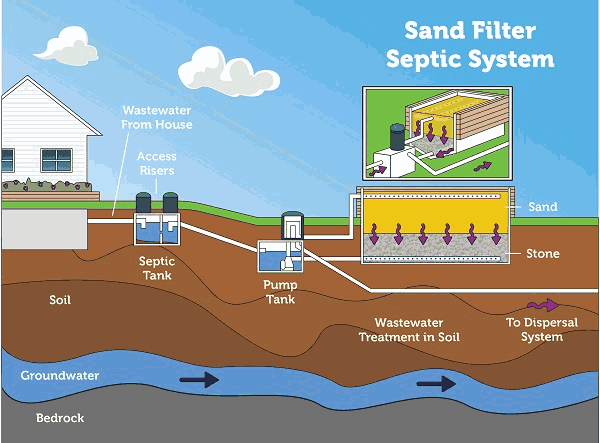
A drip sewer system operates by dispersing treated wastewater through a network of tubing at a controlled rate. This method allows the soil to absorb water gradually, reducing the risk of surface runoff and contamination. The system mimics natural irrigation, promoting healthier soil and plant growth.
Imagine your garden receiving a gentle, consistent watering, just like how these systems nurture your landscape. This approach ensures that the wastewater is evenly distributed, optimizing the treatment process and safeguarding groundwater quality.
Key Components
The efficiency of a drip sewer system relies heavily on its key components. These include:
- Pumps:Essential for moving the treated wastewater through the system.
- Filters:Prevent debris from clogging the tubing, ensuring smooth operation.
- Distribution Lines:Tubing networks that disperse water throughout the designated area.
- Control Valves:Regulate the flow and pressure of the water, enhancing precision.
Each component plays a vital role, and regular maintenance can prolong their lifespan. Ever wondered why some systems fail prematurely? Often, it’s due to neglecting these crucial parts.
By understanding these basics, you’re better equipped to maintain a drip sewer system effectively. Are you ready to take on the challenge of keeping your system in top shape?
Common Maintenance Tasks
Maintenance of a drip sewer system involves regular care to keep it working well. Common tasks help avoid blockages and costly repairs. These tasks focus on checking, cleaning, and fixing small problems early. A routine schedule ensures the system lasts longer and functions smoothly.
Regular Inspection
Inspect the system often to spot issues early. Look for signs of clogging or damage in pipes. Check the soil around the system for wet spots or unusual smells. Use a flashlight to see inside inspection ports. Regular checks catch small problems before they grow.
Cleaning Procedures
Clean the drip lines and filters to prevent blockages. Remove debris and buildup that reduce flow. Flush the system with clean water to clear sediments. Replace filters if they look dirty or worn out. Keeping parts clean helps maintain steady wastewater flow.
Checking For Leaks
Leaks waste water and can harm the environment. Watch for damp areas near drip lines or tank. Use a pressure test to find hidden leaks in pipes. Repair leaks quickly to prevent soil erosion or damage. Timely leak detection saves money and protects the system.
Preventing Blockages
Preventing blockages is a key part of maintaining your drip sewer system. Blockages can cause backups, slow drainage, and costly repairs. Taking simple steps can keep your system flowing smoothly and save you from unexpected headaches.
Proper Waste Disposal
You control what goes down your drains, so proper waste disposal is your first defense. Avoid flushing anything other than human waste and toilet paper. Items like wipes, feminine products, and paper towels often cause clogs.
Think about what you pour down the sink too. Coffee grounds, eggshells, and large food scraps should never enter your drain. These materials can collect and create stubborn blockages inside the pipes.
Managing Grease And Debris
Grease is a silent enemy of drip sewer systems. When hot grease cools, it solidifies and sticks to pipe walls, narrowing the flow path. This buildup can eventually block the system completely.
To manage grease, scrape pans and dishes before washing. Use a container to collect cooking oil and dispose of it in the trash. Additionally, install grease traps if your system handles kitchen wastewater frequently.
Have you checked your drains lately for slow flow or unusual smells? These signs often signal early blockage. Regular inspections and mindful waste habits keep your system healthy and functional.
Credit: www.happycampers.store
Seasonal Care Tips
Seasonal care is crucial for keeping a drip sewer system working well throughout the year. Different weather conditions affect the system in unique ways. Proper preparation helps avoid damage and costly repairs. Follow these simple tips to protect your system during changing seasons.
Winterizing The System
Cold weather can cause pipes to freeze and crack. Drain all water from the system before temperatures drop. Use air compressors to blow out water from drip lines and tanks. Check all valves and seals for tightness to prevent leaks. Insulate exposed pipes with foam sleeves or heat tape. Keep an eye on the system during cold snaps to catch problems early.
Handling Rainy Season Challenges
Heavy rain can flood the drip field and overload the system. Clear leaves and debris from filters and drains to maintain flow. Inspect the drip lines for clogs or damage caused by water pressure. Ensure the soil around the system drains well to avoid pooling. Adjust system settings if needed to manage increased water flow. Regular checks during rainy months prevent blockages and backups.
Signs Of System Problems
Recognizing the early signs of problems in your drip sewer system can save you from costly repairs and unpleasant surprises. These warning signals often appear subtly but become harder to ignore as the system’s condition worsens. Paying attention to these signs helps you act quickly and maintain a smoothly running system.
Unusual Odors
If you notice strange or foul smells around your property, it might be a sign that your drip sewer system is not working properly.
Leaks or blockages can cause sewage gases to escape, creating unpleasant odors near your home or yard.
Have you ever walked outside and suddenly caught a strong, unpleasant smell? That’s your system’s way of telling you something isn’t right.
Slow Drainage
Slow draining sinks, showers, or toilets often indicate a blockage or malfunction within your sewer system.
This can happen when solids build up in the drip lines or when the soil around the system becomes saturated and prevents proper absorption.
Think about how often you’ve had to wait longer than usual for water to drain—this delay signals the need for inspection or maintenance.
Pooling Water
Water collecting on the surface near your drip sewer system is a red flag that the system isn’t dispersing wastewater correctly.
This pooling can mean the drip lines are clogged or damaged, causing liquid to back up and saturate the soil above.
Have you spotted puddles in unexpected places near your drainage area? Ignoring them could lead to soil erosion or even system failure.
Credit: drseptictank.com
When To Call A Professional
Knowing when to call a professional for your drip sewer system is vital. Some issues require expert skills to avoid costly damage. Timely professional help can keep the system working efficiently. It also ensures safety and compliance with local codes.
Major Repairs
Major repairs need skilled attention beyond routine checks. Problems like leaking pipes, clogged emitters, or broken filters often require special tools. Professionals can diagnose hidden issues using cameras or pressure tests. Ignoring major faults can cause system failure and health hazards. Prompt professional repair extends the system’s life and performance.
System Upgrades
System upgrades improve efficiency and meet changing needs. Upgrading components like pumps, control panels, or distribution lines enhances reliability. Professionals know the latest technology and local regulations. They help choose the best parts and install them correctly. Regular upgrades prevent breakdowns and reduce maintenance costs over time.
Extending System Lifespan
Extending the lifespan of your drip sewer system means more than just fixing problems as they arise. It requires a proactive approach that keeps the system running smoothly and prevents costly repairs. By understanding what maintenance tasks are critical and choosing the right materials, you can avoid unexpected failures and get the most out of your investment.
Routine Maintenance Schedule
Creating and sticking to a routine maintenance schedule is key to keeping your drip sewer system healthy. Regular inspections help you spot issues like clogs or leaks before they become serious. For example, checking the drip lines every three months can save you from major blockages that halt the system.
Maintenance should include:
- Flushing the system to clear buildup
- Checking for damaged or broken pipes
- Monitoring the pump and filter performance
Ask yourself, how often are you currently checking your system? Small, consistent actions can prevent large, costly problems later.
Using Quality Materials
The materials you use play a big role in how long your drip sewer system lasts. Cheap pipes and fittings may save money upfront but often lead to frequent leaks and replacements. Investing in durable, corrosion-resistant materials can reduce maintenance needs and extend system life.
Look for materials like:
- High-density polyethylene (HDPE) pipes
- UV-resistant drip tubing
- Heavy-duty connectors and seals
From personal experience, switching to quality materials cut my maintenance visits in half. What materials are you relying on right now, and could upgrading them save you headaches down the road?
Credit: info.waxie.com
Frequently Asked Questions
What Regular Tasks Maintain A Drip Sewer System?
Regular tasks include inspecting drip emitters, clearing blockages, and checking pump functionality. Routine cleaning prevents clogs and system failure.
How Often Should Drip Sewer Systems Be Inspected?
Inspect drip sewer systems every 3 to 6 months. Frequent checks help detect leaks and ensure proper wastewater flow.
What Signs Indicate Drip Sewer System Problems?
Signs include slow drainage, foul odors, and wet spots near emitters. Early detection prevents costly repairs and environmental damage.
Can Homeowners Perform Drip Sewer System Maintenance?
Homeowners can handle basic cleaning and visual inspections. However, professional servicing ensures thorough maintenance and system longevity.
Conclusion
Maintaining a drip sewer system keeps it working well for years. Regular checks prevent blockages and leaks. Cleaning filters and pipes helps avoid costly repairs. Watching for signs of damage saves time and money. Simple care makes the system last longer and work better.
Stay on top of maintenance to protect your home and environment. Small efforts now prevent big problems later. Trust the process, and your system will run smoothly.
Leave a Reply