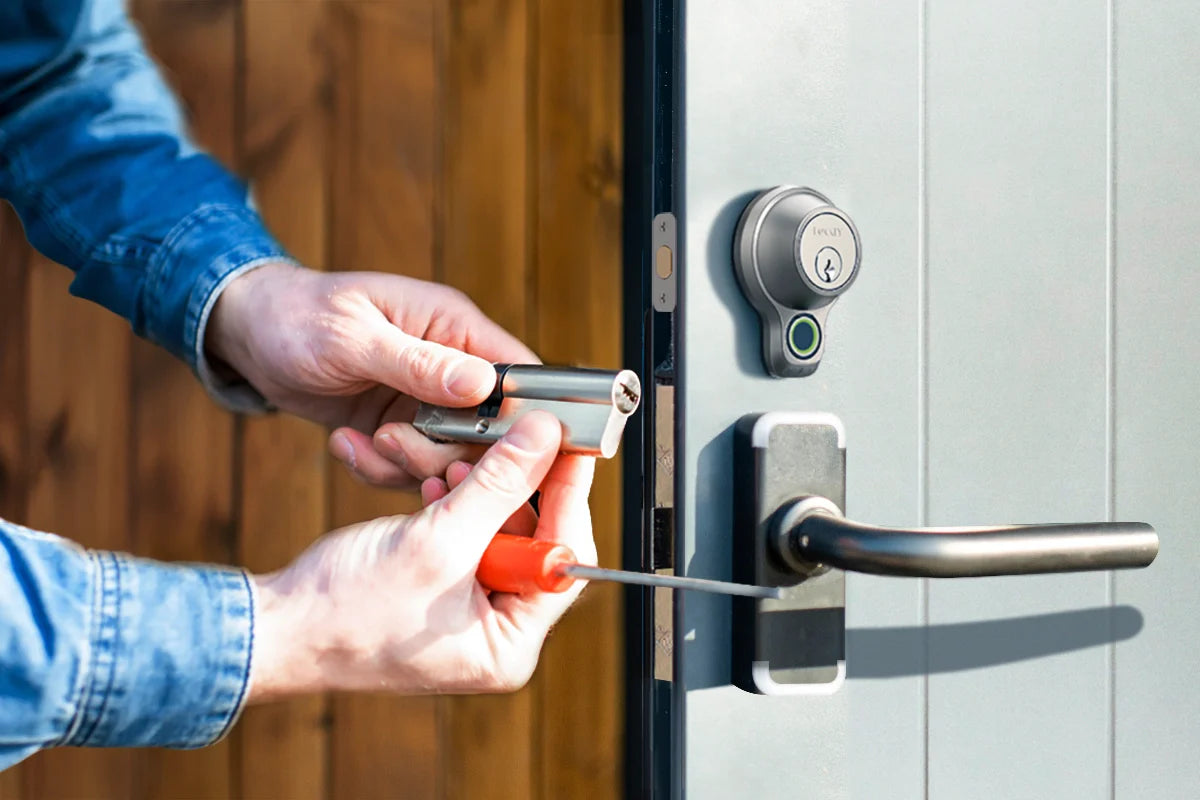
Ever wondered how electronic home door bolt mechanisms keep your home secure? You’re not alone.
As technology advances, more homeowners like you are opting for these smart solutions. Imagine entering your home without fumbling for keys or worrying about lost keys falling into the wrong hands. These modern marvels offer convenience and peace of mind.
But how do they actually work? Understanding the ins and outs of electronic door bolts can empower you to make informed decisions about your home’s security. Get ready to unlock the secrets behind these innovative devices and discover how they can enhance your daily life. Keep reading to unveil the fascinating world of electronic door security.

Credit: sixcolors.com
Basic Components
Understanding the basic components of electronic home door bolt mechanisms can help you appreciate how these devices keep your home safe. Each part plays a key role in ensuring the lock functions smoothly and reliably. Let’s break down the essentials that make these systems work.
Bolt Mechanism Types
The bolt is the physical part that secures your door. Common types include:
- Deadbolt:A solid metal piece that slides into the door frame, offering strong resistance against forced entry.
- Spring Bolt:Uses a spring to hold the bolt in place, allowing it to retract easily when unlocked but not as secure as a deadbolt.
- Latch Bolt:Often found on interior doors, it’s easy to operate but less secure than deadbolts.
Knowing which bolt type your electronic lock uses helps you understand the level of security you get.
Electronic Actuators
Electronic actuators are the heart of the system. They convert electrical signals into mechanical movement to extend or retract the bolt.
Common actuator types include:
- Solenoids:Use electromagnetic force to move the bolt quickly. They’re fast but can consume more power.
- Motors:Use gears to turn and move the bolt more smoothly and quietly, often found in higher-end models.
Have you ever wondered how a simple push of a button can lock your door? That’s the actuator in action, responding instantly to your command.
Power Sources
Without power, electronic bolts can’t function. Most systems rely on:
- Batteries:Usually AA or rechargeable lithium-ion batteries, providing portability and ease of installation.
- Wired Power:Connected directly to your home’s electrical system for constant power supply.
- Hybrid Systems:Combine both battery and wired power to ensure operation during outages.
Choosing the right power source affects both reliability and maintenance. How often do you check your lock’s battery? It might be time to start.
Credit: www.vevor.ca
Locking And Unlocking Process
The locking and unlocking process of electronic home door bolt mechanisms is a precise dance of technology and mechanics. Each action you take—whether pressing a button or using a code—triggers a series of events that work together seamlessly. Understanding how this process happens can help you appreciate the security and convenience these systems provide.
Signal Transmission
It all starts with the signal. When you press a button on a remote or enter a code on a keypad, your device sends an electronic signal to the lock.
This signal travels wirelessly or through a wired connection, depending on the system type. The lock’s receiver interprets the signal as a command to either lock or unlock the door.
Have you noticed how instant this feels? That’s because the signal transmission is designed to be fast and reliable, minimizing any delay in response.
Motor Activation
Once the lock receives the command, it activates a small electric motor inside the mechanism. This motor is the heart of the locking system.
The motor’s job is to convert electrical energy into mechanical movement. It spins or moves in a way that engages the internal parts responsible for the bolt’s motion.
Think about the last time you heard a soft whirring sound when locking your door electronically—that’s the motor doing its work.
Bolt Movement
The motor’s movement directly affects the bolt, which slides into or out of the door frame.
When locking, the bolt extends into place, securing the door firmly. When unlocking, it retracts, allowing the door to open freely.
This precise bolt movement is critical. It ensures your door is properly secured without jamming or sticking, giving you peace of mind every time you leave your home.
Control Methods
Electronic home door bolts use different control methods to secure your door. These methods let you lock or unlock the door without a traditional key. Each control type offers unique benefits for ease and safety. Understanding these options helps you pick the right one for your home.
Keypads And Codes
Keypads let you enter a numeric code to operate the door bolt. You set a personal code, which you type on the pad to unlock the door. This method is simple and avoids carrying keys. You can change the code anytime for better security. Some keypads have backlight for use at night.
Remote Controls
Remote controls use a small device to lock or unlock the door from a distance. They communicate with the door bolt using radio signals. This method is fast and convenient, especially when your hands are full. Some remotes offer a range of up to several meters. They usually come with the bolt or can be bought separately.
Smartphone Apps
Smartphone apps connect to the door bolt via Wi-Fi or Bluetooth. You control the lock using the app on your phone. This method offers remote access from anywhere in the world. You can also monitor who enters or leaves your home. Apps often allow temporary codes for guests or workers.
Biometric Access
Biometric access uses unique body features like fingerprints or facial recognition. You scan your fingerprint or face to unlock the door. This method provides high security and convenience. It removes the need to remember codes or carry remotes. Some systems store multiple users’ biometric data for family access.
Security Features
Electronic home door bolts include strong security features. These features protect your home and give peace of mind. They prevent break-ins and unauthorized access. The technology inside these bolts works carefully to keep your door secure.
Tamper Detection
Tamper detection senses when someone tries to break or force the lock. Sensors inside the bolt detect unusual pressure or movement. The system alerts the homeowner through a smartphone or alarm. This quick warning helps stop theft or damage early.
Auto Locking
Auto locking means the door locks itself after closing. This feature removes the risk of forgetting to lock the door. It activates after a few seconds, securing your home automatically. Some models let you set the delay time for locking.
Encryption Standards
Encryption protects the communication between your lock and devices. It scrambles data so hackers cannot read it. Strong encryption standards keep your access codes safe. This ensures only authorized users can unlock the door using apps or keypads.
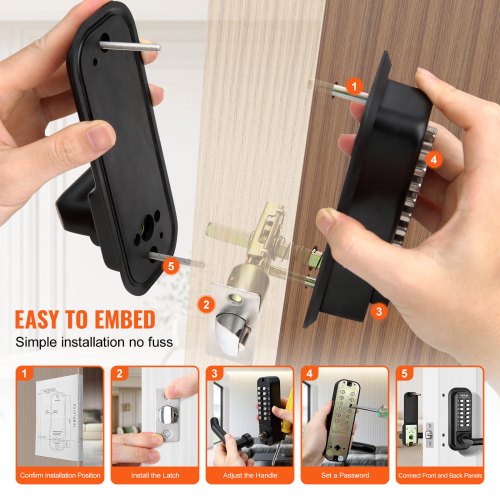
Installation And Compatibility
Installing an electronic home door bolt requires understanding its compatibility with your door. This ensures the lock works properly and provides security. Some bolts fit specific door types better than others. Power sources and wiring must also match the device’s design. Proper setup avoids malfunctions and keeps your home safe.
Door Types Supported
Electronic door bolts fit various door materials and styles. Common supported doors include:
- Wooden doors
- Metal doors
- Glass doors with metal frames
- Composite doors
Check the bolt’s size and mounting options before purchase. Some models require a flat surface, while others work with curved or thick doors. Verify that your door’s thickness matches the lock’s specifications.
Power Requirements
Electronic door bolts need power to operate locking and unlocking. Most use low-voltage DC power, often from batteries or an adapter. Battery-powered bolts offer easy installation but require regular battery changes.
Wired models connect to your home’s electrical system. They provide constant power but need professional installation. Always confirm the voltage and power source recommended by the manufacturer.
Wiring And Setup
Wiring depends on the bolt type and power source. Battery-operated bolts need no wires but have backup options for power loss. Wired bolts require connecting to the home’s electrical circuit and control panel.
Follow manufacturer instructions carefully for wiring. Incorrect setup can cause lock failure or electrical hazards. Test the lock after installation to ensure smooth operation. Some bolts offer wireless setup through apps or remote controls.
Maintenance Tips
Keeping your electronic home door bolt mechanism in top shape ensures both security and convenience. Regular maintenance helps you avoid unexpected lockouts and extends the life of your device. Let’s look at some essential tips to keep your system running smoothly.
Battery Replacement
Battery life is critical for electronic door bolts. Most systems alert you with a low battery warning, but don’t wait for this to act. Check your battery status monthly and replace batteries before they die completely.
Use high-quality batteries recommended by the manufacturer. Avoid mixing old and new batteries, as this can cause malfunctions. If your bolt feels sluggish or unresponsive, a fresh set of batteries is often the simplest fix.
Software Updates
Your door bolt’s software controls its smart features and security protocols. Manufacturers often release updates to improve functionality and patch security holes.
Check the app or device settings regularly for available updates. Installing updates promptly keeps your lock protected against new threats and can add useful features you didn’t have before. Have you ever ignored an update and then faced a security glitch? Staying current is key.
Troubleshooting Common Issues
Sometimes your door bolt may not work as expected. Common problems include the lock failing to engage, slow response times, or connectivity issues.
- First, verify the battery level and replace if needed.
- Restart the lock or app to reset the system.
- Ensure your phone or control device is within range and connected.
If problems persist, consult the user manual or manufacturer’s support. Don’t let minor issues turn into major headaches—address them early to keep your home secure and your peace of mind intact.
Advantages Over Traditional Locks
Electronic home door bolt mechanisms offer several clear advantages over traditional locks. These benefits improve everyday life by combining technology with security. They make homes safer and easier to manage without the usual complications of old-style locks. Understanding these advantages helps homeowners see why electronic bolts are becoming popular.
Convenience
Electronic door bolts allow easy locking and unlocking with a simple touch or code. No need to carry physical keys that can be lost or forgotten. Some models use fingerprint or smartphone apps for entry, saving time. This convenience suits busy lifestyles and reduces stress.
Enhanced Security
These locks provide stronger protection than standard mechanical locks. They often include alarms or alert systems for unauthorized access attempts. Some models offer auto-locking features that engage after a set time. This reduces the risk of leaving doors unlocked by mistake.
Remote Access Benefits
Remote access lets users control their door bolts from anywhere using a smartphone. This is useful for letting guests or workers in without being home. Remote monitoring also shows who enters and exits, adding a layer of security. This feature brings peace of mind for homeowners on the go.

Credit: fpc-security.com
Future Trends
The future of electronic home door bolt mechanisms is shaping up to be more connected, intelligent, and energy-conscious. These advances will not only boost your home’s security but also make daily life more convenient and efficient. Let’s look at what’s coming next and how it might change the way you protect your home.
Integration With Smart Homes
Electronic door bolts are becoming central parts of smart home systems. You will soon be able to control your door bolt alongside your lights, thermostat, and security cameras from a single app. Imagine unlocking your door remotely to let in a delivery, or setting it to lock automatically when you leave the house.
This integration also means you can receive instant alerts if someone tries to tamper with your door. The convenience of managing everything from your smartphone enhances both security and peace of mind. How much easier would your daily routine be if your door lock worked seamlessly with other smart devices?
Ai And Machine Learning
AI is starting to play a role in how door bolts operate. Future locks could learn your habits and adjust their functions accordingly—locking at specific times or recognizing familiar faces through connected cameras. This personalized security reduces the risk of human error, like forgetting to lock the door.
Machine learning can also detect unusual activity, such as repeated failed attempts to open the lock, and alert you immediately. This proactive approach to security means you get notified before a potential break-in happens. Would you trust a lock that learns and adapts to protect your home better?
Improved Energy Efficiency
Energy efficiency is becoming a top priority in all home devices, including electronic door bolts. Future models will use less power thanks to better battery technology and smarter power management. This means fewer battery changes and a more reliable lock that won’t fail when you need it most.
Some door bolts may even incorporate solar charging or connect to your home’s energy system to stay powered. This reduces waste and helps you maintain your security system without hassle. How valuable would a low-maintenance, energy-saving lock be in your daily life?
Frequently Asked Questions
How Does An Electronic Door Bolt Mechanism Work?
Electronic door bolt mechanisms use electric signals to control the bolt. When activated, a motor or solenoid moves the bolt to lock or unlock the door. This system provides secure, keyless access and can be controlled remotely or via keypads, cards, or biometric sensors.
What Powers Electronic Home Door Bolt Systems?
Most electronic door bolt systems are powered by batteries or a direct electrical connection. Battery-powered models offer easy installation but require regular battery changes. Wired systems provide continuous power but need professional installation and wiring within the home.
Are Electronic Door Bolts More Secure Than Traditional Locks?
Yes, electronic door bolts offer enhanced security by preventing forced entry with a strong bolt. They often feature tamper alarms and remote monitoring. Unlike traditional locks, they reduce risks of lost keys and can log access history for better control.
Can Electronic Door Bolts Be Integrated With Smart Home Systems?
Most electronic door bolts are compatible with smart home systems. They can connect via Wi-Fi or Bluetooth for remote control and monitoring through smartphones. Integration allows automation, voice commands, and alerts, improving convenience and home security.
Conclusion
Electronic home door bolt mechanisms offer easy and secure locking. They use simple electronic signals to move the bolt smoothly. Many models allow remote control or keypad access. This technology helps keep homes safer without complex steps. Understanding how these bolts work can guide better choices.
A reliable lock adds peace of mind every day. Choose a system that fits your needs and budget. Stay safe with smart, easy-to-use door bolts.
Leave a Reply