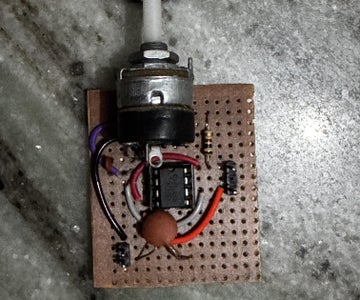
Have you ever looked at a gadget and wondered if you could create something similar? Imagine the thrill of building your own electronic devices right at home, without needing a degree in engineering or a lab full of expensive tools.
You might think it’s a daunting task, but here’s the secret: making electronic things at home can be surprisingly easy and immensely rewarding. In this guide, you’ll discover simple steps and tips that will empower you to turn your creative ideas into reality.
Whether you’re a curious beginner or someone looking to dive deeper into the world of DIY electronics, this article is your gateway to endless possibilities. Ready to unlock your potential and impress yourself with what you can create? Let’s dive in!

Credit: www.youtube.com
Basic Tools And Materials
Starting your journey to make electronic things at home is exciting, but having the right tools and materials makes all the difference. Without essential components and handy tools, even simple projects can become frustrating. Let’s break down what you need to get started effectively and safely.
Essential Electronics Components
Every project begins with the right parts. Some basics you should keep on hand include:
- Resistors:Control the flow of electricity and protect sensitive parts.
- Capacitors:Store and release electrical energy quickly.
- LEDs:Light up your projects and serve as indicators.
- Transistors:Act as switches or amplifiers.
- Wires and Breadboards:For connecting components without soldering.
When I first started, I underestimated how useful a breadboard would be. It saved me hours by allowing quick adjustments without permanent soldering.
Handy Tools For Diy Projects
Having the right tools simplifies your work and improves results. Here are some essentials:
- Soldering Iron:For joining components securely.
- Wire Strippers:To remove insulation cleanly from wires.
- Multimeter:To measure voltage, current, and resistance.
- Needle-nose Pliers:Great for bending wires and holding small parts.
- Screwdrivers:Various sizes to handle different screws.
Think about which tools you use most often. Investing in quality tools pays off when your projects start to get complex.
Safety Tips For Home Electronics
Safety must come first. Even low-voltage electronics can cause burns or damage if mishandled. Always:
- Work in a well-lit, clean area to avoid mistakes.
- Unplug your circuit before making adjustments.
- Use insulated tools to prevent accidental shocks.
- Wear safety glasses if you’re soldering or cutting wires.
- Double-check connections to avoid short circuits.
Have you ever felt unsure about handling a circuit? Taking a moment to review safety can save you from costly mistakes and accidents.

Credit: www.instructables.com
Simple Circuits To Start With
Starting with simple circuits is the best way to build your confidence in making electronic things at home. These circuits help you understand the basics without overwhelming you. Once you get hands-on experience, you’ll find it easier to create more complex projects.
Building A Basic Led Circuit
Creating a basic LED circuit is one of the easiest projects you can try. All you need is an LED, a resistor, a battery, and some wires. Connect the resistor in series with the LED to prevent it from burning out, then hook it up to the battery terminals.
Seeing the LED light up after you connect the circuit is a rewarding moment. It shows how electrical current flows and powers devices. Have you ever noticed how something so simple can teach you about electricity’s flow?
Creating A Simple Switch
A switch controls the flow of electricity in a circuit by opening or closing the path. Adding a simple switch to your LED circuit lets you turn the light on and off without disconnecting wires. This small addition introduces you to the concept of controlling electronic devices.
Try using a push-button or a toggle switch. Connect it in series with your LED and power source. How does controlling the circuit change your understanding of how electronics work in everyday gadgets?
Introduction To Breadboards
Breadboards are a handy tool for building circuits without soldering. They let you quickly connect components and change your design as needed. This makes experimenting less frustrating and more fun.
Each row on a breadboard is electrically connected, so you can easily plug in wires and components. If you’ve ever struggled with messy wiring, a breadboard solves that problem. Are you ready to see how neat and quick circuit building can become?
Diy Electronic Gadgets
DIY electronic gadgets open a world of creativity right at your fingertips. You don’t need a lab full of tools or advanced skills to start making useful devices. Just a few basic components and a bit of curiosity can transform simple ideas into real, working electronics you can use daily.
Making A Portable Phone Charger
A portable phone charger is one of the easiest and most practical DIY gadgets to build. You only need a small lithium battery, a charging module, and a USB port. These parts can fit into a compact case that you design yourself.
Start by connecting the battery to the charging module. The module will manage the power flow to your phone safely. Then, add the USB port where you plug your phone’s charging cable. Testing the voltage output is crucial to avoid damaging your devices.
Imagine never worrying about finding an outlet again. Wouldn’t having your own charger bring peace of mind on trips or long days out?
Constructing A Mini Fm Radio
Building a mini FM radio introduces you to the basics of signal reception and audio output. Grab a small FM tuner module, a speaker, and a power source. These components fit on a simple breadboard or inside a small enclosure.
Connect the tuner to your speaker and power it with batteries. Tuning the radio involves adjusting a small knob or button to find stations. It’s a satisfying project that lets you listen to your favorite local broadcasts without expensive equipment.
Have you noticed how radio signals can reach places Wi-Fi can’t? This project shows you why traditional tech still matters.
Building A Basic Alarm System
A basic alarm system keeps your home or workspace safer with minimal parts. Use a motion sensor, a buzzer or siren, and a power supply. Adding a simple switch lets you turn the system on or off easily.
Position the motion sensor to cover an entry point or room area. When motion is detected, the buzzer sounds an alert to warn you. This project teaches you about sensors and how electronic circuits respond to changes in the environment.
Would you trust a homemade alarm to protect your space? Testing and improving it can boost your confidence in DIY security solutions.
Troubleshooting Tips
Troubleshooting is a key skill for making electronic projects at home easy. It helps you find and fix problems quickly. Good troubleshooting saves time and keeps your circuits working well.
Knowing common issues and how to test your circuits is very helpful. Simple fixes like tightening connections can solve many problems. Use the right tools and methods to check each part step by step.
Common Circuit Issues
Many problems come from simple mistakes. Check for:
- Wrong wiring or misplaced components
- Damaged parts like burnt resistors or broken wires
- Short circuits caused by touching wires or solder joints
- Power supply problems like low or no voltage
Look carefully at your circuit before testing power. Fix visible issues first to avoid damage.
Testing And Measuring Tools
Use basic tools to find where the problem is:
- Multimeter to check voltage, current, and resistance
- Continuity tester to see if wires connect properly
- Oscilloscope for viewing signals in complex circuits
- Test light to check power presence
Start with a multimeter. It is easy to use and very useful. Measure voltage at different points to find faults.
Fixing Loose Connections
Loose connections cause many circuit failures. Check all wires and solder joints. Make sure wires are firmly attached.
- Resolder joints that look cracked or dull
- Press connectors and plugs to ensure tight fit
- Trim frayed wires and strip insulation carefully before reconnecting
Good connections improve circuit stability and performance. Always double-check after repairs.
Expanding Your Skills
Expanding your skills in making electronic things at home builds confidence and opens new possibilities. Learning new techniques helps you understand how devices work. It also allows you to create more complex projects. Start with basic skills, then try more advanced ones. Practice regularly to improve and enjoy the process.
Learning To Solder
Soldering joins electronic parts with melted metal. It creates strong, lasting connections. Good soldering skills are essential for building and fixing circuits. Use a soldering iron with a fine tip for precision. Practice on simple kits or spare parts first. Always work in a well-ventilated area and follow safety rules.
Using Microcontrollers
Microcontrollers are small computers inside many gadgets. They control lights, motors, sensors, and more. Learning to program microcontrollers brings your projects to life. Start with popular boards like Arduino or Raspberry Pi. Use simple code blocks or basic text coding. Test your programs often and learn from errors.
Exploring Sensor Projects
Sensors detect light, temperature, motion, and sound. Adding sensors makes your projects interactive and smart. Experiment with basic sensors like temperature or motion detectors. Connect sensors to microcontrollers for real-time responses. Try simple projects like a temperature monitor or light alarm. This helps you understand how sensors work and react.

Credit: www.instructables.com
Resources For Diy Electronics
Finding the right resources can make building your own electronic projects at home much easier and more enjoyable. Whether you’re a beginner or have some experience, having access to quality tutorials, books, and components is key. These resources not only guide you step-by-step but also connect you with a community of like-minded makers.
Online Tutorials And Communities
The internet is packed with tutorials that break down complex electronic concepts into simple steps. Websites like Instructables, Adafruit, and YouTube channels such as GreatScott! offer detailed project guides and videos. Have you ever gotten stuck on a project and wished for quick help? Online forums like Reddit’s r/DIYelectronics or the Arduino community can answer your questions fast and keep you motivated.
Books And Kits To Try
Books are great for building a strong foundation in electronics. Titles like “Make: Electronics” by Charles Platt provide hands-on experiments that teach you by doing. Kits, on the other hand, come with all necessary parts and instructions, making them perfect for beginners. Starting with kits from brands like Elegoo or SparkFun can save you time hunting for components and give you a clear project path.
Where To Buy Components
Having reliable sources for buying electronic parts is essential. Online stores such as Digi-Key, Mouser, and AliExpress offer a wide range of components at different price points. For quick needs, local electronics shops or hobby stores can provide immediate access to common parts. Think about the types of projects you want to build and stock up on basic items like resistors, capacitors, LEDs, and microcontrollers to avoid delays.
Frequently Asked Questions
What Basic Tools Do I Need To Start Making Electronics At Home?
You need a soldering iron, multimeter, wire cutters, and a breadboard. These tools help with assembling and testing circuits safely and accurately.
How Can Beginners Learn To Make Electronic Projects Easily?
Start with simple kits and online tutorials. Practice basic circuits and gradually increase complexity to build confidence and skills.
What Components Are Essential For Home Electronic Projects?
Resistors, capacitors, LEDs, transistors, and microcontrollers are common. These parts form the foundation for most electronic devices.
Is It Safe To Make Electronics At Home Without Experience?
Yes, if you follow safety guidelines. Work in a well-ventilated area and use protective gear to avoid hazards.
Conclusion
Making electronic projects at home can be simple and fun. Start with easy kits and basic tools. Take your time and follow clear steps. Practice helps you learn and improve skills. Small projects build confidence for bigger ones. Always stay safe and use correct parts.
Enjoy the process and keep experimenting. Soon, creating your own gadgets will feel natural. Keep curious and never stop trying new ideas. Electronic making at home opens many possibilities for you.
Leave a Reply