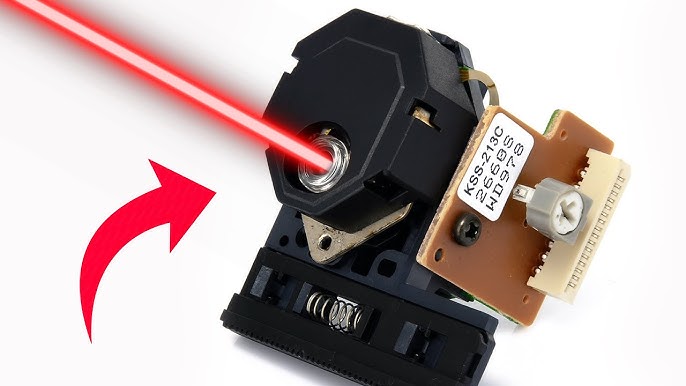
Have you ever looked at a gadget and wondered how it works? Imagine the thrill of creating electronic items right from the comfort of your home.
You don’t need to be a tech wizard or spend a fortune on fancy equipment. With just a few basic materials and a bit of guidance, you can dive into the exciting world of electronics. This isn’t just a hobby; it’s an adventure that can spark creativity, enhance your problem-solving skills, and even save you money.
By the end of this article, you’ll discover how accessible and fun making electronic things at home can be. Curious to learn how? Keep reading to unlock the secrets of DIY electronics!
Basic Tools And Materials
Starting to make electronic things at home requires some basic tools and materials. These help you build and test your projects easily. Having the right items saves time and avoids frustration.
Focus on tools and components that are simple and useful. Safety should always come first. Here is a guide to what you need to begin.
Essential Tools For Electronics
- Soldering iron – for joining wires and parts
- Wire cutters – to trim wires neatly
- Needle-nose pliers – for bending and holding small parts
- Multimeter – to measure voltage, current, and resistance
- Wire stripper – to remove insulation from wires
- Screwdrivers – small sizes for tiny screws
- Breadboard – for building circuits without soldering
Common Components To Keep Handy
- Resistors – control the flow of electricity
- Capacitors – store and release electrical energy
- LEDs – light up when powered
- Transistors – act as switches or amplifiers
- Switches – control circuit connections
- Wires – connect parts together
- Battery holders – keep batteries secure
- Microcontrollers – small computers for complex projects
Safety Tips For Diy Electronics
- Always unplug tools before working on circuits
- Wear safety glasses to protect your eyes
- Work in a clean, dry area to avoid accidents
- Check connections before powering your circuit
- Use low voltage parts to reduce risk
- Keep a fire extinguisher nearby just in case
- Handle soldering irons carefully to avoid burns

Credit: www.youtube.com
Simple Circuits To Start With
Starting with simple circuits is a great way to build your confidence in making electronic things at home. These easy projects use basic components that you can find in most beginner kits or even around the house. Each project will teach you fundamental skills that you can apply to more complex builds later.
Building A Led Light Circuit
Creating a LED light circuit is one of the easiest and most rewarding projects you can try. You only need a battery, a resistor, a LED, and some wires. Connect the positive end of the battery to the resistor, then to the LED’s longer leg, and finally connect the LED’s shorter leg back to the battery’s negative end.
Why not experiment with different resistor values to see how the LED brightness changes? This hands-on approach helps you understand current flow and resistance practically.
Making A Basic Alarm System
A basic alarm system can be made using a buzzer, a switch, a battery, and some wires. Connect the battery to one terminal of the buzzer, then connect the other terminal to the switch. Finally, connect the switch back to the battery to complete the circuit.
Try triggering the switch to hear the buzzer sound. This simple setup teaches you about open and closed circuits and introduces you to practical applications of switches in security devices.
Creating A Simple Switch
Switches control the flow of electricity in a circuit, and making one at home is simpler than you might think. Use a metal paperclip and two small pieces of foil or metal strips placed on a non-conductive surface like cardboard. When the paperclip touches both metal strips, it closes the circuit, allowing electricity to flow.
Have you considered how different materials affect conductivity? Testing different metals can turn this project into a mini experiment that deepens your understanding of electrical connections.
Diy Electronic Gadgets
DIY electronic gadgets bring a hands-on approach to understanding technology. Creating your own devices at home not only saves money but also builds valuable skills. You’ll find that even simple projects can spark creativity and boost your confidence in electronics.
Crafting A Portable Speaker
Building a portable speaker is easier than you might think. Start with a small speaker driver, a battery, and a basic amplifier circuit. You can use recycled materials like an old plastic container for the casing.
Wiring the components correctly ensures good sound quality. Test the speaker with your phone or MP3 player to check the output. Adding a switch makes it easy to turn on and off.
Assembling A Diy Flashlight
A flashlight is a practical project that teaches you about circuits and power sources. Use LEDs, resistors, a battery holder, and a switch to create a simple but effective light source. You can customize it with different LED colors or brightness levels.
Mount the components on a small board or inside a tube for durability. Make sure the battery fits snugly to avoid loose connections. This project shows how everyday objects can be enhanced with basic electronics.
Building A Battery Tester
Knowing how to test batteries can save you from unexpected power failures. A battery tester uses LEDs to indicate if a battery is good, weak, or dead. You’ll need resistors, LEDs, a simple circuit board, and clips to hold the battery.
Connecting the battery to the tester lights up the corresponding LED based on voltage. This quick check helps you decide if a battery needs replacing or can be reused. It’s a handy tool for anyone who uses batteries regularly.
Using Microcontrollers
Microcontrollers make building electronic devices at home simple and fun. These small chips control sensors, lights, motors, and many other parts. They act like tiny computers that follow your instructions. Learning to use microcontrollers opens up many creative possibilities. You can build gadgets that respond to your environment or automate tasks around your house.
Starting with microcontrollers does not require advanced skills. Basic programming and simple circuits bring your ideas to life. Popular microcontrollers like Arduino and Raspberry Pi have large communities and plenty of resources. These tools help beginners and hobbyists explore electronics without confusion.
Introduction To Arduino Projects
Arduino is a popular microcontroller platform. It uses easy hardware and software to build projects. Many starter kits include sensors, LEDs, and motors to experiment. You write code in the Arduino programming environment. Upload the code to the board and watch your project work.
- Control lights and alarms
- Read sensor data like temperature
- Make simple robots or gadgets
Arduino projects help beginners understand electronics step-by-step. The community shares many tutorials and example codes.
Programming Basics For Beginners
Microcontrollers need instructions written in code. The language is usually simple and easy to learn. Most use C or C++ with clear commands. You start by learning to turn pins on or off. This controls LEDs or motors. Next, you read inputs from buttons or sensors.
- Write short programs
- Test and fix errors
- Understand loops and conditions
Practice builds confidence. Small tasks make coding feel less hard. Many beginner guides walk you through this process clearly.
Fun Projects With Raspberry Pi
Raspberry Pi is a small, affordable computer. It runs a full operating system and supports many programming languages. It works well for more advanced projects. You can connect cameras, displays, and other hardware.
- Create home automation systems
- Build media centers
- Experiment with AI and sensors
Raspberry Pi projects teach computing and electronics together. It is a powerful tool for hobbyists who want to explore deeper.
Troubleshooting Tips
Troubleshooting is an essential skill when you’re making electronic things at home. It saves time and frustration by helping you pinpoint problems quickly. You’ll build confidence as you learn to fix issues instead of giving up or waiting for professional help.
Diagnosing Common Issues
Start by observing what’s happening and what’s not. Is your circuit not powering up, or are some parts behaving oddly? Narrow down the problem by checking if the power supply is stable and if the components are placed correctly.
Ask yourself: Does the device show any signs of life? No LEDs lighting up often means power or connection issues. A multimeter can help you measure voltage and continuity, revealing hidden faults.
Fixing Loose Connections
Loose connections are often the sneakiest culprits. They can cause intermittent failures that seem random. Inspect all solder joints and wire connections carefully; cold solder joints look dull or cracked.
Try gently wiggling wires and components while the device is on—does it turn off or on? If yes, you’ve found the problem. Re-solder or tighten connectors to secure the connection firmly.
Testing Components Effectively
Knowing how to test components will save you from replacing parts unnecessarily. Use a multimeter to check resistors, capacitors, and diodes individually. For example, measure resistance to ensure it matches the expected value.
Test transistors and ICs according to their datasheets or with simple test circuits. A component that fails these tests likely needs replacement. Have you ever found a tiny resistor causing a big headache? Testing helps avoid those surprises.

Credit: www.youtube.com
Expanding Your Skills
Expanding your skills in electronics opens new doors for creativity and problem-solving. It helps you build more complex and useful projects. Developing stronger skills also boosts your confidence and enjoyment in making electronic devices.
Learning Soldering Techniques
Soldering is a key skill in electronics. It joins components on a circuit board with a metal alloy. Start with basic soldering to connect simple parts. Practice steady hand movements and proper heat control.
Use safety tools like a soldering iron stand and fume extractor. Try different solder types and wire thicknesses. Experiment with through-hole and surface-mount soldering. This skill improves the quality and durability of your projects.
Exploring Advanced Projects
Challenge yourself with projects that use microcontrollers or sensors. Build gadgets like digital clocks, weather stations, or robot cars. Study circuit diagrams and coding for these projects.
Work on troubleshooting and debugging to solve issues. Use online tutorials and kits designed for advanced learners. These projects deepen your understanding and keep you motivated.
Joining Electronics Communities
Connect with others who share your interest in electronics. Join online forums, social media groups, or local clubs. Share your projects and ask questions.
Learn from others’ experiences and advice. Participate in challenges and group builds. Being part of a community offers support and new ideas for growth.

Credit: www.youtube.com
Frequently Asked Questions
What Basic Tools Do I Need To Make Electronics At Home?
You need a soldering iron, multimeter, wire cutters, and screwdrivers. These tools help you assemble and test electronic components efficiently. A breadboard and jumper wires are also essential for prototyping circuits without soldering.
Which Components Are Essential For Beginner Electronic Projects?
Start with resistors, capacitors, LEDs, transistors, and microcontrollers like Arduino. These components form the foundation of most electronic circuits. They help you learn circuit design and basic electronics principles effectively.
How Can I Safely Work With Electronics At Home?
Always unplug devices before working on them. Use insulated tools and wear safety goggles. Work in a well-lit area and avoid static discharge by grounding yourself. Follow proper handling instructions for batteries and power sources to prevent accidents.
Where Can I Find Electronic Project Ideas For Beginners?
Check online platforms like Instructables, YouTube, and electronics forums. Books and DIY kits also provide step-by-step project guides. These resources offer a variety of beginner-friendly projects to build your skills.
Conclusion
Making electronic things at home is fun and rewarding. Start with simple projects and learn step by step. Use basic tools and parts you can find easily. Practice helps you improve your skills over time. Don’t be afraid to make mistakes; they teach you a lot.
Creating electronics at home saves money and builds confidence. Keep exploring new ideas and enjoy the process. Your curiosity will guide you to exciting discoveries. Stay patient and keep trying. Soon, you will make more complex devices by yourself.
Leave a Reply