
When setting up your home electronics, understanding the right amps and voltage is crucial. Imagine plugging in your brand-new gadget only to find it doesn’t work properly or worse, gets damaged.
You might wonder why this happens. The secret lies in getting the power settings right. But don’t worry, it’s not as complicated as it sounds. In this guide, we’ll break down the essentials of amps and voltage for your home electronics.
You’ll learn how to protect your devices and ensure they operate smoothly. Intrigued? Stick around to uncover the simple steps that make a big difference in your home electronics setup.
Basics Of Electricity
Understanding the basics of electricity is essential for anyone dealing with home electronics. It helps you choose the right devices, avoid overloads, and keep your home safe. Let’s break down the key concepts you need to know about voltage, current, and power.
Voltage And Current Defined
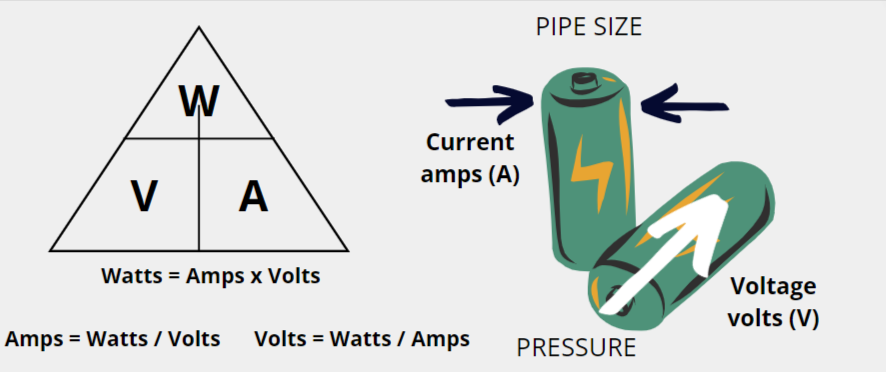
Voltage is the electric potential difference that pushes electric charge through a circuit. Think of it as the pressure that moves electrons along wires.
Current, measured in amps (amperes), is the flow of electric charge. It’s the actual movement of electrons powering your devices.
Without voltage, current cannot flow. Without current, your devices won’t run. Both work together like a team to deliver electricity.
Relationship Between Amps And Volts
Voltage and current are linked by the resistance of the device or circuit they flow through. This relationship is described by Ohm’s Law: Voltage (V) = Current (I) × Resistance (R).
In practical terms, if the voltage is higher, more current can flow—if resistance stays the same.
Imagine plugging in a high-powered blender versus a small LED lamp. The blender draws more amps at the same voltage because it needs more power to run.
Power Consumption In Watts
Power is the rate at which energy is used and is measured in watts (W). It combines voltage and current: Power (W) = Voltage (V) × Current (A).
Knowing a device’s wattage helps you understand how much electricity it consumes. For example, a 100W light bulb uses more power than a 10W LED bulb.
When you check how many amps and volts your electronics need, you’re essentially figuring out their power consumption. This helps you avoid overloading circuits and keeps your home safe.
Common Voltage Levels In Homes
Understanding the common voltage levels in your home is essential to safely operate and maintain your electronics. Voltage affects how devices perform and how much current (amps) they draw. Knowing these details helps you avoid overloading circuits and damaging your appliances.
Standard Household Voltage
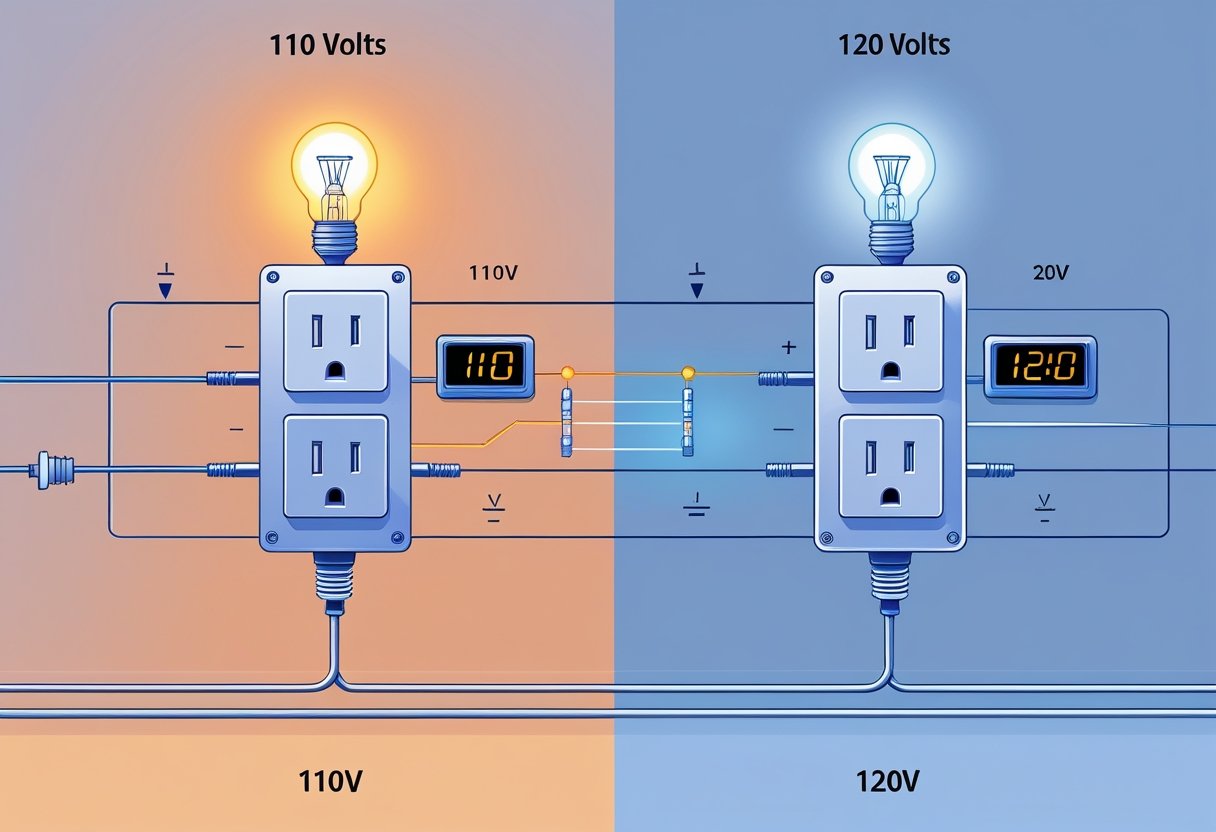
Most homes in North America use a standard voltage of 120 volts for everyday electronics like lamps, TVs, and computers. This voltage level is enough for most small to medium-sized devices.
In my own home, I noticed that plugging in a phone charger or a laptop adapter always works smoothly without any flickering or power issues. That’s because these devices are designed specifically for this voltage level.
High-voltage Appliances
Some appliances need more power and use higher voltages, typically around 240 volts. This category includes ovens, dryers, air conditioners, and water heaters.
These appliances draw more amps to function properly. For example, an electric dryer might use 30 amps at 240 volts, which is much higher than a standard outlet’s capacity.
If you try to run these high-voltage devices on regular outlets, you risk tripping breakers or damaging your wiring.
International Voltage Variations
Voltage standards differ widely across the world. Most European countries use 220-240 volts as a norm, while many parts of Asia and South America follow similar ranges.
Travelers often face issues when using their electronics abroad due to these variations. A charger designed for 120 volts may not work well or safely in a 240-volt environment without a proper converter.
Are you aware of the voltage standards in your travel destination? Double-checking this can save your devices from unexpected damage.
Typical Amperage For Home Electronics
Understanding the typical amperage for home electronics helps you manage your electrical load effectively. Knowing the amps your devices draw prevents overloading circuits and keeps your home safe. Let’s break down common household electronics into groups based on their power needs.
Low-power Devices
Low-power devices usually draw less than 1 amp. These include items like phone chargers, LED lamps, and small fans.
- Phone charger: around 0.5 amps
- LED desk lamp: about 0.3 amps
- Wi-Fi router: roughly 0.2 amps
These devices run comfortably on standard outlets without stressing your circuit. Have you ever noticed how many gadgets quietly pull power even when you’re not actively using them?
Medium-power Appliances
Medium-power appliances typically draw between 1 and 10 amps. These include items like microwaves, vacuum cleaners, and desktop computers.
- Microwave oven: 6 to 10 amps
- Vacuum cleaner: 5 to 8 amps
- Desktop computer: 3 to 5 amps
When you use multiple medium-power appliances at once, your circuit can get close to its limit. Do you ever wonder if your home’s wiring can handle running the microwave while the vacuum cleaner is on?
High-power Equipment
High-power equipment draws more than 10 amps and often requires dedicated circuits. Examples include air conditioners, electric ovens, and clothes dryers.
- Central air conditioner: 15 to 30 amps
- Electric oven: 20 to 50 amps
- Clothes dryer: 20 to 30 amps
These devices need special attention to avoid tripping breakers or damaging wiring. Have you checked whether your high-power appliances have their own circuit or share with other devices?

Credit: www.onesto-ep.com
Calculating Amps For Your Devices
Knowing how to calculate amps for your home electronics helps you avoid electrical problems. It ensures your devices work safely without overloading circuits. Calculating amps involves understanding power ratings and voltage. It is simple math that anyone can do with basic information.
Using Power Ratings
Every device has a power rating, usually in watts (W). This rating shows how much electricity the device uses. You can find this number on the device label or in the manual. Power ratings help estimate the current or amps the device needs.
Formula For Current Calculation
The formula to calculate current (amps) is:
Current (I) = Power (P) ÷ Voltage (V)
Power is in watts, voltage in volts, and current in amps. For example, if a device uses 120 watts and runs on 120 volts, the current is 1 amp. This formula works for most home electronics.
Examples With Common Electronics
| Device | Power (Watts) | Voltage (Volts) | Calculated Current (Amps) |
|---|---|---|---|
| LED TV | 60 | 120 | 0.5 |
| Laptop Charger | 65 | 120 | 0.54 |
| Microwave Oven | 1000 | 120 | 8.33 |
| Refrigerator | 150 | 120 | 1.25 |
These examples show how to find the current for devices you use daily. Knowing amps helps choose the right circuit breaker and avoid electrical hazards.
Circuit Breakers And Safety
Circuit breakers protect home electronics from electrical faults. They stop dangerous overloads and short circuits. Safety depends on choosing the right breaker and understanding its limits. Knowing amps and voltage is key to keeping devices safe and the home secure.
Amp Ratings For Breakers
Breakers come with different amp ratings. These ratings show the maximum current the breaker can handle. Common home breakers range from 15 to 60 amps. The amp rating must match the wire and device requirements. Too low an amp rating causes frequent trips. Too high a rating risks overheating and fires.
Preventing Overloads
Overloads happen when too many devices run on one circuit. This causes excess current flow beyond the breaker’s limit. The breaker trips to cut power and prevent damage. Avoid plugging many high-power devices into one outlet. Spread devices across circuits to balance the load. Check breaker trips often; it signals overload risk.
Choosing The Right Breaker Size
Selecting the correct breaker size matters for safety and function. Match the breaker amp rating to the circuit wire size. Use this simple guide:
| Wire Gauge | Breaker Amp Rating |
|---|---|
| 14 gauge | 15 amps |
| 12 gauge | 20 amps |
| 10 gauge | 30 amps |
For special appliances, check manufacturer specs. Always follow electrical code rules. A properly sized breaker ensures safe operation and protects wiring and devices.
Credit: www.renogy.com
Energy Efficiency And Consumption
Understanding energy efficiency and consumption helps save money and reduces waste. Home electronics use different amps and voltage levels, affecting power use. Small changes in how devices run can lower electricity bills. Using less power also helps the environment by cutting down emissions.
Reducing Power Usage
Turning off devices when not in use cuts energy waste. Unplug chargers and electronics that draw power even when off. Use power strips to switch off multiple devices easily. Choose devices with low standby power to save energy around the clock.
Energy-saving Electronics
Look for electronics with energy labels like ENERGY STAR. These use less electricity while working the same way. LED bulbs use less power than traditional bulbs and last longer. Modern appliances often include energy-saving modes for less consumption.
Smart Home Energy Management
Smart systems track and control electricity use in real time. Set schedules to turn off devices automatically during low use. Use apps to monitor energy consumption from anywhere. Smart thermostats adjust heating and cooling for better efficiency.
Special Considerations For Electronics
Electronics in your home need special care with power. They vary in amps and voltage requirements. Using the wrong power can harm devices or reduce lifespan. Understanding these needs helps protect your gadgets. It also ensures they work safely and efficiently.
Surge Protection Needs
Power surges can damage sensitive electronics quickly. Use surge protectors to shield devices from voltage spikes. These devices absorb extra current and prevent harm. Surge protection is vital for computers, TVs, and gaming consoles. It helps keep your electronics safe during storms or power fluctuations.
Power Supply Adapters
Many electronics use power adapters to convert voltage and current. Check the adapter’s output volts and amps match the device’s needs. Using an adapter with wrong specs can cause overheating or failure. Always replace lost or broken adapters with the correct type. Label adapters to avoid mix-ups between devices.
Battery-powered Devices
Battery-powered gadgets have different voltage and current needs. They rely on stable battery output to function well. Using incorrect batteries can cause poor performance or damage. Rechargeable batteries need proper chargers designed for their type. Monitor battery health to avoid leaks or reduced capacity.
Credit: magnifyelectric.com
Frequently Asked Questions
What Voltage Is Standard For Home Electronics?
Most home electronics operate on 120 volts in the US. Some countries use 220-240 volts. Check device labels to confirm voltage requirements before use.
How Many Amps Do Typical Home Devices Draw?
Home electronics usually draw between 0. 5 to 15 amps. Small devices like phones use less than 1 amp. Larger appliances like microwaves can use 10+ amps.
Can I Use A Device With Different Voltage?
Using a device with incompatible voltage can damage it. Use a voltage converter or transformer if your device’s voltage differs from your home supply.
How To Calculate Amps Needed For Home Electronics?
Divide the device’s wattage by the voltage to find amps. For example, a 600-watt device at 120 volts uses 5 amps.
Conclusion
Knowing the right amps and voltage keeps your home electronics safe. It helps prevent damage and saves energy. Always check the device label for correct power needs. Use the right outlets and avoid overloading circuits. Simple steps like these protect your devices and your home.
Understanding basic electrical info makes a big difference. Stay informed and handle electronics with care. It’s easy and smart for every household.
Leave a Reply