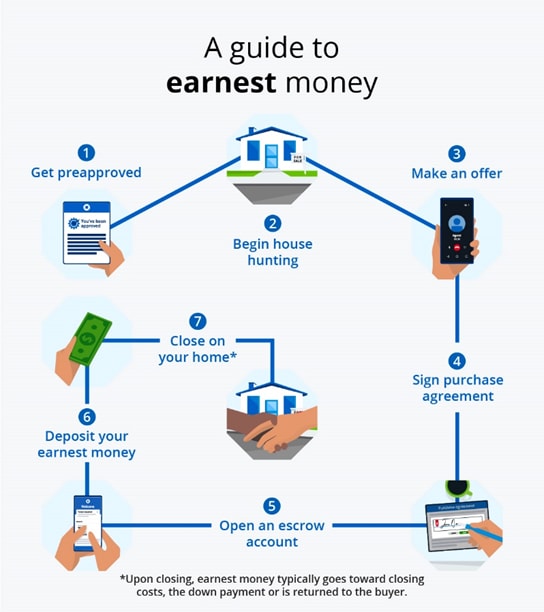
Navigating the world of real estate can feel like a maze, especially when technology steps in. You might wonder if signing a home buying contract electronically holds the same weight as a traditional pen-and-paper agreement.
Is it really binding? This question isn’t just about legality; it’s about ensuring your peace of mind in a major life decision. When you’re making one of the biggest financial commitments of your life, clarity is key. You want to know your rights, responsibilities, and the security of your investment.
By understanding the ins and outs of electronic contracts, you can move forward confidently and avoid potential pitfalls. Let’s explore what makes these digital agreements trustworthy and how they can offer you convenience without compromising on security. Dive in to discover everything you need to know to protect your interests in the digital age of home buying.
Electronic Contracts In Real Estate
Electronic contracts have become common in real estate. They speed up the process of buying a home. These contracts allow buyers and sellers to sign documents online. This saves time and reduces the need for physical meetings. Understanding electronic contracts helps buyers feel confident in their home purchase.
What Are Electronic Contracts?
Electronic contracts are agreements signed digitally. They replace paper documents with online versions. These contracts use secure software to capture signatures. The law treats them the same as paper contracts. They provide proof of agreement and are legally binding. Electronic contracts make transactions faster and more convenient.
Common Types In Home Buying
Several electronic contracts are used in buying a home. Some common types include:
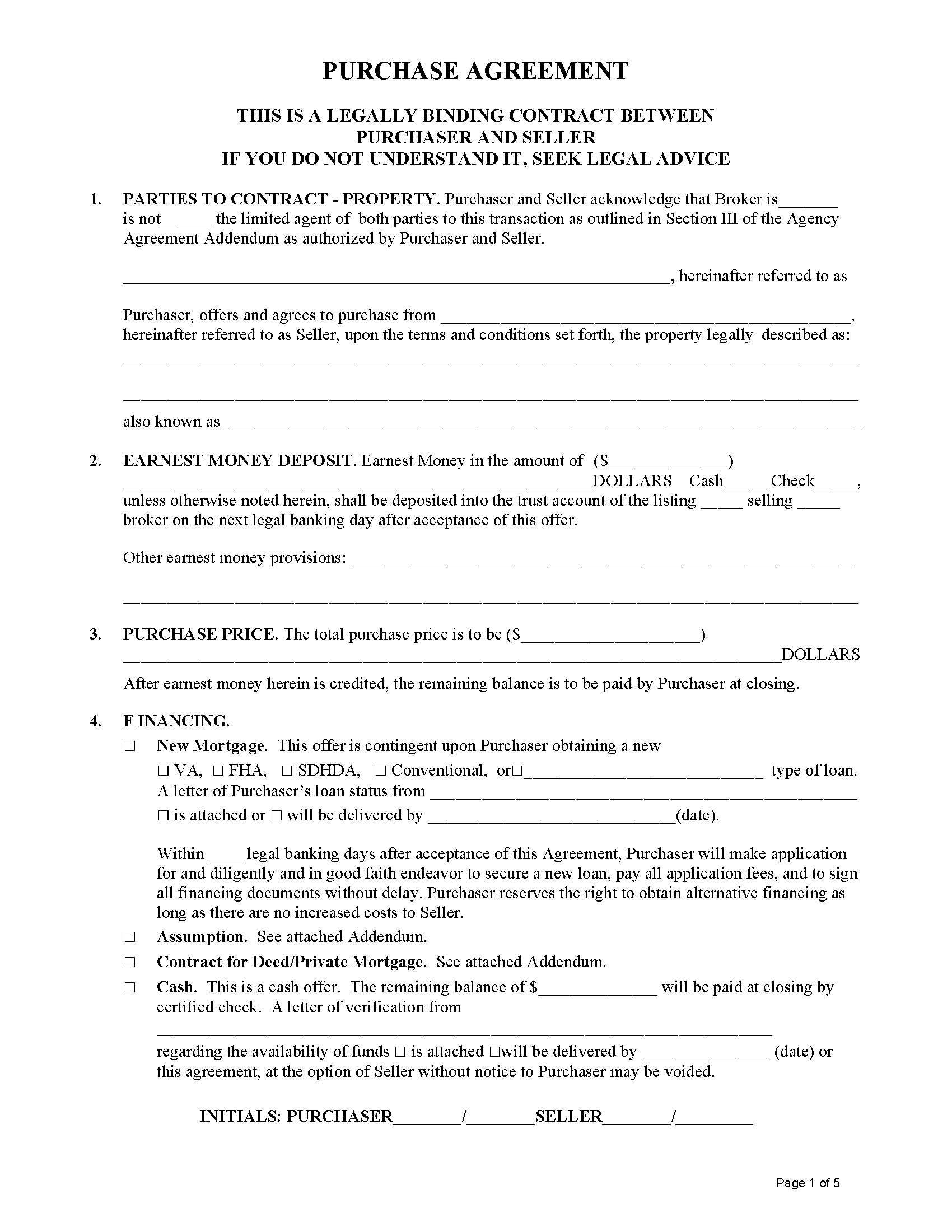
- Purchase agreements that outline the sale terms
- Disclosure forms that reveal property details
- Loan applications and approval documents
- Inspection reports and repair agreements
- Closing documents that finalize the sale
Each document plays a key role in the home buying journey. Signing them electronically keeps the process moving smoothly.

Credit: www.nerdwallet.com
Legal Status Of Electronic Contracts
Electronic contracts have become common in home buying. Understanding their legal status helps buyers and sellers trust these digital agreements. The law treats electronic contracts with serious importance. They can be as binding as paper contracts if they meet certain rules. Knowing these rules protects all parties involved.
E-signature Laws
E-signature laws allow electronic signatures to have legal power. The main law in the U.S. is the Electronic Signatures in Global and National Commerce Act (ESIGN). It says electronic signatures are valid if both parties agree to use them. The Uniform Electronic Transactions Act (UETA) also supports e-signatures at the state level. These laws ensure that signing a contract online is just as real as signing on paper.
State And Federal Regulations
Both state and federal laws govern electronic contracts. States may have specific rules on how contracts must be signed and stored. Some states require certain contracts to be notarized, even if electronic. Federal laws cover contracts involving federal agencies or interstate transactions. Buyers and sellers should check their state laws to confirm electronic contracts are accepted. Compliance with these rules makes electronic home buying contracts legally strong.
Binding Nature Of Electronic Contracts
Understanding the binding nature of electronic contracts is crucial, especially when you’re navigating the home buying process. Electronic contracts carry the same weight as traditional paper agreements, but their enforceability depends on specific factors. Knowing these can protect your interests and ensure your home purchase moves forward without legal hiccups.
When Are They Enforceable?
Electronic contracts become enforceable once both parties agree to the terms digitally. This usually happens through actions like clicking an “I Agree” button or electronically signing the document.
Courts generally uphold these contracts if there’s clear evidence showing that you intended to be bound by the agreement. Have you ever wondered if simply typing your name at the end of an email could count as consent? In many cases, it can.
However, some contracts might require additional verification or witnesses depending on local laws, especially in real estate transactions. So, it’s important to check whether your state or country has specific rules for electronic agreements.
Key Requirements For Validity
- Intent to Sign:You must clearly indicate your intention to enter into the contract electronically.
- Consent to Conduct Business Electronically:Both parties should agree to use electronic means for the transaction.
- Record Retention:The contract must be stored securely and be accessible for future reference.
- Authentication:The identity of the parties involved should be verifiable through methods like passwords, digital signatures, or email verification.
Imagine sending a digital signature and later questioning if it’s truly yours—authentication prevents this doubt. Without these elements, an electronic contract might be challenged or even deemed invalid.
Have you ever hesitated before clicking “sign” on an online document? Understanding these requirements can boost your confidence that your electronic agreement is legally sound.

Credit: www.realpha.com
Benefits Of Electronic Contracts
Electronic contracts have transformed how you handle home buying paperwork. They offer clear advantages that make the process smoother and more reliable. Understanding these benefits can help you decide if using an electronic contract fits your needs.
Speed And Convenience
Electronic contracts save you precious time. Instead of printing, signing, scanning, and emailing documents, you can complete everything online within minutes. This is especially helpful when you’re juggling a busy schedule or need to close deals quickly.
Imagine signing a contract on your phone while waiting for a coffee. No need to rush home or office just to handle paperwork. Plus, you can access your documents anytime, anywhere, which keeps things moving without delay.
Security Features
Worried about the safety of your sensitive information? Electronic contracts use encryption and secure servers to protect your data. This reduces the risk of lost or tampered documents compared to traditional paper contracts.
Many platforms also include audit trails that record every step of the signing process. This means you can track who signed and when, adding an extra layer of trust and accountability. Doesn’t that give you more confidence in your agreement?
Potential Risks And Challenges
Electronic contracts have made home buying faster and more convenient, but they come with their own set of risks and challenges. Understanding these potential pitfalls is crucial before you sign anything digitally. Let’s look closely at two major concerns that could affect your home purchase journey.
Fraud And Forgery Concerns
One significant risk with electronic contracts is the possibility of fraud or forgery. Unlike paper contracts, digital files can be altered without clear signs, making it easier for unscrupulous parties to manipulate terms.
Have you ever wondered how secure your digital signature really is? Some scammers use stolen identities to sign contracts, tricking buyers into agreements they never intended. Verifying the authenticity of the signer and the contract’s integrity is essential.
- Always use trusted platforms that provide secure encryption.
- Confirm the identity of all parties involved before signing.
- Request audit trails or verification logs to track changes.
Technical Issues
Technical glitches can disrupt the contract process and cause delays or misunderstandings. Imagine trying to close a deal only to face file corruption or software incompatibility issues at the last minute.
Sometimes, you might not have access to the right device or software to open or sign the contract properly. This can lead to missed deadlines or incomplete agreements, complicating your home purchase.
- Check your device and software compatibility ahead of time.
- Keep backup copies of all contract documents.
- Have a contingency plan in case of system failures or internet outages.
Are you prepared to handle these challenges when buying a home electronically? Taking extra precautions can save you from costly mistakes and stress during such an important transaction.
Best Practices For Buyers
Buying a home with an electronic contract can be fast and simple. Still, buyers must take careful steps to protect themselves. Following best practices helps avoid mistakes and legal problems.
These tips ensure your electronic contract is valid and secure. They also help you understand what you are agreeing to before signing.
Verifying Authenticity
Check that the electronic contract comes from a trusted source. Confirm the sender’s email or website is official. Look for secure connection signs like “https” in the URL.
Use tools to verify digital signatures. Authentic contracts usually have certificates proving the signer’s identity. Never sign if you doubt the document’s origin.
Consulting Real Estate Professionals
Talk to a real estate agent or lawyer before signing. They explain contract terms in simple words. Experts spot risky clauses you might miss.
Professionals guide you through the signing process. They ensure the contract follows local laws. Their advice reduces chances of future disputes.
Future Trends In Home Buying Contracts
The landscape of home buying contracts is evolving rapidly as technology reshapes how agreements are formed and secured. Understanding these future trends can help you stay ahead and make smarter decisions when handling electronic contracts. The shift towards digital processes isn’t just about convenience—it’s changing legal standards and buyer expectations.
Digital Transformation In Real Estate
Home buying contracts are moving from paper to digital platforms, making transactions faster and more transparent. You can now sign legally binding contracts from your phone or computer, often within minutes.
This transformation reduces errors and speeds up the process, but it also raises questions about data security and authenticity. Have you ever wondered how your digital signature holds up in court compared to a traditional pen-and-paper one? Knowing the answer can give you confidence in your next deal.
Many real estate companies now use secure portals that store all documents in one place, accessible anytime. This means less hassle for you and your agent, especially during negotiations or when reviewing contract terms.
Emerging Technologies
New technologies like blockchain and smart contracts are starting to shape home buying agreements. Blockchain offers a tamper-proof record of transactions, giving you peace of mind that your contract won’t be altered without consent.
Smart contracts automatically execute terms once conditions are met. Imagine a contract that releases funds only when the home inspection passes—removing delays and reducing the risk of disputes.
- Blockchain: Ensures transparency and security in contract history.
- Smart Contracts: Automate actions based on predefined rules.
- AI Tools: Help review contract details quickly, highlighting potential risks.
Have you considered how these technologies could simplify your home buying experience? Staying informed about these tools can give you an edge and protect your interests better than ever before.
Credit: eforms.com
Frequently Asked Questions
Is An Electronic Home Buying Contract Legally Binding?
Yes, electronic home buying contracts are legally binding if they meet state laws and include proper signatures. E-signature laws like ESIGN and UETA support their validity in most U. S. states. Always verify local regulations before finalizing an electronic contract.
How Do Electronic Signatures Work In Home Buying Contracts?
Electronic signatures authenticate the buyer’s and seller’s intent to agree. They use encryption and identity verification to ensure security. This process replaces traditional handwritten signatures, making contracts faster and more convenient while maintaining legal enforceability.
Are Electronic Contracts Safe For Home Purchases?
Electronic contracts are safe when created on secure platforms. They use encryption, audit trails, and authentication to prevent fraud. Choosing reputable digital signing services increases the contract’s security and protects all parties involved in the home buying process.
Can I Challenge An Electronic Home Buying Contract?
You can challenge an electronic contract if you prove fraud, duress, or lack of consent. The contract must meet legal standards to be enforceable. Consult a real estate attorney if you suspect any issues with your electronic contract.
Conclusion
Electronic contracts in home buying often hold legal weight. They can be just as binding as paper contracts. Signing electronically saves time and effort. Still, always read terms carefully before agreeing. Ensure you understand all contract details fully. Keep copies of your signed documents safe.
Consult a professional if you feel unsure. This helps avoid future problems or disputes. Trust but verify—your home purchase is important. Electronic contracts are common and accepted today. They make buying homes easier and quicker.
Leave a Reply