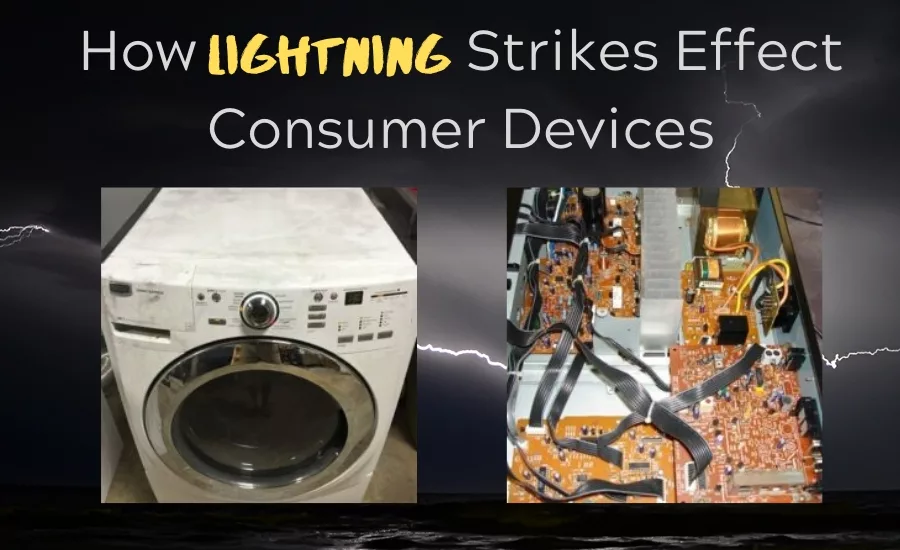
Picture this: a powerful storm rolls in, and with it, the sky lights up with flashes of lightning. You might find these natural fireworks captivating, but do you ever wonder what happens to your electronic devices when lightning strikes?
You’ve probably heard stories about fried computers or blown-out televisions, but how does it really happen? Understanding how lightning affects your home electronics isn’t just fascinating—it’s crucial for protecting your gadgets and your peace of mind. By the end of this article, you’ll know exactly why this phenomenon occurs and how you can safeguard your valuable devices from potential harm.
Ready to uncover the electrifying truth? Keep reading to learn more!

Credit: lsp.global
Lightning And Home Electronics
Lightning can cause serious problems for electronics in your home. The sudden surge of electricity can damage devices quickly. Understanding how lightning affects these devices helps protect your valuable electronics.
How Lightning Strikes Impact Devices
Lightning creates a powerful electrical surge. This surge travels through power lines and wiring. It can reach electronic devices connected to outlets or phone lines. The surge overloads circuits and damages internal parts. Some devices may stop working immediately. Others could fail later due to hidden damage. Even a nearby lightning strike can cause this surge. The energy jumps through the ground or wiring to your home.
Common Vulnerable Electronics
- Televisions and home theater systems
- Computers and laptops
- Modems and routers
- Smartphones and tablets
- Gaming consoles
- Kitchen appliances like microwaves
- Security systems and cameras
- Heating and cooling equipment
These devices often connect to power and data lines. The connection points increase their risk of damage. Protecting these items is crucial during storm season.
Pathways Of Electrical Surges
Electrical surges caused by lightning don’t always follow the path you might expect. Understanding how these surges travel is key to protecting your electronic devices at home. Surges can enter your home through multiple routes, each presenting unique risks to your gadgets and appliances.
Direct Strikes And Power Lines
A lightning strike hitting your house or nearby power lines can send an enormous surge directly into your electrical system. This sudden spike in voltage can fry circuits, damage sensitive electronics, and even cause fires. Even if lightning doesn’t hit your home, a strike on a power line nearby can travel through the wiring and enter your devices.
Have you ever noticed flickering lights during a storm? That’s often the first sign of a surge traveling through power lines. Surge protectors can help, but they aren’t foolproof against direct hits. This is why grounding your home’s electrical system properly is critical—it provides a safer path for the excess electricity to dissipate.
Induced Surges Through Wiring
Lightning doesn’t need to strike directly to cause damage. It can induce surges through wiring systems like phone lines, cable TV cables, and even your home’s electrical wiring. These induced surges happen because lightning creates a strong electromagnetic field that “pushes” electricity into nearby conductors.
Imagine a storm outside while your internet suddenly cuts out or your TV screen flickers. These could be signs of induced surges. Unlike direct strikes, these surges are sneakier but just as damaging. Using surge protectors on all entry points of wiring can reduce this risk significantly.
- Check if your surge protectors cover phone and coaxial cables.
- Consider whole-house surge protection devices for comprehensive defense.
- Regularly inspect your wiring for wear or damage that could worsen surge effects.
Types Of Damage To Electronics
Lightning can cause several types of damage to electronic devices at home. The effects can be sudden and severe or slow and hidden. Understanding these types helps protect your gadgets better. Electronics can suffer from physical damage, data loss, and reduced lifespan.
Physical Damage
Lightning strikes create strong electrical surges. These surges can burn circuits and melt components inside devices. Power supplies often fail first. The heat and force can crack screens or damage internal parts. Sometimes, devices stop working completely after a strike.
Data Loss And Corruption
Electronic devices store important data. Lightning can cause sudden power cuts or surges. These events may corrupt files or erase data. Computers, external drives, and smart devices are vulnerable. Losing valuable photos, documents, or settings can be frustrating and costly.
Reduced Device Lifespan
Even if a device works after a lightning event, damage can reduce its lifespan. Tiny electrical faults may weaken components over time. Devices may run slower or have frequent errors. Gradual wear can lead to unexpected failures months later.

Credit: www.truecable.com
Surge Protection Solutions
Surge protection solutions are essential to safeguard your home’s electronic devices from the sudden spikes in voltage caused by lightning strikes. These spikes can fry circuits, ruin appliances, and lead to costly repairs or replacements. Understanding the different types of surge protection available helps you choose the right defense for your home’s unique needs.
Surge Protectors And Their Effectiveness
Surge protectors are the most common and affordable way to protect your devices. They work by diverting excess voltage away from your electronics, preventing damage. But not all surge protectors offer the same level of protection.
Look for surge protectors with a high joule rating; this indicates how much energy they can absorb before failing. Some models also include indicators to show if the protector is still functioning properly. You might have experienced a power surge during a storm and noticed your surge protector saved your laptop or TV—that’s the kind of protection you want to rely on.
Whole-house Surge Protection
Whole-house surge protection installs directly at your electrical panel, guarding every outlet and appliance in your home. This solution offers a broader safety net, catching surges before they reach your internal wiring. It’s especially useful if your home has many expensive electronics or if you live in an area prone to frequent storms.
Consider this: a single lightning strike can create a surge that travels through your home’s wiring. Having whole-house protection means less chance of damage, no matter which device is plugged in. While the initial cost is higher than individual surge protectors, it can save you money and stress over time.
Lightning Rods And Grounding Systems
Lightning rods and proper grounding systems offer the first line of defense by redirecting lightning strikes safely into the ground. They don’t protect electronics directly but reduce the likelihood of a surge entering your home’s electrical system. If your area experiences frequent lightning storms, this is a critical investment.
Installing a lightning rod system requires professional expertise to ensure it’s correctly grounded and compliant with local codes. Without proper grounding, lightning rods won’t effectively protect your home. Have you checked if your house has a grounding system that meets current safety standards? It might be worth asking your electrician during your next inspection.
Preventive Measures At Home
Protecting your electronic devices from lightning strikes starts with simple, practical steps you can take at home. Lightning surges can easily damage or destroy your gadgets, but you don’t have to wait for a storm to take action. Small changes in how you handle your electronics during stormy weather can make a big difference.
Unplugging Devices During Storms
One of the easiest ways to protect your devices is to unplug them when you see lightning in the sky. Surge protectors help, but they aren’t foolproof against a direct or close strike. Pulling plugs out of the wall cuts off power, preventing dangerous surges from reaching your TV, computer, or gaming consoles.
Think about the last time a storm hit your area—did you unplug your devices? If not, what stopped you? Taking this quick action can save you money and hassle later.
Regular Maintenance And Inspections
Keeping your home’s electrical system in good shape reduces the risk of damage during storms. Check your wiring and outlets regularly for signs of wear or damage. Faulty wiring can increase vulnerability to power surges caused by lightning.
Consider hiring a professional electrician to inspect your home’s electrical panel and grounding system. Proper grounding is crucial; it directs excess electricity safely into the earth instead of your devices.
Using Battery Backups And Ups
Uninterruptible Power Supplies (UPS) and battery backups are lifesavers during power surges and outages. These devices provide a buffer, giving you time to save work and safely shut down electronics.
Many UPS models include built-in surge protection, which adds an extra layer of defense. Investing in a UPS for your computer or home office gear can prevent data loss and costly repairs.
Have you ever lost important files because of an unexpected blackout? A UPS can be your safety net in those moments.

Credit: www.skillsewa.com
Emergency Response After A Strike
Lightning strikes can cause sudden and severe damage to your home’s electronic devices. Reacting quickly and correctly after a strike can help you assess the damage and prevent further harm. Knowing what to do immediately after the event is crucial to protecting your investments and ensuring your safety.
Identifying Damaged Devices
Start by checking each electronic device in your home for signs of damage. Look for unusual smells, scorch marks, or devices that won’t turn on. Sometimes damage is not visible, so test each device carefully.
Notice if your TV, computer, or router suddenly stopped working after the storm. Smaller gadgets like chargers or smart home devices might also be affected. Keep a list of devices that show problems to help prioritize repairs or replacements.
Safety Precautions Before Repairs
Before touching any damaged devices, unplug them from the power source to prevent electric shocks or further damage. Avoid using devices that emit smoke or sparks. If you see exposed wires or burnt outlets, do not attempt repairs yourself.
Check your home’s circuit breaker and reset it if necessary, but only if you feel confident doing so safely. If you smell burning or see smoke anywhere, evacuate and call emergency services immediately. Your safety should always come first.
When To Call Professionals
Some electronic damage requires expert attention. If multiple devices fail simultaneously or your electrical outlets show damage, it’s time to call a licensed electrician. They can inspect your home’s wiring and ensure everything is safe to use again.
For complex electronics like computers or home security systems, professional repair services can diagnose hidden issues. Attempting repairs without proper knowledge could make problems worse or void warranties. Don’t hesitate to reach out for help—your electronics and safety depend on it.
Insurance And Financial Considerations
Lightning strikes can cause serious damage to your electronic devices at home, often leading to unexpected repair or replacement costs. Understanding the insurance and financial aspects can save you from a lot of stress and out-of-pocket expenses. It’s essential to know what your policy covers and how to handle claims effectively to protect your investment.
Coverage For Lightning Damage
Most standard homeowners insurance policies include coverage for lightning damage, but the extent can vary. Some policies cover the repair or replacement of electronic devices damaged by power surges caused by lightning, while others may exclude certain items or require additional riders.
Check your policy details carefully. Ask yourself:
- Does my policy cover power surge damage to electronics?
- Are there limits or deductibles that affect the payout?
- Do I need to add specific coverage for expensive devices like computers or home theater systems?
Knowing these answers helps you avoid surprises if lightning strikes and your devices fail.
Claiming And Documentation Tips
Filing a claim for lightning damage requires solid documentation. Take photos or videos of the damaged devices and the surrounding area immediately after the incident.
Keep receipts, manuals, and any records of repairs or maintenance. This evidence supports the value of your claim and speeds up the process.
When speaking with your insurer, be clear and detailed. Describe how the lightning caused the damage and provide all requested documents promptly.
Have you ever delayed reporting damage, only to find your claim rejected? Acting quickly and thoroughly is key to getting the financial help you need.
Frequently Asked Questions
How Does Lightning Damage Home Electronic Devices?
Lightning causes power surges that overload circuits in electronics. This sudden spike can burn internal components and render devices unusable. Surge protectors help by absorbing excess voltage and protecting your equipment from damage during storms.
Can Lightning Cause Permanent Data Loss On Devices?
Yes, power surges from lightning can corrupt or erase data stored on devices. Sudden shutdowns or hardware failure may result in permanent loss. Regular backups and surge protection are essential to safeguard important digital information.
Are Surge Protectors Effective Against Lightning Strikes?
Surge protectors reduce the risk but do not guarantee full protection from direct lightning strikes. They divert excess voltage away from devices during minor surges. For better safety, combine surge protectors with proper grounding and lightning arresters.
Which Home Electronics Are Most Vulnerable To Lightning?
Sensitive devices like computers, TVs, routers, and gaming consoles are highly vulnerable. These gadgets contain delicate circuits easily damaged by voltage spikes. Unplugging electronics during thunderstorms is the safest way to prevent damage.
Conclusion
Lightning can cause serious damage to home electronics. Surges from lightning strikes may destroy devices quickly. Protect your gadgets with surge protectors and proper grounding. Unplug valuable electronics during storms to stay safe. Understanding how lightning affects your devices helps prevent costly repairs.
Stay aware and take simple steps to protect your home. Safety and prevention work best together. Keep your electronics safe and enjoy peace of mind.
Leave a Reply