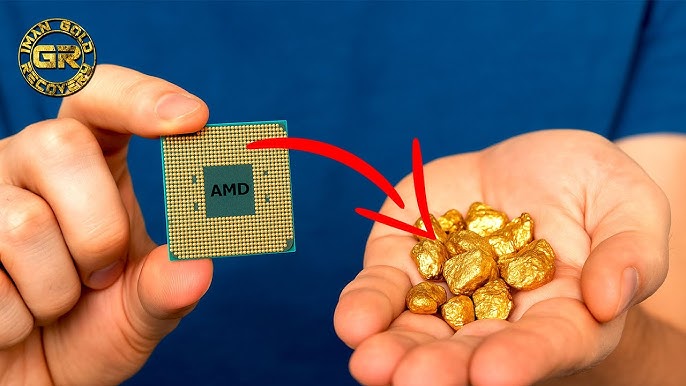
Did you know that your old electronics could be a hidden treasure trove? Yes, those outdated gadgets and devices collecting dust in your drawer might just be worth more than you think.
Imagine extracting gold from electronics right in the comfort of your home. The idea itself sparks curiosity, doesn’t it? You might wonder if it’s possible or worth the effort. Well, the answer is yes, and the process is more accessible than you might imagine.
In this guide, you’ll discover simple and safe steps to recover gold from electronics. This isn’t just about turning trash into treasure; it’s also about feeling empowered and resourceful. As you uncover the secrets of this fascinating process, you might find yourself looking at your old electronics in a whole new light. Dive into the full article to unlock the potential hidden within your gadgets. You won’t want to miss out on this intriguing and rewarding experience.

Credit: www.youtube.com
Why Recover Gold From Electronics
Recovering gold from old electronics offers more than just extra cash. It helps save resources and reduces waste. Many devices contain small amounts of gold that add up over time. Extracting gold at home can be a practical and rewarding activity. Understanding why it matters can motivate you to start.
Value Of Gold In Devices
Gold is a precious metal with high market value. Electronics use gold because it conducts electricity well and resists corrosion. Even tiny amounts in devices like phones and computers hold worth. Recovering gold can turn unused gadgets into a source of income. This makes e-waste a hidden treasure.
Environmental Benefits
Mining gold harms the environment by damaging land and polluting water. Recycling gold from electronics reduces the need for mining. This process lowers pollution and conserves natural resources. It also helps reduce electronic waste in landfills. Recovering gold at home supports a cleaner, greener planet.
Common Electronics With Gold
- Smartphones
- Computers and laptops
- Tablets
- Old circuit boards
- DVD players and other media devices
These items often contain gold in small parts like connectors and chips. Collecting and processing them can yield valuable gold pieces. Knowing which devices contain gold helps focus your efforts efficiently.
Safety Measures To Follow
Recovering gold from electronics involves handling hazardous materials. Following strict safety measures protects your health and home. Always prepare your workspace and wear the right gear. Safe handling of chemicals and good airflow are essential to avoid accidents.
Protective Gear
Wear gloves to protect your hands from harmful chemicals. Use safety goggles to shield your eyes from splashes. A long-sleeved shirt and pants help prevent skin contact. Consider a face mask to avoid inhaling dust or fumes. Proper gear reduces risk and keeps you safe.
Ventilation Tips
Work in a well-ventilated area to avoid breathing toxic fumes. Open windows and doors to increase airflow. Use a fan to push fumes outside. Avoid working in small, closed rooms. Good ventilation lowers the chance of breathing dangerous chemicals.
Handling Chemicals Safely
Read all chemical labels before use. Store chemicals in their original containers. Never mix different chemicals together. Use small amounts to reduce risk. Keep a fire extinguisher nearby in case of accidents. Dispose of chemicals properly according to local rules.
Tools And Materials Needed
Recovering gold from old electronics requires some basic tools and materials. These help to safely and effectively extract the precious metal. Preparing the right items before starting makes the process smoother and less risky.
Safety is important. Some tools and chemicals need careful handling. Always use protective gear like gloves and goggles. Work in a well-ventilated area to avoid harmful fumes.
Basic Tools List
- Screwdrivers for opening devices
- Pliers to remove small parts
- Wire cutters for cutting circuits
- Small brushes for cleaning
- Plastic or wooden sticks for scraping
- Magnifying glass to inspect tiny components
Chemicals For Extraction
- Aqua regia (mix of nitric and hydrochloric acid) to dissolve metals
- Hydrogen peroxide to aid chemical reactions
- Sodium metabisulfite for gold precipitation
- Distilled water for rinsing and dilution
- Protective gloves and safety goggles
Storage Containers
- Glass beakers or jars resistant to acids
- Plastic containers for safe chemical mixing
- Small bottles for storing extracted gold solution
- Labels to mark chemicals and solutions
- Sealable containers to prevent spills
Preparing Electronics For Recovery
Preparing electronics for gold recovery is a crucial part of the process that sets the foundation for effective extraction. You need to handle the devices carefully and methodically to avoid damaging valuable components. Taking your time here can improve the yield and make the next steps smoother.
Disassembling Devices
Start by gathering the right tools like screwdrivers, pliers, and tweezers. Carefully open the device, removing screws and clips without forcing any parts. Keep track of small pieces by organizing them in labeled containers to avoid confusion later.
Think about safety too—some electronics hold residual power or hazardous materials. Disconnect batteries and avoid touching circuit boards with bare hands to protect yourself and preserve the components.
Identifying Gold-plated Parts
Not all parts contain gold, so focus on components where gold is commonly used. Look for connectors, pins, circuit board edges, and some memory chips. These areas usually have a distinct shiny, yellowish tint compared to other metals.
Use a magnifying glass to inspect these parts closely. If you’re unsure, online images or guides can help you compare and confirm which parts are worth salvaging. Can you spot the difference between gold-plated and other metal parts in your devices?
Cleaning Components
Clean the gold-plated parts gently to remove dirt, dust, and grease that might block chemical reactions later. Use isopropyl alcohol and a soft brush or cloth for best results. Avoid harsh abrasives or excessive scrubbing that might remove the gold layer.
Dry the components thoroughly before moving on. Clean parts not only improve safety but also increase the efficiency of the gold recovery process. How clean are your parts before you start the next step?
Simple Chemical Methods
Simple chemical methods provide an easy way to recover gold from old electronics at home. These methods use common household chemicals. They help dissolve metals and separate gold without complex tools. The process is safe if done carefully and with proper protection. It requires patience and attention to detail.
Using Household Chemicals
Some household chemicals can dissolve metals and free gold. Common choices include vinegar, baking soda, and bleach. Acidic liquids like vinegar help break down metal parts. Bleach acts as a strong oxidizer to separate gold from other metals. Mixing these chemicals in the right way creates a solution that targets unwanted metals.
Step-by-step Extraction Process
- Gather small electronic parts with gold plating.
- Soak parts in vinegar for several hours.
- Add a small amount of bleach carefully to the vinegar.
- Stir the solution gently to mix chemicals.
- Watch as other metals dissolve, leaving gold behind.
- Remove parts and rinse with water to stop the reaction.
Filtering And Collecting Gold
After dissolving unwanted metals, filter the liquid through fine cloth or coffee filter. The gold remains as tiny flakes or powder. Rinse the collected gold carefully with water to clean it. Let it dry completely on a non-stick surface. The final product is ready for melting or crafting.

Credit: www.youtube.com
Alternative Mechanical Methods
Alternative mechanical methods offer a hands-on way to recover gold from electronics. These methods avoid chemicals and focus on physical techniques. They work well for small-scale projects at home. Patience and care are key to success.
Manual Scraping
Manual scraping uses simple tools like knives or screwdrivers. Gently scrape gold-plated parts, such as circuit boards or connectors. Collect tiny gold flakes that come off during scraping. Wear gloves to protect your hands from sharp edges. This method takes time but is safe and chemical-free.
Using Abrasive Tools
Abrasive tools include sandpaper, files, or rotary tools with sanding attachments. These tools help remove gold layers faster than manual scraping. Use fine grit sandpaper for delicate parts to avoid damage. Work in a well-ventilated space to reduce dust inhalation. Collect the gold dust carefully for further processing.
Sorting Gold Particles
Sorting separates gold from other materials after scraping or sanding. Use a small brush or tweezers to pick visible gold flakes. A magnet can help remove iron or steel pieces. Place the collected gold dust on white paper to see it clearly. Clean the particles gently to improve purity before refining.
Refining And Purifying Gold
Refining and purifying gold extracted from electronics is a crucial step to achieve pure, usable metal. Raw gold from e-waste contains many impurities that affect its quality and value. This process removes unwanted materials and enhances gold’s shine and purity. Following safe and simple methods can help you refine gold at home without special industrial tools.
Melting Techniques
Melting gold helps separate it from other metals and materials. Use a small crucible or metal container to hold the gold. Heat the container with a torch or furnace until the gold melts completely. The melting point of gold is 1,064°C (1,947°F), so use a heat source that can reach this temperature.
Wear heat-resistant gloves and work in a well-ventilated area. Avoid inhaling fumes and keep a fire extinguisher nearby. Stir the molten gold gently to help impurities float to the surface. This process makes it easier to remove unwanted elements.
Removing Impurities
After melting, impurities rise as slag or dross on top of the liquid gold. Use a metal spoon or skimmer to carefully remove this layer. Let the gold cool slightly to make removal easier. You can also add flux, a chemical that binds to impurities and separates them from gold.
Common flux materials include borax and soda ash. Mix flux with gold before heating to improve purification. Repeat melting and skimming several times for better results. The cleaner the gold looks, the purer it is.
Final Gold Form
Once impurities are removed, pour the molten gold into a mold or onto a flat, heat-safe surface. Let it cool and solidify. The gold will harden into a solid piece called a gold bar or ingot. You can also shape it into coins or jewelry forms.
Store the refined gold in a dry place to avoid tarnishing. Label it clearly if you plan to sell or use it later. Proper refining increases the value and usability of your recovered gold.

Credit: www.youtube.com
Tips For Maximizing Gold Recovery
Maximizing gold recovery from electronics at home requires a careful approach. You want to get the most value from your effort without wasting materials or time. Small changes in how you select devices, avoid errors, and care for your tools can make a big difference in the final yield.
Choosing The Right Devices
Not all electronics contain the same amount of gold. Look for items known to have higher gold content, such as old smartphones, computers, and certain circuit boards. Pay attention to components like connectors, pins, and CPU sockets—they often hold more gold than the rest of the device.
Before you start, ask yourself: Does this device have parts rich in gold? Focusing on high-value pieces saves effort and increases your returns.
Avoiding Common Mistakes
One common mistake is using harsh chemicals without proper knowledge, which can destroy gold or cause dangerous reactions. Always research and follow safe procedures for handling acids or other materials.
Another error is mixing different metals without separating them first. This can contaminate your final product and lower gold purity. Take the time to sort components carefully before processing.
Maintaining Equipment
Your tools and containers play a vital role in efficient recovery. Clean your equipment regularly to prevent buildup that can slow down chemical reactions.
Check for corrosion or damage and replace worn parts promptly. Well-maintained gear works better, lasts longer, and keeps your work safe.
Frequently Asked Questions
What Electronics Contain The Most Recoverable Gold?
Old computers, smartphones, and circuit boards have the most gold. Gold is used in connectors and chips for better conductivity. These devices are ideal for small-scale gold recovery at home.
How Safe Is Gold Recovery From Electronics At Home?
Gold recovery involves chemicals like acids, which can be hazardous. Always use protective gear and work in a well-ventilated area. Follow safety guidelines strictly to avoid health risks.
What Basic Tools Are Needed For Gold Recovery?
You need pliers, tweezers, a container, and chemicals like nitric acid. A small heating source and protective gloves are also essential. Simple tools make the process manageable at home.
Can I Recover Gold Without Harmful Chemicals?
Yes, there are chemical-free methods like using a blender and water. However, these yield less gold and take more time. Chemical methods are more effective but require caution.
Conclusion
Recovering gold from electronics at home takes care and patience. Follow safety steps to protect yourself and your space. Small amounts of gold can add up over time. Keep trying and learn from each attempt. This process helps reduce waste and saves money.
Enjoy turning old devices into valuable materials. Stay safe, be patient, and keep practicing. Your efforts make a difference for both you and the environment.
Leave a Reply