Are you ready to dive into the world of electronics DIY but feeling unsure about which resistors to choose? Picking the right resistor can make all the difference in your project’s success.
Whether you’re building a simple circuit or a complex gadget, understanding the types of resistors and how they work will save you time, money, and frustration. You’ll discover the key resistor types that every DIY enthusiast should know about, helping you make smarter choices and bring your ideas to life with confidence.
Keep reading, and you’ll never second-guess your resistor selection again!
Resistor Basics
Understanding resistor basics is essential before you start any electronics DIY project. Resistors are simple yet crucial components that control the flow of electric current in your circuits. Knowing what they do and how to read their specifications can save you time and frustration during your builds.
What Resistors Do
Resistors limit the amount of current that passes through a circuit. By doing this, they protect sensitive components from damage due to excess current. You can think of them as gatekeepers, deciding how much electrical energy can pass through.
Besides controlling current, resistors also help divide voltage and set timing in circuits. They play a key role in adjusting signal levels and filtering noise. Have you ever wondered why some LEDs glow brighter than others? The resistor connected to them controls that brightness.
Key Resistor Specifications
Choosing the right resistor means understanding a few critical specs:
- Resistance Value:Measured in ohms (Ω), it tells you how much the resistor resists current flow.
- Power Rating:Indicates how much energy the resistor can safely dissipate as heat, usually in watts (W).
- Tolerance:Shows how accurate the resistor’s value is, expressed as a percentage.
- Temperature Coefficient:Explains how resistance changes with temperature.
For example, if your circuit requires exactly 1,000 ohms with a 5% tolerance, the resistor’s actual resistance could range from 950 to 1,050 ohms. This small difference can affect sensitive circuits, so choosing the right tolerance matters.
Power rating is another practical point to consider. Using a resistor with too low power rating can cause it to overheat and fail. I once fried a resistor by ignoring this spec, and it took hours to find the problem in my circuit.

Credit: www.amazon.in
Common Resistor Types
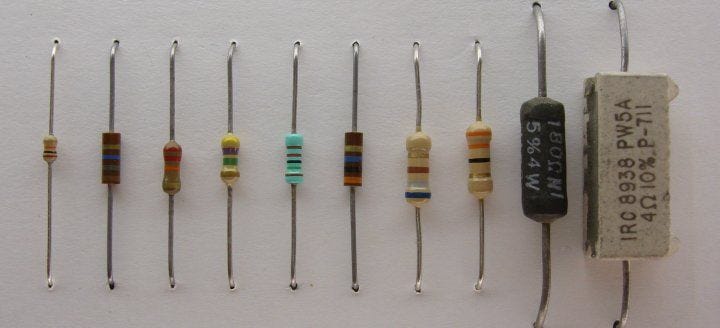
Resistors are essential in every electronics DIY project. They control current and voltage in circuits. Choosing the right type ensures your project works well and lasts long.
Several resistor types are common in electronics. Each type has unique features and uses. Understanding these helps pick the best resistor for your needs.
Carbon Film Resistors
Carbon film resistors use a thin carbon layer on a ceramic base. They are affordable and easy to find. These resistors work well in general electronics projects. Their tolerance is usually around 5%, enough for simple circuits. Carbon film resistors handle low to moderate power levels. They are popular for DIY and educational kits.
Metal Film Resistors
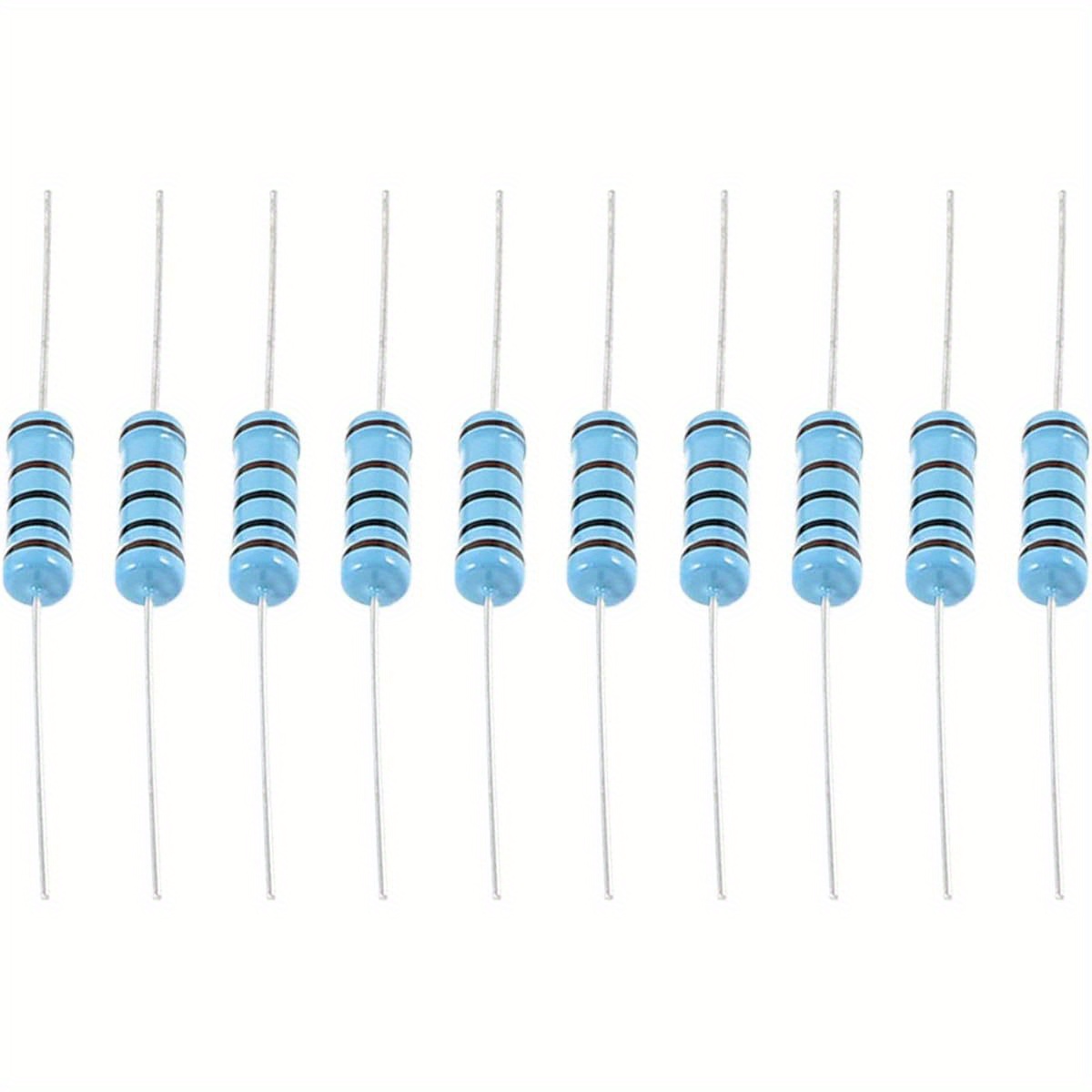
Metal film resistors have a metal oxide film on a ceramic core. They offer better precision and stability than carbon film types. Their tolerance can be as low as 1% or less. Metal film resistors produce less noise in circuits. They suit audio and sensitive electronic applications. These resistors are reliable and long-lasting.
Wirewound Resistors
Wirewound resistors consist of a metal wire wrapped around a ceramic core. They handle high power and generate less heat. These resistors are ideal for power supplies and motor controls. Wirewound types have very low tolerance, often 1% or better. Their size is larger compared to film resistors. They provide excellent stability under load.
Thick And Thin Film Resistors
Thick and thin film resistors differ in how the resistive layer is made. Thin film resistors use a very thin metal layer, offering high precision and low noise. Thick film resistors use a thicker, fired paste layer, often found in surface-mount devices. Thin film types suit high-frequency and precision circuits. Thick film resistors are common in budget-friendly, compact projects. Both types support various power ratings and sizes.
Choosing Resistors For Diy Projects
Choosing the right resistor is crucial for your electronics DIY projects. The resistor affects how your circuit functions, and picking the wrong one can lead to unexpected results or even damage. Understanding key factors like resistance value, power rating, tolerance, and temperature stability will help you make smarter choices and achieve better performance.
Matching Resistance Values
Start by identifying the exact resistance value your project needs. Resistors come in a wide range of values, typically measured in ohms (Ω). Using a resistor with the wrong value can throw off your circuit’s behavior, so always double-check the specifications in your schematic.
It’s common to find standard resistor values in series like 10Ω, 100Ω, or 1kΩ. But what if your design calls for something in between? You can combine resistors in series or parallel to get the precise resistance you need. Have you tried this approach before to fine-tune your circuits?
Power Rating Considerations
Each resistor has a maximum power rating, usually expressed in watts (W). This rating tells you how much heat the resistor can safely handle without burning out. If you pick a resistor with too low a power rating, it might get dangerously hot and fail.
For typical DIY projects, 1/4 watt resistors are common, but some circuits need 1/2 watt or even higher. Check the power dissipation your circuit demands and choose a resistor with some margin to keep things safe. Have you ever had a resistor fail because it was underrated?
Tolerance And Precision
Tolerance indicates how close the resistor’s actual resistance is to its stated value. A 5% tolerance means the resistance can vary by plus or minus 5%. For many hobby projects, 5% or 10% tolerance resistors work fine and cost less.
But if your circuit requires precise control, such as in audio or sensor applications, look for resistors with 1% or even 0.1% tolerance. Using high-precision resistors reduces guesswork and improves reliability. Which projects have pushed you to seek tighter tolerances?
Temperature Stability
Resistors change resistance as temperature changes, which can affect circuit performance. This is described by the temperature coefficient, usually in parts per million per degree Celsius (ppm/°C). Lower values mean better stability.
Carbon film resistors may have higher temperature coefficients, while metal film or wirewound types perform better under varying temperatures. If your project runs in an environment with fluctuating temperatures, consider this factor carefully. Have you noticed circuit issues due to temperature effects before?
Credit: www.temu.com
Specialized Resistors
Specialized resistors serve unique roles in electronic DIY projects. They adjust resistance based on conditions like temperature, light, or manual control. These resistors add flexibility and precision to circuits. Understanding their types helps choose the right resistor for your project needs.
Variable Resistors And Potentiometers
Variable resistors change resistance manually. Turning a knob or slider adjusts the resistance value. Potentiometers are a popular type of variable resistor. They control volume, brightness, and speed in devices. Easy to use and versatile, they suit many DIY electronics.
Thermistors
Thermistors change resistance with temperature. Two main types exist: NTC and PTC. NTC thermistors lower resistance as temperature rises. PTC thermistors increase resistance when heated. They protect circuits and measure temperature in projects.
Photoresistors
Photoresistors, or LDRs, change resistance based on light. They have high resistance in darkness and low resistance in light. Useful in light sensors and automatic lighting systems. Photoresistors help projects respond to changing light conditions effectively.
Sourcing Resistors For Diy
Sourcing resistors is key for any DIY electronics project. The right resistors ensure circuits work safely and correctly. Choose components that match your project’s needs and quality standards. Knowing where to buy, how to read datasheets, and testing at home saves time and money.
Where To Buy Quality Components
Buy resistors from trusted electronics stores or online suppliers. Select sellers with good reviews and detailed product info. Avoid very cheap parts that might fail or cause damage. Stores like Digi-Key, Mouser, and local electronics shops offer reliable options. Buy in small quantities if unsure about the part’s fit for your project.
Reading Datasheets
Datasheets provide key resistor details. Check resistance value, tolerance, power rating, and temperature range. Resistance is in ohms (Ω), tolerance shows allowed variation, and power rating indicates heat capacity. Read these specs carefully to match your circuit’s needs. Datasheets also show physical size and package type.
Testing Resistors At Home
Test resistors using a multimeter to verify resistance. Set the meter to the correct resistance range. Place probes on resistor leads and read the value. Compare this with the resistor’s stated value and tolerance. Testing helps spot damaged or incorrect parts before use. Store tested resistors in labeled containers for easy access.

Credit: www.anypcba.com
Tips For Working With Resistors
Working with resistors in electronics DIY projects requires care and precision. Proper techniques help ensure your circuits work well and last longer. Understanding how to handle, solder, and read resistor values avoids common errors. These tips simplify your project and improve results.
Proper Handling And Soldering
Always hold resistors by their leads to avoid damaging the body. Avoid touching the resistor body with bare hands to prevent oils affecting performance. Use a clean, temperature-controlled soldering iron to protect the resistor’s coating.
Keep soldering time short, about 2-3 seconds per joint. Excess heat can harm the resistor’s value or cause failure. Use a heat sink clip on leads if possible to protect the component. Let the solder cool naturally for a strong, clean connection.
Avoiding Common Mistakes
- Do not apply too much heat during soldering.
- Check resistor values twice before placement.
- Do not force resistor leads into holes; bend gently.
- Keep resistor leads trimmed but leave enough length for connections.
- Ensure resistor power rating matches circuit needs.
Ignoring these points often leads to circuit failure or inaccurate readings.
Using Color Codes Effectively
Resistor color codes show resistance and tolerance clearly. Learn the color bands and their numeric values. Use a color code chart or smartphone app for quick reference.
Read bands from left to right with the gold or silver tolerance band on the right. Verify values twice to avoid mistakes in your circuit. This skill saves time and reduces errors during assembly.
Frequently Asked Questions
What Are The Common Types Of Resistors For Diy Electronics?
Common types include carbon film, metal film, wirewound, and metal oxide resistors. Each type suits different DIY projects based on precision, power rating, and stability.
How To Choose The Right Resistor For Electronic Projects?
Select resistors based on resistance value, tolerance, power rating, and temperature stability. Match these to your circuit’s needs for optimal performance.
Are Carbon Film Resistors Suitable For Beginners?
Yes, carbon film resistors are affordable and widely used in DIY electronics. They offer decent accuracy and are easy to handle for beginners.
What Resistor Tolerance Is Best For Diy Electronics?
A tolerance of ±5% is common for general DIY projects. For precision circuits, choose resistors with ±1% or better tolerance.
Conclusion
Choosing the right resistor is crucial for your DIY projects. Different resistors serve different purposes. Each has unique characteristics. Consider your project needs carefully. Understanding these types can enhance your work. Resistors influence the performance of your circuits. Proper selection ensures efficiency and reliability.
Experiment with various types. Observe how they affect your designs. Keep learning and exploring. Your skills will grow. Enjoy your electronics journey!
Leave a Reply