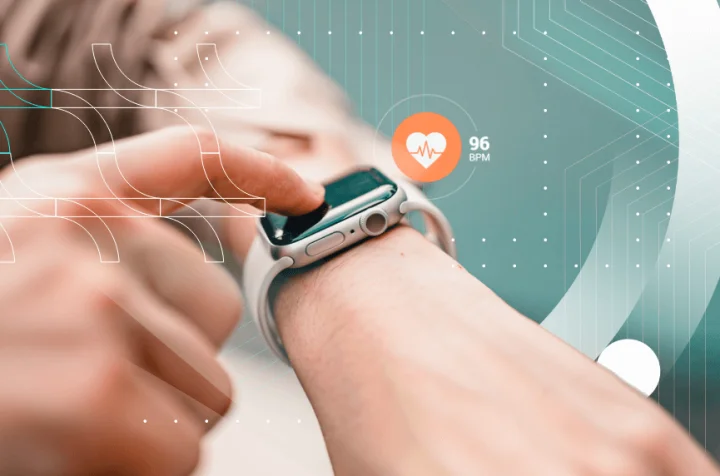
Have you ever wondered how your smartwatch or fitness tracker keeps an eye on your heart rate, steps, or sleep without interrupting your day? Wearable health technology might seem like magic, but there’s a fascinating science behind it that works quietly on your wrist or finger.
Understanding how these devices function can help you make smarter choices about your health and get the most out of your gadgets. Keep reading, and you’ll discover the simple technology inside that’s changing the way you track your wellbeing every single day.

Credit: onlinelibrary.wiley.com
Wearable Health Tech Basics
Wearable health technology helps track your body’s vital signs and activity. These devices collect data that shows your health trends over time. They offer a simple way to stay aware of your physical condition. Understanding the basics of wearable health tech reveals how these tools work and what makes them useful.
Types Of Devices
- Fitness trackers monitor steps, calories, and sleep patterns.
- Smartwatches combine fitness tracking with notifications and apps.
- Heart rate monitors focus on pulse and cardiovascular data.
- Glucose monitors track blood sugar levels for diabetics.
- Wearable ECG devices record electrical heart activity.
- Smart rings offer discreet health tracking on your finger.
Core Components
- Sensors:Detect physical signals like heart rate and movement.
- Microprocessors:Process the collected data inside the device.
- Battery:Powers the device for hours or days.
- Display:Shows information directly on the device screen.
- Wireless Connectivity:Sends data to smartphones or computers.
- Software:Analyzes data and offers health insights.

Credit: onlinelibrary.wiley.com
Sensors And Data Collection
Wearable health technology relies heavily on sensors to gather data from your body. These tiny devices work quietly on your wrist, chest, or even finger, capturing vital information about your health. Understanding what sensors are used and how they track your health metrics can help you make smarter choices about your wellness.
Common Sensors Used
Wearables use several types of sensors to monitor different aspects of your health. Some of the most common include:
- Accelerometers:Detect movement and orientation. They help count your steps and monitor physical activity.
- Gyroscopes:Measure rotation and balance. Useful for tracking complex motions during workouts.
- Optical Heart Rate Sensors:Use light to measure blood flow and calculate your pulse.
- Electrocardiogram (ECG) Sensors:Capture electrical signals from your heart to detect irregular rhythms.
- Temperature Sensors:Track skin temperature changes that can indicate illness or stress.
- SpO2 Sensors:Measure oxygen saturation in your blood, crucial for assessing respiratory health.
Each sensor plays a specific role, but together they provide a comprehensive picture of your health.
How Sensors Track Health Metrics
These sensors gather raw data constantly, which the wearable’s processor then analyzes. For example, an accelerometer detects your wrist’s movement patterns to estimate how many steps you take. It’s like having a mini activity coach always on duty.
Optical heart rate sensors shine light through your skin and measure how much light is absorbed by your blood. This helps calculate your heartbeat without invasive tools. The precision of this data can surprise you, especially during intense workouts or rest.
ECG sensors add another layer by recording electrical activity in your heart. This feature can alert you to irregularities that you might not notice otherwise. Imagine catching a potential issue early because your wearable picked it up.
Have you ever wondered how your wearable knows when to alert you about stress or fatigue? It’s the combination of data from these sensors that helps create such insights. The device compares your current readings against personal baselines, showing you when something feels off.
Data Processing And Analysis
Wearable health technology collects raw data from sensors worn on the body. This data needs to be processed and analyzed to provide meaningful health insights. The process transforms signals into useful information about your body’s condition. Accurate analysis helps detect health issues early and supports better personal health management.
Signal Processing Techniques
Signal processing cleans and prepares raw data for analysis. It removes noise and interference that can distort the readings. Common techniques include:
- Filtering to eliminate unwanted signals
- Amplification to boost weak signals
- Segmentation to divide data into smaller parts
- Feature extraction to identify important patterns
These steps ensure the data is clear and ready for further examination. Precise signal processing improves the reliability of health metrics.
Machine Learning Applications
Machine learning helps wearable devices learn from data patterns. It uses algorithms to predict health conditions or detect anomalies. Examples include:
- Activity recognition to track movement types
- Heart rate variability analysis for stress detection
- Sleep stage classification to monitor rest quality
- Early warning systems for abnormal health events
Machine learning models improve with more data, becoming more accurate over time. This technology personalizes health feedback for each user.
Connectivity And Communication
Connectivity and communication form the backbone of wearable health technology. Without seamless data exchange, these devices can’t deliver real-time insights or keep you informed about your health status. Understanding how your wearable stays connected helps you appreciate the technology’s role in supporting your wellness journey.
Wireless Technologies
Wearable health devices rely heavily on wireless technologies to communicate with your smartphone, computer, or cloud services. Common methods include Bluetooth, Wi-Fi, and sometimes cellular networks.
Bluetooth is the most popular choice due to its low power consumption and reliable short-range connection. It allows your wearable to send data continuously without draining the battery quickly. Wi-Fi provides faster data transfer but uses more power, so it’s usually reserved for syncing larger amounts of data when you’re near a network.
Some advanced wearables include cellular connectivity, enabling them to operate independently without a nearby phone. This is especially useful for emergency alerts or tracking during outdoor activities. Have you ever wondered how your smartwatch can update your health stats even when your phone is in another room?
Data Synchronization
Data synchronization is the process that ensures the information collected by your wearable is accurately reflected on your devices and apps. This happens automatically, often in the background, so you don’t have to lift a finger.
Synchronization can be continuous or scheduled. Continuous sync means your wearable sends data in real-time, which is great for monitoring vital signs like heart rate or glucose levels. Scheduled sync usually occurs when the device connects to Wi-Fi or a paired smartphone, ideal for less urgent data like sleep patterns.
Sometimes, synchronization issues can lead to missing or outdated information. Have you noticed gaps in your activity logs? That’s often due to temporary disconnections or low battery. Keeping your devices charged and within range improves data accuracy and helps you make better health decisions based on reliable information.
User Interface And Feedback
The user interface and feedback system in wearable health technology plays a crucial role in how effectively you can monitor and manage your health. It’s not just about collecting data; it’s about presenting it in a way that’s easy to understand and act upon. The design of these interfaces directly impacts your motivation and responsiveness to health alerts.
Display Methods
Wearable devices use various display methods to present health data clearly. Some have small screens that show numbers and graphs, while others rely on LED lights or vibrations to communicate information.
For example, smartwatches often feature touchscreens where you can scroll through heart rate, steps, or sleep stats. Simpler devices might use color-coded lights to indicate activity levels—green for good, yellow for caution, and red for alert.
Which display method do you find most helpful when checking your health stats quickly? Choosing a device with a display that fits your lifestyle can make a big difference in staying engaged.
Real-time Alerts
Real-time alerts are a powerful part of wearable health technology. They notify you immediately if something needs your attention, like an irregular heartbeat or unusually low oxygen levels.
These alerts can come as vibrations, sounds, or on-screen messages. I remember once receiving a sudden heart rate alert during a workout, which helped me prevent overexertion.
How often do you check your device for alerts, and do you trust them enough to change your behavior? The immediacy of feedback encourages you to take prompt action, making the technology a true health companion.

Credit: www.jacc.org
Security And Privacy
Security and privacy are at the heart of wearable health technology. These devices collect sensitive data about your body and habits, so protecting that information is critical. Without strong safeguards, your personal health details could be exposed or misused.
Data Encryption
Data encryption acts like a secret code for your health information. It scrambles your data so only authorized devices or apps can read it. This means even if someone intercepts your data, it will be nearly impossible for them to understand it.
Most wearable devices use advanced encryption standards during data transfer and storage. This protects information both when it moves between your device and your phone and when it’s stored in the cloud.
Have you ever wondered how your fitness tracker keeps your heartbeat data safe while syncing with an app? Encryption is the answer. It ensures your health stats remain private and secure.
User Consent And Control
Your control over data sharing is essential for privacy. Wearable devices usually ask for your explicit permission before collecting or sharing health data with third parties.
Many devices provide settings to manage what data is shared and with whom. You can often choose to share only certain types of data or disable data sharing completely.
Think about how much power you have over your digital health information. Are you comfortable with all your data being accessible, or do you prefer to limit sharing? Understanding these options helps you make smarter choices about your privacy.
Challenges And Limitations
Wearable health technology offers impressive benefits, but it also faces real challenges that affect your daily experience. Understanding these limitations helps you set realistic expectations and make smarter choices about which devices suit your lifestyle. Let’s look closely at two major hurdles: battery life and accuracy issues.
Battery Life
One of the biggest frustrations with wearable devices is their battery life. Most health trackers need charging every one to three days, which can disrupt continuous health monitoring. Imagine missing important heart rate alerts just because your device died overnight.
Manufacturers try to balance functionality with power consumption, but adding more sensors or features drains the battery faster. You might want to consider how often you’re willing to charge your device before picking one. Would you trade some features for longer battery life?
Accuracy Issues
Accuracy is another common limitation in wearable health tech. Sensors can be affected by skin tone, placement, and movement, leading to inconsistent or misleading data. For example, wrist-based heart rate monitors might struggle during intense workouts or if the fit isn’t snug.
These inaccuracies can cause unnecessary stress or false reassurance. You should treat wearable data as a helpful guide rather than a definitive medical diagnosis. How often do you check your device’s readings against traditional measurements or professional advice?
Future Trends
The future of wearable health technology holds exciting possibilities. These devices will become more accurate and easier to use. They will help people monitor health in real time. New features will support better health decisions and quicker medical responses.
Advancements In Sensors
Sensors will become smaller and more sensitive. They will track more health signals like blood sugar and hydration. These sensors will use less power and last longer. New materials will make sensors flexible and comfortable to wear. This will allow continuous health monitoring without discomfort.
Integration With Healthcare Systems
Wearables will connect more deeply with hospitals and clinics. Data from devices will flow directly to doctors. This will help doctors see patient health trends over time. Alerts will notify medical staff about urgent health issues. Better integration will improve personalized treatment and reduce hospital visits.
Frequently Asked Questions
What Is Wearable Health Technology?
Wearable health technology consists of devices that track health metrics like heart rate and activity. They use sensors to collect real-time data. This helps users monitor fitness, sleep, and vital signs easily.
How Do Wearables Monitor Vital Signs?
Wearables use sensors like photoplethysmography and accelerometers to measure heart rate, blood oxygen, and movement. Data is then processed to provide health insights. This allows continuous, non-invasive monitoring.
Can Wearable Devices Detect Health Issues Early?
Yes, wearables can identify irregular patterns in heart rate or sleep. Early detection helps prevent serious conditions. Users receive alerts to seek medical advice promptly.
How Is Data From Wearables Secured?
Wearable devices use encryption and secure cloud storage to protect user data. Manufacturers follow strict privacy protocols. Users should review permissions and update software regularly.
Conclusion
Wearable health technology tracks your body’s important signals daily. It uses sensors to measure heart rate, steps, and sleep quality. Data goes to apps that help you understand your health. This tech supports better habits and early problem detection. Many people find it easy to use and helpful.
It keeps health information close and clear. The future of health monitoring looks bright and simple. Wearables make staying healthy more natural and smart.
Leave a Reply