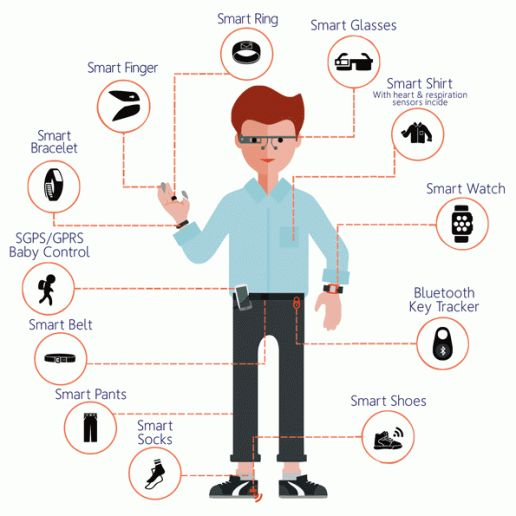
Have you ever wondered which gadgets you wear every day actually count as wearable technology? It’s easy to get confused with so many devices claiming to be “smart” and “wearable.” But what if one of the items you think is wearable tech isn’t really part of that group?
Knowing the difference can help you make smarter choices about the devices you use and how they fit into your life. Keep reading, and you’ll discover which common items don’t belong in the wearable tech world—and why that matters to you.
Common Wearable Devices
Wearable technology has become a part of everyday life for many people. These devices offer convenience, health tracking, and even entertainment right on your body. But with so many options, it can be tricky to know which gadgets truly count as wearable technology.
Smartwatches And Fitness Trackers
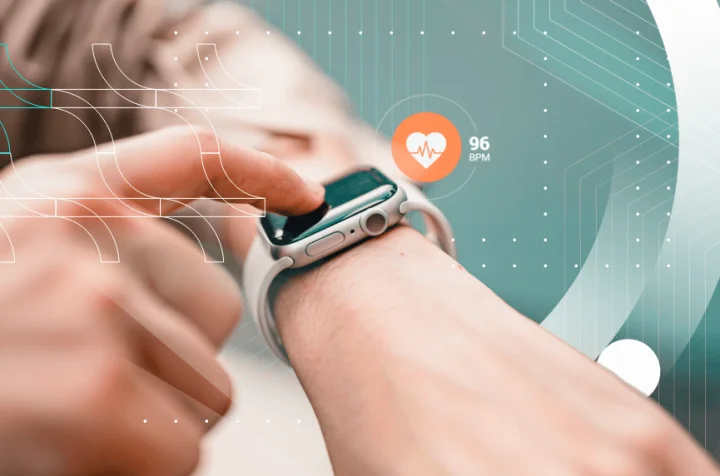
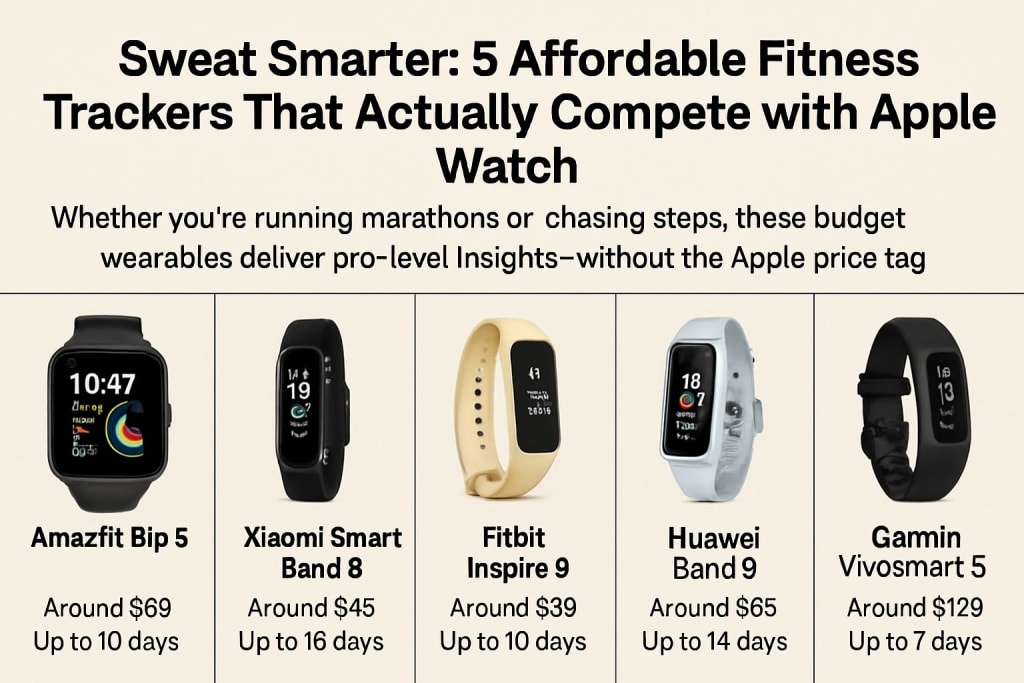
Smartwatches and fitness trackers are among the most popular wearable devices. They monitor your heart rate, count steps, and even show notifications from your phone. If you’ve ever received a text on your wrist or tracked a workout, you’ve experienced this tech firsthand.
Many smartwatches now include GPS and music storage, making them handy for workouts without carrying a phone. Fitness trackers often focus more on health metrics, like sleep quality and calories burned. Both devices keep you connected and aware of your health in real time.
Smart Glasses And Headsets
Smart glasses and headsets add a new dimension to wearable tech by integrating augmented reality and hands-free communication. Imagine getting directions or translating a sign without looking at your phone. These devices blend digital information with your real-world view.
Headsets, including earbuds and VR gear, also fall into this category. They enhance your listening experience or immerse you in virtual environments. If you’ve used a VR headset to play a game or attend a virtual meeting, you’ve tapped into this tech’s potential.
Wearable Medical Devices
Wearable medical devices are designed to monitor specific health conditions continuously. Devices like glucose monitors for diabetics or heart monitors can send critical data to healthcare providers. These wearables improve health management by providing real-time information.
Some medical wearables can even alert you to potential emergencies, offering peace of mind. If you or someone you know relies on such technology, you understand how vital these devices are. They represent a powerful intersection of healthcare and wearable innovation.

Credit: blog.stackademic.com
Devices Often Mistaken As Wearables
Many devices look like wearable technology but do not fit the definition. Wearable technology is usually worn on the body and tracks health or activity. Some popular gadgets are often confused as wearables but serve different purposes.
These devices might be portable or used close to the body. Yet, they lack the continuous, body-worn aspect or specific functions of wearables. Understanding these differences helps clear up common confusion.
Smartphones And Tablets
Smartphones and tablets are portable and widely used. They offer apps for health and fitness tracking. Still, these devices are handheld or placed on surfaces, not worn on the body.
They do not monitor health continuously like wearables. Their main function is communication, entertainment, and productivity. Hence, smartphones and tablets are not considered wearable technology.
Virtual Reality Headsets
Virtual reality (VR) headsets fit on the head and cover the eyes. They create immersive digital experiences for gaming and training. Despite being worn, VR headsets do not track health or fitness data.
Their purpose is visual and interactive, not wearable monitoring. VR headsets are devices for entertainment and simulation, not wearable technology.
Portable Music Players
Portable music players are small devices for playing audio on the go. They can be clipped to clothing or carried in pockets. These players do not collect health or activity data.
They are designed only for media playback, not body monitoring. Therefore, portable music players are not classified as wearable technology.
Key Features Of Wearable Technology
Wearable technology has become a part of daily life for many people. These devices offer unique features that set them apart from other gadgets. Understanding these features helps identify which items qualify as wearable technology.
Wearables focus on continuous use and real-time data. They connect smoothly with other devices. User convenience and easy interaction are key priorities. Let’s explore these features in detail.
Continuous Data Collection
Wearable devices gather data nonstop. This feature allows tracking of health, fitness, and activity. Sensors monitor heart rate, steps, and sleep patterns constantly. This real-time data helps users make quick decisions. Continuous tracking is essential for accurate insights and alerts.
Integration With Other Devices
Wearables often connect with smartphones and computers. This integration allows syncing data across platforms. Users can view detailed reports on apps or cloud services. Bluetooth and Wi-Fi are common connection methods. Seamless integration enhances the user experience and functionality.
User Interaction And Convenience
Easy use is a must for wearable technology. Devices offer simple controls like touchscreens or buttons. Many wearables provide alerts through vibrations or sounds. Lightweight and comfortable design ensures long-term wear. Convenience encourages consistent use and better results.
Credit: www.bgosoftware.com
Myths Around Wearable Technology
Wearable technology has grown fast, changing how people use gadgets daily. Many believe wrong things about these devices. These myths can confuse people about what wearables really are and how they work.
Clearing up these myths helps in understanding wearable technology better. It also shows which gadgets are truly wearables and which are not.
All Small Gadgets Are Wearables
Not every small gadget counts as wearable technology. Size alone does not make a device wearable. True wearables are designed to be worn on the body, like smartwatches or fitness bands. Small devices like USB drives or tiny cameras are not wearables. They are portable but not meant to be worn.
Wearables Are Only For Fitness
Many think wearables are just for fitness tracking. This is not true. Wearable technology serves many purposes beyond health. Some wearables help with communication, like smart glasses. Others assist in navigation, safety, or even monitoring medical conditions. Fitness tracking is just one of the many uses.
Wearables Require Constant Internet
People often believe wearables need constant internet to work. This is false. Many wearables function offline, storing data locally. They sync with other devices when internet is available. Some features, like notifications, need internet, but basic functions do not. Wearables can be useful without always being online.
Future Trends In Wearables
Wearable technology is evolving fast. Devices are becoming smarter, smaller, and more useful every year. The future of wearables promises exciting features that will change daily life. These trends focus on health, connectivity, and style.
Advanced Health Monitoring
Wearables will track more health data with greater accuracy. Sensors will measure vital signs like blood pressure and glucose levels. Early illness detection could become possible through continuous monitoring. These devices will help users manage chronic conditions better. Real-time health advice may soon be available on your wrist.
Enhanced Connectivity
Wearables will connect seamlessly with other devices and networks. 5G and future networks will boost data speed and reliability. Users will enjoy instant updates and communication without a phone. Integration with smart home devices will improve convenience. Voice commands and gestures will control gadgets easily.
Fashion And Functionality
Wearables will blend style with technology. Designers will create devices that match personal taste and outfits. Materials will be lightweight, flexible, and comfortable to wear all day. Customizable displays will let users express themselves uniquely. Fashion will no longer be separate from technology.
Credit: vocal.media
Frequently Asked Questions
What Devices Are Considered Wearable Technology?
Wearable technology includes gadgets worn on the body. Examples are smartwatches, fitness trackers, smart glasses, and VR headsets. These devices collect data and enhance user interaction with digital services.
How To Identify Non-wearable Technology?
Non-wearable technology is not designed to be worn. It includes desktop computers, televisions, and smartphones. These devices are stationary or handheld but not intended for continuous wear.
Why Are Some Devices Not Classified As Wearables?
Devices not worn on the body lack wearable status. Wearables must be portable and fit comfortably on users. If a device doesn’t meet these criteria, it’s not considered wearable technology.
Can Smartphones Be Categorized As Wearable Technology?
Smartphones are not classified as wearable technology. They are handheld, not worn on the body. Wearables are designed for continuous, hands-free use, unlike smartphones.
Conclusion
Understanding wearable technology helps make informed choices in tech purchases. It’s crucial to know what fits the “wearable” category. This knowledge aids better decision-making. Devices like smartwatches and fitness trackers are clear examples. But, knowing what isn’t wearable tech is equally important.
This clarity prevents confusion. It ensures you invest in the right gadgets. As technology evolves, staying informed becomes essential. Keep learning and exploring new tech developments. This empowers you in a tech-driven world. So, continue researching and adapting to new innovations.
It ensures you stay ahead in the tech game.
Leave a Reply