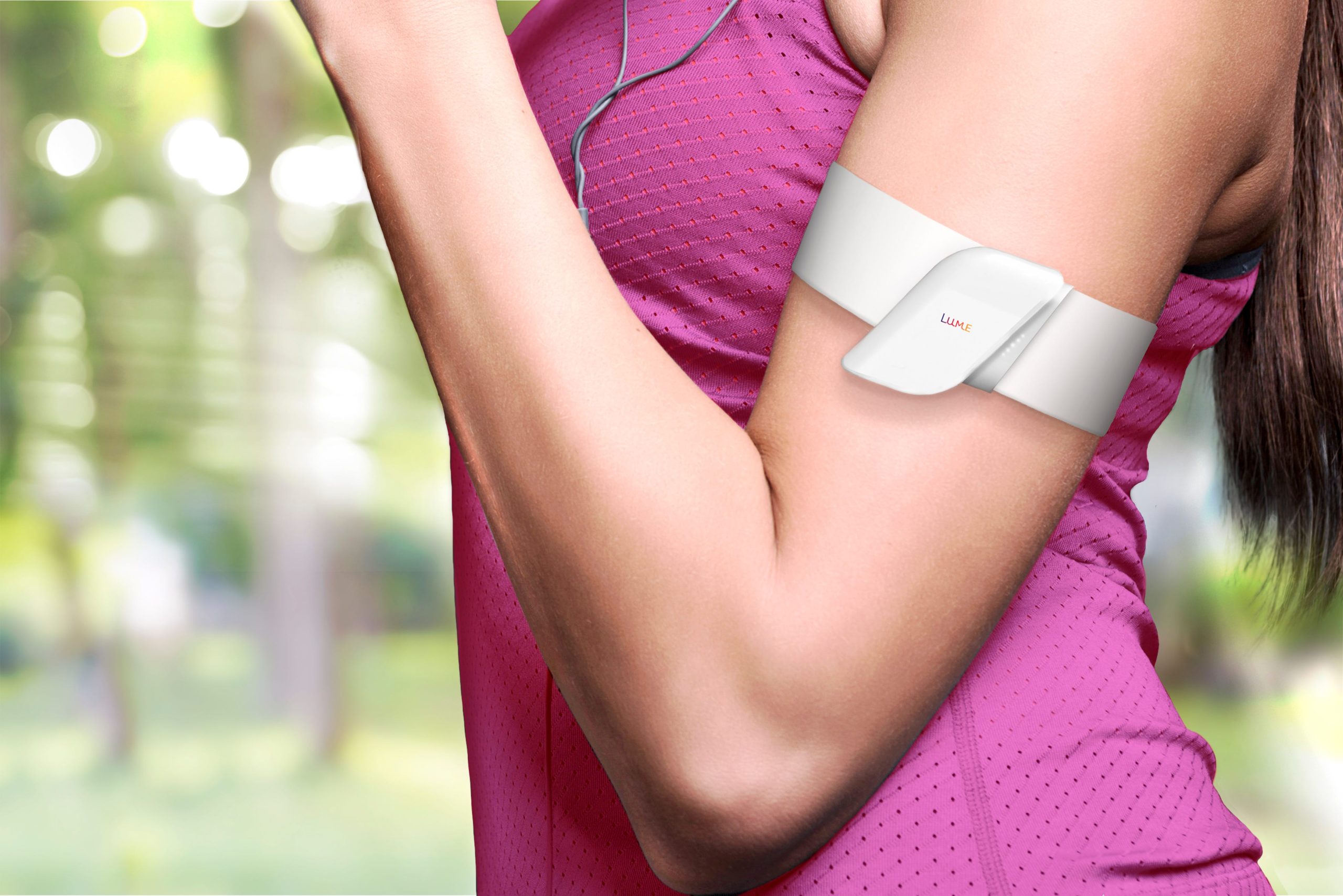
Are you struggling to shed those extra pounds despite trying different diets and workouts? You might have heard about wearable technology promising to make weight loss easier.
But does it really help you lose weight, or is it just another gadget collecting dust? You’ll discover how these devices can impact your journey, what they actually track, and whether they’re worth your time and money. Keep reading to find out how wearable tech could be the game-changer you’ve been looking for.
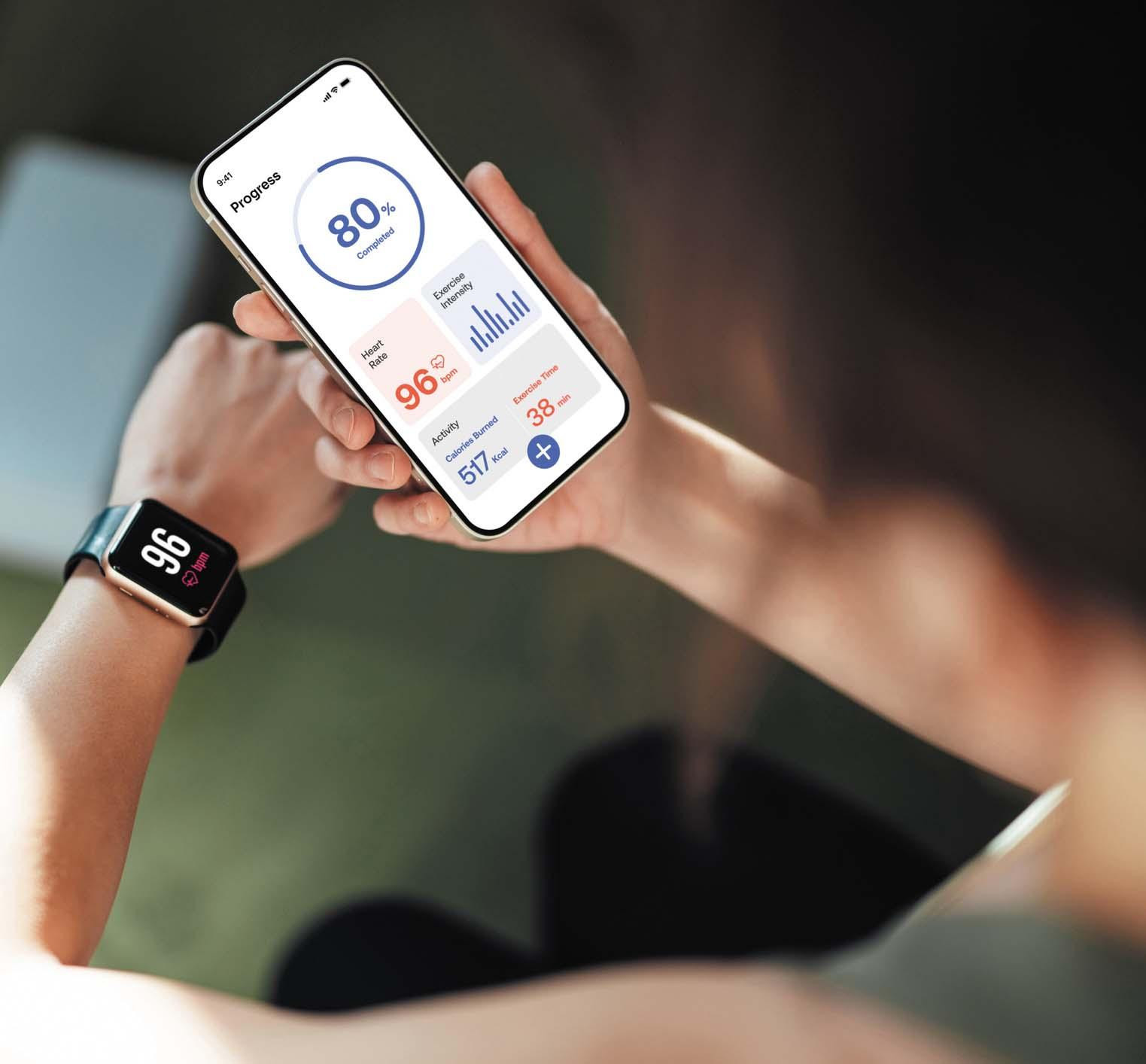
Credit: www.health.harvard.edu
How Wearables Track Fitness
Understanding how wearable technology tracks your fitness is key to using it effectively for weight loss. These devices go beyond just counting steps; they collect detailed data that helps you see how active you really are. Let’s break down how wearables gather and use this information to support your fitness goals.
Sensors And Data Collection
Wearables use a combination of sensors to monitor your body and movements throughout the day. Accelerometers detect motion, helping count steps and track activity intensity. Gyroscopes measure orientation and rotation, which improves accuracy in tracking exercises like cycling or yoga.
Heart rate sensors track your pulse continuously, giving insights into your workout intensity and calorie burn. Some devices also include skin temperature sensors and even SpO2 monitors to gauge oxygen levels. This variety of sensors means your wearable collects a broad range of data points that paint a detailed picture of your health.
Types Of Metrics Monitored
Wearables don’t just gather random data—they focus on specific metrics that matter for weight loss and fitness. Commonly tracked metrics include:
- Steps taken:Basic but effective for encouraging movement throughout the day.
- Heart rate:Helps identify fat-burning zones and recovery times.
- Calories burned:Calculated using your activity, heart rate, and personal data like age and weight.
- Sleep quality:Monitors rest patterns, which influence metabolism and weight management.
- Active minutes:Tracks how long you spend in moderate to intense activity.
By monitoring these metrics consistently, you can spot trends and adjust your habits. Have you noticed how certain activities boost your heart rate more and help you burn calories faster? Your wearable makes these connections clear, turning raw data into actionable insights.
Impact On Physical Activity
Wearable technology influences physical activity by tracking movements and providing real-time feedback. This helps users understand their daily activity levels and make better choices to stay active. Such devices promote a more active lifestyle by encouraging frequent movement and exercise.
Motivation And Accountability
Wearables boost motivation by showing progress clearly. Seeing steps counted or calories burned encourages users to move more. They create a sense of accountability, as users want to meet daily targets. Alerts and reminders push people to avoid long periods of inactivity. This ongoing feedback helps keep exercise a regular habit.
Setting And Achieving Goals
Users can set simple, clear goals using wearable devices. Goals may include walking a certain number of steps or exercising for specific minutes. Devices track progress and celebrate small wins, which builds confidence. Adjusting goals over time keeps challenges suitable and achievable. This step-by-step approach helps maintain steady physical activity improvements.
Role In Diet And Nutrition
Wearable technology plays a significant role in supporting your diet and nutrition goals. These devices go beyond just tracking steps or heart rate—they provide detailed insights that can shape how you eat. By offering real-time feedback and personalized data, wearables help you make smarter food choices every day.
Calorie Counting Features
One of the most popular tools in wearable tech is calorie counting. These devices estimate the number of calories you burn and compare it to what you consume. This helps you stay aware of your energy balance without the guesswork.
Some wearables connect with apps that allow you to log every meal quickly. This makes tracking calories less of a chore and more of a habit. Have you noticed how easy it becomes to spot when you’re overeating or under-fueling?
Real-time updates can also keep you motivated. When you see your calorie budget shrinking throughout the day, it encourages better meal choices. This constant feedback loop pushes you to stay on track with your weight loss goals.
Meal Tracking And Recommendations
Beyond calories, many wearables help you track the quality of your meals. They analyze macronutrients like protein, carbs, and fats, giving you a clearer picture of your nutrition. This helps you understand if your diet supports your weight loss effectively.
Some devices even suggest healthier alternatives based on your eating patterns. Imagine getting a nudge to swap out a sugary snack for something more nourishing. These small changes add up over time and can make a big difference.
Have you tried using these recommendations to tweak your diet? It’s surprising how personalized tips can change your eating habits without feeling restrictive. Wearable tech turns nutrition into an interactive experience that adapts to your lifestyle.
Psychological Benefits
Wearable technology does more than just track your steps or calories—it impacts your mindset. The psychological benefits are powerful because they shape how you think about weight loss and your body. This mental shift can be the difference between giving up and pushing forward.
Behavioral Changes
Wearables provide constant feedback, making you more aware of your daily choices. This awareness often leads to small behavioral changes, like taking the stairs instead of the elevator or drinking more water throughout the day.
One user shared how seeing her inactivity alerts pushed her to move during breaks at work. These tiny shifts add up and create a sense of accomplishment that motivates you to keep going. Could this real-time feedback be the nudge you need to break unhealthy patterns?
Building Healthy Habits
Consistency is key in weight loss, and wearables help you build healthy habits by setting daily goals and reminding you to stay on track. Over time, these reminders become second nature, turning actions into routines.
For instance, some people find that tracking their sleep improves their energy levels, which then makes it easier to stick to exercise plans. How can you use these habit-forming cues to create a lifestyle that supports your weight goals?
Scientific Evidence And Studies
Scientific evidence plays a key role in understanding the impact of wearable technology on weight loss. Studies and trials help measure its effectiveness and reveal how these devices influence user behavior. Research focuses on tracking physical activity, calorie burn, and long-term health changes.
Clinical Trials Results
Clinical trials often test wearable devices by monitoring participants’ activity levels and weight changes. Many trials show that wearables increase daily steps and physical activity. Users tend to become more aware of their habits and make healthier choices.
Some trials report modest weight loss linked to wearable use. The devices provide real-time feedback, which motivates users to stay active. Tracking progress visually encourages goal setting and perseverance.
Challenges remain, such as device accuracy and user engagement over time. Not all trials show significant weight loss, but most agree wearables support behavior change.
Long-term Weight Loss Outcomes
Long-term studies assess whether wearable technology helps maintain weight loss. Evidence suggests that consistent use can support sustained activity levels. This ongoing movement is crucial for keeping weight off.
Results vary, with some users showing lasting benefits and others losing interest. Success depends on combining wearables with diet, coaching, or social support.
Long-term data highlight the importance of motivation and habit formation. Wearables alone may not guarantee weight loss but can be a useful tool in a larger health plan.
Limitations Of Wearable Tech
Wearable technology offers many benefits for weight loss. It tracks activity, calories, and sleep. Despite this, some limits can affect results. Understanding these limits helps set realistic goals and expectations.
Accuracy Concerns
Wearable devices may not always measure data precisely. Sensors can misread heart rate or step count. Small errors add up over time, affecting calorie estimates. Different brands vary in accuracy, causing inconsistent results. Environmental factors like temperature and movement also interfere. Users might rely too much on data that isn’t exact.
User Engagement Challenges
Many people stop using wearables after a short time. Motivation can drop if progress feels slow or unclear. Constant notifications may become annoying and ignored. Some users find the devices uncomfortable to wear daily. Without proper guidance, users may not know how to use data well. Long-term commitment is needed for real weight loss benefits.
Choosing The Right Device
Choosing the right wearable device can make a big difference in weight loss efforts. The perfect gadget matches your needs and lifestyle. It should offer useful features and work smoothly with your other tech. The right choice keeps you motivated and on track.
Features To Consider
Look for devices that track important health data. Key features include:
- Step counting and distance tracking
- Heart rate monitoring
- Sleep analysis
- Calorie tracking
- GPS for outdoor activities
- Water resistance for swimming or sweating
- Notifications and reminders
Choose features that match your activity type and goals. Simple designs work well for beginners. Advanced options suit those wanting detailed insights.
Budget And Compatibility
Set a budget before searching for devices. Prices vary from basic to high-end models. Decide what fits your wallet and needs.
Check if the device pairs with your smartphone or computer. Compatibility affects data syncing and app use. Most devices work with popular operating systems like iOS and Android.
Consider battery life and charging options too. Long battery life means less hassle and more tracking time.
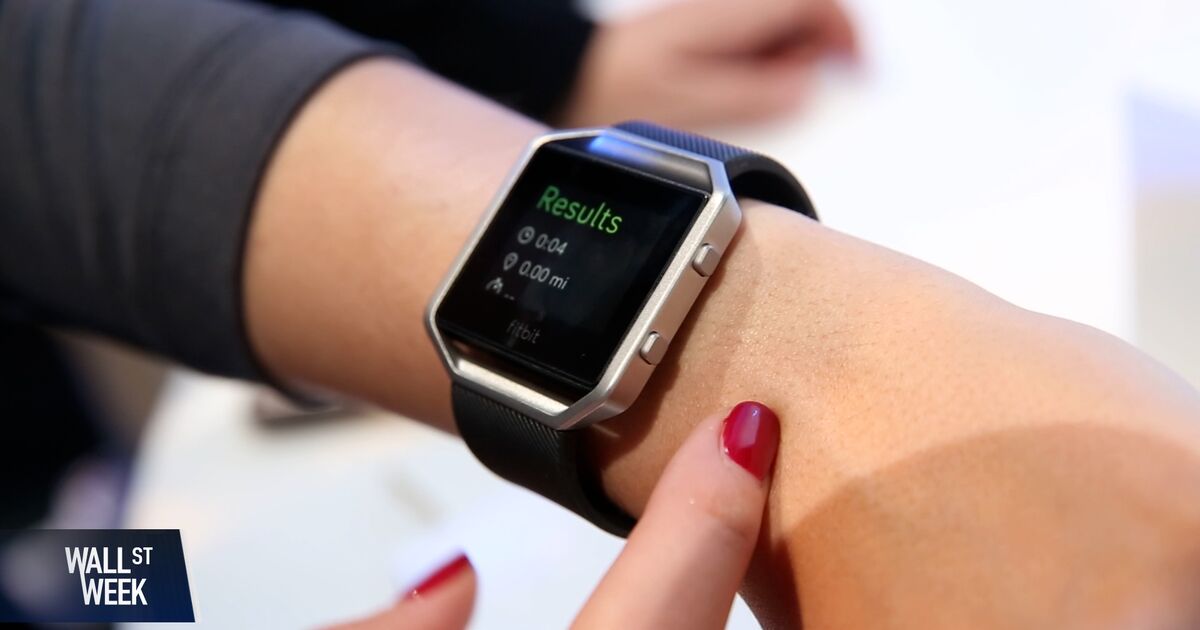
Credit: www.bloomberg.com
Tips For Maximizing Results
Using wearable technology for weight loss works best with smart habits. Small changes can improve tracking and motivation. Focus on habits that keep you engaged and consistent. Combine data from wearables with other health tools to get a full picture. These tips help you gain the most benefits from your device.
Consistent Usage
Wear your device daily to gather accurate data. Skipping days causes gaps in tracking progress. Set reminders to put on your wearable each morning. Check your stats regularly to stay motivated. Consistency builds habits and makes data more reliable. Track steps, heart rate, and calories burned every day.
Integrating With Other Health Tools
Use apps that connect with your wearable for better insights. Combine food logs with activity data to spot patterns. Sync sleep trackers to understand how rest affects weight loss. Share your data with fitness coaches or health professionals. Integration helps create a clear plan based on real data. Choose tools that work well together for easy use.
Credit: www.ajc.com
Frequently Asked Questions
How Does Wearable Technology Aid Weight Loss?
Wearable technology tracks physical activity, calories burned, and heart rate. This data helps users monitor progress and stay motivated for weight loss.
Can Wearables Improve Exercise Consistency?
Yes, wearables provide reminders and goals, encouraging regular exercise. Consistent activity is key to effective weight loss and better health.
Do Wearables Track Calorie Intake Accurately?
Most wearables estimate calories burned but rely on user input for intake. Accurate tracking depends on honest and consistent food logging.
Are Wearable Devices Suitable For All Fitness Levels?
Wearables offer customizable goals, making them useful for beginners to advanced users. They adapt to different fitness levels and weight loss needs.
Conclusion
Wearable technology can aid in weight loss. It tracks daily activity, which keeps you informed. You see progress, feel motivated, and stay committed. Regular feedback helps you make better choices. Many find it easier to stick to their goals. It’s like having a personal coach on your wrist.
Not a magic solution, but a helpful tool. Combined with a healthy lifestyle, success is achievable. Remember, every step counts towards your goal. Give it a try and see the difference. Stay active, stay healthy, and let technology guide you.
Leave a Reply