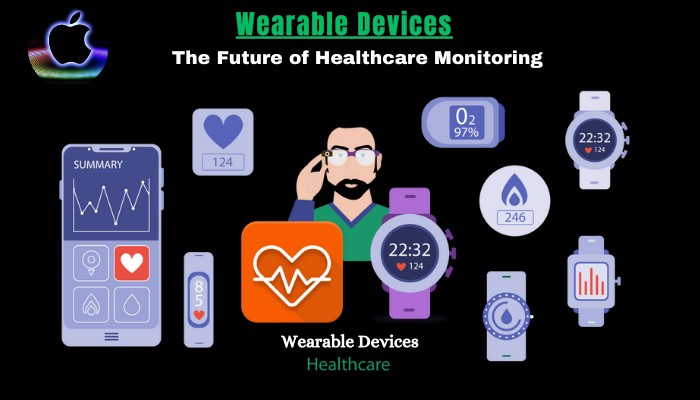
Have you ever wondered how your watch or fitness band can track your heart rate, sleep, or even stress levels? That’s wearable technology health at work.
It’s not just cool gadgets; it’s a powerful way to understand your body better every day. Imagine having real-time insights that help you make smarter choices for your health and well-being. You’ll discover what wearable technology health is, how it works, and why it might just be the key to taking control of your own health journey.
Keep reading—you’ll want to know how these small devices can make a big difference in your life.
Evolution Of Wearable Tech
The evolution of wearable technology has transformed how you monitor and manage your health. From bulky gadgets to sleek, smart devices, wearable tech has steadily become a part of everyday life. Understanding its journey helps you appreciate the tools you now have at your fingertips.
Early Devices And Milestones
Wearable technology started with simple gadgets focused on tracking basic physical activity. Early pedometers and heart rate monitors paved the way by offering users a glimpse into their daily movements and fitness levels.
One notable milestone was the introduction of the first wrist-worn digital watches in the 1970s, which added convenience and portability. These devices were limited but sparked interest in personal tech that could be worn.
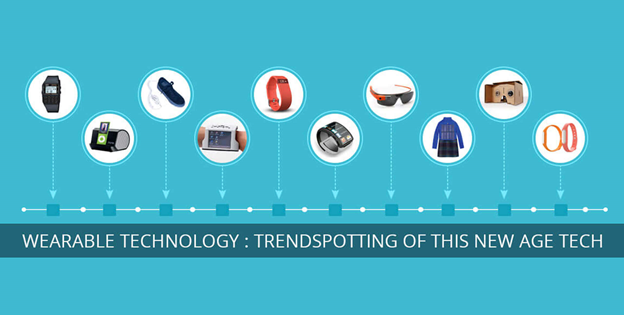
In the 1980s and 1990s, we saw the rise of devices like the calculator watch and early fitness trackers. Though primitive by today’s standards, they laid the groundwork for combining tech with personal health goals.
Shift To Health-focused Gadgets
The real change happened when wearable tech shifted focus from just tracking steps to managing overall health. Devices started to monitor heart rate variability, sleep patterns, and even blood oxygen levels.
Today’s smartwatches and fitness bands do much more than count steps—they provide insights that can help you detect potential health issues early. For example, irregular heart rhythms can be flagged, prompting timely medical advice.
Think about how much easier it is to stay motivated when your device gives real-time feedback. Have you ever noticed how tracking your sleep quality changed your bedtime habits? This shift to health-focused gadgets puts powerful tools in your hands to improve your well-being every day.
Core Features Of Health Wearables
Health wearables have key features that help users track their wellness daily. These devices collect and show important health data easily. Understanding these features helps users get the most from their wearable technology.
Activity And Fitness Tracking
Wearables count steps and track movement throughout the day. They monitor workouts like running, cycling, and swimming. Users can see calories burned and active minutes. This helps set and reach fitness goals.
Heart Rate And Sleep Monitoring
Devices measure heart rate continuously or during exercise. They detect changes that may signal health issues. Sleep tracking shows duration and quality of rest. Users learn about sleep patterns to improve sleep habits.
Gps And Location Services
GPS tracks routes during outdoor activities like running or hiking. It maps distance and speed accurately. Location services help with safety features and finding devices. These tools add value to fitness and health tracking.
Impact On Personal Fitness
Wearable technology has a strong influence on personal fitness. These devices help users stay active and healthy. They provide tools that support exercise habits and track progress. Users gain better control over their fitness journey.
Motivation And Goal Setting
Wearables encourage users to set clear fitness goals. They offer daily targets for steps, calories, or active minutes. Seeing progress boosts motivation and keeps users engaged. Small rewards and badges celebrate achievements and push users forward.
Real-time Feedback And Adjustments
Wearable devices give instant feedback during workouts. Users can monitor heart rate, pace, and distance live. This helps adjust effort for better results and safety. Real-time data prevents overexertion and supports steady improvement.
Integration With Fitness Apps
Wearables sync smoothly with popular fitness apps. This connection stores detailed workout history and health data. Apps analyze patterns and suggest personalized plans. Users track progress over weeks and stay committed to fitness goals.
Credit: medium.com
Advancements Driving Future Trends
Wearable technology in health is evolving rapidly. New advancements shape how these devices improve our well-being. These trends hint at a future where wearables become smarter and more helpful. The focus lies on better data, smarter analysis, and deeper healthcare integration.
Ai And Machine Learning
Artificial intelligence powers smarter health insights. Machine learning helps analyze vast amounts of data from wearables. It identifies patterns in heart rate, sleep, and activity. This leads to early detection of health issues. AI personalizes recommendations based on individual data. It adapts to changes in health over time.
Biometric Sensors And Accuracy
Sensor technology is improving measurement precision. New sensors track vital signs like oxygen levels and stress accurately. These sensors are smaller and consume less power. Enhanced accuracy ensures reliable health data collection. This allows users and doctors to trust wearable readings. Continuous sensor improvements expand the range of monitored health metrics.
Wearable Integration With Healthcare
Wearables now connect more closely with healthcare systems. Data can be shared directly with doctors and clinics. This enables real-time monitoring of chronic conditions. Healthcare providers use wearable data to adjust treatments faster. Integration supports remote patient care and reduces hospital visits. It creates a seamless link between users and healthcare services.
Challenges And Privacy Concerns
Wearable technology in health offers many benefits. It tracks fitness, monitors vital signs, and helps manage chronic diseases. But these devices face challenges that affect users’ privacy and security. Understanding these issues is key to safe and effective use.
Data Security Risks
Wearable devices collect sensitive health data every day. This data can include heart rate, sleep patterns, and location. If hackers access this information, it can lead to identity theft or fraud. Many devices have weak security measures. Lack of encryption and poor password protection are common problems. Devices also connect to apps and cloud services, increasing risk. Users must be aware of these risks before sharing personal data.
User Consent And Transparency
Users often do not know how their data is used. Companies may collect more information than needed. Consent forms are long and hard to read. This makes it difficult for users to understand privacy terms. Transparency about data collection and sharing is crucial. Users should have clear choices about their information. Without this, trust in wearable health technology decreases.

Credit: medium.com
Emerging Fitness Trends
Emerging fitness trends in wearable technology health are reshaping how you approach your well-being. These devices do more than just count steps; they offer insights tailored to your unique body and lifestyle. Understanding these trends can help you make smarter choices and stay motivated on your fitness journey.
Personalized Health Insights
Wearable devices now collect detailed data about your heart rate, sleep patterns, and activity levels. This information is analyzed to provide personalized health tips that fit your specific needs. Imagine receiving advice that adjusts based on your daily routine—helping you improve without guesswork.
Many users find this approach more effective than generic fitness plans. It pushes you to focus on what truly matters for your body rather than following broad guidelines.
Virtual Coaching And Community
Virtual coaching features in wearables give you access to expert guidance anytime. These coaches adapt workouts and nutrition plans based on your progress, making your fitness experience feel more personal.
Plus, connecting with a community through your device adds a social element to your routine. Sharing achievements and challenges with others keeps motivation high and makes fitness less lonely. Have you ever noticed how a little encouragement can make a tough workout easier?
Wearables In Rehabilitation
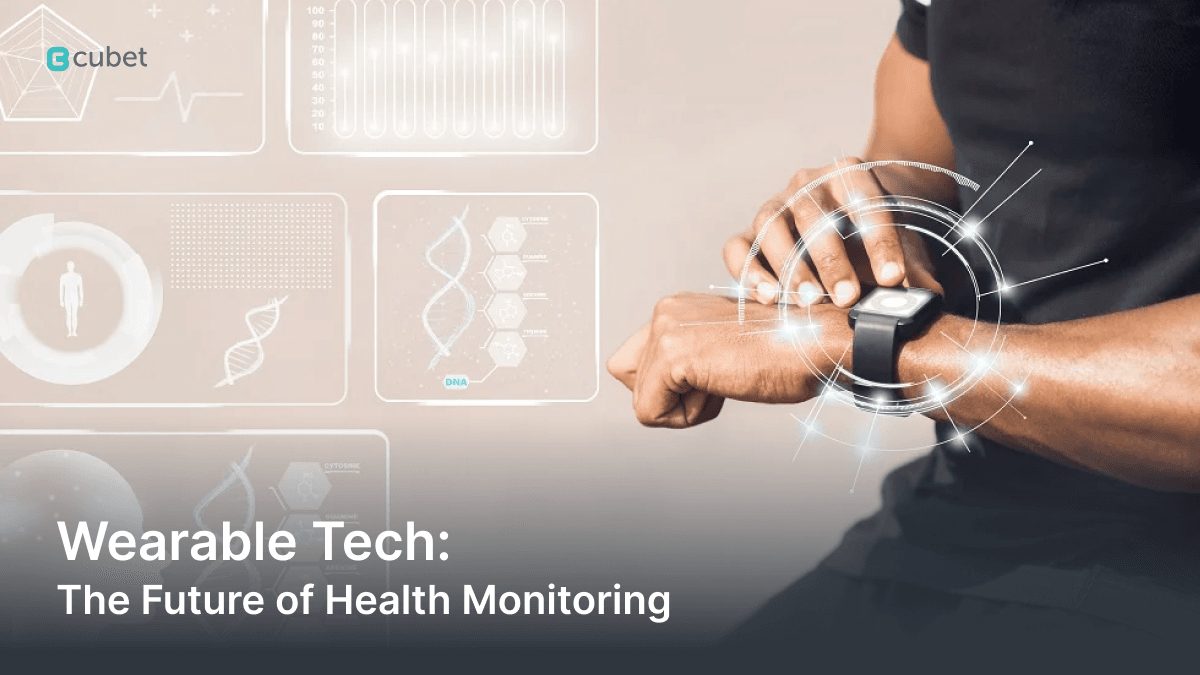
Beyond fitness, wearables are becoming key tools in rehabilitation. They track recovery metrics like movement range and muscle activity, allowing therapists to tailor programs precisely. This leads to faster and safer healing.
If you’ve experienced an injury, you know how frustrating slow progress can be. Wearable tech offers real-time feedback that helps you stay on track and avoid setbacks. Could this be the missing link in your recovery plan?
Credit: cubettech.com
Frequently Asked Questions
What Is Wearable Technology In Health?
Wearable technology in health refers to devices worn on the body that monitor health metrics. These include fitness trackers, smartwatches, and medical sensors. They help track heart rate, activity levels, sleep patterns, and other vital signs in real time.
How Do Wearable Health Devices Improve Fitness?
Wearable health devices provide real-time data on physical activity. They motivate users by tracking steps, calories, and workouts. This helps set goals, monitor progress, and encourages healthier lifestyle choices through feedback and reminders.
Are Wearable Health Devices Accurate For Monitoring Vitals?
Wearable health devices offer reasonably accurate data for everyday monitoring. While not a replacement for medical equipment, they provide useful insights. Their sensors continuously track vitals like heart rate and sleep quality, aiding personal health awareness.
Can Wearable Technology Detect Health Issues Early?
Yes, wearable technology can help detect early signs of health problems. Continuous monitoring alerts users to irregular patterns like abnormal heart rates. Early detection allows timely medical consultation, potentially preventing serious conditions.
Conclusion
Wearable technology in health offers many benefits. It helps track fitness and vital signs. Such devices promote healthier lifestyles. They also provide valuable data for doctors. Users can monitor their progress easily. These tools are becoming essential. They support better health management.
As technology improves, wearables will become more advanced. More people are adopting them. They offer a simple way to stay informed. Wearables are bridging the gap between health and technology. They make health monitoring easy and accessible for everyone.
Leave a Reply