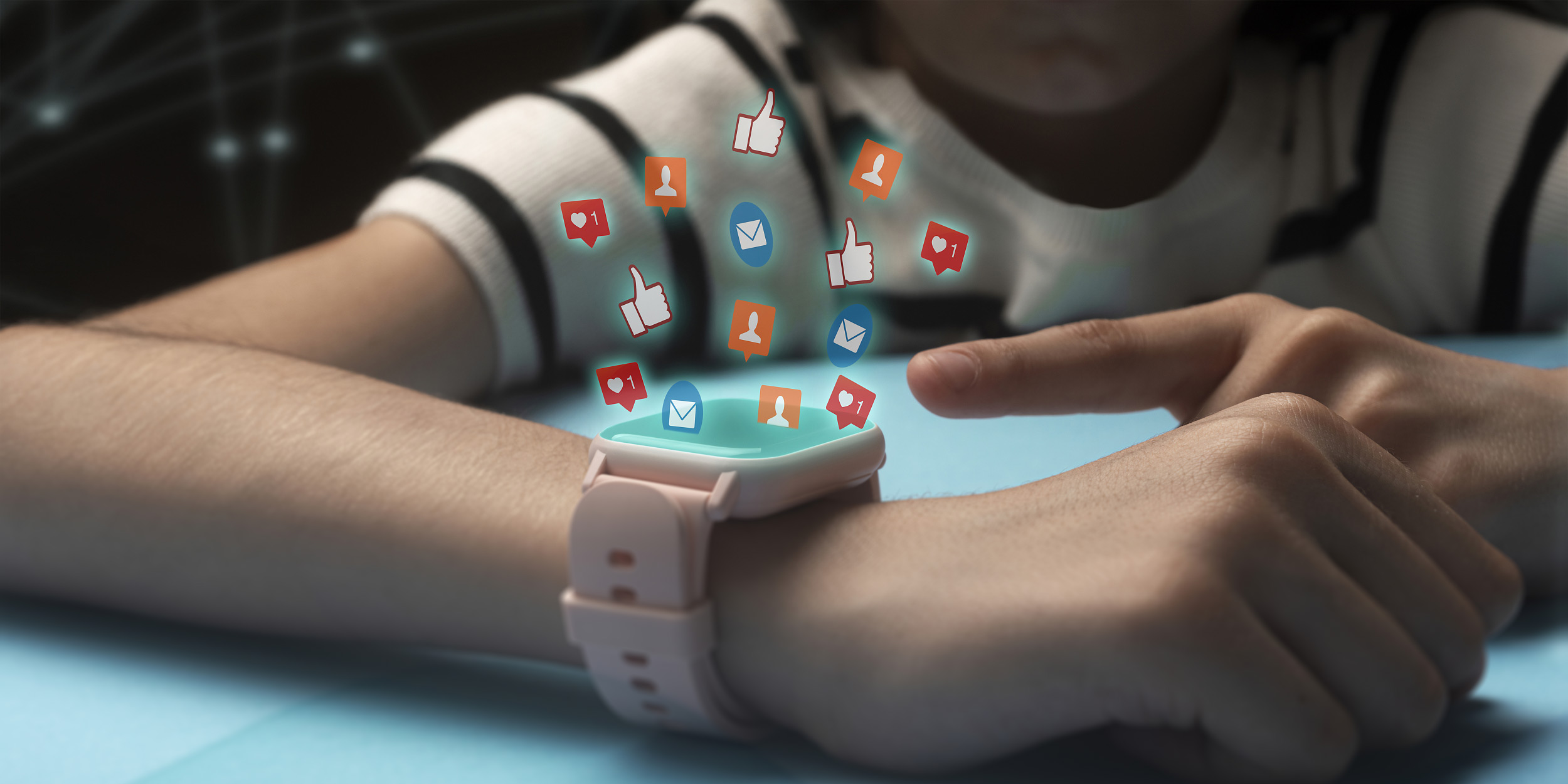
Are you worried that your smartwatch or fitness tracker might be doing more harm than good? You’re not alone.
Wearable technology is everywhere, helping you stay connected and healthy, but it also raises some serious questions. Could these devices be affecting your health or privacy without you even realizing it? You’ll discover the hidden risks and what you can do to protect yourself.
Keep reading—your safety might depend on it.
Health Concerns
Wearable technology has become popular for tracking fitness and health. Yet, some users worry about health risks. These concerns include radiation, skin problems, and sleep issues. Understanding these risks helps users make smart choices.
Radiation Exposure
Wearable devices emit low levels of radiofrequency radiation. This radiation comes from Bluetooth and Wi-Fi signals. Most studies show these levels are safe. Still, long-term effects need more research. Some experts suggest limiting device use near the body. Using airplane mode or turning off devices can reduce exposure.
Skin Irritation And Allergies
Wearing devices for long hours may cause skin problems. Sweat and friction can lead to rashes or irritation. Some people have allergic reactions to materials like nickel or silicone. Cleaning the device and skin often helps prevent issues. Choosing devices with hypoallergenic bands can reduce allergies. Taking breaks from wearing the device also protects skin health.
Sleep Disruption
Wearing tech devices during sleep can disturb rest. Lights from screens or notifications may interrupt sleep cycles. Some devices emit small electrical signals that might affect relaxation. Removing devices before bedtime can improve sleep quality. Using “Do Not Disturb” modes also helps reduce interruptions. Good sleep is essential for overall health and well-being.
Credit: www.notebookcheck.net
Privacy Risks
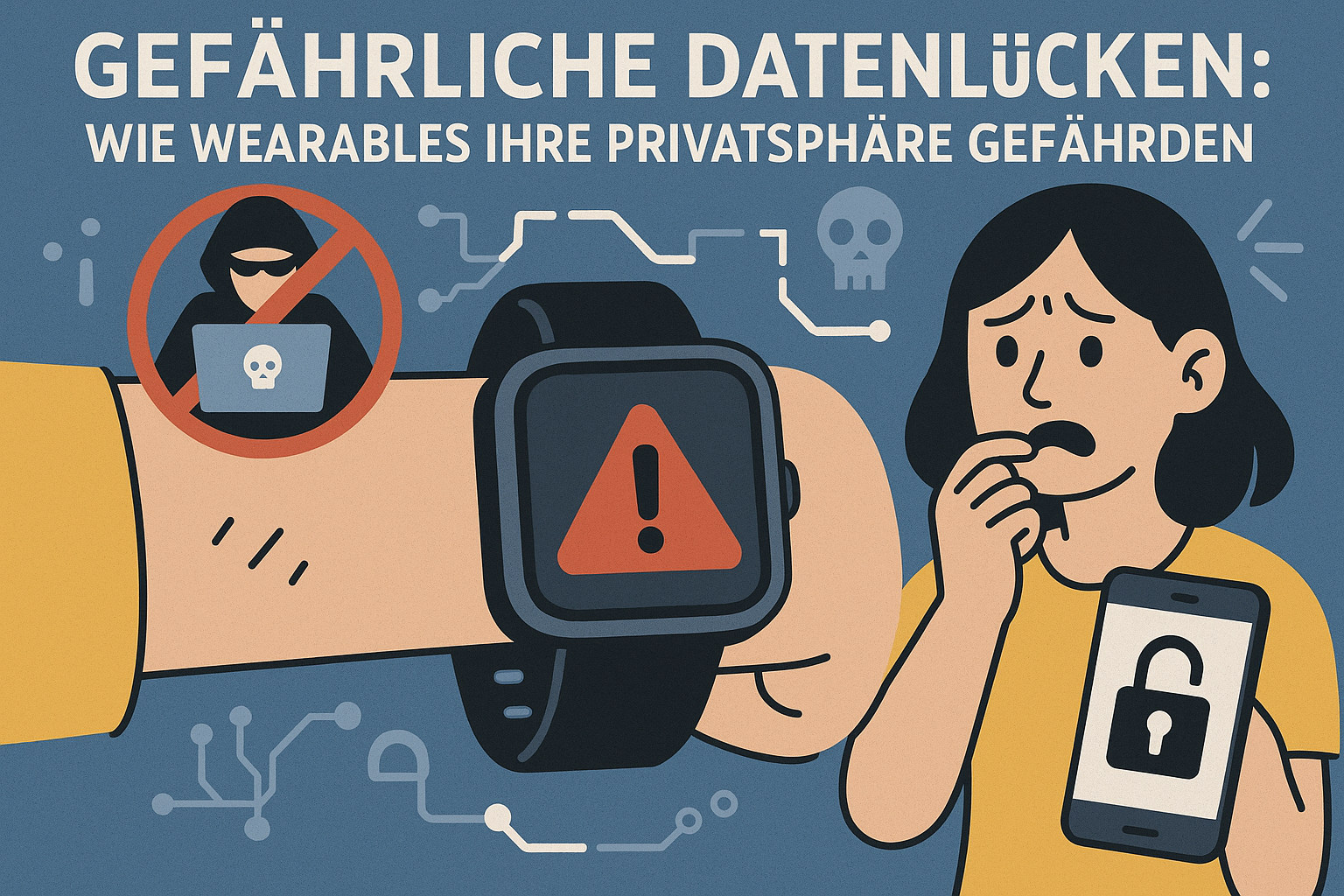
Wearable technology collects a lot of personal information. This raises serious privacy concerns. Users often share sensitive data without fully knowing how it is used. Privacy risks involve how companies gather, store, and protect this data. Understanding these risks helps users make smarter choices.
Data Collection Practices
Wearables collect health, fitness, and personal activity data. Companies may use this data for marketing or sell it to third parties. Sometimes, data collection happens continuously and without clear consent. Users rarely see detailed explanations about data usage. This lack of transparency can lead to misuse of personal information.
Location Tracking
Many wearables track users’ locations in real time. This data can reveal daily routines and habits. If location data falls into wrong hands, it can lead to stalking or theft. Not all devices let users disable location tracking easily. Protecting location privacy is crucial for user safety.
Hacking Vulnerabilities
Wearables connect to the internet and other devices. This connection creates a target for hackers. Poor security can lead to data theft or device control. Hackers may access sensitive health or financial information. Strong encryption and regular software updates reduce these risks.
Psychological Effects
Wearable technology has transformed how you monitor health and stay connected. Yet, it can also influence your mind in subtle and not-so-subtle ways. Understanding these psychological effects helps you use these devices more mindfully.
Addiction And Dependency
Many users find themselves constantly checking their wearables for updates, stats, or notifications. This repeated behavior can lead to addiction, where you feel uneasy without your device. Imagine missing a step count or heart rate alert and feeling a sudden urge to check your wrist—this is dependency in action.
To avoid this trap, set specific times to review your data instead of continuous monitoring. Ask yourself: Are you controlling the device, or is it controlling you?
Anxiety And Stress
Wearables track everything from sleep quality to heart rate variability, which can sometimes cause unnecessary worry. If your device alerts you to minor fluctuations, it might increase anxiety rather than calm you. I once noticed my heart rate spike during a meeting and became stressed, even though it was a normal reaction.
Try to interpret data with perspective and avoid jumping to conclusions. Could your wearable be amplifying stress instead of helping you relax?
Impact On Social Interaction
Wearing technology that constantly notifies you can distract from face-to-face conversations. If you’re frequently glancing at your wrist, others may feel ignored or unimportant. This can weaken your personal connections over time.
Consider turning off non-essential notifications during social time. How might your relationships improve if you focused more on people than on your device?
Credit: www.sixthtone.com
Technical Failures
Technical failures in wearable technology can pose real risks to users, often catching them off guard. These devices are designed to be reliable, but issues like overheating, software glitches, and malfunctions can disrupt your daily routine or even cause harm. Understanding these risks helps you stay safer while enjoying the benefits of wearables.
Battery And Overheating Issues
Batteries in wearables are compact, which makes them prone to overheating if not properly managed. Overheating can cause discomfort, burns, or even fires in extreme cases. I once experienced a smartwatch that became uncomfortably hot during a workout, making me stop using it immediately.
Always monitor your device’s temperature and avoid charging it under your pillow or in direct sunlight. Look for wearables with built-in safety features that shut down the device if the battery overheats.
Software Glitches
Software glitches can cause your wearable to freeze, lose data, or behave unpredictably. Imagine relying on your fitness tracker for health monitoring only to have it stop recording your heart rate mid-exercise. It’s frustrating and can leave you without crucial information.
Regular updates from manufacturers often fix these bugs, so keep your device’s software up to date. If you notice consistent glitches, contact support rather than ignoring the problem; your health data depends on accuracy.
Device Malfunctions
Physical malfunctions like screen failures, button issues, or sensor inaccuracies can affect your wearable’s performance. A friend’s fitness band stopped counting steps correctly after a minor fall, making the device almost useless for fitness goals.
Check your wearable regularly for signs of damage and test its core functions. If malfunctions occur, it’s better to repair or replace the device quickly to avoid misleading data or safety concerns.
Regulatory Challenges
Wearable technology is advancing quickly, but the rules governing its safety and privacy are struggling to keep pace. This gap creates significant regulatory challenges that affect your security and trust in these devices. Understanding these hurdles helps you make informed choices about the wearables you use daily.
Lack Of Standardized Safety Guidelines
There is no universal safety standard for wearable devices yet. Each manufacturer follows different protocols, leading to inconsistent product safety. This inconsistency can leave you vulnerable to health risks like radiation exposure or device malfunctions.
Think about buying a fitness tracker from one brand and a smartwatch from another. Both might claim to be safe, but without standardized testing, how can you be sure? Shouldn’t there be a clear, industry-wide safety benchmark that all devices must meet?
Insufficient Data Protection Laws
Your wearable collects sensitive data—from heart rate to location. Unfortunately, many existing laws don’t fully cover how this data should be protected. This gap leaves your personal information exposed to misuse or hacking.
Imagine your health data being sold without your knowledge or used to discriminate against you. Would you still feel comfortable wearing these devices all day? Stronger, clearer data protection laws are essential to safeguard your privacy.
Challenges In Monitoring
Regulators face difficulties in continuously monitoring the fast-evolving wearable tech market. New devices and features appear faster than oversight bodies can evaluate them. This lag means you might use untested or unsafe products unknowingly.
How can authorities keep track of every update or new model? Should there be faster, more adaptive monitoring systems to protect consumers like you? Addressing these challenges is key to maintaining your safety and confidence in wearable technology.
Mitigation Strategies
Wearable technology offers great benefits but also poses some risks. Mitigation strategies help reduce dangers linked to these devices. Following safe habits, picking trustworthy products, and supporting stronger rules can keep users safer. These steps make using wearables more secure and enjoyable.
Safe Usage Tips
- Limit daily wear time to avoid skin irritation.
- Keep devices clean and dry to prevent infections.
- Update software regularly to fix security holes.
- Avoid sharing wearables with others to reduce germ spread.
- Turn off devices when not in use to save battery and reduce exposure.
Choosing Reliable Devices
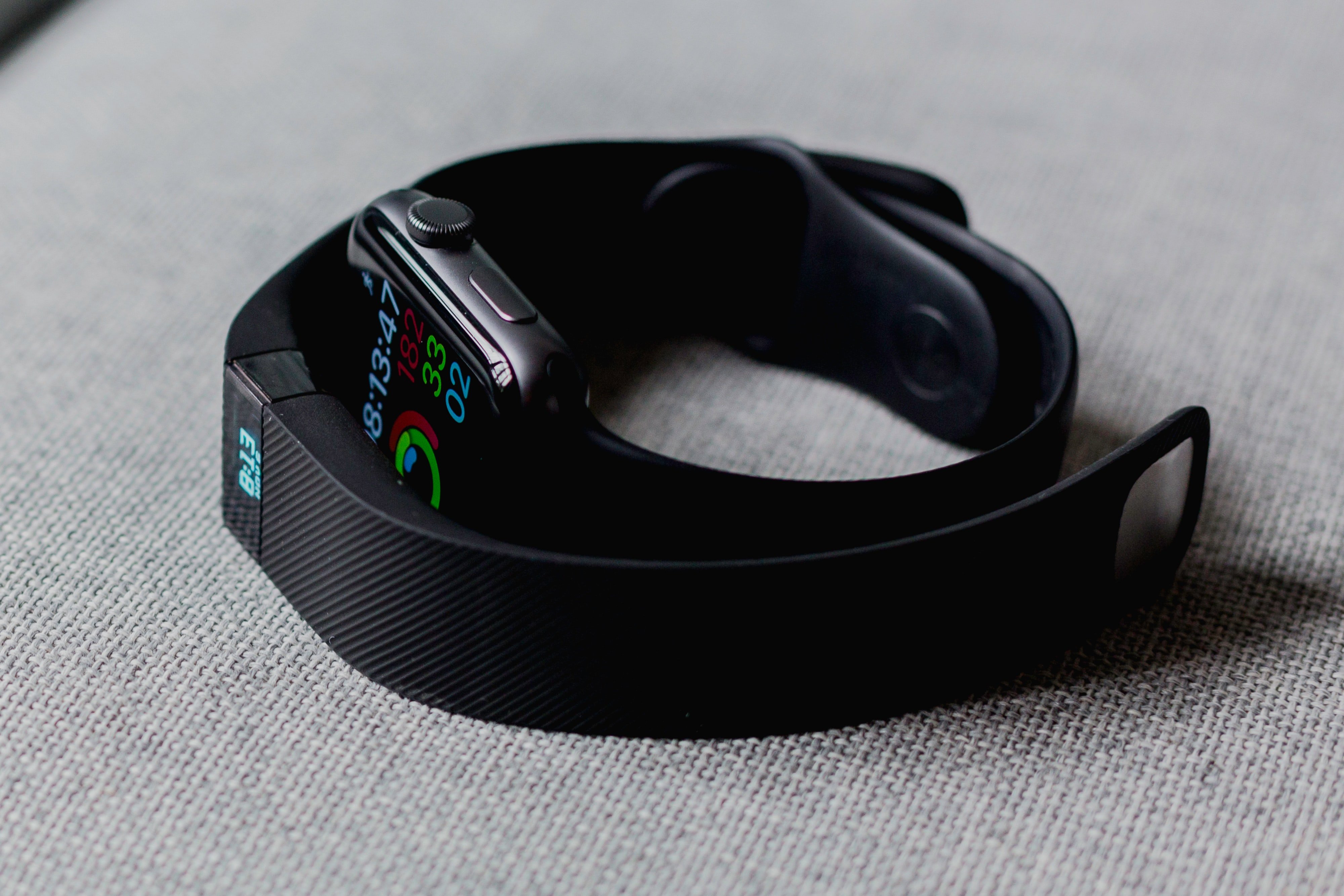
Select wearables from well-known brands with positive reviews. Check for certifications and safety testing reports. Prefer devices with strong encryption to protect personal data. Look for products offering clear privacy policies. Avoid cheap knock-offs that may lack safety features.
Advocating For Better Regulations
Support laws that require strict security standards for wearables. Encourage transparency from manufacturers about data use. Push for regular safety audits on wearable products. Demand clear user guidelines and warnings about risks. Join communities that promote safer wearable technology use.
Credit: unboxed.co
Frequently Asked Questions
Is Wearable Technology Harmful To Health?
Wearable technology emits low-level radiation, but current research shows minimal health risks. Proper usage and breaks reduce any potential harm. Always follow manufacturer guidelines for safe wear and avoid prolonged continuous use.
Can Wearables Cause Privacy Or Data Security Issues?
Yes, wearables collect personal data, which can be vulnerable to hacking or misuse. Users should ensure devices have strong encryption and update software regularly to protect their privacy effectively.
Do Wearables Affect Mental Well-being Negatively?
Excessive use of wearables may increase anxiety or stress due to constant monitoring. Balanced use and mindful breaks help maintain a healthy mental state while benefiting from wearable features.
Are Wearables Safe For Children And Teenagers?
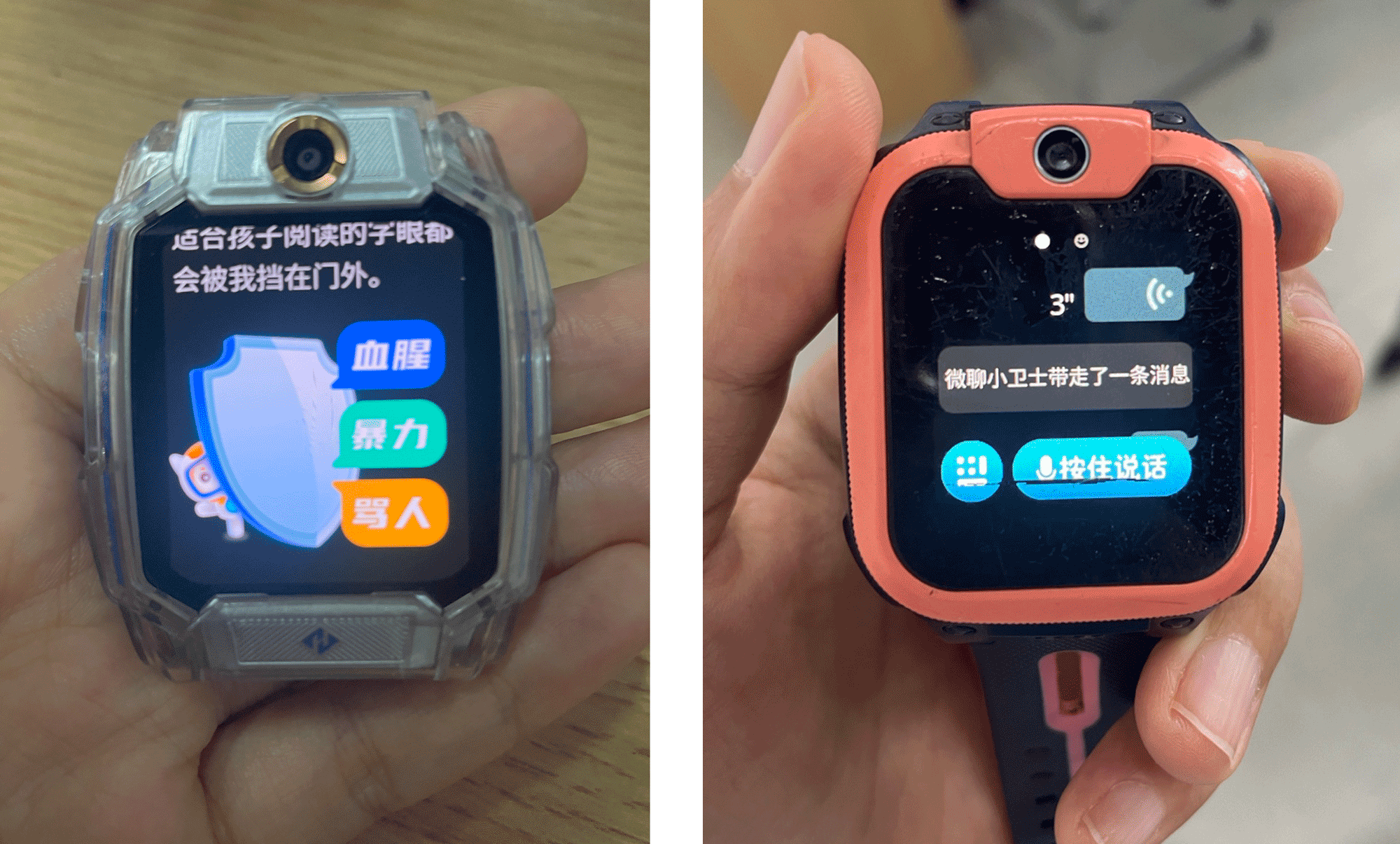
Wearables can be safe if designed for youth, but parental supervision is essential. Limit screen time and monitor data sharing to protect their health and privacy effectively.
Conclusion
Wearable technology raises both excitement and concerns. Health benefits are clear, yet potential risks remain. Users should stay informed and cautious. Balance technology use with personal well-being. Limit screen time and monitor any discomfort. Regular breaks can prevent issues. Always research before buying new gadgets.
Choose trusted brands for safety. Listen to your body and mind. Trust your instincts. Technology should enhance, not harm, your life. Stay curious and proactive about advancements. Knowledge empowers safe and smart choices. Your health is priority. Wearables are tools, not solutions.
Use them wisely. Stay informed, stay safe, and enjoy the benefits responsibly.
Leave a Reply