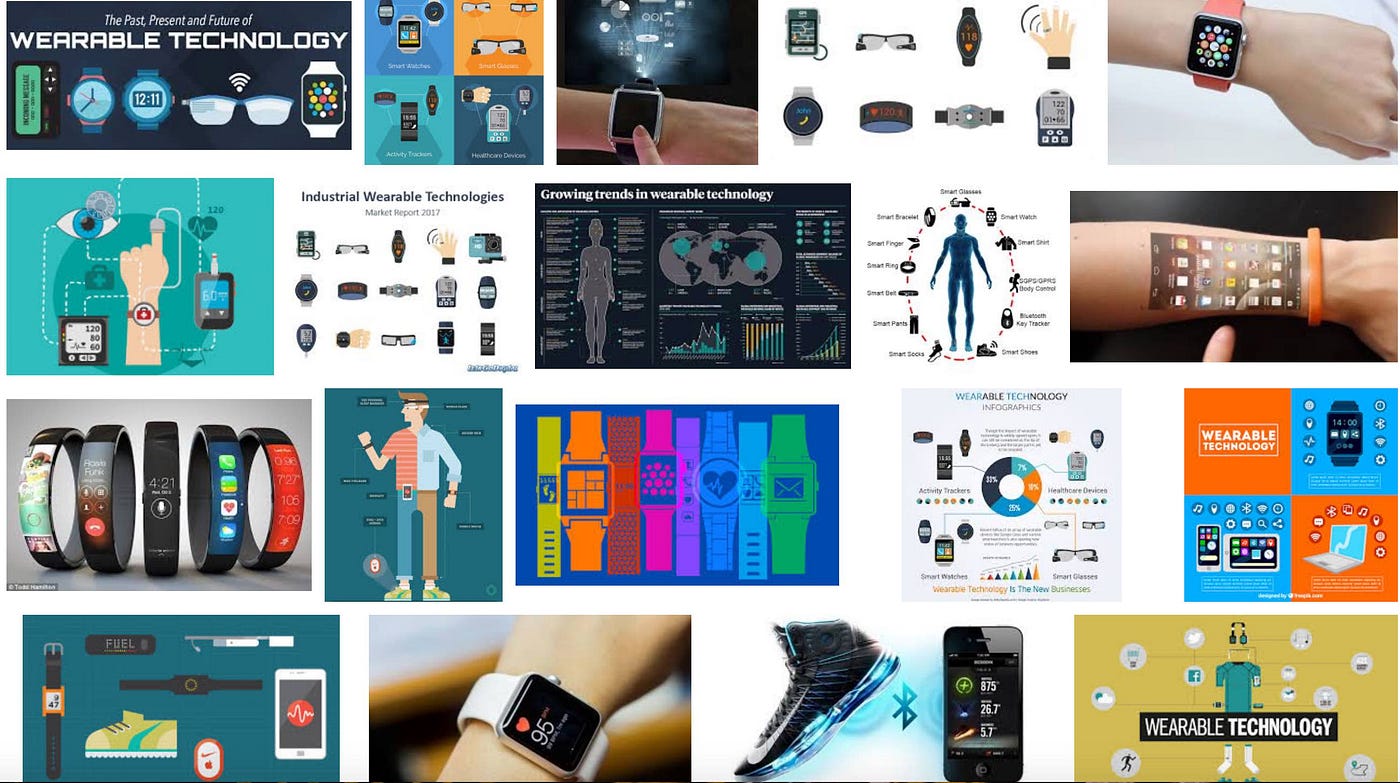
Have you ever wondered how your watch can do more than just tell time? Wearable technology is changing the way you live, work, and stay healthy.
From tracking your steps to monitoring your heart rate, these smart devices fit right on your body and make life easier. You’ll discover exciting examples of wearable technology that you might already be using or want to try. Get ready to see how these gadgets can boost your daily routine and keep you connected like never before.
Keep reading—you won’t want to miss what’s coming next!
Wearable Tech Basics
Wearable technology has become a part of everyday life for many people. These devices are designed to be worn on the body, offering convenience and continuous access to information or health data. Understanding the basics of wearable tech helps you see how these gadgets fit into your daily routine and what benefits they bring.
Types Of Wearable Devices
Wearable devices come in various forms to suit different needs. Some focus on health and fitness, while others enhance communication or entertainment.
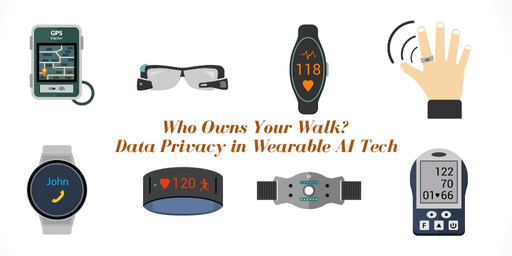
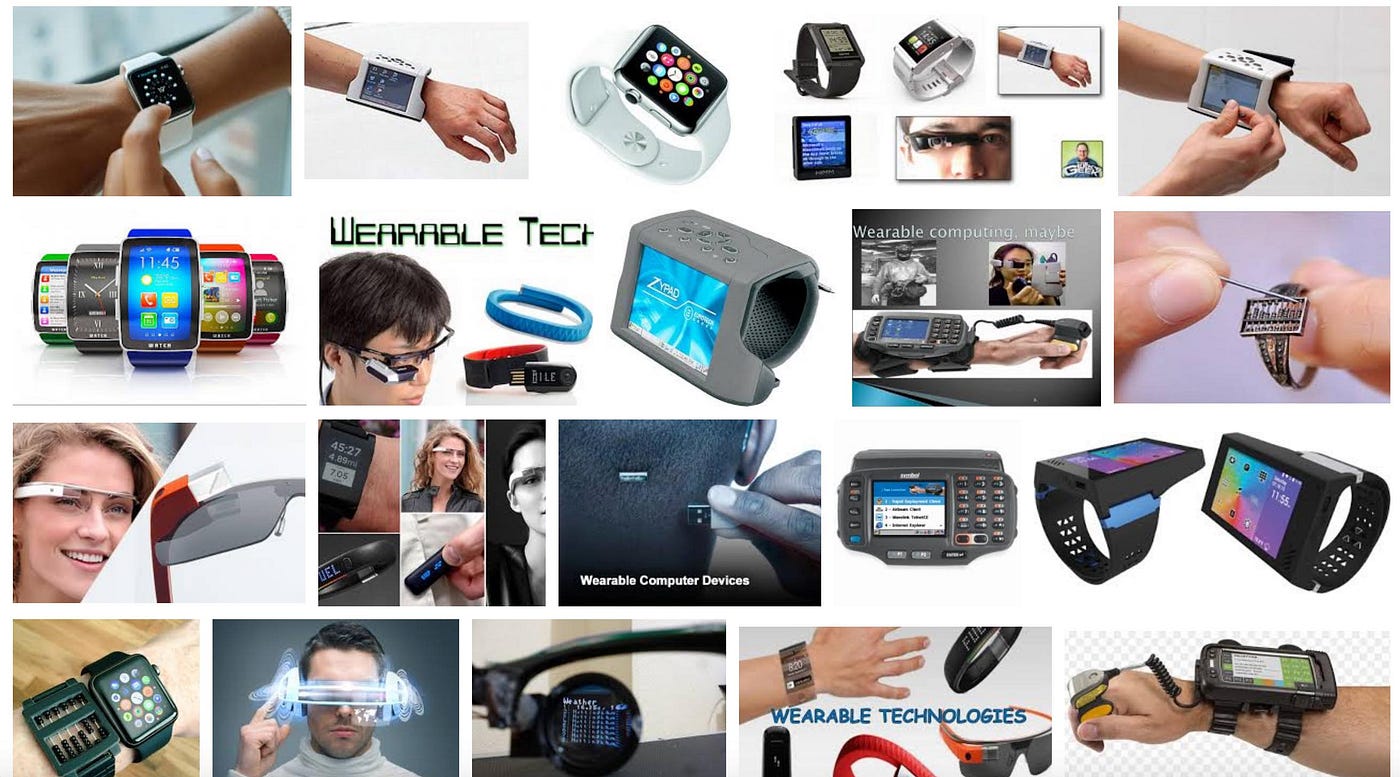
- Smartwatches:These devices track your activity, show notifications, and sometimes even let you make calls.
- Fitness Trackers:Designed mainly to monitor steps, heart rate, and sleep patterns.
- Smart Glasses:Offer augmented reality experiences or hands-free access to information.
- Wearable Cameras:Capture photos and videos on the go without holding a device.
- Medical Wearables:Monitor vital signs like glucose levels or blood pressure continuously.
Have you ever thought about how many of these devices you already use or see around you daily?
Core Technologies Behind Wearables
Wearables rely on several key technologies to deliver their features effectively. Small sensors and wireless communication are at the heart of these devices.
- Sensors:Accelerometers, gyroscopes, heart rate monitors, and GPS sensors collect real-time data from your body and environment.
- Bluetooth and Wi-Fi:These allow wearables to connect with your smartphone or the internet for data syncing and updates.
- Battery and Power Management:Efficient batteries enable wearables to run for long hours without frequent recharging.
- Display Technologies:OLED and LCD screens provide clear visuals while keeping the device lightweight.
Think about your own wearable device. How do these technologies improve your experience without being noticeable?
Credit: www.snva.com
Health And Fitness Wearables
Health and fitness wearables have become essential tools for anyone looking to improve their well-being. These devices go beyond simple step counters to offer detailed insights into your daily activities and health metrics. Whether you’re a casual walker or managing a chronic condition, wearable tech can provide valuable feedback that motivates and guides you.
Smartwatches And Fitness Trackers
Smartwatches and fitness trackers are the most common health wearables you’ll find. They monitor your heart rate, count steps, track calories burned, and even analyze your sleep patterns. Brands like Fitbit, Apple Watch, and Garmin offer models with customizable features to fit your lifestyle and fitness goals.
What’s powerful about these devices is their ability to sync with your smartphone, giving you real-time updates and detailed reports. Have you ever noticed how seeing your daily step count nudges you to take the stairs instead of the elevator? That’s the kind of subtle encouragement these devices offer.
Wearables For Medical Monitoring
Some wearables focus on medical monitoring, tracking critical health data to help you and your healthcare provider stay informed. Devices like continuous glucose monitors (CGMs) for diabetics or wearable ECG monitors catch irregular heartbeats early, potentially preventing serious complications.
These wearables often connect to apps that alert you when something’s off, allowing for timely action. Imagine having peace of mind knowing that your health is being monitored discreetly throughout the day without constant doctor visits. Wouldn’t that change how you manage chronic conditions?
Impact On Personal Health
The impact of health and fitness wearables on personal health is tangible. Users often report increased motivation to exercise and improved awareness of their habits. Tracking your progress visually can turn vague health goals into achievable milestones.
However, these devices are tools—not solutions by themselves. Your commitment to using the data they provide is what drives real change. How will you use the insights from your wearable to make smarter, healthier choices every day?
Wearables In Communication
Wearables in communication are changing the way you interact with the world. These devices make staying connected easier and more natural, often without needing your hands. Imagine receiving messages or calls without pulling out your phone, or accessing information instantly while on the move.
Smart Glasses And Ar Devices
Smart glasses and augmented reality (AR) devices overlay digital information onto your real-world view. They allow you to see notifications, navigation directions, and even live translations right in front of your eyes.
Brands like Google Glass and Microsoft HoloLens offer tools that blend communication with your environment. You could be walking down a street and get directions or messages without breaking your stride. These devices open up new ways to multitask and stay connected discreetly.
Have you ever wished you could answer a call or reply to a message without stopping what you’re doing? Smart glasses make that possible, enhancing your productivity and keeping you present in your surroundings.
Voice-activated Wearables
Voice-activated wearables let you communicate and control devices using simple spoken commands. Smartwatches and earbuds now come equipped with virtual assistants like Siri, Alexa, or Google Assistant to help you manage calls, texts, and reminders.
Using your voice is faster and more intuitive than typing or tapping, especially when your hands are busy. For example, you can send a quick reply while cooking or ask for directions while driving without taking your eyes off the road.
Think about how often you talk to your phone or other gadgets. Now imagine doing that seamlessly through your wearable, without pulling out your device. This hands-free communication can make your day smoother and more efficient.
Wearables In Entertainment And Lifestyle
Wearable technology has transformed how you enjoy entertainment and manage your lifestyle. These devices do more than just track your steps or monitor your health—they bring new dimensions to gaming, fashion, and everyday experiences. Imagine slipping on a device that not only looks great but also changes the way you interact with the world around you.
Vr Headsets And Gaming
Virtual reality (VR) headsets take gaming beyond the screen. When you wear a VR headset, you’re instantly inside the game world, able to look around and move as if you were really there. This immersive experience makes gameplay more exciting and realistic than ever before.
Popular VR devices like the Oculus Quest and PlayStation VR let you explore new worlds, solve puzzles, and compete in sports games with natural movements. Have you ever tried a VR game that made you forget where you were? That’s the power of these headsets.
Fashion-tech Integration
Wearables are no longer just gadgets—they’re becoming a part of your style. Smartwatches and fitness bands now come with customizable bands and watch faces, letting you match your device to your outfit. This blend of tech and fashion means you don’t have to sacrifice style for functionality.
Some designers are pushing this further by embedding technology directly into clothing and accessories. Imagine jackets that change color or light up, or rings that notify you of messages discreetly. How would your daily routine change if your clothes could communicate with you?
Industrial And Workplace Wearables
Industrial and workplace wearables are changing how work gets done on the factory floor and in the office. These devices are designed to keep you safe, boost efficiency, and connect teams, even when they are miles apart. Whether you wear a smart helmet or a fitness tracker designed for work, these gadgets help you perform better and stay protected.
Safety And Productivity Enhancements
Wearables in industrial settings often focus on safety first. Smart helmets and vests come with sensors that detect hazardous gases or alert you if you enter a dangerous zone. Imagine working in a loud factory where you can’t always hear alarms—wearables can vibrate to get your attention instantly.
Besides safety, these devices track your movements and posture. This data helps reduce injuries by reminding you to take breaks or adjust your stance. Productivity improves because you spend less time recovering from strains or accidents.
Some wearables also give real-time instructions right on your glasses or wrist. This means you don’t have to stop and check manuals, speeding up complex tasks. Have you ever wished you had a hands-free assistant guiding you through a tricky job? That’s exactly what these devices offer.
Wearables For Remote Work
Remote work gets a boost with wearables that keep you connected and focused. Smart earbuds with noise cancellation help you block distractions during video calls or focused work sessions. They even translate languages in real-time, making global collaboration smoother.
Wearables that monitor your stress levels and heart rate can remind you to take a break or do a quick stretch. This helps maintain your well-being during long hours at the desk. Have you noticed how easy it is to lose track of time when working from home? These devices help you stay in control.
For remote teams, wearables can share activity data to build trust and accountability. Managers can see how workloads are distributed without micromanaging. This leads to better team dynamics and more productive workdays.

Credit: medium.com
Future Trends In Wearable Tech
The future of wearable technology looks promising and full of innovation. New trends will shape how these devices help in daily life, health, and work. Wearables will become smarter, smaller, and more connected. Understanding these trends can show how technology will fit better into our routines.
Advancements In Ai And Sensors
Wearables will use smarter artificial intelligence to provide better insights. AI can analyze data faster and more accurately. Sensors will improve to track more body signals like stress, hydration, and sleep quality. Devices will learn from user habits and suggest helpful changes. This will make wearables more useful for health and fitness.
Future sensors may be flexible and invisible. They could be embedded in clothing or skin patches. This will make wearing technology easier and more comfortable. Expect longer battery life and faster data processing. These changes will help wearables become a natural part of life.
Potential Social And Ethical Impacts
As wearables collect more personal data, privacy concerns will grow. Users will need clear rules on how data is used and shared. Ethical questions about consent and security will rise. It is important for companies to build trust with users.
Wearables may change social behavior. People might rely too much on devices for decisions. There could be new challenges in balancing technology use and real-life interaction. Society will need to find ways to handle these changes carefully.
Credit: medium.com
Frequently Asked Questions
What Are Common Examples Of Wearable Technology?
Common wearable technology includes smartwatches, fitness trackers, and smart glasses. These devices monitor health, provide notifications, and enhance daily activities. They connect with smartphones to deliver real-time data and improve user convenience. Wearables are widely used in fitness, healthcare, and communication sectors.
How Does Wearable Technology Improve Health Monitoring?
Wearable technology tracks vital signs like heart rate and sleep patterns continuously. It alerts users to irregular health conditions early. These devices help in managing chronic diseases and encourage healthier lifestyles by providing real-time feedback. They also assist doctors with remote patient monitoring.
What Industries Benefit Most From Wearable Technology?
Healthcare, fitness, sports, and manufacturing benefit greatly from wearables. In healthcare, wearables enable remote monitoring and early diagnosis. Fitness wearables motivate users to stay active. Manufacturing uses wearables for safety and efficiency improvements. These industries leverage wearables for better productivity and health outcomes.
Are Wearable Devices Compatible With Smartphones?
Yes, most wearable devices sync seamlessly with smartphones. This connection allows users to receive notifications, control apps, and share data. Compatibility varies by brand and operating system but generally supports iOS and Android. Smartphone integration enhances the functionality of wearable technology.
Conclusion
Wearable technology continues to grow in popularity and innovation. From fitness trackers to smartwatches, these devices make life easier. They help track health, manage schedules, and stay connected. Wearables blend seamlessly into everyday life. They’re not just gadgets but useful tools.
People use them for work, exercise, and personal safety. As technology advances, more exciting wearables will emerge. They offer convenience and valuable insights. In the future, expect even more integration into daily routines. Wearable technology is here to stay. It’s shaping how we interact with the world around us.
Leave a Reply