Have you ever wondered how your smartwatch tracks your heart rate or how your fitness band counts your steps so accurately? Wearable technology collects data in fascinating ways that go beyond just numbers on a screen.
Understanding how these devices gather information can help you make the most of your gadgets and take control of your health and lifestyle. Keep reading to discover the secrets behind the data your wearables collect and how it all works to benefit you.
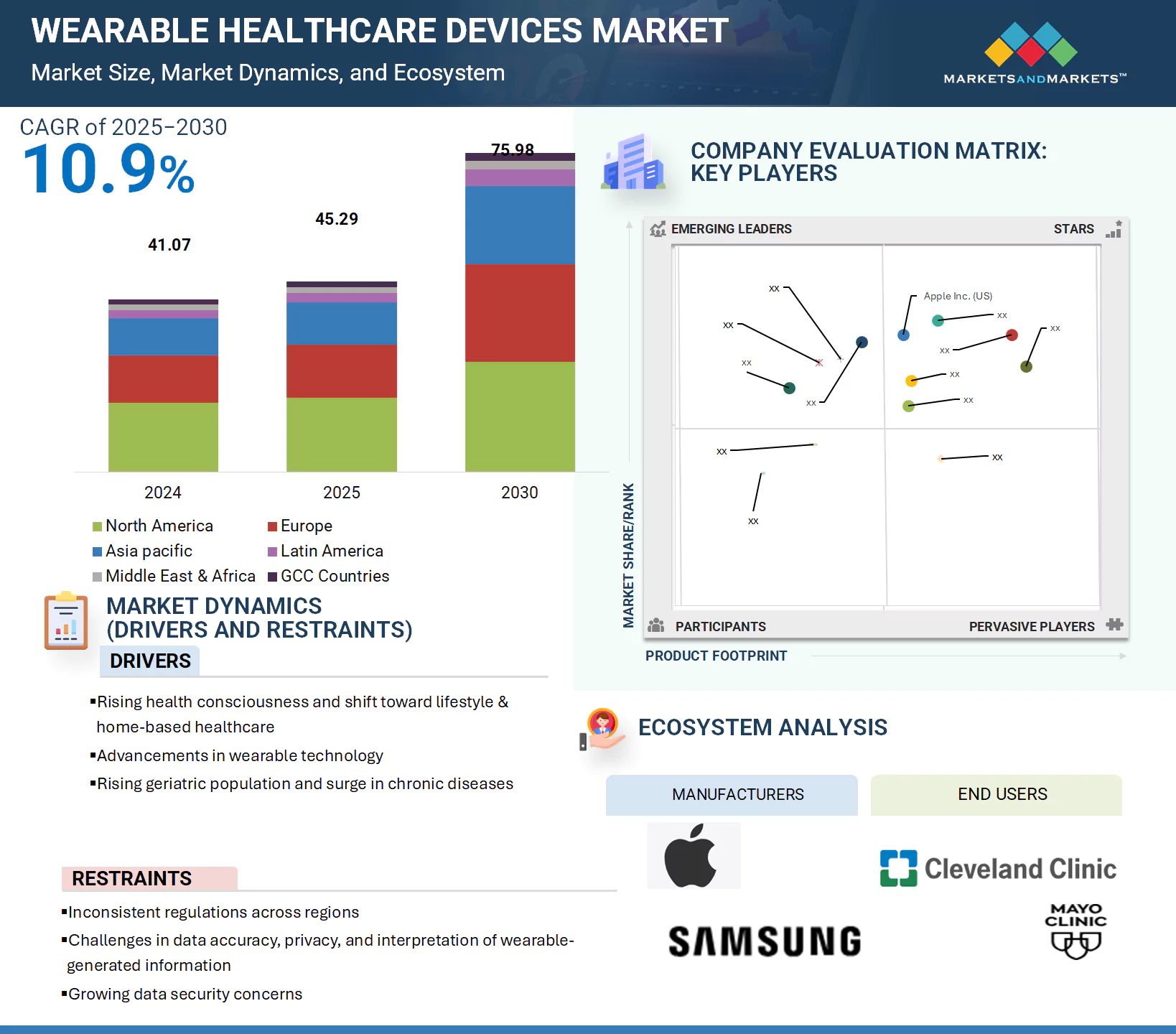
Credit: www.marketsandmarkets.com
Types Of Wearable Devices
Wearable devices come in many shapes and sizes, each designed to collect specific types of data from your body or environment. Understanding these different types helps you choose the right device for your needs and gives you insight into how they gather information. Let’s look at the main categories of wearable technology and what makes each one unique.
Fitness Trackers
Fitness trackers are popular for monitoring daily activities like steps taken, calories burned, and sleep quality. They use sensors such as accelerometers and heart rate monitors to gather data continuously throughout your day. If you’ve ever worn one, you know how motivating it can be to see your progress in real-time and adjust your habits accordingly.
These devices often sync with apps that analyze your data to suggest personalized fitness goals. Have you noticed how a small wristband can push you to move more or sleep better? That’s the power of data collection in action.
Smartwatches
Smartwatches go beyond fitness tracking by combining health monitoring with communication tools like calls, messages, and notifications. They gather data using similar sensors as fitness trackers but add GPS, gyroscopes, and sometimes even ECG sensors. This allows you to track workouts, monitor heart rhythms, and stay connected without pulling out your phone.
One key advantage is their versatility. Think about how your watch can alert you to irregular heartbeats or help you navigate a new city while keeping tabs on your daily activity. Isn’t it amazing how a single device can do so much?
Medical Wearables
Medical wearables focus on critical health data for patients and healthcare providers. Devices like continuous glucose monitors or wearable blood pressure cuffs collect precise information to manage chronic conditions. They often send this data directly to doctors, enabling timely interventions.
Using medical wearables can feel like having a health assistant with you at all times. Imagine the peace of mind knowing your device alerts you or your doctor if something unusual happens. What if this kind of monitoring became part of everyday life for everyone?
Augmented Reality Glasses
Augmented reality (AR) glasses overlay digital information onto your real-world view, collecting data on your environment and interactions. They use cameras, sensors, and eye-tracking technology to understand what you’re looking at and how you move. This data helps create immersive experiences or assist with tasks like navigation and training.
AR glasses are still evolving, but their potential to collect and use data is huge. Imagine walking through a city with directions and points of interest displayed right in front of your eyes. How could this technology change the way you learn and explore?

Credit: medium.com
Sensors Behind Data Collection
Wearable technology collects data through small, smart sensors embedded inside the devices. These sensors track movement, body signals, and environmental changes. They turn physical information into digital data that apps can use. Each sensor has a special role in capturing different types of data. Together, they help wearables provide useful insights about health, fitness, and location.
Accelerometers And Gyroscopes
Accelerometers measure movement and speed. They detect how fast and in which direction the device moves. Gyroscopes track rotation and orientation. These sensors help wearables understand body position and motion. This data is key for tracking steps, exercise, and sleep patterns.
Heart Rate Monitors
Heart rate monitors use light to measure blood flow under the skin. This helps track heartbeats per minute. They provide real-time data on heart activity. This sensor is important for monitoring fitness levels and stress.
Gps Modules
GPS modules pinpoint the exact location of the device. They use satellite signals for accurate tracking. GPS helps map routes during running, cycling, or hiking. It also supports safety features like emergency location sharing.
Temperature Sensors
Temperature sensors measure skin or ambient temperature. They help monitor body heat changes during exercise or rest. This data aids in detecting fever or overheating risks. Temperature sensors add an extra layer of health monitoring.
Data Acquisition Methods
Understanding how wearable technology collects data is key to appreciating its impact on your daily life. These devices gather information in various ways to ensure accuracy and relevance. Let’s break down the main methods that power this data collection process.
Continuous Monitoring
Wearables often track your body’s signals nonstop. This means sensors record data like heart rate, steps, or sleep patterns all day long without you needing to do anything.
This constant flow of information helps paint a detailed picture of your health over time. Think about how your smartwatch keeps a steady check on your heart rate during a workout and even while you rest.
Have you noticed how this steady monitoring can spot subtle changes you might miss yourself?
Event-triggered Recording
Some devices only start collecting data when a specific event happens. For example, a fall detection sensor activates only if it senses a sudden impact or unusual movement.
This approach saves battery life and focuses on moments that matter most. Your fitness tracker might record an intense workout session separately from your regular activity to give you detailed feedback.
What kind of events in your day would you want your wearable to pay extra attention to?
User Input Integration
Not all data comes automatically. Many wearables allow you to add information manually, like logging your meals, mood, or pain levels.
This user input adds context to the raw sensor data, making the insights more meaningful. For instance, noting when you feel stressed can help correlate heart rate spikes with emotional triggers.
How often do you record your own data, and does it change how you interpret your wearable’s reports?

Credit: blog.stackademic.com
Data Transmission Technologies
Wearable technology depends heavily on efficient data transmission technologies to send the collected information from your device to other gadgets or cloud services. These technologies ensure that your health stats, location data, or activity logs reach their destination quickly and securely. Understanding how these transmissions work helps you appreciate the balance between connectivity, battery life, and data accuracy in your wearable device.
Bluetooth And Ble
Bluetooth is the most common way wearables communicate with smartphones or tablets nearby. It allows devices to pair easily and transfer data over short distances without cables.
Bluetooth Low Energy (BLE) is a variant designed to consume less power, making it perfect for fitness trackers and smartwatches that need to run all day. Have you noticed how your smartwatch rarely needs charging during a busy day? That’s BLE working behind the scenes to keep your data flowing without draining your battery.
Wi-fi Connectivity
Some wearables can connect directly to Wi-Fi networks, enabling faster data transfer over longer distances compared to Bluetooth. This is useful when you want your device to sync data even without your phone nearby.
Wi-Fi on wearables can stream music, update apps, or upload health data directly to cloud servers. However, it uses more battery power, so your device usually switches to Wi-Fi only when necessary or when plugged in.
Cellular Networks
Wearables with cellular capabilities operate independently by connecting to mobile networks, just like your smartphone. This means you can receive calls, messages, and notifications even if your phone is miles away.
Cellular connectivity offers the freedom to stay connected during workouts, hikes, or errands without carrying your phone. However, this often comes with higher costs and impacts battery life, so you’ll want to consider how much you truly need this feature.
Data Storage And Processing
Wearable technology collects vast amounts of data that need secure storage and quick processing. The way this data is handled affects device performance and user experience. Data storage and processing happen both on the device and through external systems.
On-device Storage
Wearables store data directly on built-in memory chips. This allows devices to save information even without internet access. Storage capacity varies depending on the device type and purpose. On-device storage keeps data safe and ready for immediate use. It also helps reduce delays caused by data transfer.
Cloud Synchronization
Data from wearables often syncs with cloud servers. This process uploads information securely over the internet. Cloud storage offers almost unlimited space for vast data collections. Users can access their data anytime from multiple devices. Cloud synchronization also supports automatic backups to prevent data loss.
Real-time Analytics
Wearables analyze data instantly to provide quick feedback. Real-time processing helps track health stats or activity levels continuously. Some devices use on-device chips for immediate analysis. Others send data to cloud servers for deeper insights. This fast processing improves decision-making and user engagement.
Privacy And Security Measures
Wearable technology collects a lot of personal data, making privacy and security critical. These devices use strong measures to protect user information. Users must trust that their data stays safe and private during collection and storage.
Manufacturers apply several layers of security to prevent unauthorized access. They also ensure users control what data they share. These steps build confidence in wearable devices.
Data Encryption
Data encryption scrambles information during transfer and storage. It makes data unreadable to outsiders without a special key. Wearables use encryption to protect health stats and location data.
This process helps stop hackers from stealing sensitive details. Both the device and the connected app usually encrypt data. Encryption keeps data safe on the device and in the cloud.
User Consent Protocols
User consent protocols ask permission before collecting data. Devices show clear notices explaining what data they need. Users can accept or reject data collection easily.
Consent ensures people understand how their data will be used. It also lets users control personal information sharing. Consent protocols follow privacy laws to protect users.
Anonymization Techniques
Anonymization removes personal identifiers from collected data. This means data cannot be linked back to a specific person. Wearables use this to protect user identity during analysis.
Anonymous data helps researchers improve products without risking privacy. It lowers the chance of data misuse or breaches. Anonymization is vital for safe data sharing and storage.
Future Trends In Wearable Data Collection
Wearable technology is evolving rapidly, and so is the way it collects data. The future holds exciting changes that will make these devices smarter, more accurate, and easier to use. Let’s look at some key trends shaping the next generation of wearable data collection.
Advanced Biometric Sensors
New sensors will capture a wider range of health metrics with higher accuracy. Imagine a watch that not only tracks your heart rate but also monitors hydration levels and stress indicators in real time. These sensors will use smaller, more sensitive components to gather detailed data without discomfort.
Such improvements can help you catch health issues early or optimize your workouts based on precise body signals. How would having this level of insight change your daily routine?
Ai Integration
Artificial intelligence will process data directly on your device, providing instant feedback. Instead of just collecting numbers, your wearable will analyze patterns and offer personalized advice or alerts. This means less waiting for app updates and more real-time decision making.
For example, AI could detect irregular heartbeats and suggest immediate medical attention. How valuable would it be to get such timely warnings from your wearable?
Improved Battery Life
Longer battery life is crucial for continuous monitoring without frequent charging. Advances in battery technology and energy-efficient components will keep wearables running for days or even weeks. This improvement lets you wear your device without interruption, ensuring consistent data collection.
Imagine not having to remove your fitness tracker overnight because it’s charging. How would that uninterrupted data help you better understand your body’s trends?
Frequently Asked Questions
How Do Wearable Devices Track Health Data?
Wearable devices use sensors like accelerometers and heart rate monitors. They collect real-time data on movement, heart rate, sleep, and more. This data is processed and sent to apps for analysis. It helps users monitor and improve their health effectively.
What Types Of Sensors Are Used In Wearables?
Wearables commonly use accelerometers, gyroscopes, heart rate sensors, and GPS. These sensors detect motion, orientation, heart activity, and location. Combined, they provide accurate data on physical activity and vital signs. This sensor data powers fitness tracking and health monitoring.
How Is Data Transmitted From Wearable Devices?
Wearables transmit data wirelessly using Bluetooth or Wi-Fi. This ensures seamless syncing with smartphones or cloud platforms. Data transfer happens securely and in real-time, enabling instant access to health metrics. This connectivity enhances user experience and data reliability.
Can Wearable Technology Monitor Sleep Patterns?
Yes, wearables use motion sensors and heart rate variability to track sleep stages. They analyze sleep duration, quality, and disruptions. This data helps users understand and improve their sleep habits. Sleep monitoring is a key feature of many fitness trackers.
Conclusion
Wearable technology collects data through sensors and connectivity. These gadgets track your movements, heart rate, and more. This information can improve health and lifestyle choices. Data is transferred to smartphones or cloud systems. Users then get insights on their health.
Privacy is important, so choose trusted brands. Understand how your data is used. Wearables continue to evolve with technology. Their data collection will become more advanced. They offer convenience and personalized health insights. Keeping up with their advances can benefit users greatly.
Wearables are a helpful tool in modern life. Stay informed and make smart choices.
Leave a Reply