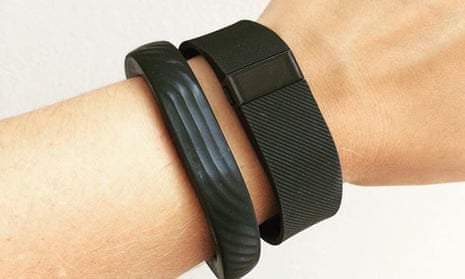
Have you ever wondered what your wearable device can really track? Beyond just counting steps, these small gadgets hold the power to monitor so much more about your body and daily habits.
Imagine having a personal coach on your wrist, guiding you with real-time information about your health and activity. You’ll discover exactly what your wearable technology can track—and how that data can help you improve your life. Keep reading to unlock the full potential of your device and take control of your well-being like never before.
Credit: www.theguardian.com
Key Health Metrics
Wearable technology lets you keep an eye on several health metrics that matter most to your well-being. These devices collect real-time data to help you understand your body better and make smarter lifestyle choices. Tracking key health metrics empowers you to spot patterns, adjust habits, and improve your overall health.
Heart Rate Monitoring
Your heart rate reveals how hard your heart is working throughout the day. Wearables measure your pulse continuously, giving you insights into your resting heart rate and how it changes during activities. Noticing irregular spikes or drops can alert you to potential health issues before symptoms appear.
Have you ever checked how your heart responds to stress or exercise? This information can guide you to tailor workouts or manage anxiety more effectively.
Sleep Patterns
Tracking sleep helps you understand how well you rest each night. Devices monitor your sleep stages—light, deep, and REM—to reveal the quality of your sleep cycles. This data can show if you’re getting enough restorative sleep or if interruptions are affecting your energy levels.
Knowing your sleep pattern can motivate you to create a better bedtime routine or identify factors disrupting your rest. What small change could improve your sleep right now?
Activity Levels
Wearables count your steps, track distance, and record active minutes to measure how much you move daily. This helps you stay accountable and encourages regular physical activity. You can set realistic goals based on your current activity and gradually increase your movement.
Have you noticed how even a short walk can boost your mood? Monitoring activity levels can remind you to take breaks and stay energized throughout the day.
Calorie Burn
Understanding how many calories you burn can support weight management and fitness goals. Wearables estimate calorie expenditure based on your activity, heart rate, and metabolism. This data helps balance what you eat with what you burn to maintain or adjust your weight.
Tracking calorie burn can reveal how different exercises impact your energy use. Are you aware which activities burn the most calories for you personally?
Advanced Vital Signs
Advanced vital signs give detailed insights into your body’s health. Wearable technology now tracks beyond basic data. It measures key signals that show how well your body functions. This helps catch health issues early and supports better care.
Blood Oxygen Levels
Blood oxygen level shows how much oxygen your blood carries. Wearables use sensors to estimate this by shining light through your skin. Low oxygen levels may signal breathing or heart problems. Tracking oxygen helps people with lung conditions or sleep apnea stay safe.
Electrocardiogram (ecg)
ECG measures the heart’s electrical activity. Wearable devices record heartbeats and rhythms with small electrodes. This data can detect irregular heartbeats or arrhythmias. Continuous ECG monitoring helps users and doctors spot heart issues early.
Respiratory Rate
Respiratory rate counts how many breaths you take each minute. Wearables estimate this using motion sensors or by analyzing heart rate changes. Changes in breathing rate can indicate stress, illness, or fitness level. Monitoring respiration adds another layer of health tracking.
Fitness And Performance
Wearable technology tracks many fitness and performance metrics. These devices help users monitor daily activity and improve workouts. Data collected guides better health choices and performance goals.
Step Counting
Step counting is a basic feature in most wearables. It records every step taken throughout the day. This helps users stay active and meet daily movement goals. Step data also shows trends over time.
Workout Tracking
Workout tracking records different exercise types like running, cycling, or swimming. It measures duration, calories burned, and heart rate. This data helps users understand workout intensity and progress. Some devices offer real-time feedback during workouts.
Distance And Speed
Distance and speed tracking is essential for runners and cyclists. GPS sensors measure how far and fast the user moves. This information helps set pace goals and improve endurance. It also maps routes for future workouts.
Stress And Recovery
Stress and recovery are crucial aspects of your overall health that wearable technology can help you monitor closely. By tracking these elements, you gain insight into how your body responds to daily pressures and how well it bounces back. Understanding this balance can guide your choices to improve wellbeing and avoid burnout.
Stress Level Detection
Wearables often use sensors to detect subtle changes in your body that indicate stress. These include skin temperature, sweat levels, and even breathing patterns. When you notice your device signaling high stress, it’s a prompt to pause and try simple techniques like deep breathing or a short walk.
Have you ever realized how often small stress spikes happen throughout your day? Tracking these moments can help you identify specific triggers and adjust your routine accordingly.
Heart Rate Variability
Heart rate variability (HRV) measures the time difference between heartbeats, showing how your nervous system manages stress. A higher HRV usually means your body is adapting well, while a lower HRV can signal fatigue or stress overload.
Wearables offer real-time HRV data, making it easier to see how your body reacts to workouts, sleep, or stressful events. This info helps you decide when to push harder or when to rest.
Recovery Time
Knowing how long it takes your body to recover after exercise or stressful days is key to avoiding injury and exhaustion. Many wearables estimate recovery time based on your activity intensity and physiological responses.
Imagine planning your week with clear recovery periods marked out, so you don’t unknowingly overwork yourself. This approach can enhance performance and keep your energy steady.
Lifestyle And Wellness
Your lifestyle and wellness choices shape your everyday energy and long-term health. Wearable technology goes beyond just counting steps or tracking sleep—it helps you stay on top of essential habits that influence how you feel daily.
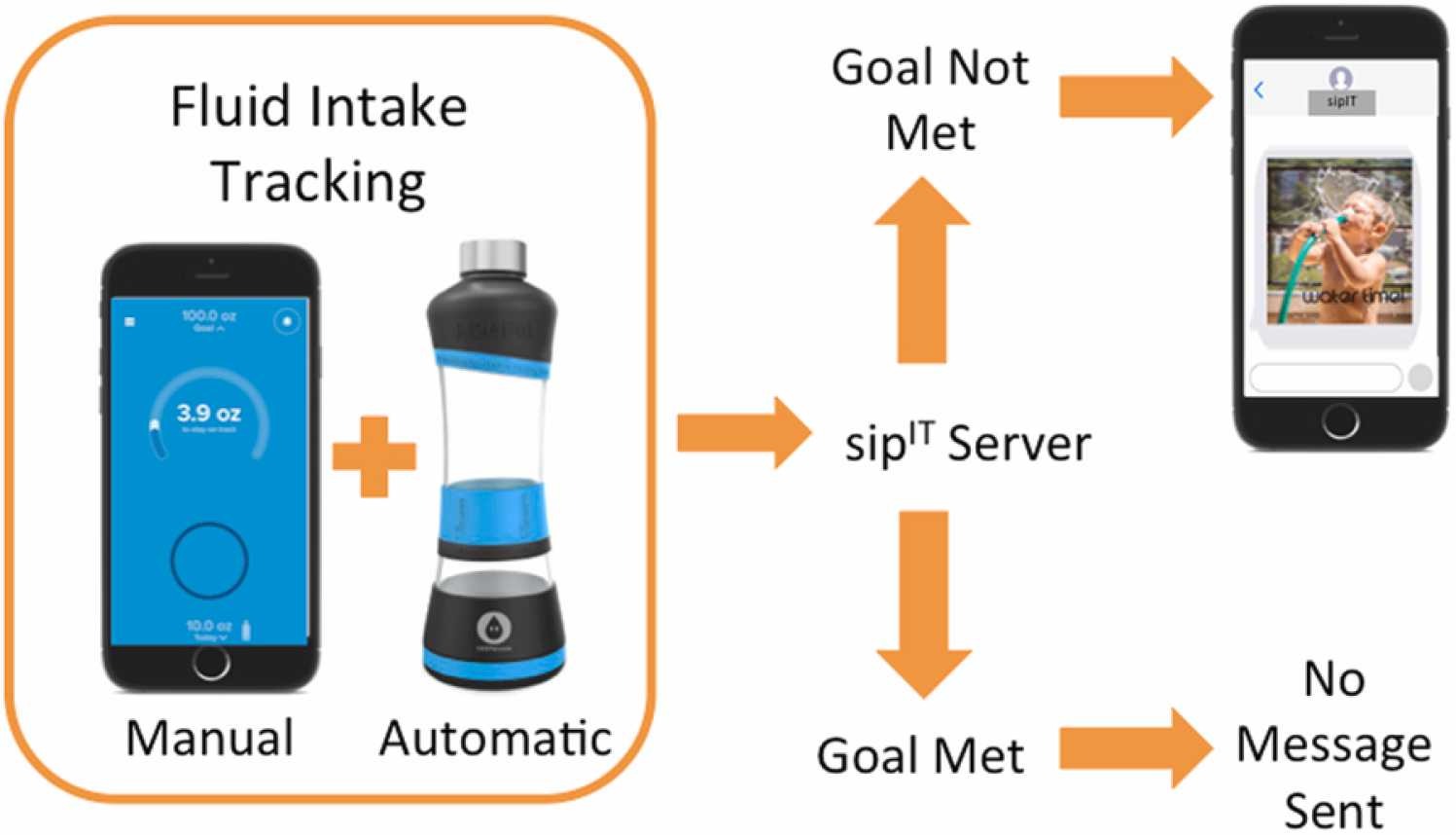
Hydration Reminders
Staying hydrated is one of the simplest yet most overlooked ways to improve wellness. Wearables can remind you to drink water at regular intervals, ensuring you don’t forget during busy days.
Some devices even let you set personalized hydration goals based on your activity level and environment. Have you ever noticed how much better you feel after consistent water intake throughout the day?
Nutrition Tracking
Nutrition is key to fueling your body properly, but tracking every meal can feel overwhelming. Wearables help by letting you log food quickly or scan barcodes to keep an eye on calories, macros, and nutrients.
This data helps you identify patterns, like when you tend to overeat or skip meals. Would knowing exactly what you consume help you make smarter food choices?
Mindfulness And Meditation
Your mental wellness matters just as much as your physical health. Wearables offer guided breathing exercises, meditation sessions, and stress level tracking to help you stay calm and focused.
These tools encourage regular mindfulness breaks, which can reduce anxiety and improve concentration. What if your device nudged you to pause and breathe when stress starts creeping in?
Credit: www.health.harvard.edu
Data Integration And Insights
Data integration and insights from wearable technology transform raw numbers into meaningful information that you can act on. These devices don’t just collect data—they connect with apps and platforms that help you understand your health and habits better. This connection allows you to see patterns, get personalized advice, and make smarter decisions about your wellness journey.
Health App Syncing
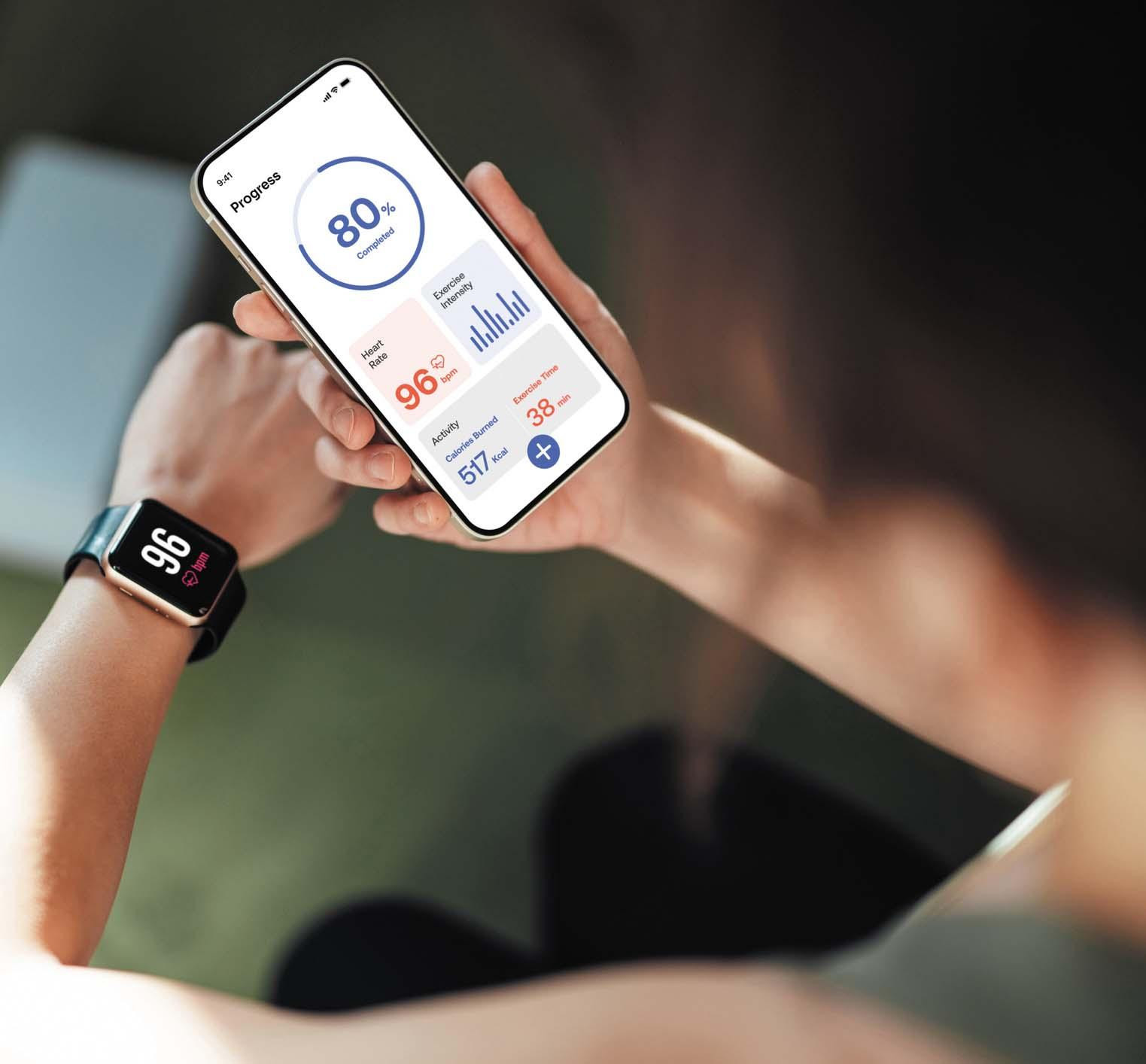
Your wearable device can sync with various health apps to provide a complete picture of your well-being. This integration means your steps, heart rate, sleep, and even stress levels combine with data from nutrition trackers or medical apps.
Imagine checking one app to see how your diet affects your sleep quality or how your exercise impacts your stress levels. Syncing apps makes this possible, giving you a centralized place to monitor all aspects of your health.
Personalized Feedback
Wearables offer more than just numbers—they give tailored advice based on your unique data. If your sleep pattern shows frequent interruptions, the device might suggest calming bedtime routines or adjusting your room temperature.
Personalized feedback can help you set realistic goals and stay motivated. It’s like having a health coach on your wrist, guiding you to improve step by step.
Trend Analysis
Tracking your data over weeks and months reveals trends that single measurements can’t show. You might notice your heart rate lowering as you increase physical activity or identify times when your stress spikes during the day.
These trends help you understand the bigger picture of your health. What patterns are hidden in your data? And how can recognizing them improve your daily choices?
Privacy And Security
Privacy and security are at the heart of wearable technology concerns. These devices collect sensitive information about your body and daily habits, making it vital to understand how your data is protected. You might wonder who accesses your information and how safe it really is.
Data Protection Measures
Wearable tech companies use various methods to keep your data safe. Encryption is a key tool that scrambles your information so only authorized users can read it. Many devices also require secure passwords or biometric authentication, like fingerprint scans, to prevent unauthorized access.
Regular software updates fix vulnerabilities and protect against new threats. Some brands even offer two-factor authentication, adding an extra layer of security. But do you check if your device’s app has these protections before you start using it?
User Control Over Data
You should have the power to decide what data is collected and shared. Most wearables allow you to adjust privacy settings so you control which apps access your information. Some devices let you delete your data permanently if you no longer want it stored.
Think about how much control you really have. Are you comfortable with your health details being shared with third parties? Taking time to explore these settings can help you protect your privacy and make your wearable technology experience safer.

Credit: www.idtechex.com
Frequently Asked Questions
What Health Metrics Can Wearable Technology Track?
Wearables monitor heart rate, sleep patterns, steps, calories burned, and oxygen levels. They help users understand fitness and overall health better.
Can Wearable Devices Track Stress And Mental Health?
Yes, many wearables track stress through heart rate variability and provide relaxation reminders. Some also monitor mood and mental well-being trends.
How Accurate Is Gps Tracking On Wearable Devices?
GPS on wearables provides real-time location and distance data. Accuracy depends on the device quality and environmental factors like signal strength.
Do Wearable Technologies Track Sleep Quality Effectively?
Wearables use sensors to monitor sleep stages, duration, and disturbances. They offer insights for improving rest and identifying sleep issues.
Conclusion
Wearable technology offers vast tracking possibilities. Heart rate, steps, and sleep patterns are just the start. These devices can monitor stress levels too. They help users make informed health decisions. Fitness goals become achievable with precise data. Daily activities gain clarity and purpose.
Wearables are not just for fitness enthusiasts. They benefit everyone seeking health insights. Staying informed about our bodies leads to better choices. Wearables bridge the gap between lifestyle and technology. Embrace this tool for a healthier life. Empower your journey with real-time data.
Wearable tech supports a more connected, healthier future.
Leave a Reply