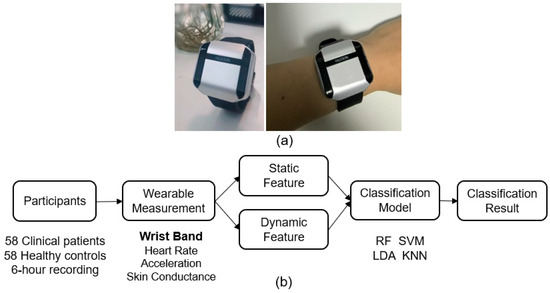
Have you ever wondered what exactly wearable technology is and how it fits into your daily life? You might think it’s just smartwatches or fitness trackers, but there’s so much more to explore.
Understanding which option truly describes wearable technology can help you make smarter choices about the gadgets you use every day. Keep reading to discover the surprising ways wearable tech works for you and why it’s becoming a game-changer in health, communication, and beyond.
This will change how you see your devices forever.
What Is Wearable Technology
Wearable technology refers to electronic devices you can wear on your body. These gadgets are designed to provide convenience, enhance daily activities, and sometimes even improve health and fitness. You might already own or use some form of wearable tech without realizing it.
Key Features
Wearable technology is all about combining functionality with portability. These devices often include sensors that collect data, such as heart rate or steps taken. They usually connect to your smartphone or computer to give you real-time updates and insights.
Another important feature is user interaction. Many wearables have touchscreens or voice controls that make them easy to operate on the go. Battery life and comfort are also key factors since you need to wear them for extended periods.
Common Devices
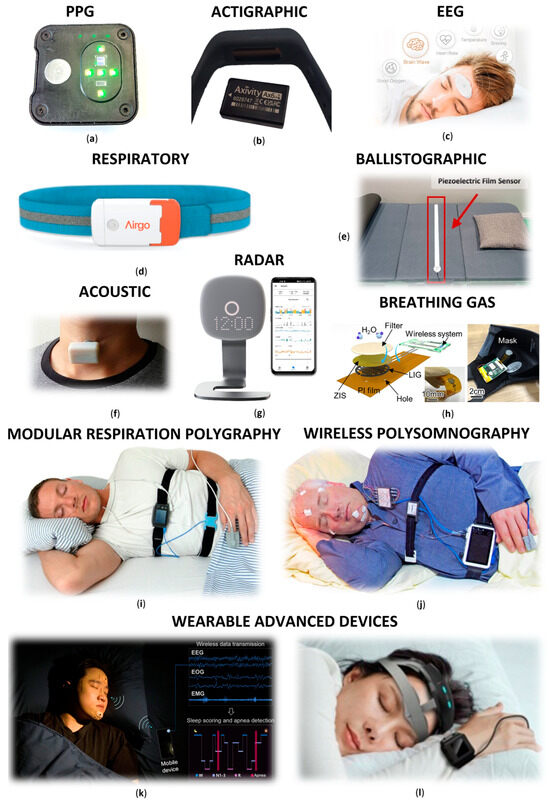
- Smartwatches:These do more than just tell time—they track fitness, receive notifications, and even make calls.
- Fitness Trackers:Simple bands that monitor your activity levels, sleep quality, and calories burned.
- Smart Glasses:Glasses that display information right in your line of sight.
- Wearable Cameras:Small cameras you can clip on your clothes or wear as glasses to capture moments hands-free.
- Health Monitors:Devices like continuous glucose monitors or ECG monitors that help manage medical conditions.
Have you thought about how these devices could fit into your daily routine? Sometimes, a simple wearable can make a big difference in tracking your progress or staying connected without pulling out your phone.
Credit: www.mdpi.com
Types Of Wearable Tech
Wearable technology includes devices worn on the body. They help track health, provide information, or offer new experiences. These gadgets connect to phones or work on their own. Many types exist to suit different needs.
Fitness Trackers
Fitness trackers monitor physical activity. They count steps, measure heart rate, and track sleep. These devices encourage healthier habits by showing daily progress. Many models offer reminders to move or drink water.
Smartwatches
Smartwatches do more than show time. They display notifications, control music, and track fitness. Some include GPS and make calls. They keep users connected without needing a phone constantly.
Augmented Reality Glasses
Augmented reality glasses add digital images to real views. Users see extra information overlaid on objects. These glasses help with navigation, gaming, and work tasks. They create a mix of real and virtual worlds.
Wearable Cameras
Wearable cameras record videos or take pictures hands-free. They attach to clothing or accessories. Popular with sports lovers and vloggers. These devices capture moments from a first-person view.
How Wearables Work
Understanding how wearable technology works can change the way you use these devices daily. Wearables rely on smart components that track your body and environment, then communicate this information to you or other devices. This section breaks down the core functions that make wearables so effective and useful.
Sensors And Data Collection
Wearable devices use various sensors to gather information about your body and surroundings. These sensors can measure heart rate, steps taken, sleep patterns, and even skin temperature.
For example, accelerometers detect motion and orientation, while optical sensors monitor blood flow to estimate your heart rate. These sensors constantly collect data, which forms the basis for the insights you see on your app.
Have you ever wondered how your smartwatch knows when you start running or resting? It’s these sensors that pick up on subtle changes in your movement and physiology, making the device smart enough to understand your activities.
Connectivity And Syncing
Once data is collected, it needs to get from your wearable to your smartphone or computer. This happens through wireless connectivity options like Bluetooth, Wi-Fi, or sometimes cellular networks.
Syncing allows your wearable to update your health stats in real-time or at regular intervals. This connection is what enables you to see detailed reports, receive notifications, and even share data with fitness apps or healthcare providers.
Think about how seamless it feels when your fitness tracker updates your phone automatically without any action from you. This convenience comes from continuous syncing, which keeps your information current and ready for use.
Benefits Of Wearable Devices
Wearable devices have moved beyond simple gadgets to essential tools that improve daily life in many ways. They offer tangible benefits that impact your health, communication, and overall convenience. Understanding these benefits helps you decide how wearable technology can fit into your routine and enhance your lifestyle.
Health Monitoring
Wearables track your vital signs like heart rate, sleep patterns, and physical activity in real time. This constant monitoring helps you spot health issues early, sometimes before you even notice symptoms. Imagine catching irregular heartbeat patterns early enough to seek medical advice — that’s the power of wearable tech.
Many devices also motivate you to stay active by setting daily step goals or reminding you to move. This kind of personalized feedback pushes you to maintain healthier habits without feeling overwhelmed.
Enhanced Communication
Wearable devices keep you connected without needing to pull out your phone constantly. Whether it’s answering calls, reading messages, or receiving notifications, everything is accessible right on your wrist or through smart glasses.
Think about how much easier meetings or workouts become when you can discreetly check messages or respond with voice commands. Wearables help you stay engaged in both your personal and professional life, without distraction.
Convenience And Accessibility
Wearables simplify everyday tasks by offering quick access to information and controls. You can check the weather, control music, or even make payments with a simple tap or voice command.
For people with disabilities, wearables provide crucial assistance. Features like voice control and haptic feedback improve accessibility, making technology usable for everyone.
How could adding a wearable device to your daily routine free up time and reduce stress?
Challenges And Limitations
Wearable technology offers exciting possibilities, but it also comes with its fair share of challenges and limitations. Understanding these hurdles can help you make better choices about which devices to trust and how to use them effectively.
Privacy Concerns
Wearables collect a lot of personal data, from your heart rate to your location. This raises serious questions about who has access to this information and how it’s being used.
Imagine your fitness tracker sharing your daily routine without your consent. Would you feel comfortable knowing that? You need to check the privacy policies carefully and adjust settings to protect your data.
Battery Life
One common frustration with wearable devices is short battery life. You might find yourself charging your smartwatch or fitness band daily, which can be inconvenient.
Think about how often you forget to charge your phone; adding another device to that routine can be annoying. Look for wearables with longer battery life or quick charging features to avoid interruptions.
Data Accuracy
The accuracy of data collected by wearables is not always reliable. Factors like device placement, skin tone, and movement can affect readings.
If your smartwatch shows inconsistent step counts or heart rate spikes, it’s not just a technical glitch—it can lead to wrong health decisions. Always cross-check wearable data with other sources or professional advice before acting on it.

Credit: www.mdpi.com
Future Of Wearable Technology
The future of wearable technology promises exciting changes that will touch many parts of your life. As these devices become smarter and more connected, they will move beyond simple fitness tracking to offer deeper insights and more useful interactions. How will these advancements change the way you work, play, and stay healthy?
Emerging Innovations
Wearable tech is evolving rapidly, introducing new features that were once considered science fiction. You might soon see devices with flexible screens that wrap around your wrist or smart fabrics that monitor your body without any bulky gadgets. Imagine a smartwatch that can analyze your stress levels in real time and suggest breathing exercises instantly.
These innovations aren’t just about gadgets getting smaller—they’re about making technology more intuitive and personalized. The technology will adapt to your habits, helping you make better decisions every day.
Integration With Iot
Your wearable device will no longer work in isolation. Instead, it will connect seamlessly with other smart devices in your home, car, and workplace. Picture your smartwatch adjusting your thermostat as you leave the office or your fitness tracker communicating with your smart fridge to suggest meal options based on your health data.
This integration with the Internet of Things (IoT) means your devices will work together to create a more responsive environment tailored to your needs. Are you ready for technology that anticipates your next move?
Impact On Daily Life
Wearable technology will change how you manage your health, productivity, and entertainment. Instead of waiting for symptoms to appear, your wearable can alert you to subtle changes in your body, helping you catch issues early. This proactive approach to health can save time, money, and even lives.
On a daily basis, wearables can help you stay focused by managing notifications or tracking your habits to improve sleep and energy levels. Think about how much easier your day could be with technology that understands your routine and supports your goals.

Credit: theiotmagazine.com
Frequently Asked Questions
What Is Wearable Technology?
Wearable technology refers to electronic devices worn on the body. These gadgets monitor health, fitness, or provide smart functions. Examples include smartwatches, fitness trackers, and smart glasses.
How Does Wearable Technology Work?
Wearable technology uses sensors to collect data from the body or environment. It processes information and connects to smartphones or the internet for real-time feedback.
What Are Common Uses Of Wearable Technology?
Wearables track fitness, monitor health metrics, enable communication, and support navigation. They help users stay informed and improve wellness effortlessly.
Why Is Wearable Technology Important Today?
Wearable tech promotes healthier lifestyles and better health monitoring. It offers convenience by integrating technology into everyday life seamlessly.
Conclusion
Wearable technology is reshaping our daily lives. These devices track health, fitness, and more. They offer convenience and efficiency. From smartwatches to fitness trackers, options are vast. Each serves unique purposes and needs. Understanding these options helps make informed choices.
This tech blends seamlessly into routines. It enhances our experiences and keeps us connected. Wearables are not just gadgets; they are part of our lifestyle. Embracing them means stepping into a tech-forward world. Consider your needs and choose wisely. The right wearable can transform everyday tasks into effortless actions.
Explore, adapt, and enjoy the benefits wearable tech offers.
Leave a Reply