Have you ever wondered how police officers stay safe and gather crucial evidence during their daily work? Wearable technology is changing the way law enforcement operates, making it smarter and more efficient.
But which police departments are leading the way by using these high-tech tools? You’ll discover the departments that have embraced wearable devices and how these gadgets are making a real difference. Keep reading to find out how this technology could impact your community’s safety and the future of policing.

Credit: www.motherjones.com
Wearable Tech In Policing
Wearable technology is changing how police officers work every day. These devices help officers stay safe and improve their job performance. Police departments across the world use wearables to gather information and communicate quickly.
Wearable tech supports officers in many ways. It provides real-time data and helps with evidence collection. This technology is becoming a vital part of modern policing strategies.
Types Of Wearable Devices
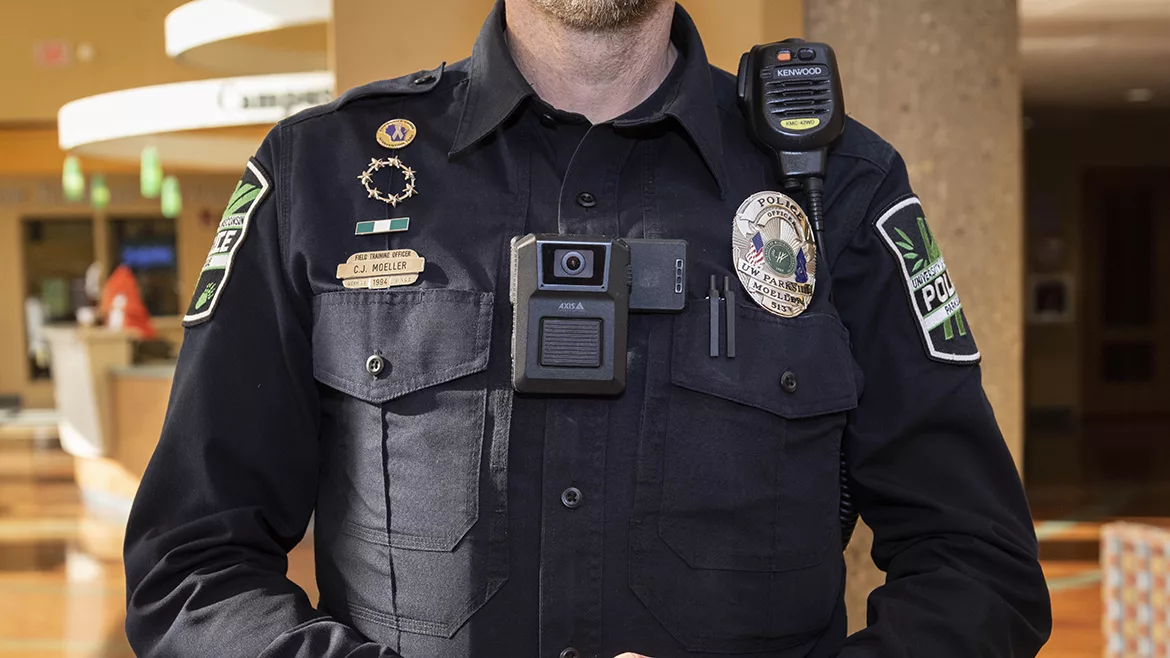
- Body-worn cameras capture video and audio during incidents.
- Smart watches track health and provide communication tools.
- GPS trackers help monitor officer locations in the field.
- Smart glasses offer hands-free access to information.
- Biometric sensors monitor stress and vital signs.
Benefits For Officers
- Increased safety through real-time monitoring and alerts.
- Better evidence collection with clear video and audio recordings.
- Faster communication between officers and dispatch centers.
- Improved health tracking to reduce stress and fatigue.
- Enhanced decision-making with instant access to data.
Challenges And Concerns
- Privacy issues for both officers and the public.
- Technical problems like battery life and device durability.
- Costs of purchasing and maintaining wearable devices.
- Training needed to use new technology effectively.
- Data management and secure storage of recorded information.
Body Cameras
Body cameras have become a crucial tool in modern policing. They provide a direct view of interactions between officers and the public, creating a transparent record of events. This technology impacts how police departments operate and how communities perceive law enforcement.
Features And Capabilities
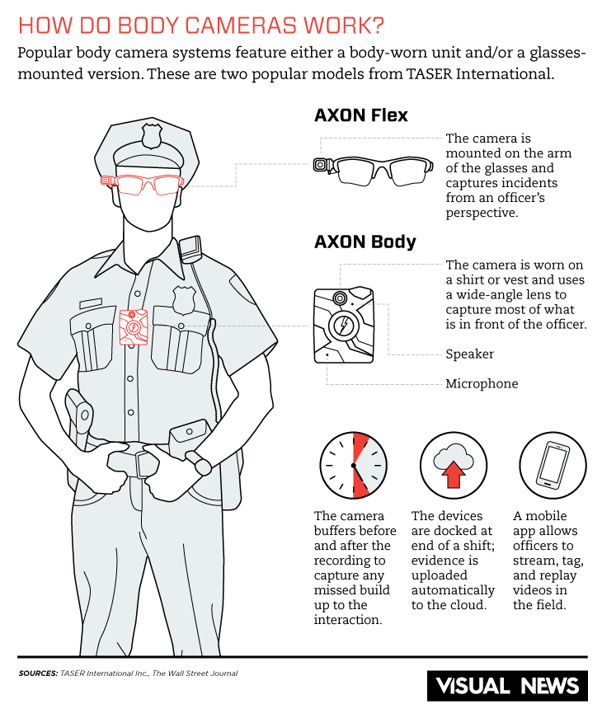
Body cameras capture high-definition video and clear audio, often with night vision and wide-angle lenses. Many models automatically activate during specific actions, like drawing a weapon or opening a car door.
Some advanced body cameras include GPS tracking and real-time streaming to control centers. This allows supervisors to monitor situations as they unfold, improving response times and officer safety.
Departments Leading Adoption
Large urban departments such as the Los Angeles Police Department and New York Police Department have been early adopters of body camera technology. Their use has set standards for deployment and data management across the country.
Smaller departments, like those in Austin, Texas, and Madison, Wisconsin, also lead in innovative uses by integrating body cameras with other wearable tech. They show how even limited budgets can prioritize transparency and accountability.
Impact On Accountability
Body cameras hold officers accountable by providing objective evidence during encounters. This can protect both the public and officers from false claims.
However, the effectiveness depends on clear policies about when cameras must be activated and how footage is stored and accessed. Do you know how your local police department handles this sensitive data?
Smartwatches And Health Monitors
Smartwatches and health monitors are becoming essential tools in police departments across the globe. These devices go beyond simple timekeeping, offering officers real-time health data and situational awareness. They help departments keep their teams safer and more connected during high-stress situations.
Tracking Officer Wellness
Police work is physically and mentally demanding. Smartwatches track vital signs like heart rate, sleep quality, and stress levels throughout a shift. This data helps officers recognize when they need to rest or seek medical attention.
Imagine being able to detect early signs of fatigue before it affects performance. Departments using these devices actively monitor wellness to reduce on-duty injuries and burnout.
Real-time Alerts
Health monitors can send instant alerts if an officer’s vitals reach dangerous levels. For example, if a heart rate spikes suddenly or if a fall is detected, the system notifies dispatch or fellow officers immediately.
This quick response can save lives and improve on-scene support. Would you feel safer knowing help is alerted automatically if something goes wrong?
Examples Of Use
- New York Police Department (NYPD):Some units use smartwatches to track officer heart rates during critical incidents, helping supervisors manage stress exposure.
- Los Angeles Police Department (LAPD):Incorporates wearable devices to monitor fatigue and encourage better shift scheduling.
- Chicago Police Department:Trials health monitors that detect falls or sudden inactivity, triggering immediate check-ins.
These examples show how wearable tech is not just a gadget but a practical tool for officer safety and wellness. How could your department benefit from adopting similar technology?
Augmented Reality Glasses
Augmented reality (AR) glasses are changing how police officers interact with their environment. These smart glasses overlay digital information directly onto the officer’s view, helping them stay informed without taking their eyes off the situation. This hands-free technology provides real-time data, maps, and alerts, allowing officers to make faster, smarter decisions on the job.
Enhancing Situational Awareness
AR glasses boost situational awareness by delivering critical information right before your eyes. Instead of flipping through reports or radios, you get live updates about suspects, locations, or potential threats instantly.
Imagine walking into a crowded scene and seeing identifying details about individuals, hazard zones, or escape routes without looking away. This can reduce reaction times and improve officer safety dramatically.
Current Deployments
Some police departments have already started using AR glasses in the field. For example, the Los Angeles Police Department tested smart glasses to provide officers with facial recognition and license plate data during patrols.
Other departments, like those in Dubai and Singapore, use AR glasses to assist with crowd control and traffic management by displaying vital information in real time. These deployments prove that AR technology is moving beyond trials into practical, everyday use.
Future Potential
What if your AR glasses could connect to drones or body cameras, giving you a 360-degree view of a crime scene? Future developments might include integrated AI that analyzes scenes and suggests next steps based on evolving situations.
There’s also potential for augmented reality to improve training, allowing officers to practice real-world scenarios with virtual overlays. This technology could soon become an essential part of every officer’s toolkit, helping you stay safer and more effective on duty.
Gps And Location Trackers
GPS and location trackers are vital tools in modern policing. These devices help monitor officers’ exact positions in real time. The technology improves communication and safety during patrols and emergency responses. Many police departments have adopted wearable GPS systems to enhance operational efficiency and officer protection.
Improving Officer Safety
GPS trackers provide continuous location updates for each officer. Supervisors can quickly locate personnel in dangerous situations. If an officer is in trouble, the system sends instant alerts. This quick response reduces risks during critical incidents. The devices also help prevent officers from getting lost in unfamiliar areas.
Integration With Dispatch
Wearable GPS technology links directly to dispatch centers. Dispatchers see officers’ live locations on digital maps. This connection allows better coordination during calls. Dispatch can assign nearby officers to incidents faster. It also helps avoid sending multiple units to the same place unnecessarily.
Departments Using Gps Tech
- New York Police Department (NYPD) uses GPS for officer tracking.
- Los Angeles Police Department (LAPD) integrates GPS with body cameras.
- Chicago Police Department (CPD) employs location trackers in patrol units.
- Houston Police Department uses GPS wearables for field operations.
- Dallas Police Department applies GPS tech to improve officer safety.
Credit: www.utility.com
Wearable Communication Devices
Wearable communication devices are transforming how police officers stay connected during duty. These small gadgets fit comfortably on the body, allowing officers to communicate without using their hands. This technology improves response times and officer safety by enabling constant, clear communication.
Hands-free Communication
Officers use wearable devices to talk without holding a radio or phone. This hands-free setup lets them focus on tasks and stay alert. Voice commands and push-to-talk buttons on the devices make communication quick and easy. It keeps officers connected while they move or handle emergencies.
Noise Reduction Features
Wearable communication devices include noise reduction technology. This filters out background sounds like traffic or crowds. Officers hear messages clearly, even in loud environments. Noise-canceling microphones ensure that only the officer’s voice is transmitted. This clarity reduces miscommunication during critical moments.
Adoption By Police Forces
Many police departments worldwide now use wearable communication devices. Large city forces and smaller agencies find them useful. Departments report better coordination and faster response times. Officers appreciate the ease of use and improved safety. This trend is growing as technology becomes more affordable and reliable.
Emerging Innovations
Wearable technology is changing police work rapidly. Departments adopt new tools to improve safety and efficiency. These innovations help officers stay connected and informed in real time. Below are some of the newest wearable tech advancements in policing.
Biometric Sensors
Biometric sensors track officers’ vital signs during duty. These sensors monitor heart rate, body temperature, and stress levels. The data helps command centers detect health risks early. Some sensors alert officers if they show signs of fatigue. This tech supports better health and faster emergency responses.
Ai-powered Wearables
AI-powered wearables analyze data instantly for smarter decisions. They use cameras and audio sensors to recognize faces and voices. The AI can spot threats or unusual behavior quickly. Officers get real-time alerts on their devices. This helps prevent crimes and improve public safety.
Experimental Projects
Many police departments test new wearable tech in pilot projects. These include smart glasses with augmented reality features. Officers can see maps, notes, or suspect details in their view. Some projects explore wearable drones for remote surveillance. These experiments push boundaries and shape future tools.
Global Adoption Trends
Police departments worldwide are adopting wearable technology to enhance safety and efficiency. This trend varies across regions due to different needs and resources. The use of body cameras, smartwatches, and other devices is growing steadily. These technologies help officers record incidents, monitor health, and communicate better.
North America
Many police forces in North America use wearable devices. Body cameras are common in cities across the United States and Canada. These cameras improve transparency and accountability. Smartwatches and GPS trackers assist officers in emergencies. Departments often pilot new gadgets before full adoption.
Europe
European police departments show strong interest in wearable tech. Body cameras are used widely in the UK, France, and Germany. Some countries focus on privacy rules before adopting new devices. Wearable tech helps officers gather evidence quickly and safely. Smart glasses and health monitors are also being tested.
Asia-pacific
Wearable technology in Asia-Pacific is growing fast. Countries like Australia, Japan, and Singapore invest in advanced police gear. Body cameras and communication devices improve officer safety. Some forces use AI-powered wearables for better crime detection. Adoption is rising as technology becomes more affordable.
Credit: www.tssbulletproof.com
Frequently Asked Questions
What Is Wearable Technology In Police Work?
Wearable technology in police work includes devices like body cameras, smartwatches, and biometric sensors. These devices help in enhancing communication, gathering evidence, and monitoring officer health. They aim to improve safety and efficiency in law enforcement operations.
Which Police Departments Use Body Cameras?
Many police departments globally use body cameras, including New York, Los Angeles, and Chicago. These devices help increase transparency and accountability. They provide valuable evidence during investigations and improve interactions with the public.
How Do Wearables Improve Police Safety?
Wearables enhance police safety by providing real-time data and alerts. Devices can monitor officers’ vitals, detect gunshots, and track locations. This ensures rapid response and support during emergencies, thus improving overall safety.
What Are The Benefits Of Smartwatches For Police?
Smartwatches offer benefits like real-time communication, GPS tracking, and health monitoring. They enable officers to receive updates without using radios or phones. This technology helps in maintaining focus and efficiency while on duty.
Conclusion
Police departments use wearable technology to improve safety and transparency. These devices help officers record events clearly and protect themselves. Many cities now equip their teams with body cameras and smart sensors. This technology builds trust between police and the community.
It also provides useful evidence during investigations. As technology grows, expect more departments to adopt these tools. Keeping everyone safer, one step at a time.
Leave a Reply