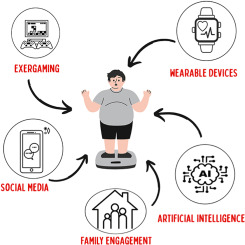
Are you struggling to stay on track with your health goals? Imagine having a simple tool that keeps you motivated, tracks your progress, and helps you make smarter choices every day.
Wearable technology is doing just that—and it’s changing the way people fight obesity. This isn’t just about counting steps; it’s about giving you real-time insights that empower you to take control of your body and your future. Keep reading to discover how these smart devices can become your personal guide to a healthier, happier you.
Role Of Wearables In Health Monitoring
Wearable technology plays a crucial role in health monitoring, especially when it comes to preventing obesity. These devices give you real-time information about your body’s functions, helping you make smarter choices every day. By keeping a close eye on your health metrics, wearables encourage a more active and mindful lifestyle.
Tracking Physical Activity
Wearables track every step you take, every stair you climb, and every calorie you burn. They turn daily movement into measurable goals, making it easier for you to stay motivated. Imagine getting a gentle reminder to get up and move after sitting too long—those small prompts can add up to big changes.
Have you ever noticed how seeing your daily step count encourages you to take the stairs instead of the elevator? This immediate feedback can transform your habits without drastic changes.
Monitoring Heart Rate And Vital Signs
Your heart rate reveals a lot about your health, from how hard you’re working during exercise to your overall cardiovascular fitness. Wearables monitor your heart rate continuously, alerting you to irregularities or times when you should slow down. This helps prevent overexertion and supports safer, more effective workouts.
Some devices even track oxygen levels and stress indicators, giving you a fuller picture of your well-being. Wouldn’t it be helpful to know when your body needs rest before pushing harder?
Sleep Pattern Analysis
Quality sleep is essential for weight management, yet many overlook its impact. Wearables monitor your sleep cycles and provide insights into how well you’re resting. With this data, you can adjust habits to improve sleep, which supports metabolism and reduces cravings.
Have you ever tracked your sleep and realized that poor rest made you reach for unhealthy snacks the next day? Understanding these patterns can help you break that cycle and stay on track with your health goals.

Credit: blog.stackademic.com
Behavioral Changes Encouraged By Wearables
Wearable technology drives important behavioral changes that help prevent obesity. These devices encourage users to be active and mindful about their health. They promote better habits through constant support and reminders. Small, steady changes add up to big health improvements over time.
Setting And Achieving Fitness Goals
Wearables let users set clear and simple fitness targets. Goals like walking 10,000 steps or burning a set number of calories become easy to track. The device records progress and shows it in real time. This keeps users focused and committed to their goals. Achieving small goals boosts confidence and motivates further effort.
Real-time Feedback And Motivation
Wearables give instant feedback on physical activity and health metrics. This helps users understand how their choices affect their bodies. Alerts remind users to move if they have been sitting too long. Positive notifications reward progress and encourage continued action. Real-time data keeps motivation high and behavior on track.
Promoting Consistent Healthy Habits
Wearables support daily routines that build long-lasting health habits. Regular reminders to exercise, drink water, or sleep well create structure. Consistency improves metabolism and energy levels, which helps control weight. Over time, healthy habits become natural and easier to maintain. This steady approach reduces the risk of obesity effectively.
Diet And Nutrition Support
Wearable technology offers powerful tools to support diet and nutrition. These devices help users make smarter food choices and maintain healthy eating habits. Tracking food intake and hydration becomes easier and more accurate. Insights from wearables guide users toward balanced nutrition tailored to their needs. This support plays a key role in preventing obesity.
Calorie Counting And Meal Tracking
Wearables simplify calorie counting by logging meals automatically or manually. Users can record what they eat with a few taps. This helps control portion sizes and avoid overeating. The device compares calories consumed with calories burned daily. It encourages balanced energy intake to support weight management.
Hydration Reminders
Proper hydration is essential for metabolism and appetite control. Wearable devices send reminders to drink water throughout the day. These alerts help prevent dehydration, which can trigger hunger signals. Staying hydrated supports digestion and overall health. Regular water intake can reduce unnecessary snacking.
Personalized Nutrition Insights
Wearables analyze data such as activity levels and body metrics. They provide nutrition tips based on individual needs and goals. Users receive advice on macronutrient balance and meal timing. This personalized approach helps improve diet quality. It supports sustainable eating habits that prevent weight gain.

Credit: www.sciencedirect.com
Integration With Healthcare Providers
Wearable technology works closely with healthcare providers to fight obesity. This connection helps doctors track patient health in real time. It also supports better decisions and timely care. Sharing data between devices and healthcare teams makes treatment more personal and effective.
Data Sharing For Personalized Care
Wearables collect daily activity, heart rate, and sleep patterns. This data uploads securely to healthcare systems. Doctors review it to understand each patient’s habits. They tailor advice and plans based on real information. Personal care improves because doctors see exact progress and challenges.
Remote Monitoring And Early Intervention
Healthcare providers watch patient data remotely using wearable devices. They spot early signs of weight gain or health issues. Quick alerts help doctors act before problems worsen. Patients receive support without frequent clinic visits. This approach saves time and prevents obesity complications.
Supporting Weight Management Programs
Wearables help patients follow weight loss programs closely. Healthcare teams track activity levels and calorie use daily. They adjust programs based on real-time feedback from devices. Patients stay motivated with clear progress reports. This support increases success rates in managing weight effectively.
Technological Advances Enhancing Effectiveness
Wearable technology has grown smarter and more precise. These advances make it easier to track health and prevent obesity. New features help users understand their habits and motivate change. The technology adapts to personal needs and provides clearer insights.
Artificial Intelligence And Predictive Analytics
Artificial intelligence (AI) helps wearables analyze data deeply. It predicts health risks before problems start. AI learns from user patterns and suggests better habits. Predictive analytics warns about potential weight gain or poor diet choices. This helps users act early and avoid obesity.
Wearable Sensors And Accuracy Improvements
Sensors now track movement, heart rate, and calories more accurately. Better sensors reduce errors in data collection. This means users get reliable feedback on their activity and health. Precise data helps users make smarter lifestyle decisions. Improved sensors also detect stress and sleep quality, adding more health details.
User-friendly Interfaces And Accessibility
Simple screens and easy controls make wearables user-friendly. Clear visuals and alerts help users stay on track. Accessibility features support people with different needs. Apps sync well with phones and other devices. This ease of use encourages regular monitoring and healthy habits.
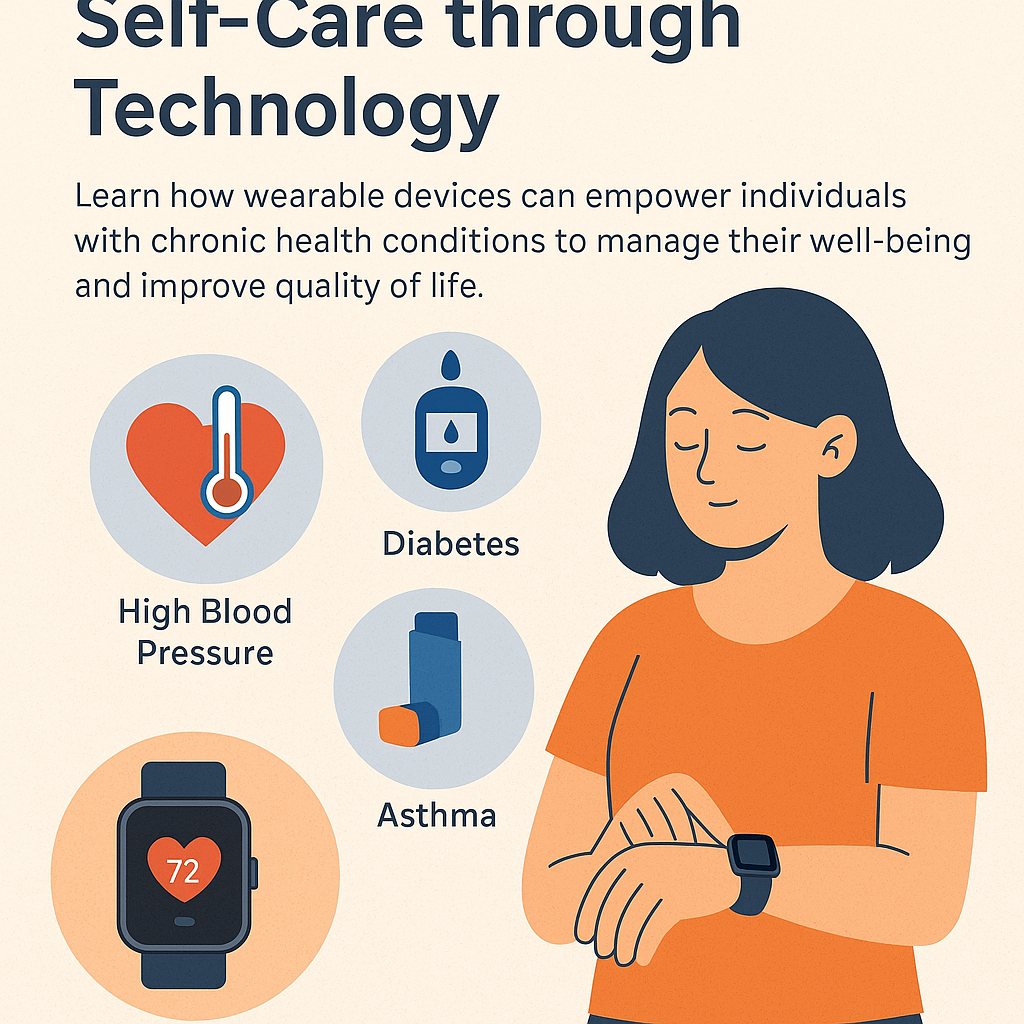
Credit: www.kardena.eu
Challenges And Limitations
Wearable technology offers promising ways to help prevent obesity, but it’s not without its challenges and limitations. Understanding these hurdles is essential if you want to make the most of these devices. Here’s a closer look at some of the key issues that could affect your experience and results.
Privacy And Data Security Concerns
Your health data is personal and sensitive. Wearables collect a lot of information about your daily habits, location, and physical condition. This raises questions about how securely this data is stored and who can access it.
Have you ever wondered where your fitness tracker sends your data? Some companies share information with third parties for marketing or research, sometimes without clear user consent. This can make you hesitate to fully trust the device, limiting its effectiveness.
User Engagement And Compliance Issues
Wearing a device regularly and using its features consistently can be harder than it sounds. Many people start strong but quickly lose interest or forget to wear their trackers.
Think about your own habits: how often do you charge your device or check your progress? Without sustained engagement, even the most advanced technology can’t help you make lasting lifestyle changes.
Simple reminders and goal-setting features can help, but only if you actively participate. If the technology feels like a chore, it won’t prevent obesity effectively.
Cost And Accessibility Barriers
Not everyone can afford the latest wearable technology. High costs put these devices out of reach for many individuals who could benefit the most.
Moreover, some wearables require smartphones or internet connections to work fully. This limits access for those in remote or low-income areas.
What if affordable, easy-to-use options were more widely available? Would you be more motivated to use wearable tech to manage your weight?
Frequently Asked Questions
How Does Wearable Technology Track Physical Activity?
Wearable technology uses sensors to monitor steps, heart rate, and calories burned. Devices like fitness trackers provide real-time data. This helps users understand their activity levels. By analyzing this data, users can adjust their routines. This leads to better health outcomes and weight management.
Can Wearables Improve Dietary Habits?
Yes, wearables can track food intake and nutrient levels. Many devices sync with apps for meal logging. This helps users make informed dietary choices. Consistent tracking encourages healthier eating habits. Over time, this can lead to weight loss and prevent obesity.
What Role Do Wearables Play In Weight Management?
Wearables provide valuable insights into daily activity and calorie consumption. This data helps users set realistic fitness goals. Monitoring progress encourages consistent healthy habits. By keeping users accountable, wearables support long-term weight management and obesity prevention.
Are Wearable Devices Effective For Monitoring Sleep?
Yes, wearables track sleep patterns, including duration and quality. Quality sleep is crucial for weight management. Wearables provide insights to improve sleep habits. Better sleep contributes to overall health and obesity prevention.
Conclusion
Wearable technology helps track daily activity and calories burned. It keeps users aware of their habits and encourages movement. Small changes add up to better health and weight control. These devices also remind users to stay active throughout the day.
They support setting goals and celebrating progress. Using wearables can make healthy living easier and more fun. Staying consistent with these tools helps prevent obesity over time. Simple steps lead to big results. Wearable technology offers helpful support for a healthier life.
Leave a Reply