Have you ever wondered what wearable technology really is and how it fits into your daily life? These smart devices are designed to make things easier, faster, and more connected for you.
Whether it’s tracking your fitness, helping you stay organized, or even improving your health, wearable technology is changing the way you interact with the world around you. Keep reading to discover how these gadgets work and why they might become your next must-have.
Evolution Of Wearable Tech
The evolution of wearable technology shows how devices once seen as futuristic gadgets have become part of daily life. Wearables now do more than track steps; they monitor health, improve communication, and enhance productivity. Understanding this journey helps you appreciate where the technology is headed and how it can fit into your world.
Early Devices And Milestones
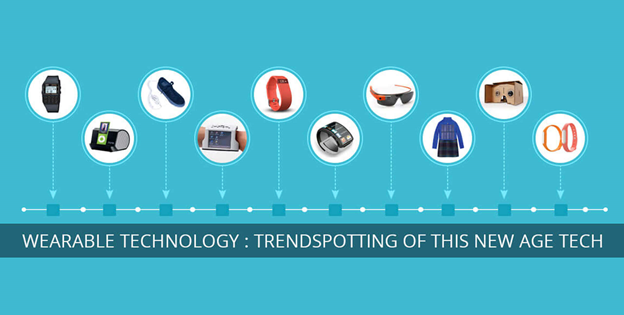
Wearable tech didn’t start with smartwatches or fitness trackers. The first notable device was the calculator watch in the 1980s, blending convenience with novelty. Then came hearing aids and wearable hearing amplifiers, proving wearables could offer real benefits.
One milestone was the introduction of the Fitbit in 2009, which made tracking daily activity easy and accessible. It shifted wearables from niche gadgets to mainstream health tools. Have you ever wondered how such a simple device changed your approach to fitness?
Technological Advances Driving Growth
Several breakthroughs have fueled wearable tech’s rapid growth. Advances in sensors now allow wearables to track heart rate, sleep, and even blood oxygen levels accurately. Battery life improvements mean devices can be worn all day without constant charging.
Miniaturization of components has made wearables lighter and more comfortable. Wireless connectivity like Bluetooth and Wi-Fi enables seamless syncing with smartphones and other devices. Imagine the possibilities as these technologies continue to get better—what new functions could your next wearable have?
Credit: medium.com
Types Of Wearable Devices
Wearable technology comes in many forms, each designed to fit different aspects of your life. Understanding the types of wearable devices helps you decide which one matches your needs and lifestyle. Whether you want to track your fitness, enhance your vision, or monitor your health, there’s a wearable device for you.
Fitness Trackers And Smartwatches
Fitness trackers and smartwatches are among the most popular wearables. They help you monitor your daily activity, heart rate, and sleep patterns with ease. You can set fitness goals and get real-time feedback, making it easier to stay motivated.
Smartwatches often go beyond fitness—they allow you to receive notifications, control music, and even make calls without reaching for your phone. Have you ever noticed how these devices push you to move more or remind you to take a break? That simple nudge can make a big difference in your daily routine.
Smart Glasses And Ar Headsets
Smart glasses and augmented reality (AR) headsets bring digital information right into your field of view. These devices overlay useful data on the real world, which can be a game-changer in work and entertainment. Imagine walking through a new city with directions appearing in your glasses or collaborating on a project with virtual 3D models.
While still evolving, these wearables are becoming more practical and less bulky. They challenge you to rethink how you interact with your environment and technology at the same time. What tasks in your day could become easier with hands-free access to information?
Wearable Medical Devices
Wearable medical devices focus on health monitoring and managing medical conditions. Devices like continuous glucose monitors for diabetics or wearable ECG monitors provide critical data without frequent hospital visits. They empower you to take control of your health through constant, real-time insights.
These devices offer peace of mind and can detect issues before they become serious. Have you considered how ongoing health data could change the way you approach wellness? Staying informed helps you make smarter decisions about your body every day.
Impact On Health And Fitness
Wearable technology has changed how people manage their health and fitness. These devices provide constant data and support healthier choices. They help users track their physical activity, sleep, heart rate, and more. This information helps users stay aware of their well-being and make better decisions.
Real-time Monitoring And Alerts
Wearables give instant feedback on your body’s condition. They track heart rate, steps, and calories burned. Alerts notify users about unusual patterns like high heart rate or low activity. This immediate information helps prevent health problems early. It also encourages timely action during exercise or rest.
Personalized Health Insights
Wearable devices analyze collected data to offer custom advice. They identify trends in sleep quality, activity levels, and stress. These insights guide users on improving their routines. Personalized tips help create realistic goals that fit individual needs. This tailored approach supports long-term health improvement.
Motivation And Behavior Change
Wearables encourage users to stay active and healthy. Features like step goals, badges, and challenges boost motivation. Seeing daily progress keeps users engaged and focused. Notifications remind users to move or relax when needed. This constant support helps form better habits over time.
Credit: www.bgosoftware.com
Enhancing Daily Productivity
Wearable technology can transform how you handle your daily tasks and interactions. It keeps you connected and organized without overwhelming your day. Imagine having your essential tools right on your wrist, ready to boost your efficiency whenever you need them.
Seamless Communication
Wearable devices let you stay in touch without pulling out your phone constantly. Whether it’s quick texts, calls, or voice messages, you get instant access to important conversations.
This constant connectivity helps you respond faster and keeps you focused on what matters most. Have you noticed how much time you waste unlocking your phone for small messages? Wearables cut down that distraction.
Task Management And Notifications
Your wearable acts like a personal assistant, reminding you about meetings, deadlines, and to-do lists. Notifications appear right on your device, so you don’t miss critical updates.
You can set priorities easily and check off tasks on the go. This helps prevent overload and keeps your day structured without stress.
Hands-free Convenience
One of the biggest perks of wearable tech is the hands-free experience. You can control apps, answer calls, or get directions without stopping what you’re doing.
This is especially useful when you’re busy cooking, exercising, or driving. How much more could you accomplish if your devices worked with you, not against you?
Wearables In Entertainment And Lifestyle
Wearable technology has transformed entertainment and lifestyle in exciting ways. These devices offer convenience and new ways to enjoy media and self-expression. They fit seamlessly into daily life, making entertainment more personal and interactive.
Immersive Gaming Experiences
Wearables enhance gaming by adding physical interaction. Devices like VR headsets and motion trackers create realistic game worlds. Players move and act naturally, making games feel more alive. This technology bridges the gap between players and digital environments.
Music And Media Control
Wearables allow easy control of music and media. Smartwatches and earbuds offer quick access to playlists and volume settings. Users can skip songs or pause with simple gestures. This hands-free control suits active lifestyles and on-the-go listening.
Fashion And Personal Expression
Wearables blend technology with style. Smart jewelry, watches, and glasses come in various designs and colors. They serve as both tech gadgets and fashion statements. Users express their personality while staying connected and informed.
Privacy And Security Challenges
Wearable technology offers incredible convenience, but it also raises serious questions about your privacy and security. These devices collect sensitive personal data, making it essential to understand the risks involved and how you can protect yourself. Let’s break down the key challenges you should be aware of.
Data Protection Concerns
Wearables gather a wide range of data, from your heart rate to location and daily habits. This information is often stored in cloud servers, which can be vulnerable to hacking or unauthorized access.
Think about how much personal detail you share through your device. If that data falls into the wrong hands, it could be used for identity theft or targeted scams. You should always ask: how securely is my information stored and who has access to it?
User Consent And Control
Many devices collect data continuously, but do you know exactly what you’ve agreed to share? Often, consent forms are lengthy and full of legal jargon that can confuse users.
You deserve clear options to control what data your wearable can access. Look for settings that let you disable certain tracking features or delete your data whenever you want. Without this control, your privacy is at constant risk.
Emerging Security Solutions
Manufacturers are starting to improve security by adding features like end-to-end encryption and multi-factor authentication. These tools make it harder for hackers to intercept your data.
- Biometric authentication, such as fingerprint or facial recognition, is becoming more common.
- Regular software updates help fix security flaws before attackers can exploit them.
- Some companies offer transparency reports showing how they protect your data.
Staying informed about these solutions can help you choose safer devices. Are you ready to take control of your wearable’s security and protect your personal information?
Future Trends And Innovations
The future of wearable technology is packed with exciting trends and innovations that will change how you interact with your devices. These advancements promise smarter, more adaptable wearables that fit seamlessly into your daily life. Let’s look at what’s coming next and how it might impact you.
Ai Integration And Smart Features
Wearables are getting smarter by adding AI capabilities that learn your habits and preferences. Imagine a fitness tracker that adjusts your workout plan automatically based on your progress and health data. AI can also help detect early signs of illness, giving you alerts before symptoms appear.
Voice assistants in wearables will become more intuitive, allowing you to control your devices hands-free with greater accuracy. This means faster responses and personalized recommendations, making your wearable feel like a true personal assistant. How much more productive could you be with such tailored support?
Flexible And Implantable Devices
Rigid gadgets are giving way to flexible and even implantable devices that fit your body like a second skin. This flexibility improves comfort and allows wearables to track health metrics more accurately throughout the day. Think of sensors embedded in clothing or patches that monitor hydration and stress levels without interrupting your routine.
Implantable wearables are advancing too, offering continuous monitoring for chronic conditions like diabetes or heart disease. These devices can send real-time data to your doctor, potentially preventing emergencies. Would you trust a device inside your body if it meant better health management?
Expanding Use Cases
Wearable technology is moving beyond fitness and health tracking into areas like workplace safety, education, and entertainment. For example, smart glasses can provide hands-free instructions for complex tasks or immersive learning experiences. This helps you stay focused and improves skill-building on the job or in class.
In entertainment, wearables will enhance virtual and augmented reality experiences, making games and media more engaging. You might soon wear devices that track emotions or even simulate touch, adding a new dimension to digital interaction. What new ways would you like to use your wearable that you haven’t yet imagined?

Credit: www.happiestminds.com
Frequently Asked Questions
What Is Wearable Technology Used For?
Wearable technology is used to monitor health, track fitness, and enhance daily activities. It provides real-time data and improves lifestyle efficiency.
How Does Wearable Technology Improve Health?
Wearables track vital signs like heart rate, sleep, and activity levels. They help users maintain healthy habits and detect early health issues.
What Are Common Types Of Wearable Technology?
Common types include smartwatches, fitness trackers, smart glasses, and wearable medical devices. Each serves specific functions for convenience and health monitoring.
Is Wearable Technology Safe To Use Daily?
Yes, most wearables are safe for daily use. They comply with safety standards and protect user data with encryption.
Conclusion
Wearable technology shapes our future. It transforms how we live. From fitness trackers to smartwatches, choices abound. These devices offer convenience and insights. They connect us to our health. And to the world. As technology grows, wearables become more vital.
They fit into everyday life seamlessly. Their potential is vast. So, staying informed helps you make the best choices. Understanding wearables can enhance your daily routine. It’s not just about gadgets. It’s about improving life. Embrace this tech wisely. It can lead to better living.
Discover what suits your needs. Wearable tech is here to stay.
Leave a Reply