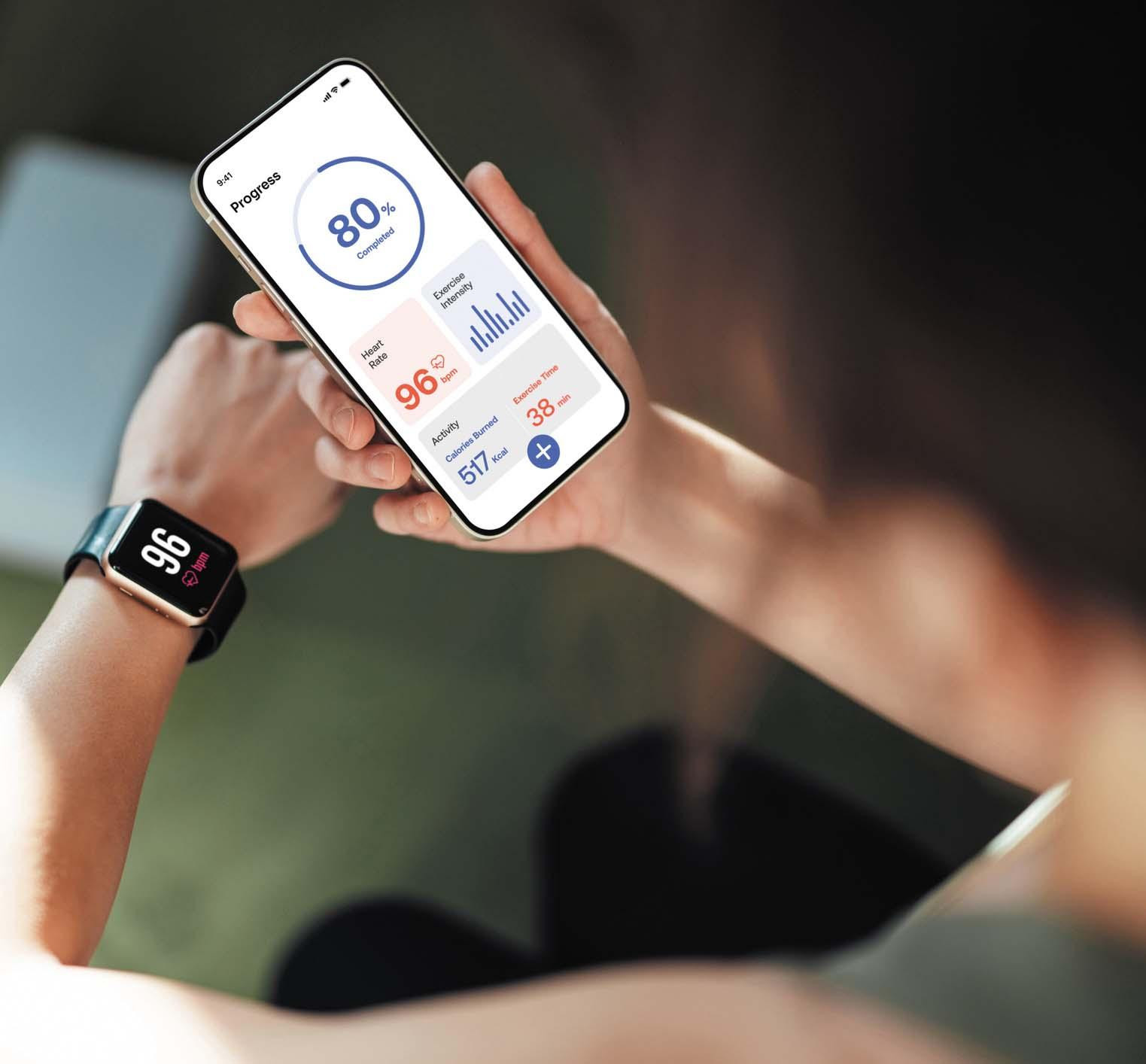
If you have a heart stent, you probably wonder if using wearable technology is safe for you. Devices like smartwatches and fitness trackers promise to help you monitor your health every day.
But can these gadgets affect your heart or the stent inside you? You deserve clear answers before trusting your health to any device. Keep reading to discover what experts say about wearable tech and heart stents, so you can make the best choice for your well-being.
Wearable Tech And Heart Stents
Wearable technology offers heart stent patients a way to track their health every day. These devices collect data about heart rhythms, activity levels, and other vital signs. Understanding how wearable tech works alongside heart stents helps users feel confident about their safety and benefits.
Types Of Wearable Devices
Several wearable devices suit heart stent patients, varying in features and design. Some common types include:
- Smartwatches with heart rate sensors
- Fitness bands that track activity and sleep
- Chest straps for continuous heart monitoring
- Portable ECG monitors for irregular heartbeat detection
- Patch-style monitors placed on the skin
Each device has unique functions to meet different needs. Choosing the right one depends on personal health goals and doctor advice.
How Wearables Monitor Heart Health
Wearable devices gather data using built-in sensors. They detect pulse rate, rhythm, and oxygen levels. Some advanced models record electrocardiogram (ECG) readings. This helps spot irregular heartbeats early.
Data is sent to apps for easy review. Users and doctors can track changes over time. Alerts notify users if readings are outside safe limits. This quick feedback supports timely medical care.
Wearables encourage a healthier lifestyle by showing daily activity levels. They motivate users to stay active and manage stress. For heart stent patients, this ongoing monitoring supports better heart health management.
Potential Risks For Stent Patients
Wearable technology offers many benefits, but heart stent patients should consider possible risks. These devices use different signals and physical contact that might affect the stent or heart function. Understanding these risks helps users make safer choices.
Electromagnetic Interference Concerns
Wearables emit electromagnetic fields to work. These signals can sometimes interfere with medical devices inside the body, including heart stents. Though rare, this interference might affect the stent’s performance or cause irregular heart rhythms.
Devices with strong wireless signals, like some smartwatches or fitness trackers, pose a higher risk. Patients should keep wearables at a safe distance from the chest area. Checking with a healthcare provider about specific devices is important.
Physical Impact And Device Placement
Wearables often sit close to the skin and may press against the chest. For stent patients, pressure or impact near the stent area can cause discomfort or complications. Wearing devices too tightly or during physical activities might increase these risks.
Choosing the right placement and fit is vital. Avoid placing wearables directly over the stent location. Using wristbands or clips instead of chest straps can reduce potential physical impact.
Expert Opinions On Safety
Experts have studied the safety of wearable technology for heart stent patients. Opinions vary based on research and clinical experience. Understanding expert views helps patients make informed choices.
Cardiologists’ Perspectives
Many cardiologists believe wearable devices can be safe for heart stent patients. They stress the importance of using devices correctly and following medical advice.
Some doctors warn about potential risks like electromagnetic interference. They advise patients to avoid devices that emit strong signals near their chest area.
Cardiologists recommend discussing any wearable use during medical appointments. They suggest monitoring heart activity regularly to ensure no complications.
Device Manufacturers’ Guidelines
Manufacturers design wearables to meet safety standards for medical conditions. They provide clear instructions on proper use and device placement.
Guidelines often include keeping devices away from implanted stents and other cardiac equipment. Users should read manuals carefully to avoid risks.
Many companies test their products for electromagnetic compatibility. This reduces the chance of interference with heart stents and pacemakers.

Credit: brieflands.com
Scientific Studies And Findings
Scientific studies provide important insights into the safety of wearable technology for heart stent patients. Researchers focus on how these devices affect heart health and overall well-being. Studies measure heart rate, rhythm, and physical activity levels to understand risks and benefits. Data from clinical trials and long-term observations guide safe usage recommendations.
Clinical Trials Involving Wearables
Clinical trials test wearable devices on heart stent patients under medical supervision. These trials measure:
- Heart rate accuracy
- Detection of irregular heartbeats
- Impact on patient activity
- Device comfort and usability
Results show most wearables accurately track heart signals. Some can alert users to abnormal rhythms early. Trials also confirm no direct harm to stent function. Patients report feeling more confident managing their health with wearables.
Long-term Effects On Stent Patients
Long-term studies follow heart stent patients using wearables for months or years. They observe:
- Changes in heart health
- Device reliability over time
- Patient adherence and lifestyle changes
- Any delayed side effects
Findings suggest wearables support better heart monitoring without causing complications. Continuous data helps doctors adjust treatments faster. Patients tend to stay more active and aware of their health. Long-term use remains safe and beneficial with proper medical guidance.
Best Practices For Using Wearables
Using wearable technology as a heart stent patient can provide valuable health insights, but it requires careful attention to safety and compatibility. Understanding best practices helps you maximize benefits while minimizing risks. Let’s look at how to use wearables wisely for your heart health.
Consulting Healthcare Providers
Before you start using any wearable device, talk to your cardiologist or healthcare provider. They know your medical history and can advise if a particular gadget suits your condition.
Share details about the device’s features and ask if it could interfere with your stent or medications. Your doctor’s guidance ensures you avoid devices that might cause inaccurate readings or unintended side effects.
Choosing Compatible Devices
Not all wearables work well for heart stent patients. Look for devices specifically designed to monitor heart health, such as those with ECG or pulse oximetry functions.
Check if the device is FDA-approved or clinically validated. This approval means it meets certain safety standards, reducing the risk of false alarms or missed warnings.
- Prioritize comfort—wearables should not press against your stent area.
- Opt for models with easy-to-read displays and straightforward apps.
- Consider battery life; frequent charging might cause you to skip important monitoring.
Monitoring For Adverse Symptoms
Wearables help track your heart, but they don’t replace how you feel. Always pay attention to symptoms like chest pain, dizziness, or unusual fatigue.
If your device shows abnormal readings, don’t panic—contact your healthcare provider immediately for advice. Relying solely on a gadget without acknowledging your body’s signals can be dangerous.
Have you noticed any symptoms that your wearable didn’t catch? Sharing this with your doctor can improve your monitoring plan and keep you safer.

Credit: www.jacc.org
Future Trends In Wearable Cardiac Tech
The future of wearable cardiac technology is promising for heart stent patients. Devices are becoming smarter and safer. They offer better monitoring and support for heart health. Innovation focuses on making wearables more reliable and compatible with medical devices.
Advancements In Device Safety
Manufacturers improve sensors to detect heart issues accurately. New materials reduce skin irritation and allergic reactions. Battery life extends, allowing longer use without charging. Devices also include alerts for unusual heart rhythms. Enhanced encryption protects patient data from cyber threats.
Integration With Medical Implants
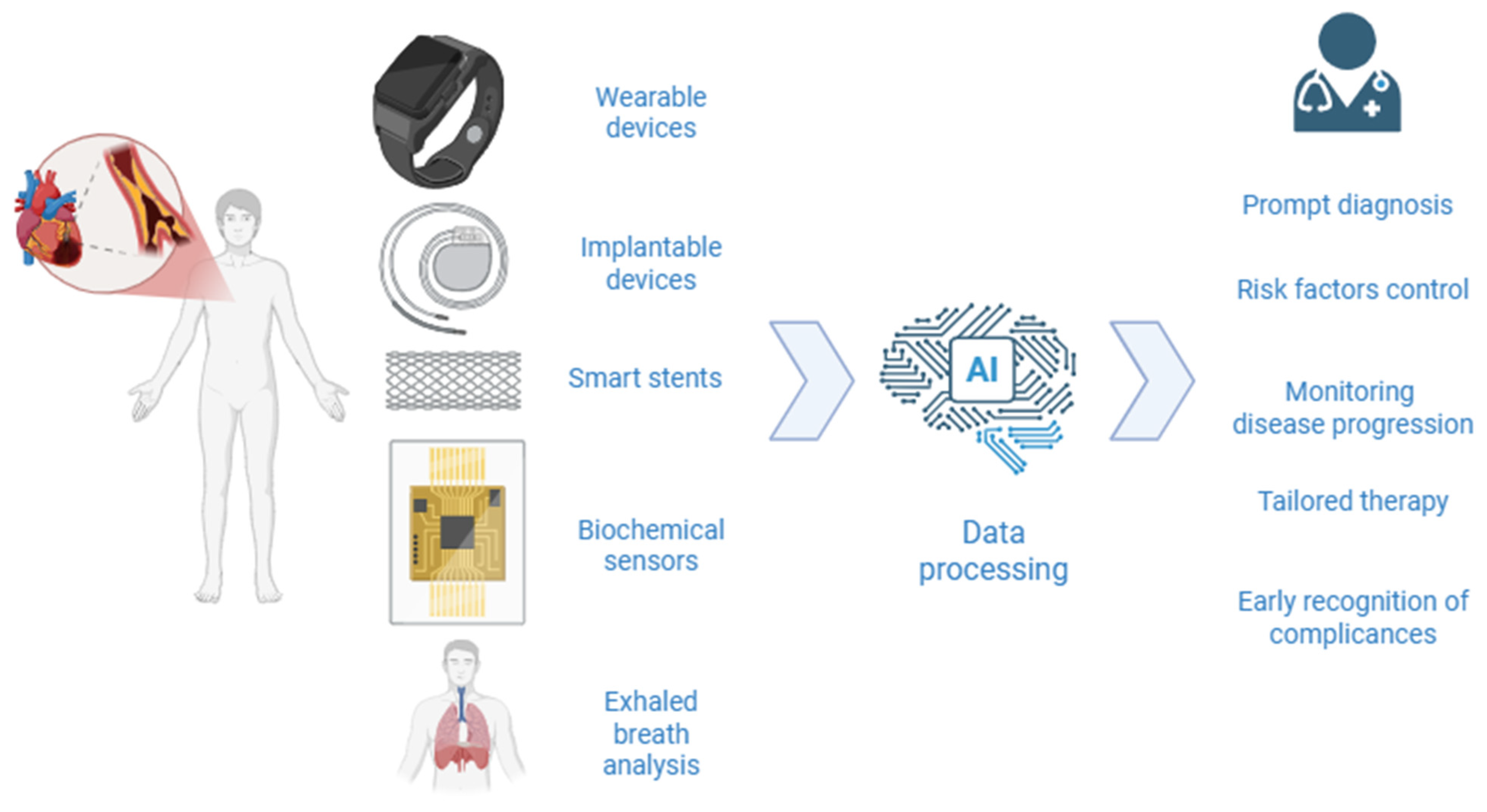
Wearables now communicate with implanted devices like heart stents. This helps doctors monitor patient status remotely. Data from implants and wearables combine for better health insights. Some wearables adjust treatment settings based on real-time information. This integration aims to improve patient safety and comfort.
Credit: www.mdpi.com
Frequently Asked Questions
Are Wearables Safe For Heart Stent Patients?
Yes, most wearables are safe for heart stent patients. However, it’s essential to consult your cardiologist. Some devices may interfere with medical equipment. Always ensure that the device is approved for use in such conditions. Regular monitoring and professional guidance are crucial for safety.
Can Wearable Devices Affect Heart Stents?
Generally, wearable devices do not affect heart stents. They operate differently and are designed for consumer use. However, it’s wise to check with a healthcare provider. Some devices might emit electromagnetic fields, which could potentially interfere with certain medical implants.
Should Heart Stent Patients Use Smartwatches?
Heart stent patients can often use smartwatches without issues. However, they should consult their doctor first. Smartwatches can provide valuable health metrics. These include heart rate monitoring and activity tracking, which can benefit heart health management.
Do Wearables Monitor Heart Health Effectively?
Yes, wearables can effectively monitor heart health. They offer features like heart rate tracking and ECG monitoring. These tools help in early detection of irregularities. However, they should not replace professional medical advice or diagnosis.
Conclusion
Wearable technology can offer useful health data for heart stent patients. Most devices work safely with no harm to stents or heart function. Still, talk to your doctor before using any wearable device. They can guide you on the best options for your health.
Using wearables wisely helps you stay informed and active. Small steps matter in managing heart health every day. Choose devices that fit your needs and lifestyle. Stay safe, stay aware.
Leave a Reply