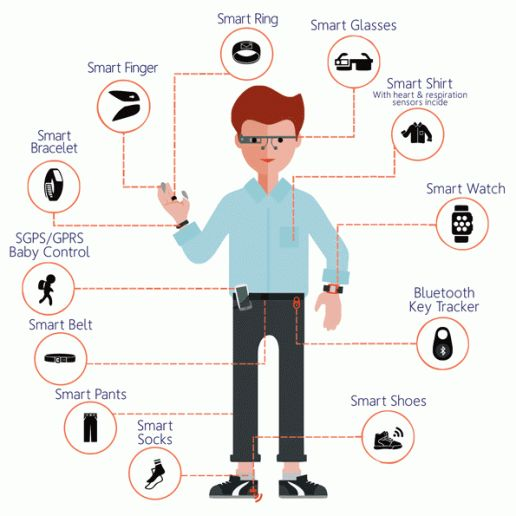
Have you ever wondered if wearable technology will truly become a part of your daily life? You’ve probably seen smartwatches, fitness trackers, and even smart glasses, but do they really stick around or just fade away?
What if the next big gadget could change how you manage your health, work, or even your time? This article will dive into why wearables might finally catch on—or why they might not. Keep reading to find out if these devices will become as common as your smartphone or just another tech fad.

Credit: moldstud.com
Current State Of Wearables
Wearable technology has moved beyond novelty gadgets to become a part of many people’s daily lives. Yet, the question remains—how deeply have these devices integrated into our routines? Understanding the current state of wearables sheds light on their true impact and future potential.
Popular Devices Today
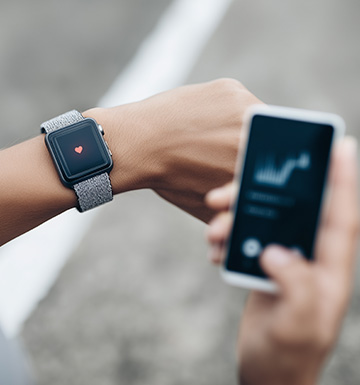
Smartwatches and fitness trackers dominate the wearable market. Brands like Apple Watch, Fitbit, and Garmin lead with features such as heart rate monitoring, sleep tracking, and GPS.
Besides fitness, smart glasses and earbuds are gaining attention. Devices like Bose Frames and Apple AirPods offer a blend of convenience and tech, showing wearables are diversifying beyond health.
User Adoption Rates
Adoption is growing steadily but varies by region and age group. Younger users tend to embrace wearables faster, especially those focused on fitness and notifications.
Still, many users don’t fully utilize all features. A friend of mine bought a fitness tracker but mainly used it as a watch, missing out on health insights that could have improved their routine.
Key Challenges Faced
- Battery Life:Frequent charging frustrates users and limits continuous tracking.
- Data Privacy:Concerns about how personal health data is stored and used.
- User Experience:Complex interfaces can deter less tech-savvy individuals.
- Cost:High prices keep many potential users from investing in quality devices.
What would make you wear a device every day? Addressing these challenges could be the key to turning casual users into loyal wearers.
Technological Advances Driving Growth
Wearable technology is growing fast, thanks to key improvements in its core features. These advances make devices more useful and appealing. Better sensors, longer battery life, and smart connections are pushing wearables forward.
These changes help wearables track health, fitness, and daily activities more accurately. They also make devices easier to use all day. The rise of smart homes and AI adds new ways to interact with wearables.
Improved Sensors And Accuracy
Modern wearables have sensors that measure heart rate, steps, sleep, and more. These sensors are smaller and more precise than before. They reduce errors and give clearer data.
Improved accuracy helps users trust their devices. It also supports better health monitoring and fitness tracking. New sensor types can detect stress, blood oxygen, or even body temperature.
Battery Life Innovations
Battery life is a big factor for wearable users. New batteries last longer and recharge faster. Some devices use energy-saving modes to extend usage time.
Innovations include flexible batteries and solar charging. These help wearables stay powered through the day. Less frequent charging means users wear devices more often.
Integration With Ai And Iot
Wearables now connect with smart homes, phones, and other devices. This lets users control lights, music, or get alerts easily. AI helps analyze data to offer personalized advice.
Integration with the Internet of Things (IoT) creates seamless user experiences. Devices learn habits and adjust settings automatically. This smart connection adds real value to wearables.
Emerging Use Cases
Wearable technology is moving beyond simple gadgets. It finds new ways to fit into daily life. These emerging use cases show how wearables might become essential tools.
Health And Fitness Monitoring
Wearables track heart rate, steps, and sleep quality. They help users stay active and healthy. Some devices detect early signs of illness. This data supports better health choices and doctor visits.
Workplace Productivity
Wearables can boost focus and efficiency at work. Devices provide reminders to take breaks or stretch. They also track time spent on tasks. This helps manage workload and reduce stress.
Augmented Reality Experiences
Augmented reality (AR) wearables blend digital and real worlds. They enhance gaming, education, and shopping experiences. AR glasses can show directions or translate languages instantly. This makes everyday tasks easier and more fun.
Privacy And Security Concerns
Wearable technology promises convenience and health insights, but it also raises serious questions about privacy and security. Your personal data, from heart rates to location, is constantly collected and transmitted. This makes understanding how your information is protected more important than ever.
Data Protection Challenges
Wearables generate a huge amount of sensitive data every second. Protecting this data is tricky because it often moves through multiple devices and networks. A single weak link can expose your information to hackers.
Many devices lack strong encryption or secure storage. Sometimes, companies sell data to third parties without clear user consent. Would you feel comfortable if your daily movements or health stats were shared without your knowledge?
To keep your data safe, look for wearables that use end-to-end encryption and regular security updates. Also, check if the company has a clear, strict privacy policy. Your data deserves to be treated like a valuable asset, not a disposable commodity.
User Trust And Transparency
Trust is the foundation for widespread wearable adoption. If you don’t trust how your data is handled, you won’t want to wear the device daily. Transparency from companies builds this trust by explaining exactly what data is collected and how it’s used.
Some brands provide user dashboards to control data sharing and erase history. This level of control makes users feel more secure and respected. How often do you read privacy policies before buying tech? Most people skip it, but these details matter.
Wearable tech companies must be upfront about breaches and give users quick alerts. Trust isn’t just about promises; it’s about actions when things go wrong. You deserve to know if your privacy has been compromised immediately.
Design And Comfort Trends
Design and comfort play a huge role in wearable technology’s success. People want devices that feel good on the skin and look stylish. Uncomfortable gadgets often end up forgotten in drawers. The latest trends focus on blending technology seamlessly into everyday life. Comfort means lightweight materials and soft edges. Design means choosing shapes and colors that fit personal style.
Fashion Meets Function
Wearable tech now aims to be both useful and attractive. Designers use sleek lines and modern colors. Devices resemble jewelry or watches instead of bulky tech. This helps users feel confident wearing them all day. Some wearables come with different bands and faces to match outfits. The goal is to make technology part of fashion, not just a tool.
Customization And Personalization
People want wearables that reflect their personality. Custom options let users pick colors, materials, and styles. Some devices allow engraving or adding charms. Apps offer choices for display themes and notifications. Customization helps users feel more connected to their gadgets. It makes the tech feel less generic and more personal.
Credit: www.orthoillinois.com
Market Predictions And Growth Potential
Wearable technology has been a hot topic for years, but its true market potential still sparks debate. Understanding market predictions and growth potential helps you see where wearables might fit into your life and daily routines. Let’s look at the numbers and trends shaping this space.
Consumer Demand Forecasts
Consumers are becoming more health-conscious and tech-savvy, which fuels interest in wearables. Research shows that the global wearable market is expected to grow at a steady pace over the next five years.
People want devices that do more than just count steps—they expect personalized health insights, seamless connectivity, and stylish designs.
Are you ready to adopt a wearable that truly enhances your lifestyle, or do you feel the current options still miss the mark?
- Health Monitoring:Demand for heart rate, sleep, and stress tracking is rising sharply.
- Smart Features:Integration with smartphones and smart home devices is a key driver.
- Fashion Meets Function:Consumers want wearables that look good and feel comfortable.
Industry Investment And Innovation
Big tech companies and startups alike are investing heavily in wearable technology. This financial backing leads to rapid innovation and more affordable devices for you.
Recent advances include flexible screens, improved battery life, and AI-powered health analytics. These improvements make wearables more useful and appealing every year.
Think about the last time you tried a wearable—did it feel like a gadget you could rely on daily, or more like a gimmick? Industry efforts focus on shifting that perception.
| Company | Investment Focus | Recent Innovation |
|---|---|---|
| Apple | Health tracking and ecosystem integration | ECG monitoring and blood oxygen measurement |
| Fitbit (Google) | Fitness and wellness features | Advanced sleep tracking and stress management |
| Samsung | Smartwatch versatility and design | Improved battery life and customizable watch faces |
Barriers To Mass Adoption
Wearable technology has shown promise but faces many challenges before reaching everyone. These barriers slow down mass adoption and keep some people from using wearables daily. Understanding these obstacles helps explain why wearables are not yet part of everyday life for most.
Cost And Accessibility
Many wearable devices come with high price tags. This makes them hard to afford for many people. Even basic models can cost more than what some expect to pay. Also, availability varies by region. People in rural areas or poorer countries may find it difficult to buy or maintain these devices. Without affordable options, wearables struggle to reach a broad audience.
Technological Limitations
Battery life remains a big issue. Many wearables need frequent charging. This can annoy users who want convenience. Sensors and software also need improvement. Accuracy and reliability vary across devices. Some wearables may give wrong or inconsistent data. Design and comfort are other problems. Bulky or heavy devices discourage long-term use. These technical limits hold wearables back from wider acceptance.
Social Acceptance Issues
People worry about privacy and data security. Wearables collect sensitive health and location data. Fear of misuse makes some hesitant to wear them. Style and fashion also matter. Wearables often look strange or unattractive. This affects how people feel about wearing them in public. Social norms and peer opinions influence adoption. Without social acceptance, many hesitate to try wearables.

Credit: vortexofadigitalkind.com
Future Scenarios For Wearable Tech
Wearable technology holds a lot of promise, but its future depends on how well it fits into your everyday life and how it changes key industries. The next few years will show whether wearables become a natural extension of yourself or just another gadget you forget about. Let’s look at some possible futures that could shape how you use this technology.
Seamless Integration With Daily Life
Imagine your wearable device blending effortlessly with your routine—no more bulky gadgets or constant charging. It could track your health, manage your schedule, and even control your home without interrupting your day. You might not even notice it’s there, except when it helps you avoid stress or stay on top of your goals.
Think about smart glasses that display directions right in your line of sight or watches that alert you only when something really needs attention. The goal is for wearables to feel like a natural part of your clothing or accessories. What daily tasks would you want your wearable to handle without you thinking twice?
Potential Disruptions In Various Sectors
Wearables aren’t just personal gadgets—they could shake up entire industries. In healthcare, they might allow doctors to monitor patients remotely with real-time data, catching issues before they become emergencies. This could change how hospitals operate and reduce costs.
In fitness, wearables could provide customized workout plans based on your body’s responses, making exercise more effective and enjoyable. Meanwhile, in the workplace, devices might enhance productivity by helping you manage tasks and reduce distractions.
- Education could see wearables aiding immersive learning experiences.
- Retail might use wearables to offer personalized shopping suggestions as you browse.
- Even entertainment could become more interactive with wearables syncing to your emotions and reactions.
Which sector do you think will feel the biggest impact from wearable tech first? And how ready are you to adapt to these changes?
Frequently Asked Questions
What Factors Influence Wearable Technology Adoption?
Wearable technology adoption depends on usability, affordability, and practical benefits. Comfort and battery life also affect user acceptance. Privacy concerns and data security play vital roles. Continuous innovation and integration with daily life boost appeal. Social acceptance and stylish design further encourage adoption.
How Does Wearable Tech Improve Daily Life?
Wearables track health metrics like heart rate and sleep quality. They enhance fitness motivation by providing real-time feedback. Smart notifications help manage calls and messages hands-free. Some devices support navigation and contactless payments. Overall, they increase convenience and encourage healthier habits.
What Challenges Limit Wearable Technology Growth?
High costs and short battery life hinder widespread use. Privacy risks and data breaches raise user concerns. Limited app compatibility and complex interfaces can deter users. Some wearables lack clear, practical benefits. These issues slow mass adoption despite technological advances.
Will Wearable Technology Replace Smartphones?
Wearables complement but won’t fully replace smartphones soon. They offer quick access to notifications and health data. However, smartphones provide broader functionality and better interfaces. Wearables may reduce smartphone use but won’t eliminate it completely.
Conclusion
Wearable technology holds promise for the future. Its growth depends on innovation. Users want comfort and seamless integration. Cost and privacy are key concerns. Developers must address these issues. Success lies in meeting user needs. Smartwatches and fitness trackers show potential.
Yet, adoption is gradual. Wearables must offer real value. Overcoming challenges will boost popularity. The journey is ongoing. In time, wearables might become everyday essentials. For now, the market watches closely. Keep an eye on this evolving trend.
Leave a Reply