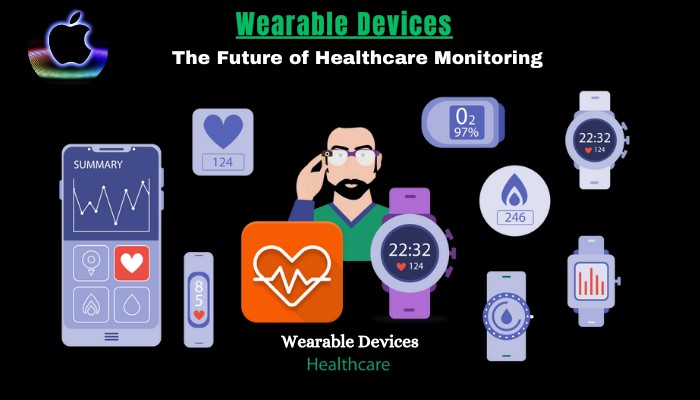
Have you ever wondered how wearable technology can change the way you live? Imagine having a device that keeps track of your health, boosts your productivity, and even makes your daily tasks easier—all right on your wrist or clipped to your clothes.
The advantage of wearable technology goes beyond just gadgets; it’s about making your life smarter and more connected. Keep reading to discover how these small devices can make a big impact on your everyday life.
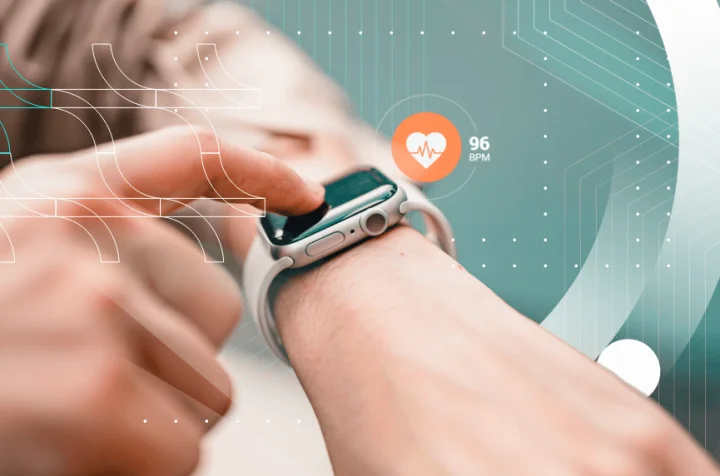
Credit: www.bgosoftware.com
Wearable Technology Types
Wearable technology comes in many shapes and sizes, each designed to make your life easier and healthier. Understanding the different types helps you choose the right device for your needs. Whether you want to track your fitness, stay connected, or monitor your health, there’s a wearable that fits your lifestyle.
Fitness Trackers
Fitness trackers are perfect if you want to keep an eye on your daily activity. They count your steps, monitor calories burned, and track your sleep patterns. I’ve found that wearing one motivates me to move more, especially on days when I feel sluggish.
These devices often sync with your phone, giving you detailed insights. They help you set realistic goals and celebrate small wins. How much more active could you be if you had real-time feedback on your progress?
Smartwatches
Smartwatches combine the features of fitness trackers with smart notifications and apps. They let you check messages, answer calls, and even control music without reaching for your phone. I rely on mine to stay connected during busy days without missing important updates.
Beyond convenience, many models include GPS and heart rate monitoring. They become your personal assistant and health coach on your wrist. What tasks could you simplify if your watch did more than just tell time?
Health Monitors
Health monitors focus on tracking vital signs such as heart rate, blood pressure, and oxygen levels. Some advanced devices can detect irregular heartbeats or monitor glucose levels for diabetics. I’ve seen friends use these to catch early warning signs and manage chronic conditions better.
These wearables provide data that can be shared directly with your doctor. They turn daily health tracking into a proactive habit. Could this technology give you peace of mind about your health?
Smart Glasses
Smart glasses offer a hands-free way to access information and stay connected. They can display notifications, provide navigation, or even translate languages in real-time. I tried a pair during a hiking trip and found the live directions incredibly useful without having to pull out my phone.
They blend technology with everyday vision, opening new possibilities for work and play. How would having instant information in your line of sight change your daily routine?

Credit: wwb.macroption.com
Health And Fitness Benefits
Wearable technology offers powerful tools to improve your health and fitness. These devices provide real-time data that helps you understand your body better and make smarter choices. Whether you’re aiming to get more active, manage stress, or improve sleep, wearables can guide you every step of the way.
Activity Tracking
Keeping track of your daily movement is easier than ever with wearable devices. They count your steps, distance, and calories burned, giving you clear goals to work toward.
Imagine seeing how small changes, like taking the stairs or walking during breaks, add up throughout the day. This awareness can push you to stay active even when motivation dips.
Heart Rate Monitoring
Monitoring your heart rate helps you understand how hard your body is working during exercise or rest. Wearables provide continuous heart rate data, so you can adjust your workout intensity for better results.
Have you noticed how your heart rate changes with stress or excitement? Tracking it can reveal patterns and help you manage your health more effectively.
Sleep Analysis
Quality sleep is vital, yet many overlook its impact. Wearables analyze your sleep stages, showing how much deep, light, and REM sleep you get each night.
This insight helps you identify habits that harm your rest and adopt routines that enhance recovery and energy levels. What if improving your sleep could boost your daily performance?
Personalized Fitness Coaching
Many wearable devices offer tailored workout plans based on your fitness level and goals. These personalized suggestions make exercising more effective and less intimidating.
By receiving real-time feedback and adjustments, you can avoid injury and stay motivated. How would having a personal coach on your wrist change your fitness journey?
Enhanced Connectivity
Enhanced connectivity is a key advantage of wearable technology. It keeps users linked to their digital world without delays or interruptions. Wearables ensure that information flows smoothly and quickly.
Users can stay connected to important updates and communications anytime. This constant link supports productivity and convenience in daily life.
Instant Notifications
Wearables deliver notifications right to your wrist or body. You get alerts about calls, messages, emails, and apps instantly. No need to check your phone constantly.
This saves time and helps you respond faster. Important information reaches you without missing a beat.
Hands-free Communication
Wearable devices allow talking and listening without using hands. Voice commands and built-in microphones make calls easy. You can stay connected while doing other tasks.
This feature is perfect for busy moments or when hands are occupied. It keeps communication smooth and simple.
Seamless Integration With Devices
Wearables work well with smartphones, tablets, and computers. They sync data and apps across devices automatically. This creates a smooth, connected experience.
Users enjoy easy access to information and controls. It reduces the need to switch between gadgets.
Improved Productivity
Improved productivity is one of the standout benefits of wearable technology. These devices keep you connected and organized without slowing you down. They help you handle tasks smarter, not harder, making your day more efficient and less stressful.
Quick Access To Information
Wearable tech puts important information right on your wrist or glasses. Instead of pulling out your phone or laptop, you can check messages, notifications, or data instantly. This quick access saves you time and keeps your focus sharp throughout the day.
Imagine getting an urgent email alert during a meeting without interrupting the flow. You can decide immediately if it needs your attention or can wait, helping you stay in control without distractions.
Task Management
Managing your to-do list becomes easier with wearables. Many devices sync with your calendar and reminders, alerting you about deadlines and appointments. This constant nudging helps you prioritize tasks and avoid missing important commitments.
Think about how often you forget small but critical tasks. With a wearable, you get gentle reminders that keep you on track. This reduces stress and boosts your confidence in handling daily responsibilities.
Time Efficiency
Wearables cut down the time spent on routine activities. Whether it’s checking the weather, tracking fitness goals, or responding to quick messages, you do it faster without breaking your workflow. This extra time adds up, letting you focus on higher-value activities.
Have you noticed how small delays stack up during your day? Wearable technology helps you reclaim those lost minutes. Over time, this can lead to significant improvements in your overall productivity and well-being.
Safety And Security Features
Wearable technology offers more than just convenience; it enhances your safety and security in everyday life. These devices are designed to keep you connected and protected, especially in unexpected situations. Understanding their key safety features can help you make the most of your wearable tech.
Emergency Alerts
Imagine being in a situation where you need help but can’t reach your phone. Wearable devices can send instant emergency alerts to your chosen contacts or emergency services with just a tap or voice command. This quick access can make a crucial difference when every second counts.
Some wearables allow you to customize who gets notified and what message is sent, giving you control over your safety network. Have you set up your emergency contacts on your device yet?
Location Tracking
Location tracking is a powerful feature that keeps you visible to trusted people. Whether you’re hiking alone or commuting in an unfamiliar area, your wearable can share your real-time location with family or friends.
This feature isn’t just for adults; it provides peace of mind for parents monitoring kids or caregivers watching over elderly relatives. How often do you share your location for safety?
Fall Detection
Fall detection technology senses sudden drops or impacts and automatically sends alerts to emergency contacts. This feature is particularly valuable for older adults or people with certain medical conditions.
Wearables with fall detection can save lives by providing immediate assistance when you might be unable to call for help yourself. Do you know if your wearable supports this life-saving feature?
Personalization And Convenience
Wearable technology brings a new level of personalization and convenience to daily life. These devices adapt to user needs and preferences. They simplify tasks and save time.
Users control settings easily. Devices respond quickly to commands. This creates a smooth and tailored experience.
Customizable Interfaces
Wearables offer interfaces you can change to fit your style. Choose what information appears on your screen. Adjust colors, fonts, and layouts to your liking.
This makes using the device more enjoyable. You see only what matters most to you. It helps focus and reduces distractions.
Voice Control
Voice commands let you operate wearables hands-free. Speak to send messages, set reminders, or check the weather. No need to stop what you are doing.
This feature adds great convenience. It works well while walking, cooking, or exercising. Quick and easy access to functions saves effort.
Wearable Payments
Many wearables support contactless payments. Pay for items simply by tapping your device near a terminal. No need to carry cash or cards.
This speeds up shopping and keeps your wallet lighter. Transactions are secure and fast. Ideal for busy days or quick errands.
Challenges And Limitations
Wearable technology offers many benefits but faces several challenges and limitations. These issues affect user experience and device effectiveness. Understanding these obstacles helps users set the right expectations and make informed choices.
Battery Life
Battery life limits how long wearables work without charging. Many devices last only a day or two. Users must recharge often, which can be inconvenient. Small device size restricts battery capacity. Improving battery life remains a key challenge for manufacturers.
Privacy Concerns
Wearables collect sensitive personal data. This raises privacy risks. Data breaches or misuse can harm users. Some devices share information with third parties. Strong security measures are essential to protect user privacy. Users should review privacy policies carefully.
Device Compatibility
Not all wearables work with every smartphone or app. Compatibility issues limit device functionality. Some wearables only connect to specific operating systems. This can frustrate users with different devices. Broad compatibility improves user satisfaction and device usefulness.
Credit: www.idtechex.com
Future Trends
The future of wearable technology looks promising and full of potential. As devices get smarter and more connected, they will change how you manage your health, work, and daily life. Understanding upcoming trends helps you prepare for what’s next and make the most of these innovations.
Advanced Health Sensors
Wearables will soon have sensors that go beyond tracking steps or heart rate. Imagine devices that can detect changes in blood sugar levels or monitor hydration in real-time. These sensors will give you detailed health insights without needing frequent doctor visits.
Think about how this can help people with chronic conditions. Instead of guessing, they get precise data to adjust their routines or medications immediately. Wouldn’t you want a device that keeps an eye on your health all day, every day?
Ai Integration
Artificial intelligence will play a bigger role in wearable technology. AI can analyze the data your device collects and offer personalized advice tailored to your lifestyle. It’s like having a health coach or assistant that understands your unique needs.
This means your wearable won’t just collect numbers; it will help you make smarter decisions. Imagine receiving alerts to change your posture, reminders to drink water, or suggestions for better sleep based on your habits. How would your daily routine change with such tailored feedback?
Expanded Use Cases
Wearable tech won’t stay limited to fitness or health. Expect to see growth in areas like workplace safety, mental health, and even entertainment. Devices could monitor stress levels at work or create immersive experiences through augmented reality.
This expansion means more tools in your hands to improve various aspects of life. Would you use a wearable to boost your productivity or ease anxiety? The possibilities are broad, and the choice will be yours.
Frequently Asked Questions
What Are The Key Benefits Of Wearable Technology?
Wearable technology offers real-time health monitoring, improves fitness tracking, and enhances convenience. It enables instant notifications and supports hands-free communication, making daily tasks easier and promoting a healthier lifestyle.
How Does Wearable Technology Improve Health Monitoring?
Wearables track vital signs like heart rate, sleep patterns, and physical activity. This data helps users detect health issues early and maintain better wellness through personalized insights and alerts.
Can Wearable Technology Boost Productivity At Work?
Yes, wearables streamline communication, manage schedules, and reduce distractions. They allow quick access to important information, helping users stay organized and focused, which increases overall productivity.
What Industries Benefit Most From Wearable Technology?
Healthcare, fitness, manufacturing, and logistics industries gain the most. Wearables improve patient care, worker safety, and operational efficiency by providing real-time data and enhanced connectivity.
Conclusion
Wearable technology offers many benefits in daily life. It enhances health monitoring, making it easier to track fitness goals. Smartwatches and fitness bands keep us connected and informed. They provide quick access to notifications and reminders. Wearables also improve safety with features like heart rate alerts.
They fit seamlessly into our routines, offering convenience and efficiency. More people are embracing this tech due to its practicality. As wearable technology advances, it will likely become even more integral. Embrace the change and enjoy the benefits. Stay informed and connected with wearable devices.
Leave a Reply