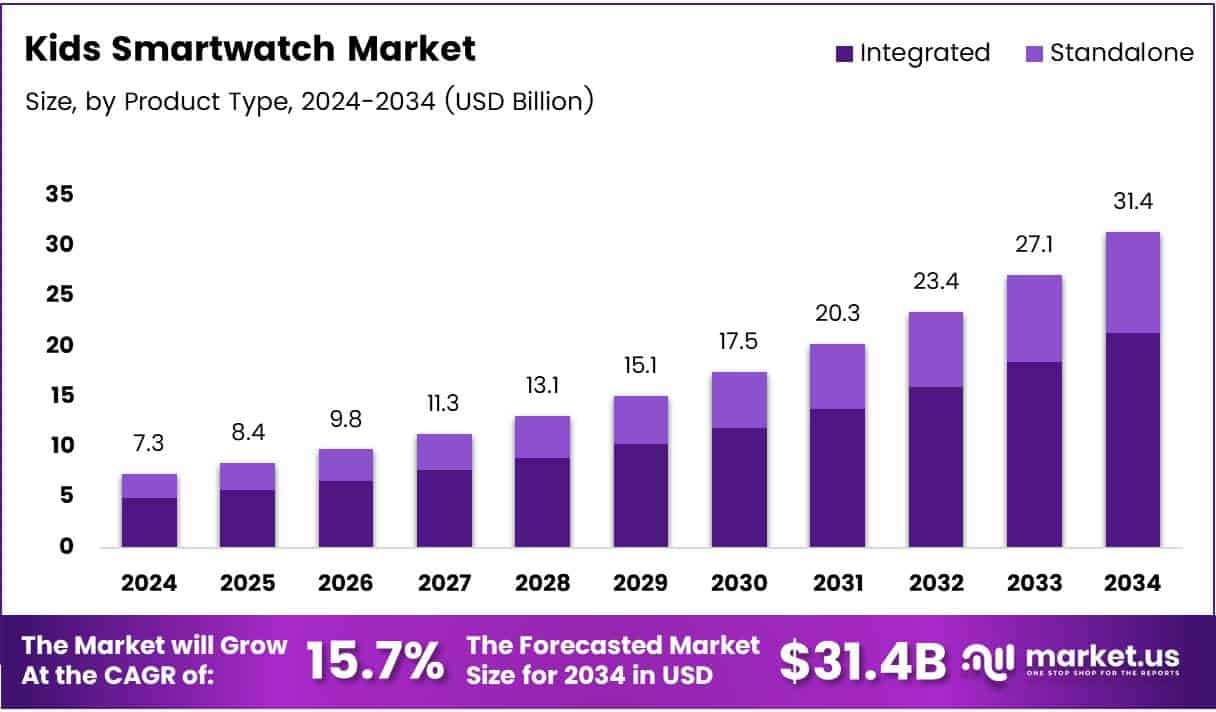
Have you ever wondered who is really buying wearable technology? Is it just tech enthusiasts, fitness fans, or maybe even older adults looking for convenience?
Understanding which age groups are driving the demand can help you see if wearable devices are right for you. You’ll discover surprising facts about who’s embracing these gadgets and why. Keep reading to find out where you fit in—and how wearable tech might change your daily life.
Credit: www.marketsandmarkets.com
Wearable Tech Popularity By Age
Wearable technology has become a staple in many people’s lives, but its popularity varies significantly across different age groups. Understanding who is buying these devices can help you choose the right tech for your lifestyle or even predict future trends. Let’s break down how various age groups are engaging with wearable tech.
Youth And Fitness Trackers
Younger users, especially teens and those in their early twenties, gravitate towards fitness trackers. These devices help them monitor daily activity, sleep, and even social challenges like step competitions with friends.
Many students use trackers to stay motivated and improve their health. Have you noticed how a simple buzz reminding you to move can change your routine?
Millennials Leading Smartwatch Adoption
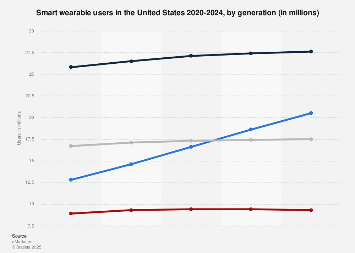
Millennials are the biggest buyers of smartwatches, combining style with functionality. They appreciate features like notifications, music control, and apps that fit their busy, tech-savvy lifestyles.
This group often uses smartwatches not just for fitness but also for work and social connectivity. Are you leveraging your smartwatch to simplify your day, or is it just another gadget?
Older Adults Embracing Health Monitors
Older adults are increasingly adopting wearable tech focused on health monitoring. Devices that track heart rate, blood pressure, and fall detection provide peace of mind and help manage chronic conditions.
This trend shows how technology can support independent living and proactive health management. What health feature would make you feel safer or more confident?
Credit: www.statista.com
Factors Influencing Age-based Purchases
Age plays a significant role in shaping how people choose wearable technology. Different age groups prioritize various features based on their daily routines, interests, and needs. Understanding these factors can help you identify which wearable suits your lifestyle best or target your purchases more effectively.
Lifestyle And Activity Levels
Your daily activities heavily influence the type of wearable you prefer. Younger buyers, often more active, tend to favor fitness trackers and smartwatches that monitor workouts and encourage movement. Older buyers might look for wearables that support everyday convenience, like notifications or easy communication tools.
Think about your routine. Are you constantly on the move, or do you prefer casual walks? Your activity level will guide which wearable features matter most to you.
Tech Savviness Across Generations
Comfort with technology varies widely between age groups. Younger generations grew up with smartphones and apps, making them more eager to try advanced devices with multiple functions. Older generations might prefer simpler, user-friendly wearables that don’t require a steep learning curve.
Have you noticed how some devices come with complicated menus while others keep things simple? Your comfort with tech can determine how much you enjoy using a wearable daily.
Health Concerns Driving Older Buyers
Health monitoring is a major reason older adults invest in wearable technology. Features like heart rate tracking, fall detection, and sleep monitoring offer peace of mind. These tools help manage chronic conditions and encourage healthier habits.
If you or someone you know has health concerns, consider how a wearable could provide real-time data and alerts. This practical use often makes wearables invaluable beyond just fitness or notifications.
Surprising Age Trends In Wearable Use
Wearable technology appeals to many age groups in unexpected ways. The users of smartwatches, fitness trackers, and other devices come from diverse backgrounds. Age influences how people use these gadgets and what they expect from them.
Rising Interest Among Seniors
Seniors are adopting wearables to monitor health closely. Devices help track heart rate, sleep, and activity levels daily. They offer peace of mind and easy access to health data. Many seniors appreciate fall detection and emergency alert features. This trend shows technology can improve seniors’ quality of life.
Teens Using Wearables Beyond Fitness
Teens use wearables not just for exercise but also for social reasons. They enjoy customizing devices with apps and watch faces. Music controls and message notifications keep them connected on the go. Wearables serve as a tech accessory and a way to express style. This group values fun and convenience equally.
Middle-aged Buyers Seeking Convenience
Middle-aged buyers focus on convenience and productivity. They use wearables to manage schedules and receive reminders. Health tracking remains important but is often paired with work tools. These users want devices that simplify busy lives. Wearables help them stay organized and informed easily.

Credit: medium.com
Popular Wearable Devices By Age Group
Wearable technology captures interest across various age groups, but the types of devices they choose often reflect their unique needs and lifestyles. Understanding which gadgets appeal to different generations can help you find the perfect wearable that fits your daily routine and goals.
Smartwatches And Fitness Bands For Young Adults
Young adults tend to favor smartwatches and fitness bands that combine style with functionality. These devices track activity, monitor heart rate, and offer smartphone notifications, making them ideal for those juggling work, social life, and fitness goals.
Many users share how having real-time health data motivates them to stay active. Are you using your wearable to push yourself or just to check the time? Brands like Apple Watch and Fitbit dominate this age group’s market with customizable options and sleek designs.
Medical Alert Devices For Seniors
Seniors often prioritize safety and health monitoring over flashy features. Medical alert devices with fall detection, emergency buttons, and GPS tracking provide peace of mind for both users and their families.
Consider the story of a senior who avoided a serious injury thanks to a wearable’s automatic alert system. If you have older family members, could these devices offer them independence while keeping them safe?
Hybrid Devices Gaining Middle-age Appeal
People in their 40s and 50s are increasingly choosing hybrid wearables that blend classic watch looks with smart features. These devices track basic fitness metrics and sleep patterns without the bulk of a full smartwatch.
This group values subtlety and simplicity but still wants actionable health insights. Have you noticed how hybrid devices fit seamlessly into both professional and casual settings? Brands like Garmin and Withings offer models that meet these needs perfectly.
Future Outlook On Age And Wearable Tech
The relationship between age and wearable technology is evolving rapidly. As devices become smarter and more user-friendly, they attract a wider age range than ever before. Understanding this shift can help you anticipate which features will matter most to different age groups in the near future.
Emerging Features Attracting Diverse Ages
Wearables now offer features that appeal to both younger and older users. Fitness tracking and social connectivity catch the eye of younger buyers, while health monitoring tools like heart rate sensors and fall detection grab the attention of older adults.
Imagine a smartwatch that not only counts steps but also alerts you to irregular heart rhythms. This kind of innovation makes wearables relevant across generations.
Impact Of Aging Population On Market
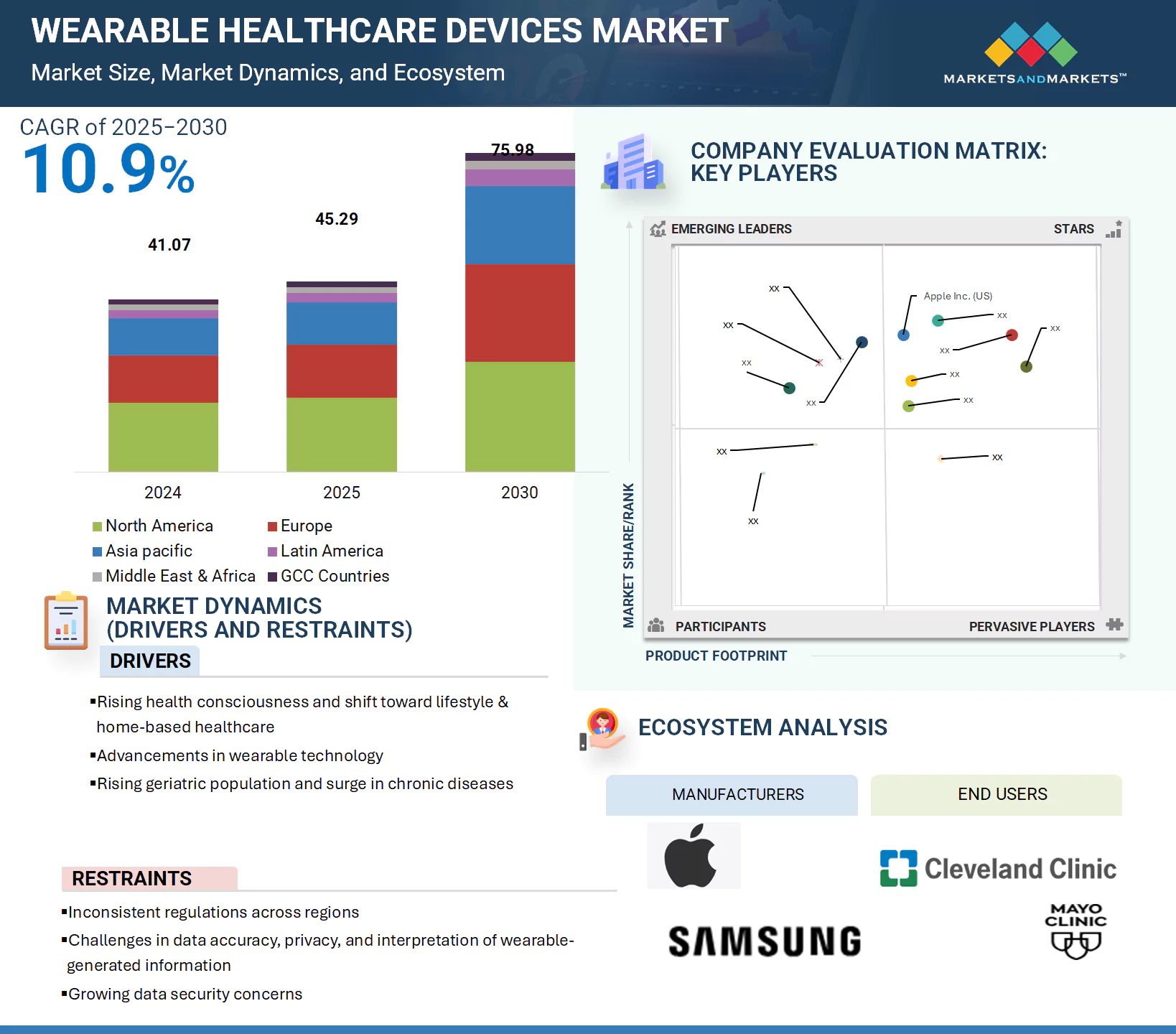
The global population is aging, which means more consumers need technology that supports healthy living. Companies are designing wearables that focus on chronic condition management and emergency response.
This trend pushes brands to create simpler interfaces and longer battery life to accommodate older users. How might your needs change as you or your loved ones age?
Predicted Shifts In Buyer Demographics
Experts predict a balanced mix of buyers across age groups in the coming years. Younger generations will drive demand for entertainment and lifestyle features, while older users will prioritize health and safety functionalities.
Brands that understand these distinct preferences can tailor their marketing and product development effectively. Are you ready to pick a wearable that grows with you through different life stages?
Frequently Asked Questions
What Age Group Buys The Most Wearables?
The age group 25-34 buys the most wearables. This demographic is tech-savvy and values fitness and connectivity. They seek gadgets that enhance their lifestyle and are often early adopters. Wearable technology offers convenience and health insights, appealing to their active and digital-centric lives.
Why Do Young Adults Prefer Wearable Tech?
Young adults prefer wearable tech for fitness tracking and connectivity. These devices offer real-time health monitoring and seamless integration with smartphones. Young adults value the convenience and innovation wearable technology provides, making it an essential part of their daily lives.
Wearables also offer a fashion-forward appeal that attracts this demographic.
Are Teenagers Interested In Wearable Technology?
Yes, teenagers show increasing interest in wearable technology. Wearables like smartwatches and fitness trackers appeal to their desire for connectivity and health awareness. These devices also offer social interaction features and gaming capabilities, aligning with their tech-savvy lifestyle and interests.
How Do Seniors Benefit From Wearables?
Seniors benefit from wearables through health monitoring and safety features. Devices track vital signs and activity levels, promoting a healthier lifestyle. Emergency alerts and reminders enhance safety and independence. Wearables offer seniors a convenient way to manage health, providing peace of mind for them and their families.
Conclusion
Wearable technology appeals to many age groups today. Young adults enjoy fitness trackers and smartwatches. Older adults use devices for health monitoring. Kids and teens like smartwatches with fun features. This shows wearables suit different lifestyles and needs. Buyers choose devices that fit their daily routine.
The market keeps growing as more people adopt wearables. Everyone finds value in these easy-to-use gadgets. Wearable tech is not just for one age group. It connects health, convenience, and style for all.
Leave a Reply