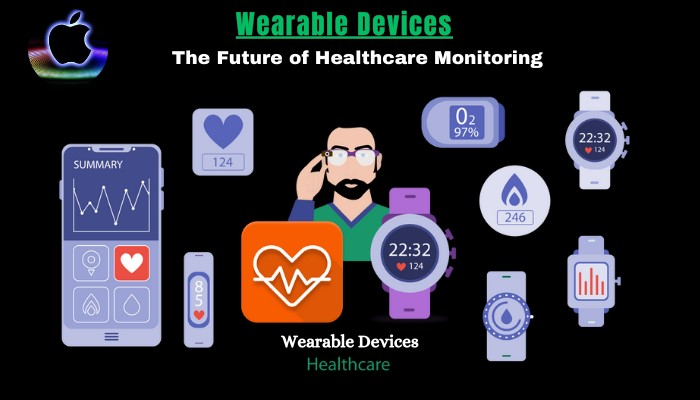
Imagine having a device that keeps track of your health every second of the day. How much easier would it be to catch problems before they become serious?
Wearable technologies are changing the way we manage our health, putting powerful tools right on your wrist or in your pocket. You might wonder how these small gadgets could truly make a difference in your overall well-being. Keep reading, and you’ll discover how wearable tech can help you stay healthier, spot early warning signs, and even save lives.
This could change the way you think about healthcare forever.
Wearable Tech In Healthcare
Wearable technology is changing healthcare by offering real-time health data. These devices track vital signs and activity levels continuously. They help doctors make faster and better decisions for patient care. Wearable tech promotes healthier habits by encouraging users to stay active and monitor their health closely.
Many wearables connect directly to smartphones or medical systems. This connection allows easy sharing of information with healthcare providers. Patients can detect health issues early and get timely treatment. Wearable technology also supports remote monitoring, reducing hospital visits and costs.
Wearables measure heart rate, blood pressure, and oxygen levels constantly. This data helps spot irregular patterns quickly. Alerts can notify users and doctors about possible problems. Continuous monitoring benefits people with chronic illnesses or those at risk.
Encouraging Healthy Lifestyle Choices
Devices track steps, calories, and sleep quality. Users get daily reminders to move or rest as needed. This feedback motivates better habits and self-care. Over time, small changes can improve overall health and wellness.
Remote Patient Care And Support
Wearables allow doctors to check patients from a distance. This reduces the need for frequent doctor visits. Patients with limited mobility or living in remote areas gain easier access to care. Remote monitoring can catch health issues before they become serious.
Data Integration And Personalized Treatment
Collected health data integrates with electronic health records. Doctors receive a fuller picture of patient health over time. This information helps create personalized treatment plans. Tailored care improves treatment effectiveness and patient outcomes.
Real-time Health Monitoring
Real-time health monitoring is changing how you manage your well-being every day. With wearable devices tracking your health around the clock, you gain immediate insights into your body’s condition. This constant flow of data helps you stay proactive rather than reactive about your health.
Continuous Vital Sign Tracking
Wearables can track vital signs like heart rate, blood oxygen levels, and sleep patterns continuously. This means you don’t have to rely on occasional doctor visits to know how your body is doing.
Imagine wearing a device that alerts you if your heart rate spikes unexpectedly during a simple walk. That kind of real-time feedback can prompt you to seek help before a minor issue becomes serious.
Many users report feeling more in control and less anxious about their health because they have instant access to their vital information. This ongoing tracking also helps doctors understand your health trends better during consultations.
Early Detection Of Health Issues
Wearables can spot subtle changes that might indicate the start of a health problem. For example, irregular heart rhythms detected early could help prevent a stroke or other cardiac events.
Think about the difference it makes if you catch signs of fatigue or dehydration early through your device’s alerts. You can adjust your activities or seek care before symptoms worsen.
Early detection powered by wearables means conditions like diabetes, hypertension, or even mental health struggles can be managed more effectively. Wouldn’t you want to be the first to know if something’s off with your body?
Personalized Treatment Plans
Personalized treatment plans change healthcare by tailoring care to each person’s unique needs. Wearable technologies collect real-time health data, allowing doctors to see how patients respond to treatments. This data helps create plans that fit individual lifestyles and health conditions. Personalized plans improve outcomes and make patients feel more involved in their care.
Data-driven Therapy Adjustments
Wearables track vital signs like heart rate, blood pressure, and oxygen levels continuously. Doctors use this data to adjust therapies quickly and safely. Treatment changes can happen without waiting for the next doctor’s visit. This approach reduces side effects and increases treatment success.
For example, a diabetic patient’s glucose monitor sends alerts if levels go too high or low. Doctors then modify insulin doses based on accurate, current data. This keeps blood sugar in a healthy range and avoids complications.
Customized Fitness And Nutrition
Wearable devices monitor physical activity and sleep quality every day. This information helps create fitness plans that suit each person’s abilities and goals. Nutrition advice can also be personalized by analyzing calorie burn and metabolism.
Patients receive reminders to move, hydrate, and rest properly. These small changes add up to better health and faster recovery. Customized plans encourage healthy habits that fit daily routines, making them easier to follow.
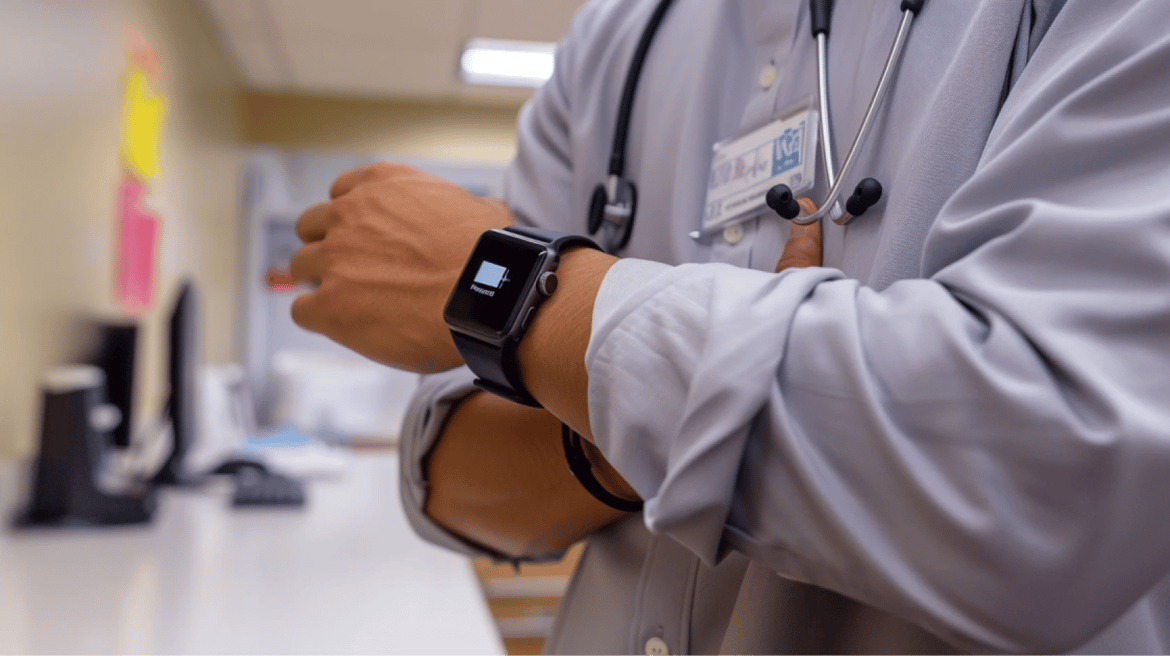
Credit: www.otandp.com
Enhanced Chronic Disease Management
Managing chronic diseases often feels like a full-time job. Wearable technologies can ease this burden by providing constant, real-time data that helps both patients and healthcare providers stay on top of health conditions. These devices offer more than convenience—they can actively improve how chronic diseases are monitored and controlled.
Remote Patient Monitoring
Wearables allow continuous tracking of vital signs like heart rate, blood sugar, or oxygen levels without needing frequent hospital visits. This constant stream of data helps catch warning signs early, preventing complications before they escalate.
Imagine being able to share your health stats instantly with your doctor. This real-time connection means adjustments to treatment can happen quickly, tailored to how your body responds day-to-day.
Improved Medication Adherence
Sticking to a medication schedule is tough, especially when managing multiple prescriptions. Wearables can send timely reminders, ensuring you take the right dose at the right time.
Some devices even track when you take your medication and notify caregivers or healthcare providers if doses are missed. This feature reduces the risk of relapse or worsening symptoms due to skipped medications.
What if your wearable could become your personal health assistant, helping you stay consistent without feeling overwhelmed? This kind of support can make a real difference in your health journey.
Emergency Response And Alerts
Emergency response and alert features in wearable technologies offer crucial support in healthcare. These tools provide fast, reliable help during medical crises. They can detect sudden health issues and notify medical teams instantly. This capability can save lives and reduce the severity of injuries or illnesses.
Automatic Fall Detection
Wearables equipped with fall detection sensors identify sudden drops or impacts. These devices use motion sensors and algorithms to recognize unusual movements. When a fall happens, the device sends an alert automatically. This feature is especially helpful for elderly people or those with mobility problems.
Automatic alerts reduce the time between injury and help. Immediate notification can prevent complications from delayed treatment. This technology also offers peace of mind to users and their families.
Immediate Medical Assistance
Wearables connect users directly to emergency services or caregivers. After detecting a problem, the device calls for help without user input. This ensures quick access to medical support, even if the person is unconscious or unable to respond.
Some devices share vital health data with responders. This information helps emergency teams prepare before arriving. Faster, informed care improves outcomes and can save lives.
Mental Health And Wellness
Mental health and wellness are critical parts of your overall healthcare. Wearable technologies offer new ways to understand and manage your emotional well-being daily. They provide immediate feedback and tools that can help you stay balanced and aware of your mental state.
Stress And Mood Tracking
Wearables can monitor physical signs like heart rate and skin temperature to detect stress levels in real time. Imagine knowing exactly when your stress spikes during a hectic workday and receiving gentle alerts to take a break.
This kind of tracking helps you recognize patterns. You might realize that certain tasks or environments consistently affect your mood negatively. With this insight, you can make informed changes to your routine, improving your mental health over time.
Mindfulness And Relaxation Tools
Many wearables now offer guided breathing exercises, meditation sessions, and relaxation reminders built right into the device. These tools encourage you to pause and reset your mind throughout the day.
Using such features personally helped me break the cycle of afternoon anxiety. Even just a few minutes of focused breathing reduced tension and improved my focus afterward.
Could you benefit from having these simple wellness aids available at your fingertips? Wearables make it easier to practice mindfulness consistently, helping you manage stress before it builds up.
Integration With Healthcare Systems
Integration with healthcare systems allows wearable technologies to provide real-time health data to medical professionals. This connection enhances monitoring, diagnosis, and treatment. Patients benefit from more personalized and timely care. Healthcare providers gain a fuller picture of patient health beyond clinic visits.
Seamless Data Sharing
Wearables collect important health metrics like heart rate, blood pressure, and activity levels. This data uploads automatically to healthcare databases. Doctors access updated patient information without extra work. Seamless sharing reduces errors and delays in treatment decisions. It supports preventive care by spotting health issues early. Secure connections ensure patient privacy and data protection.
Enhanced Doctor-patient Communication
Wearable devices create new ways for patients and doctors to connect. Patients can send health updates directly to their providers. Doctors review data and give advice quickly. This ongoing communication builds trust and improves treatment plans. It also encourages patients to stay engaged in their health. Remote monitoring allows care without frequent office visits.
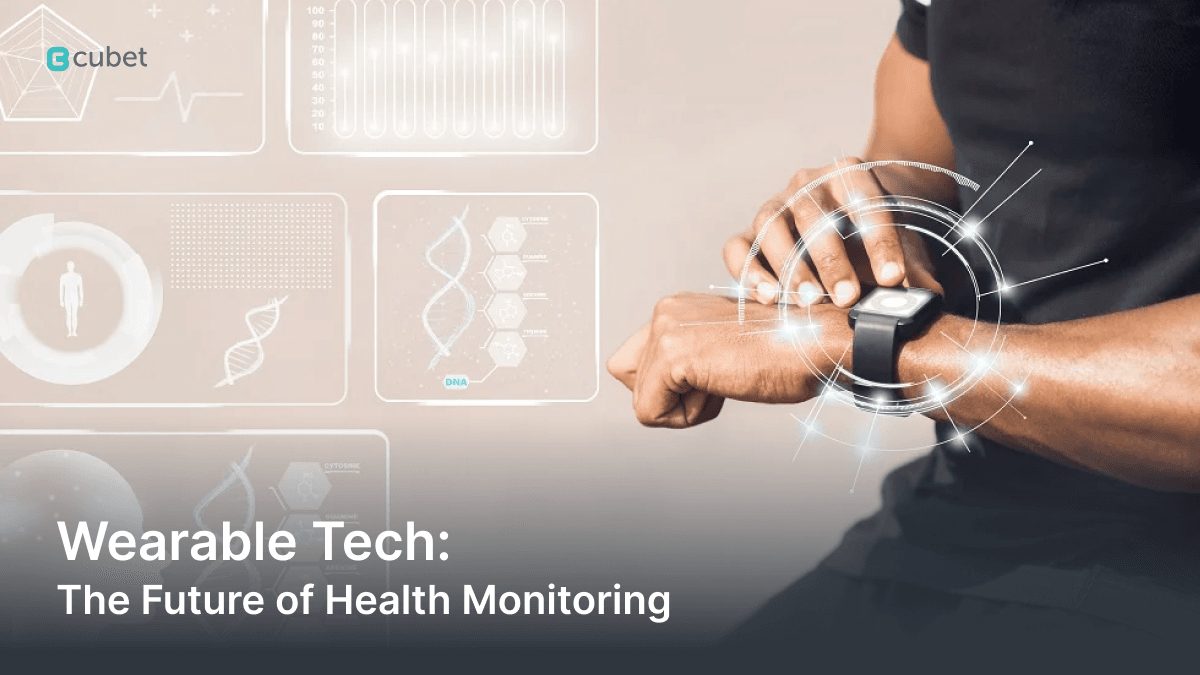
Credit: cubettech.com
Challenges And Privacy Concerns
Wearable technologies offer many benefits for healthcare. They track health data and alert users to possible issues. Yet, challenges and privacy concerns remain important. These issues can affect user trust and technology adoption.
Data Security Risks
Wearables collect sensitive health information daily. This data can be a target for cyberattacks. Hackers may steal or misuse personal health details. Weak security measures increase these risks.
Devices and apps must use strong encryption. Regular updates help fix security vulnerabilities. Users should also protect their devices with passwords. Data breaches can cause harm beyond just privacy loss.
User Consent And Control
Users must know what data is collected and why. Clear consent forms are essential before gathering information. Many users find privacy policies confusing or too long.
Giving users control over their data builds trust. Options to delete or limit data sharing are important. Transparency about data use helps users feel safer. Without control, users may avoid using helpful devices.
Future Trends In Wearable Healthcare
The future of wearable healthcare looks promising as technology advances rapidly. Devices will become smaller, smarter, and more accurate. They will help track health in real time and offer better insights. This progress will lead to more personalized care and early detection of health issues.
Advances In Sensor Technology
Sensors will improve in sensitivity and variety. They will measure more health markers like blood sugar, hydration, and stress levels. Wearables will use less power and last longer on a single charge. Flexible and skin-like sensors will increase comfort and accuracy.
Ai And Predictive Analytics
Artificial intelligence will analyze data collected by wearables. It will predict health problems before symptoms appear. AI will offer personalized advice based on individual health trends. This will help doctors and users make smarter health decisions faster.
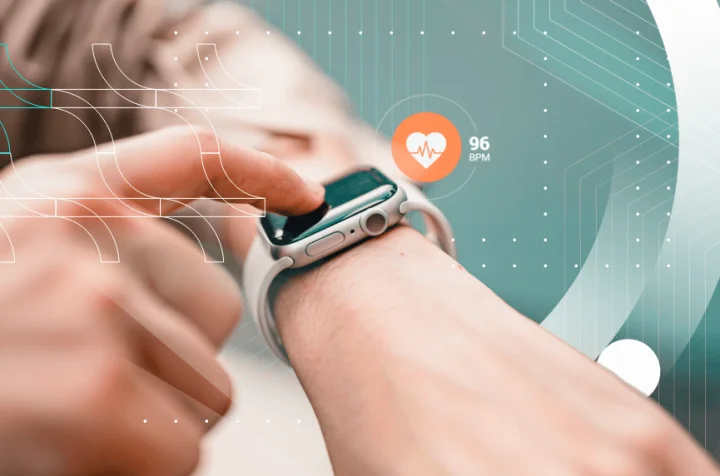
Credit: www.bgosoftware.com
Frequently Asked Questions
How Do Wearable Technologies Monitor Health Conditions?
Wearable devices track vital signs like heart rate and blood pressure. They provide real-time data for early detection and management of health issues. This helps in timely medical interventions and continuous health monitoring outside clinical settings.
Can Wearables Improve Chronic Disease Management?
Yes, wearables assist in managing chronic diseases by providing continuous health data. They help patients and doctors monitor symptoms and adjust treatments quickly. This leads to better disease control and reduces hospital visits.
How Do Wearables Enhance Patient Engagement In Healthcare?
Wearables motivate users to stay active and follow health plans through reminders and feedback. They increase awareness of personal health metrics, encouraging proactive health management. This improves adherence to treatment and overall wellness.
What Role Do Wearables Play In Preventive Healthcare?
Wearables detect early signs of health issues by monitoring vital statistics continuously. They encourage healthy lifestyle choices through activity tracking and alerts. This helps prevent diseases and promotes long-term health maintenance.
Conclusion
Wearable technologies hold great promise for healthcare improvement. They can monitor health in real-time. This means quicker responses to any health changes. Doctors get better data to make decisions. Patients can manage their health actively. Wearables help with fitness tracking too.
This encourages healthier lifestyles. They also reduce unnecessary hospital visits. People save time and money. Privacy and data security remain concerns. But, with careful management, benefits can outweigh risks. As technology advances, wearables will become more integrated. They will play a vital role in healthcare’s future.
Let’s embrace this change for better health outcomes.
Leave a Reply