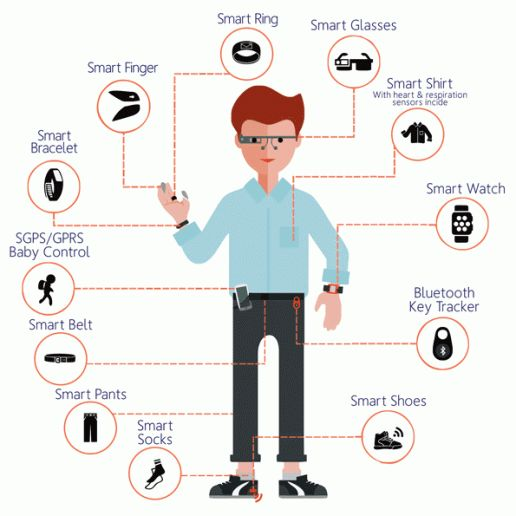
Have you ever wondered how the smartwatches and fitness trackers you wear are actually created? Understanding how wearable technology is developed can give you a new appreciation for the gadgets that make your life easier and healthier.
From the first idea to the final product on your wrist, there’s a fascinating process behind every device. You’ll discover the key steps and secrets that bring these tiny tech wonders to life. Keep reading—you might be surprised by what goes into making your favorite wearable work so smoothly.
Concept Ideation
The concept ideation phase forms the foundation of wearable technology development. It shapes the initial idea and guides the product’s direction. This stage involves understanding the potential users and the market. Clear goals set here help create a device that fits real needs. Every feature and design choice begins with solid concept ideation.
Identifying User Needs
Understanding who will use the wearable is essential. Developers gather information about user habits and challenges. They focus on what users want and expect. This helps create devices that offer real value. User feedback and interviews provide insights for design decisions.
Market Research
Researching the market reveals existing products and trends. It highlights gaps that new wearables can fill. Competitor analysis helps developers avoid repeating mistakes. Market data guides feature selection and pricing strategies. This step ensures the product meets demand.
Brainstorming Features
Teams list possible features based on user needs and market data. Ideas flow freely without judgment to encourage creativity. Each feature is evaluated for usefulness and feasibility. Prioritizing features focuses development on what matters most. This process shapes the wearable’s unique capabilities.
Design Planning
Design planning is a crucial stage in developing wearable technology. It sets the foundation for how the device will function, feel, and look. Careful planning here can save time and resources later while ensuring the final product meets user needs effectively.
Technical Specifications
Start by defining the core technical needs of your wearable. Ask yourself what sensors, battery life, and connectivity options are essential. For instance, a fitness tracker requires accurate heart rate monitoring and Bluetooth, while a smartwatch might need GPS and longer battery life.
Consider hardware limitations early. How small can the components be without losing performance? You want to balance power consumption with functionality to keep the device lightweight and efficient.
Ergonomic Considerations
Wearable tech must feel comfortable for long-term use. Think about the shape, weight, and materials that suit the body part it will be worn on. A wristband that’s too bulky or rigid can irritate the skin and discourage use.
Try prototypes on real users to gather feedback. I once tested a prototype that felt perfect in theory but caused discomfort after a few hours. Adjusting strap materials and adding ventilation made a huge difference.
Aesthetic Design
People want wearables that look good as well as work well. Your design should match the style preferences of your target audience. Minimalist and sleek designs appeal to professionals, while bold colors might attract younger users.
Don’t overlook the impact of finishes and textures. Matte surfaces can reduce glare, while glossy ones might attract fingerprints. What style would you prefer wearing every day?
Prototyping
Prototyping is a key phase in developing wearable technology. It turns ideas into physical forms that can be tested and improved. This stage helps developers find problems early and make the device practical and user-friendly. Prototyping blends creativity with technical skills to build a working model.
Selecting Materials
Choosing the right materials affects comfort and device function. Developers pick fabrics, plastics, and metals that fit the design. Lightweight, flexible materials improve wearability. Durable components ensure the device lasts under daily use. Material choice balances cost, comfort, and performance.
Building Functional Models
Functional models show how the wearable works in real life. These models include sensors, batteries, and processors. Developers assemble parts to mimic final product functions. This step tests fit, weight, and usability. It helps spot design flaws before mass production.
Iterative Testing
Testing is done repeatedly to improve the prototype. Each test reveals issues with hardware or software. Feedback from users guides changes in design. Small fixes add up to better performance and comfort. Iteration continues until the wearable meets all goals.

Credit: blog.stackademic.com
Software Development
Software development is the backbone of wearable technology. It brings life to the hardware by enabling devices to perform specific tasks and communicate with other gadgets. Every feature you enjoy on your wearable, from tracking your steps to receiving notifications, depends on well-crafted software.
Firmware Programming
Firmware is the low-level software that controls the hardware directly. It acts as the bridge between the physical components and the higher-level software applications. Writing efficient firmware requires deep knowledge of the device’s microcontrollers and sensors.
Engineers often optimize firmware to reduce power consumption, which is critical for wearables with small batteries. You might not realize it, but every time your smartwatch stays on for days without charging, it’s because of smart firmware programming. Have you ever wondered how these tiny devices manage to run complex functions yet keep battery life intact?
App Integration
Your wearable device rarely works alone; it usually pairs with a smartphone app. This integration allows you to sync data, customize settings, and receive updates. Developers create APIs (Application Programming Interfaces) that enable smooth communication between the wearable and the app.
Think about your fitness tracker syncing data to your phone’s health app in real-time. This seamless connection is the result of careful app integration. Ensuring compatibility across different operating systems like iOS and Android adds another layer of complexity to the development process.
User Interface Design
The user interface (UI) on wearables must be simple yet effective. Since screens are small, developers focus on making navigation intuitive and fast. Every tap or swipe should feel natural, allowing users to access information quickly.
Designers often test multiple prototypes to find the best layout. You might find yourself appreciating a clean, uncluttered display when checking your notifications on a smartwatch. Could your own wearable’s UI be improved to make your daily interactions smoother?
Hardware Engineering
Hardware engineering forms the backbone of wearable technology development. It involves creating devices that are small, light, and efficient. Engineers design hardware that collects data while fitting comfortably on the body. Every part must work seamlessly to ensure the device performs well and lasts long.
Sensor Selection
Sensors capture important data from the user or environment. Choosing the right sensors depends on the device’s purpose. Common sensors include accelerometers, heart rate monitors, and temperature sensors. Engineers select sensors based on accuracy, size, and power use. Sensors must work well in small spaces and provide reliable data.
Circuit Design
Circuit design connects all hardware components into one system. Engineers create compact circuits that fit inside wearable devices. They arrange parts to reduce size and avoid interference. Circuits must handle data from sensors and send it for processing. Designs focus on durability and smooth communication between components.
Power Management
Wearables need efficient power management to last all day. Engineers choose batteries that are small but hold enough charge. Power-saving techniques help extend battery life. These include low-power sensors and smart software control. Managing power well prevents frequent charging and improves user experience.
Credit: medium.com
Testing And Validation
Testing and validation are crucial stages in the development of wearable technology. They ensure the device performs as expected and meets user needs safely and reliably. Skipping or rushing through these steps can lead to products that frustrate users or, worse, cause harm.
Performance Testing
Performance testing measures how well the wearable functions under different conditions. Developers check battery life, sensor accuracy, and responsiveness to ensure the device keeps up with real-life use.
Imagine wearing a fitness tracker that stops counting steps halfway through your run. Such flaws surface during performance tests. These checks also assess data syncing speed and durability against sweat or impact.
User Trials
User trials bring real people into the testing process. This step reveals how intuitive and comfortable the device feels during daily activities.
During trials, feedback often highlights issues no lab test can catch—like strap discomfort or confusing app interfaces. Are you willing to wear a device that feels bulky or complicated? Developers use these insights to improve design and usability.
Compliance And Safety Checks
Wearables must follow strict safety regulations before hitting the market. Compliance tests verify that devices meet standards for electromagnetic emissions, skin contact safety, and data security.
Failing these checks can delay product launches and damage brand reputation. Have you ever wondered what keeps your wearable from causing skin irritation or interfering with other electronics? These checks are the reason.
Manufacturing
Manufacturing is a crucial phase in wearable technology development. It transforms designs and prototypes into real products. This stage requires precision, efficiency, and strict standards. Factories must handle many parts, such as sensors, circuits, and casings. Each component must fit and work perfectly.
Mass Production Setup
Mass production begins with creating assembly lines. Machines and workers perform tasks repeatedly and quickly. Factories set up stations for specific jobs like soldering or testing. Automation helps reduce human error and speeds up output. The setup also includes safety checks to protect devices and workers.
Quality Control
Quality control ensures every wearable meets standards. Inspectors test samples from production lines. They check for defects, such as faulty sensors or poor connections. Devices undergo performance tests to confirm accuracy and durability. Any issue found is fixed before products reach customers.
Supply Chain Coordination
Supply chain coordination links suppliers, manufacturers, and distributors. Timely delivery of parts like chips and batteries is vital. Communication keeps the process smooth and avoids delays. Efficient logistics reduce costs and ensure steady production. Strong coordination supports product availability worldwide.

Credit: trio.dev
Launch And Feedback
Launching wearable technology is a crucial phase that directly impacts its success. This stage is not just about making the product available but also about gathering user insights to improve it. Your approach to launch and feedback can shape the product’s future and how users perceive it.
Marketing Strategies
Effective marketing can make your wearable stand out in a crowded market. Focus on clear messaging that highlights unique features and real-life benefits. Use social media, influencer partnerships, and targeted ads to reach your ideal users.
Have you considered creating demo videos or interactive content? These tools allow potential customers to see the wearable in action before buying. Engaging content builds trust and anticipation around your product.
Customer Support
After launch, your customers will have questions and need assistance. Providing fast, helpful support can turn first-time buyers into loyal fans. Set up multiple channels like live chat, email, and phone support to be accessible.
Collect feedback directly through support interactions to identify common issues. This insight helps you fix problems quickly and improve user satisfaction. Remember, your response quality reflects your brand’s reliability.
Product Iterations
Feedback from real users is a goldmine for refining your wearable technology. Use surveys, app data, and reviews to understand what works and what doesn’t. Prioritize updates that enhance usability and fix bugs.
Don’t hesitate to release firmware updates or app improvements regularly. This shows your commitment to evolving the product based on user needs. What small change could make a big difference for your users right now?
Frequently Asked Questions
What Is Wearable Technology Development Process?
The development process of wearable technology involves design, prototyping, testing, and production. Initially, developers focus on user needs and market trends. They create prototypes to test functionality and usability. After rigorous testing, the final product is manufactured. This ensures the wearable device meets quality standards and user expectations.
How Do Wearable Sensors Work?
Wearable sensors collect data through embedded electronic components. They monitor various metrics like heart rate, steps, and temperature. These sensors communicate with devices like smartphones via Bluetooth or Wi-Fi. The collected data is processed and analyzed to provide insights. This helps users track their health and fitness goals effectively.
What Materials Are Used In Wearables?
Wearables use materials like silicone, plastic, and metal for durability and comfort. Flexible electronics and conductive fabrics are common. These materials ensure the device is lightweight, water-resistant, and skin-friendly. The choice of material enhances user experience and extends device lifespan, meeting diverse consumer needs.
How Are Wearables Tested For Accuracy?
Wearables undergo rigorous testing for accuracy and reliability. Developers use controlled environments to compare sensor data against standard instruments. Real-world testing in diverse conditions follows. Feedback from users also helps refine accuracy. Continuous updates and improvements ensure wearables provide precise and dependable data over time.
Conclusion
Wearable technology grows through careful design and testing. Engineers blend sensors, software, and style to create useful devices. They focus on comfort and ease of use. Each step improves how wearables help daily life. New ideas keep pushing the limits.
This field will keep changing and improving soon. The journey of making wearables is ongoing and exciting.
Leave a Reply