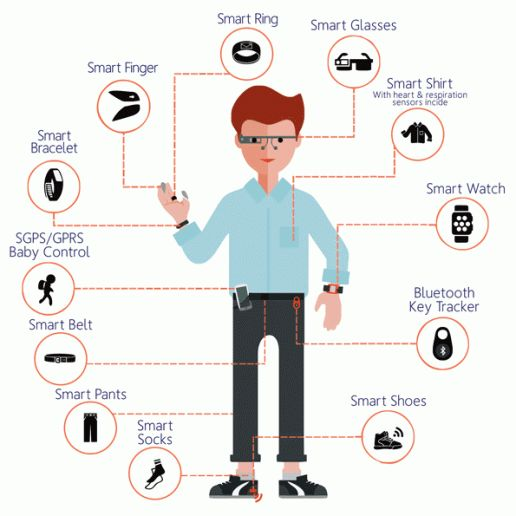
Have you ever wondered when wearable technology first started? You might think it’s a recent invention, but the story goes back much further than you expect.
Understanding where wearable tech began can change the way you see the devices you use every day. You’ll discover surprising facts about the origins of wearable gadgets and how they evolved into the smart tools that now fit right on your wrist or in your pocket.
Keep reading to unlock the history behind the technology that keeps you connected and ahead of the game.
Credit: www.theguardian.com
Early Concepts Of Wearable Tech
Wearable technology might seem like a recent invention, but its roots run deep into human history. Early concepts of wearable tech reveal how humans have long sought to blend utility with personal accessories. These innovations laid the groundwork for the smart devices you use today.
Ancient Wearable Devices
Long before digital screens and sensors, people crafted wearable devices with practical purposes. Ancient civilizations used items like sundials worn on the wrist to tell time. These early devices were simple but effective tools that fit seamlessly into daily life.
Other examples include protective amulets and jewelry that served dual purposes — decoration and health or spiritual benefits. You might be surprised to learn that even the first eyeglasses, developed in the 13th century, were among the earliest functional wearables. They changed how people interacted with their environment, much like today’s smart glasses aim to do.
Mechanical Innovations
The mechanical era introduced new levels of sophistication in wearable devices. Pocket watches became popular in the 16th century, evolving into wristwatches by the 19th century. These were not just fashion statements but precise mechanical tools you could carry everywhere.
In the 20th century, innovations like hearing aids and early pacemakers marked a shift toward health-focused wearables. These devices provided tangible benefits, improving quality of life. When you think about your smartwatch, consider how these mechanical predecessors paved the way for integrating technology directly with your body.
Pioneers Of Modern Wearables
Understanding the pioneers of modern wearable technology helps you appreciate how far this field has come. These innovators laid the groundwork for devices that now track your health, enhance your fitness, and even support communication. Their early inventions might seem simple today, but they sparked a wave of creativity that shaped the gadgets you use daily.
First Electronic Wearables
The journey of electronic wearables began in the 1960s with devices designed for specific practical uses rather than general consumer appeal. One of the earliest examples was the wearable calculator, introduced in the early 1970s, which combined portability with computing power.
Another milestone was the Hamilton Pulsar watch in 1972, the first digital watch that brought electronic functionality to a common accessory. These devices were bulky and expensive, yet they demonstrated the potential of embedding electronics into wearable forms.
Think about the watches or fitness bands you use now. Their ancestors were these early gadgets, which showed that technology could be part of what you wear every day, not just something on your desk or in your pocket.
Key Inventors And Innovators
Several individuals played crucial roles in shaping wearable technology. Steve Mann, often called the “father of wearable computing,” began experimenting with head-mounted displays in the 1980s. His work laid the foundation for augmented reality glasses and wearable cameras.
Another notable figure is Martin Cooper, who invented the first handheld mobile phone in 1973. While not a wearable device itself, his innovation pushed the idea of carrying communication technology wherever you go.
These innovators didn’t just create gadgets; they challenged how technology could integrate with your daily life. What ideas do you think will inspire the next wave of wearables? Could your own creative spark lead to the next big breakthrough?
Wearables In The 20th Century
Wearable technology in the 20th century laid the groundwork for the devices we now strap on daily. This era was marked by practical innovations, primarily driven by military and medical needs. While commercial interest existed, it often struggled to find a foothold, making early wearables more specialized than mainstream.
Military And Medical Applications
The military was among the first to adopt wearable tech. Soldiers were equipped with early communication devices, such as headsets and wrist radios, that helped coordinate missions without bulky gear.
Medical wearables also took shape during this time. Devices like portable heart monitors allowed doctors to track patients outside hospital settings, a significant step toward today’s fitness trackers.
Have you ever considered how these early tools improved safety and response times? Their impact on saving lives is undeniable and shows how wearables started as life-enhancing tools.
Commercial Attempts
Companies tried to bring wearables to everyday consumers but faced challenges. Early wristwatches with calculator functions or digital displays hinted at more interactive devices but were limited in capability.
Some gadgets aimed at fitness tracking appeared but lacked the accuracy and convenience we expect now. These attempts showed the potential but also highlighted the technology’s infancy.
What stopped these early commercial wearables from taking off? Was it design, price, or simply the public’s readiness? Thinking about this can help you understand the importance of timing in tech adoption.
Breakthroughs In The 21st Century
The 21st century marked a major shift in wearable technology. Devices became smaller, smarter, and more user-friendly. New technologies made wearables more useful for health, fitness, and daily life. This era saw rapid growth in both design and function.
Smartwatches And Fitness Trackers
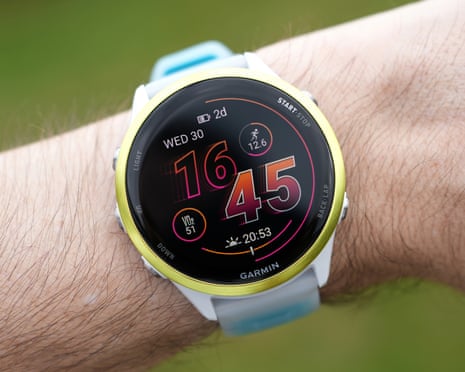
Smartwatches emerged as a popular wearable in the early 2000s. They combined timekeeping with digital features like notifications and apps. Fitness trackers gained fame for monitoring steps, heart rate, and sleep. These devices helped users track health goals easily.
Brands introduced sleek designs and longer battery life. Users could sync data with smartphones for better insights. This made health monitoring accessible and convenient for many people.
Advancements In Sensors And Connectivity
Sensors became smaller and more accurate over time. They could measure heart rate, oxygen levels, and even stress. Wearables started to collect more detailed health data than ever.
Connectivity improved with Bluetooth and Wi-Fi integration. Devices could share data instantly with phones and cloud services. This allowed real-time updates and better health tracking apps.
Wearable technology moved beyond fitness. Medical monitoring and smart clothing also benefited from sensor advancements. This expanded the use of wearables in everyday life and healthcare.
Cultural Impact And Adoption
Wearable technology has deeply influenced culture and daily habits. Its adoption shows how technology blends with human life. People embrace wearables for convenience, health, and style. These devices shift how we interact with the world and ourselves.
Wearables In Daily Life
Wearable devices help track fitness, monitor health, and stay connected. People use smartwatches to check messages without phones. Fitness bands count steps and remind users to move. These gadgets create new routines and habits.
Many rely on wearables for health alerts and sleep tracking. This helps improve well-being and encourages a healthier lifestyle. Wearables become personal assistants on the wrist or body. They make daily tasks easier and more efficient.
Fashion Meets Technology
Wearable tech is no longer just functional. It has become a fashion statement for many. Designers mix style with smart features to appeal to users. Watches, glasses, and jewelry now include technology.
Technology brands collaborate with fashion houses to create trendy devices. This fusion attracts a wider audience who value looks and tech. Wearables now fit personal style and express identity.
Colors, shapes, and materials vary to match different tastes. People choose wearables that reflect personality and lifestyle. This cultural shift shows tech blending with everyday fashion.

Credit: www.smithsonianmag.com
Future Trends And Innovations
The future of wearable technology is bright and full of exciting possibilities. As devices become smarter and more connected, your daily experience with technology will change in ways you might not expect. The innovations on the horizon will make wearables more useful, intuitive, and integrated into your lifestyle.
Next-gen Wearable Devices
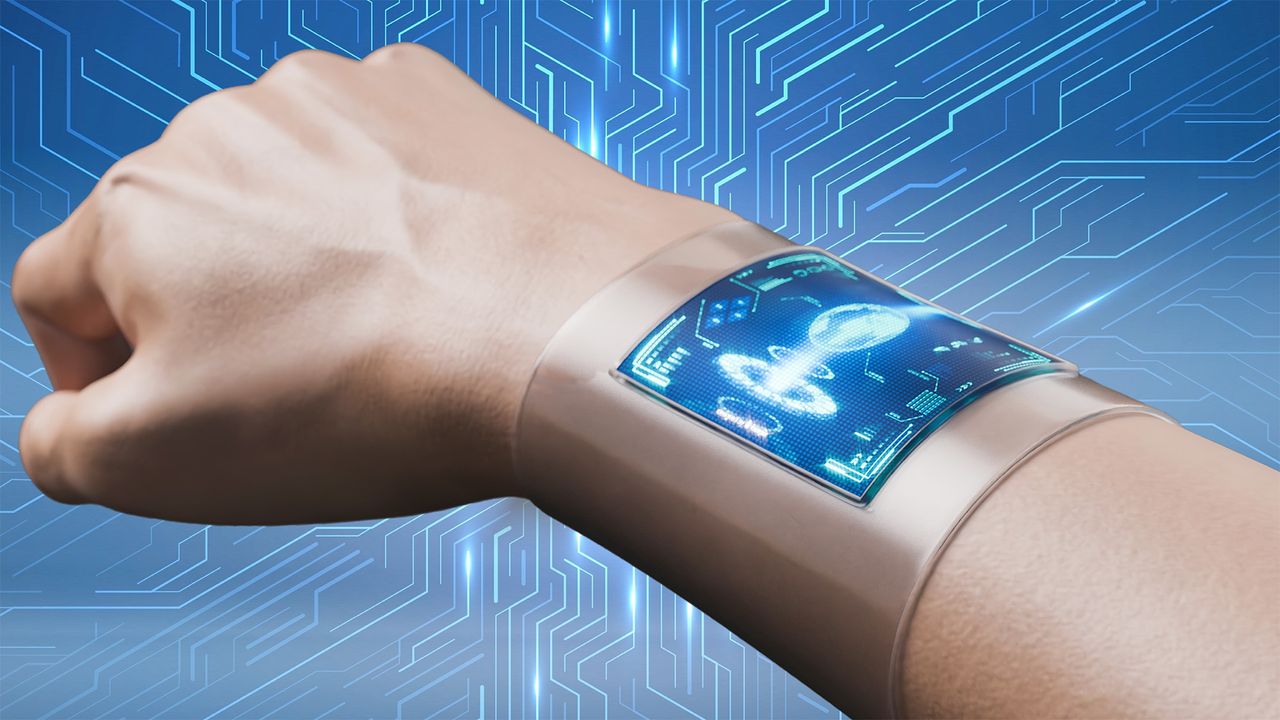
Next-generation wearables are designed to do more than track steps or monitor heart rate. Imagine devices that can analyze your mood or predict health issues before symptoms appear. Some upcoming models will feature flexible screens and solar charging, meaning less time tethered to a charger and more freedom to move.
Think about the convenience of smart glasses that provide real-time language translation or wristbands that monitor hydration levels during workouts. These advances are not just about adding features but about making wearables seamlessly fit into your life. What features would you find most useful in your daily routine?
Integration With Ai And Iot
Wearable technology will increasingly connect with artificial intelligence and the Internet of Things to offer personalized experiences. Your smartwatch could learn your habits and suggest lifestyle changes or alert you to potential health risks. Devices will communicate with your home, car, and even office, creating a network that supports you throughout the day.
This integration means your wearable won’t just collect data; it will act on it intelligently to improve your well-being and productivity. Imagine your fitness tracker syncing with your smart fridge to suggest meals based on your activity and nutritional needs. How would this kind of integration change the way you manage your health and daily tasks?
Credit: www.inkl.com
Frequently Asked Questions
When Did Wearable Technology First Appear?
Wearable technology first appeared in the 1960s. The earliest examples include the Hamilton Pulsar, a digital wristwatch. It marked a significant technological advancement. This era set the stage for future innovations in wearable tech.
What Are Early Examples Of Wearable Technology?
Early examples of wearable technology include the calculator watch and the Sony Walkman. These devices paved the way for modern wearables. They combined functionality with convenience, setting trends in personal tech. Their introduction marked a shift towards portable technology.
How Did Wearable Tech Evolve Over Time?
Wearable tech evolved with advancements in technology and miniaturization. From the 1980s, devices became more compact and user-friendly. Innovations like fitness trackers and smartwatches emerged. The evolution continues today with AI and IoT integration.
Why Was Wearable Technology Invented?
Wearable technology was invented to enhance convenience and functionality. It aimed to integrate technology seamlessly into daily life. Early devices focused on timekeeping and portable audio. Today, wearables offer health monitoring, connectivity, and entertainment. They address the increasing demand for multifunctional, on-the-go technology.
Conclusion
Wearable technology started many years ago with simple devices. It grew slowly as new ideas came to life. Today, wearables help people track health and stay connected. The journey shows how small tools became part of daily life. This history reminds us that technology keeps changing.
Who knows what wearables will do next? The past is just the beginning.
Leave a Reply