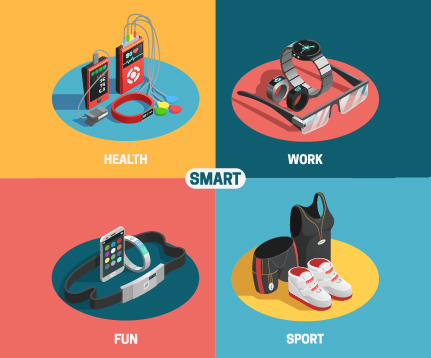
Have you ever wondered how a small device on your wrist can do so much more than just tell time? Wearable technology is changing the way you live, work, and stay healthy.
From tracking your daily steps to monitoring your heart rate, these gadgets are packed with features designed to make your life easier and better. But what exactly is wearable technology used for, and how can it benefit you? Keep reading to discover the surprising ways these smart devices fit into your daily routine and why they might be the next must-have for you.
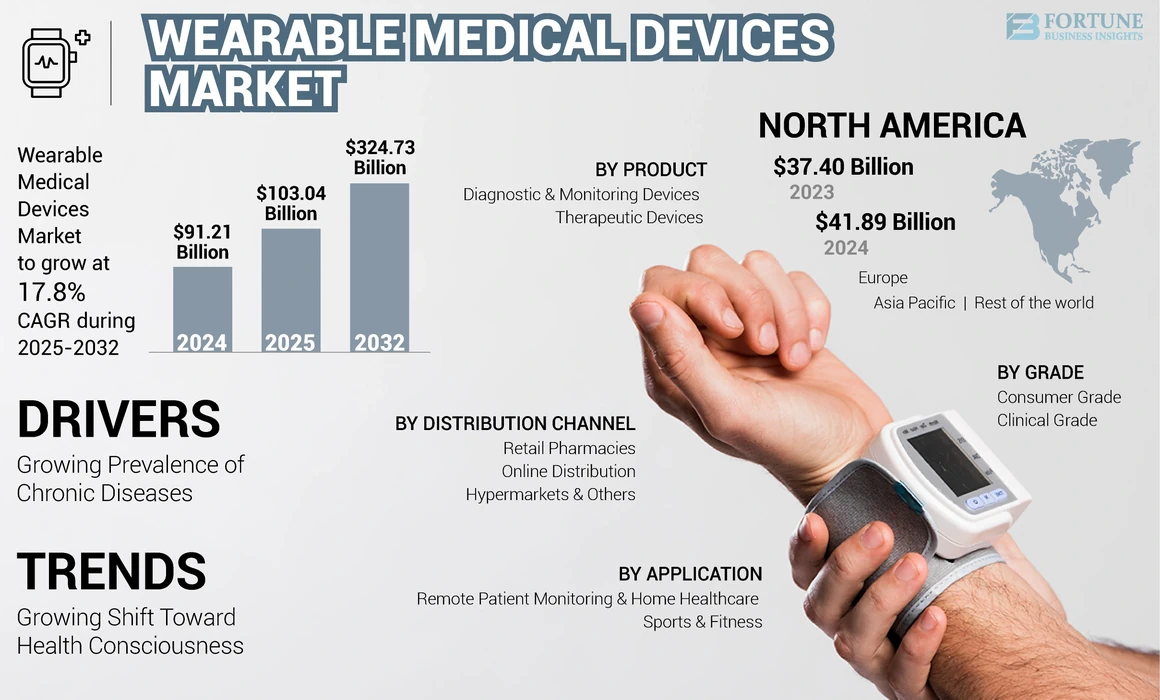
Credit: www.fortunebusinessinsights.com
Types Of Wearable Technology
Wearable technology comes in many forms. Each type serves a unique purpose and offers distinct benefits. These devices blend into daily life and help track, assist, or enhance user experiences.
Understanding the main types helps grasp the range of wearable tech available today. Here are some popular categories.
Fitness Trackers And Smartwatches
Fitness trackers monitor physical activities like steps, heart rate, and sleep. They motivate users to stay active and healthy. Smartwatches combine these features with apps, calls, and notifications. Both devices sync with smartphones for easy data access.
Medical Devices
Medical wearables monitor health conditions continuously. Devices like glucose monitors or heart rate sensors provide real-time data. They help patients and doctors manage chronic illnesses better. Alerts can warn users of potential health issues early.
Augmented Reality Glasses
These glasses overlay digital images onto the real world. They assist in navigation, gaming, and work tasks. AR glasses enhance learning and hands-free information access. They bring technology directly into the user’s vision.
Wearable Cameras And Audio Devices
Wearable cameras capture moments from the user’s perspective. Used in sports, security, or content creation, they offer hands-free recording. Audio devices like smart earbuds provide music, calls, and voice control. They blend convenience with technology on the go.
Health And Fitness Benefits
Wearable technology offers clear advantages for your health and fitness journey. These devices help you stay aware of your body’s signals, motivate you to move more, and assist in managing health issues more effectively. Let’s look at how wearables serve these important roles.
Monitoring Vital Signs
Wearables track key vital signs like heart rate, blood pressure, and oxygen levels in real time. This constant monitoring helps you catch early signs of trouble before they escalate. Imagine noticing your heart rate spikes during stress and using that insight to take a calming break.
Encouraging Physical Activity
These devices push you to keep moving by setting daily step goals or reminding you to stand up after long periods of sitting. They make activity feel like a game with rewards and progress tracking. Have you ever felt motivated to reach 10,000 steps just to beat yesterday’s record?
Managing Chronic Conditions
For those with diabetes, asthma, or heart disease, wearables provide continuous data that helps manage these conditions better. You can share this information with your doctor to adjust treatments quickly. This ongoing support can reduce emergency visits and improve your quality of life.
Enhancing Workplace Productivity
Wearable technology plays a key role in making workplaces more productive. It helps workers stay connected and safe. It also makes tasks easier and faster. Companies use wearables to boost efficiency and improve job quality.
Improving Communication
Wearables help teams communicate quickly. Devices like smartwatches send instant messages and alerts. This reduces delays and confusion. Workers can share updates without stopping their work. Clear communication keeps projects on track and avoids mistakes.
Tracking Employee Health And Safety
Wearable devices monitor workers’ health in real time. They track heart rate, temperature, and fatigue levels. This helps prevent accidents and health problems. Safety alerts notify workers about hazards immediately. Employers can act fast to protect their staff.
Streamlining Workflow
Wearables simplify many daily tasks. They provide hands-free access to information and instructions. Workers can check schedules, scan barcodes, or record data quickly. This saves time and reduces errors. Efficient workflows lead to higher output and better results.
Advancements In Medical Care
Wearable technology is changing how doctors and patients manage health. These devices collect real-time data and help in faster medical decisions. They make medical care more accessible and efficient. Patients can track their health without frequent hospital visits.
Remote Patient Monitoring
Wearable devices monitor vital signs like heart rate and blood pressure. Doctors receive this data remotely and check patients’ conditions. This reduces the need for hospital stays. Patients with chronic diseases can live more comfortably at home. Alerts notify doctors if any readings are abnormal.
Early Disease Detection
Wearables detect unusual body changes early. They track patterns that may indicate health issues. Early alerts help in timely diagnosis and treatment. Diseases like diabetes and heart problems can be caught sooner. This improves the chance of successful treatment.
Personalized Treatment Plans
Data from wearables helps doctors create custom care plans. Treatment adjusts based on individual health data. Patients receive medicine and advice tailored to their needs. This approach increases treatment effectiveness and reduces side effects. Patients stay more engaged in their health journey.
Entertainment And Lifestyle Applications
Wearable technology has transformed how we enjoy entertainment and manage our lifestyles. These gadgets do more than just tell time or track steps; they immerse you in new experiences and simplify everyday tasks. Let’s look at some exciting ways wearable tech fits into entertainment and lifestyle.
Immersive Gaming Experiences
Wearables like VR headsets and motion controllers put you right inside the game. Instead of just staring at a screen, you move, look around, and interact naturally.
Imagine dodging obstacles by physically leaning or using hand gestures to cast spells. This physical involvement makes gaming more thrilling and memorable.
Have you tried a VR game that made you forget where you were? That’s the power of immersive gaming through wearables.
Smart Clothing And Accessories
Smart clothing goes beyond fashion. It can monitor your health, adjust temperature, or even change colors based on your mood or surroundings.
Accessories like smartwatches and rings keep you connected without pulling out your phone. They show notifications, track fitness, and control music with just a tap.
Think about how much easier your day could be if your jacket cooled you down on a hot day or your watch reminded you to take a break.
Travel And Navigation Aids
Wearable tech can guide you through unfamiliar places without the hassle of maps or phones. Smart glasses display directions right in your field of vision.
Devices like GPS-enabled watches can alert you if you stray off course during a hike or run. This keeps you safe and confident on your adventures.
Wouldn’t you feel more adventurous knowing you have a smart guide on your wrist or head?
Challenges And Privacy Concerns
Wearable technology offers incredible convenience and health benefits, but it also raises serious challenges and privacy concerns. These issues can affect how comfortable you feel using these devices every day. Understanding these challenges helps you protect your personal information and make smarter choices.
Data Security Risks
Wearable devices collect a huge amount of personal data, from heart rates to location tracking. If this data isn’t properly secured, hackers can access sensitive information. Imagine someone stealing your health records or real-time location—this could lead to identity theft or physical harm.
To stay safe, always check if your device uses strong encryption and regular security updates. Ask yourself: How often does the manufacturer release patches? Are there options to limit data sharing with third parties? Your vigilance can prevent many risks.
User Consent And Control
Many wearable devices gather data continuously, sometimes without you fully realizing it. You should have clear control over what data is collected and who can see it. Unfortunately, consent forms are often long and confusing, making it easy to agree without understanding the full impact.
Think about this: Do you know exactly what data your device shares with apps or companies? Can you easily revoke permissions if you change your mind? Taking control of your data starts by reviewing settings and asking tough questions about consent.
Device Reliability
Wearables are only useful if they work correctly. Inaccurate sensors or software bugs can give false health readings or fail to alert you in emergencies. This unreliability can create false confidence or unnecessary panic.
Before trusting your wearable device, check reviews and reliability reports. Have you noticed any glitches or inconsistent data? Choosing devices with proven accuracy and support can make a big difference in your daily experience.
Future Trends In Wearables
The future of wearable technology promises exciting changes. Devices will become smarter, smaller, and more useful. Users can expect better performance and new ways to interact with technology. These advancements will shape how we use wearables daily.
Integration With Artificial Intelligence
Wearables will use artificial intelligence to offer personalized experiences. AI can analyze user data to provide smart recommendations. Devices will learn from habits and adapt to individual needs. This will help in health monitoring, fitness coaching, and even mood tracking.
Improved Battery And Design
Battery life will get longer to support constant use. Designers will create lighter and more comfortable devices. Flexible materials may allow wearables to fit better on the body. Users will enjoy stylish wearables that do not feel heavy or bulky.
Expanding Use Cases
Wearable technology will enter new fields beyond fitness and health. Industries like education, entertainment, and safety will adopt wearables. Devices could assist with learning, virtual reality experiences, and emergency alerts. The potential uses will grow as technology advances.
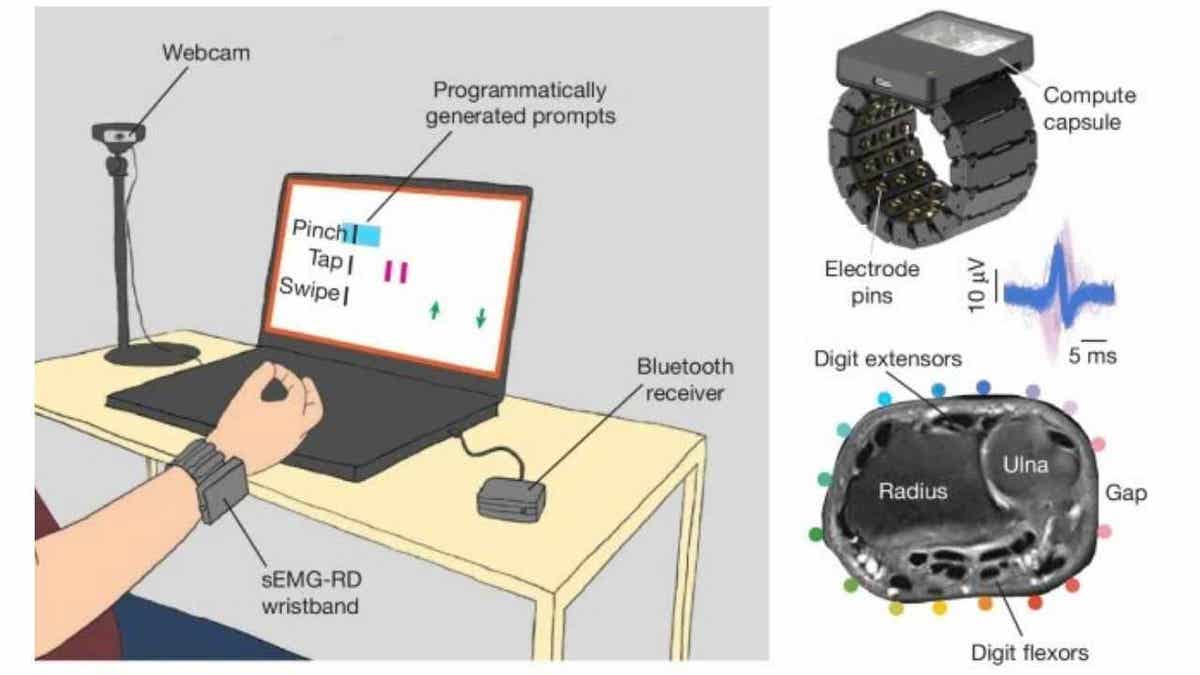
Credit: www.foxnews.com

Credit: brieflands.com
Frequently Asked Questions
What Are The Main Uses Of Wearable Technology?
Wearable technology is mainly used for health tracking, fitness monitoring, and real-time notifications. It enhances user convenience and promotes a healthier lifestyle by providing instant data and insights.
How Does Wearable Technology Improve Health Monitoring?
Wearables track vital signs like heart rate, sleep, and activity. This helps users manage health conditions and receive early warnings for potential issues.
Can Wearable Technology Boost Fitness Performance?
Yes, wearables provide real-time feedback on workouts, track progress, and set fitness goals. This motivates users and improves training efficiency.
What Industries Benefit From Wearable Technology?
Healthcare, sports, entertainment, and manufacturing industries use wearables for monitoring, communication, and safety improvements. These devices streamline operations and enhance productivity.
Conclusion
Wearable technology helps people track health and stay connected. It makes daily tasks easier and saves time. Many use it for fitness, sleep, and heart monitoring. Others rely on it for communication and safety. This technology grows fast and changes how we live.
It fits into many parts of life, from work to play. Wearables offer simple ways to improve health and productivity. Small devices, big impact. The future looks bright for wearable tech users.
Leave a Reply