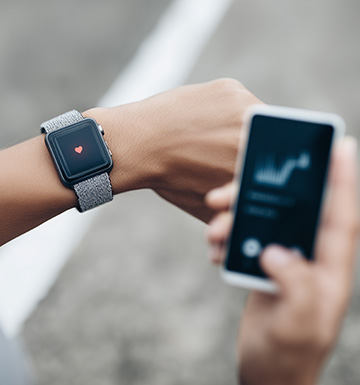
Imagine a world where your watch tells you more than just the time. Think about glasses that give you directions and headphones that monitor your heart rate.
Sounds exciting, right? This is the magic of wearable technology, and it’s revolutionizing the way you live. Have you ever wondered why so many people are turning to wearable gadgets? It’s not just because they’re cool or trendy. These devices are designed to make your life easier, healthier, and more connected.
You’ll discover the incredible benefits that wearable technology offers. From boosting your fitness goals to enhancing your daily productivity, these gadgets are more than just accessories. They’re tools that can transform your lifestyle. Curious to know how they work and why they’re worth your attention? Keep reading, because the answers might just surprise you.

Credit: www.techadvisor.com
Health Monitoring Benefits
Wearable technology offers many health monitoring benefits. It helps users keep track of their body’s key functions easily. These devices provide real-time data, enabling people to understand their health better. They support a proactive approach to wellness and medical care.
Tracking Vital Signs
Wearables track vital signs like heart rate, blood pressure, and oxygen levels. This constant monitoring helps detect any unusual changes quickly. Users can see daily patterns and adjust their activities for better health. It makes personal health management simple and effective.
Early Detection Of Health Issues
Wearable devices can spot health problems before symptoms appear. Alerts notify users about irregular heartbeats or abnormal blood pressure. Early warnings encourage timely medical visits. This helps prevent serious conditions and reduces emergency risks.
Chronic Disease Management
People with chronic diseases benefit from wearables by monitoring their condition continuously. Devices help track medication times and physical activity. They provide data that doctors can use to adjust treatments. This ongoing support improves quality of life and disease control.
Credit: www.health.harvard.edu
Fitness And Activity Tracking
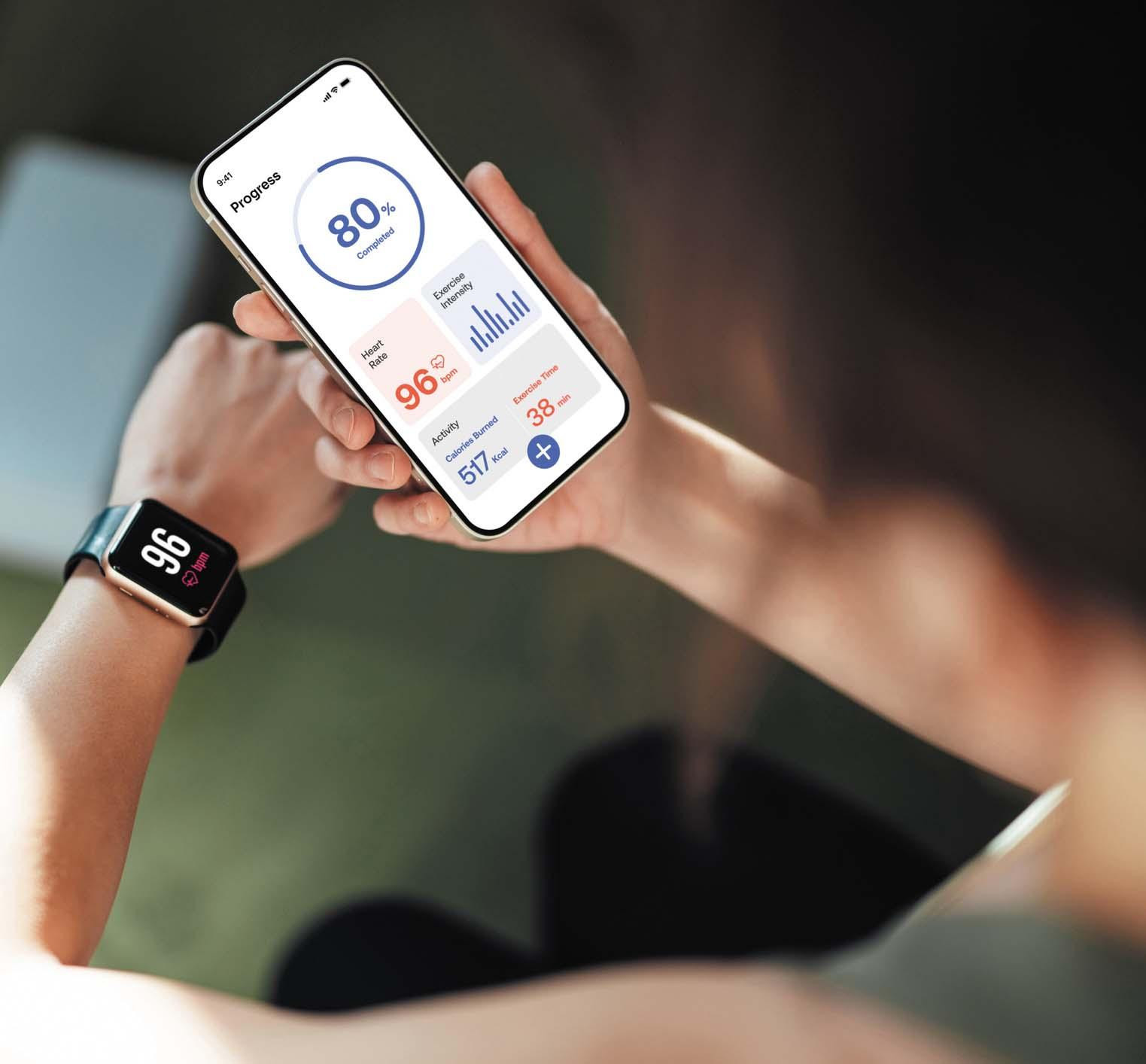
Fitness and activity tracking is one of the key benefits of wearable technology. These devices monitor daily movements and exercise routines. They provide valuable data to help users improve their health. Tracking steps, heart rate, and calories burned becomes simple and automatic. This constant monitoring helps build healthy habits over time.
Encouraging Regular Exercise
Wearables remind users to stay active throughout the day. Alerts prompt short walks or stretching breaks. This helps reduce long periods of sitting. Seeing progress encourages users to keep moving. Daily activity goals become a part of life.
Setting And Achieving Goals
Devices allow users to set clear fitness targets. Goals can include steps, distance, or active minutes. Tracking progress shows how close they are to these targets. Achieving small goals boosts confidence and encourages bigger challenges. This creates a positive cycle of improvement.
Motivation Through Real-time Feedback
Wearables provide instant feedback during workouts. Heart rate zones and pace help users adjust effort. Real-time data keeps users focused and motivated. Positive feedback feels rewarding and fuels continued exercise. It turns workouts into engaging and interactive sessions.
Improved Sleep Quality
Wearable technology helps improve sleep quality by tracking and analyzing your sleep habits. It gathers detailed data throughout the night. This information reveals insights into your rest patterns. With this data, you can make better decisions for healthier sleep.
Sleep Pattern Analysis
Wearables monitor your sleep stages, such as light, deep, and REM sleep. They record how long you spend in each stage. This helps you understand your sleep cycle better. The devices also track movements and heart rate during sleep. This data shows how restful your night really is.
Identifying Sleep Disorders
Wearable devices can detect signs of sleep problems. They notice irregular breathing, frequent waking, or restless movements. These signs may indicate conditions like sleep apnea or insomnia. Early detection allows you to seek help sooner. This improves your overall health and well-being.
Recommendations For Better Rest
Based on your sleep data, wearables suggest ways to improve rest. They might advise adjusting bedtime or reducing screen time. Some devices recommend relaxation exercises before sleep. These tips help create a better sleep environment. Following them can lead to deeper, more refreshing sleep.
Boosting Workplace Productivity
Wearable technology offers many tools to improve productivity at work. These devices help workers manage time, reduce stress, and stay focused. Small changes lead to better work habits and higher output. The right wearable can make daily tasks simpler and help maintain energy throughout the day.
Time Management Tools
Wearables provide alerts for meetings and deadlines. They track how time is spent on tasks. This helps workers avoid distractions and stay on schedule. Some devices include timers and reminders for breaks. These features encourage better work habits and prevent burnout.
Reducing Stress With Biofeedback
Wearables monitor heart rate and breathing patterns. They detect stress signals early and suggest calming exercises. Users receive real-time feedback to control tension. This lowers anxiety and improves mood. Less stress means clearer thinking and better decision-making.
Enhancing Focus And Energy Levels
Wearables track sleep quality and physical activity. Good sleep and movement increase alertness at work. Devices remind users to stand or stretch regularly. These habits prevent fatigue and boost concentration. Consistent energy levels improve overall job performance.
Personalized Health Insights
Wearable technology offers personalized health insights that help users understand their bodies better. These devices collect real-time data, turning complex information into simple, easy-to-read feedback. This allows users to make informed choices about their health and daily habits.
Data-driven Lifestyle Adjustments
Wearables track activities such as steps, sleep, and heart rate. This data highlights patterns and areas needing improvement. Users can adjust their routines based on facts, not guesswork. For example, improving sleep quality or increasing daily movement becomes clearer and easier to manage.
Integration With Health Apps
Wearable devices sync with popular health apps to provide a fuller health picture. These apps store data, show trends, and offer tips. Users can monitor progress over time and set achievable goals. This integration makes health management more organized and effective.
Customizable Alerts And Reminders
Wearables send alerts to keep users on track with their health goals. Reminders can include hydration, medication, or exercise prompts. Custom settings allow users to choose alerts that fit their needs. This feature supports consistent healthy habits without feeling overwhelming.

Credit: medium.com
Future Trends In Wearables
Wearable technology is evolving fast. New trends will change how we use these devices every day. These advancements aim to make wearables smarter, more useful, and part of daily life beyond just health tracking.
Advancements In Sensor Technology
Sensors are getting smaller and more accurate. They can now track more body signals with better precision. This means wearables can monitor heart rate, sleep quality, and even stress levels more reliably. New sensors may detect blood sugar and hydration without needing needles or tests.
Ai And Machine Learning Integration
Artificial intelligence helps wearables learn from your habits. It can suggest actions to improve health or productivity. Machine learning allows devices to adapt to your needs over time. This makes wearables more personalized and effective in guiding daily routines.
Expanding Applications Beyond Health
Wearables are moving beyond fitness and health. They help in areas like communication, safety, and entertainment. Smart glasses and watches offer hands-free access to information. Some devices support workplace safety by alerting users to hazards. The future will bring even more ways wearables fit into life.
Frequently Asked Questions
What Are The Main Benefits Of Wearable Technology?
Wearable technology offers convenience, real-time health monitoring, and fitness tracking. It improves lifestyle by providing instant notifications and enhancing productivity on the go.
How Does Wearable Technology Improve Health Monitoring?
Wearables track vital signs like heart rate and sleep patterns. They detect irregularities early, enabling timely medical intervention and promoting better health management.
Why Is Wearable Technology Popular In Fitness?
Wearables motivate users by tracking workouts and progress. They offer personalized feedback, helping users achieve fitness goals efficiently and maintain an active lifestyle.
Can Wearable Technology Enhance Daily Productivity?
Yes, wearable devices provide quick access to calls, messages, and reminders. This reduces distractions and helps users stay organized and focused throughout the day.
Conclusion
Wearable technology helps people stay healthy and active every day. It tracks important information like steps, heart rate, and sleep. This data helps users make better choices for their health. Wearables also keep people connected without needing a phone. They save time and make life easier.
Many devices are simple to use and fit into daily routines. As technology grows, wearables will offer even more benefits. Small tools with big impact. That is why wearable technology is good.
Leave a Reply