Imagine your favorite websites adapting seamlessly to the smart devices you wear every day. How would that change your online experience?
Wearable technology is not just about fitness trackers or smartwatches anymore—it’s shaping the future of how websites are built and how you interact with them. If you want to stay ahead in the digital world, understanding this shift is crucial.
You’ll discover exactly how wearable tech will transform web development and what that means for you as a user or a developer. Get ready to see the web in a whole new way.

Credit: medium.com
Rise Of Wearable Technology
The rise of wearable technology is reshaping how we interact with the digital world. These devices have moved beyond fitness tracking to become essential tools in daily life. As a web developer, you might wonder how this evolution impacts your work and what opportunities lie ahead.
Current Trends In Wearables
Wearable technology is growing fast, with more people using smartwatches, fitness bands, and even smart glasses. Brands like Apple and Samsung are pushing the limits, adding health sensors and AI features that collect real-time data.
Developers are now focused on creating seamless experiences that sync wearables with smartphones and cloud services. Think about how notifications, voice commands, and health monitoring apps are evolving. This means your websites and apps need to be more responsive and adaptable to different screen sizes and input methods.
Types Of Wearable Devices
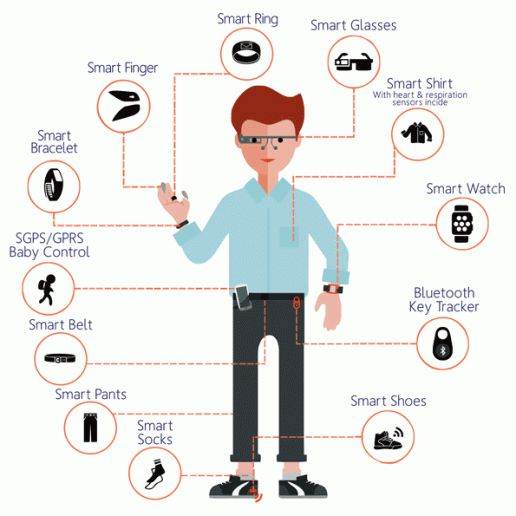
Wearables come in many forms, each with unique features and uses:
- Smartwatches:Track fitness, display notifications, and run mini-apps.
- Fitness Trackers:Focus on health metrics like steps, heart rate, and sleep patterns.
- Smart Glasses:Provide hands-free access to information and augmented reality experiences.
- Wearable Cameras:Capture moments from a first-person perspective.
- Medical Devices:Monitor vital signs for chronic conditions in real-time.
Each type demands different design considerations. How will your web projects adapt to these varied inputs and outputs? Will your sites support voice commands or quick glances for information? These questions are critical as wearable tech becomes part of everyday life.

Credit: blog.stackademic.com
Impact On Web Design
Wearable technology changes how web designers create user experiences. These devices have small screens and unique controls. Designers must rethink layouts and interaction methods to fit these new challenges.
Web design will focus on simplicity and usability. Interfaces must adapt to various screen sizes and input types. The goal is to keep users engaged without overwhelming them.
Adaptive Interfaces For Small Screens
Wearables often have very small screens. Web designs must adjust content to fit these limited spaces. Text, buttons, and images need resizing and rearranging.
Designers use flexible grids and scalable elements. Content prioritization helps show only the most important parts. This keeps the interface clear and easy to navigate.
Voice And Gesture Controls
Many wearables use voice commands or gestures. Web interfaces must support these inputs smoothly. Traditional mouse and keyboard methods may not apply.
Designers create voice-friendly commands and gesture-based controls. Feedback systems confirm actions quickly. This reduces user errors and frustration.
Minimalist And Efficient Layouts
Wearable web design favors minimalism. Complex layouts confuse users on small screens. Clean, simple designs improve readability and speed.
Efficient layouts focus on essential features only. Designers remove unnecessary elements and clutter. Fast loading times and clear navigation boost user satisfaction.
New Development Challenges
Wearable technology is creating new hurdles for web developers. These devices come in many shapes and sizes. Developers must adapt their skills and tools to meet the demands of this emerging market.
Designing apps for wearables means thinking beyond traditional screens. Developers face unique problems related to device variety, battery life, and user privacy. Addressing these challenges is vital for smooth user experience and trust.
Cross-device Compatibility
Wearables vary greatly in screen size, resolution, and input methods. Developers must ensure their web apps work on smartwatches, fitness bands, and AR glasses. Creating one version that fits all is almost impossible.
Responsive design alone cannot solve these issues. Developers need to build flexible interfaces that adjust to different hardware. Testing across multiple devices becomes crucial. It helps catch errors early and improve usability.
Battery And Performance Optimization
Wearable devices have limited battery capacity. Web apps must run smoothly without draining power quickly. Developers should optimize code to reduce processing load and data usage.
Lightweight frameworks and efficient algorithms are key. Minimizing background activity can extend battery life. Performance tweaks improve user satisfaction and device longevity.
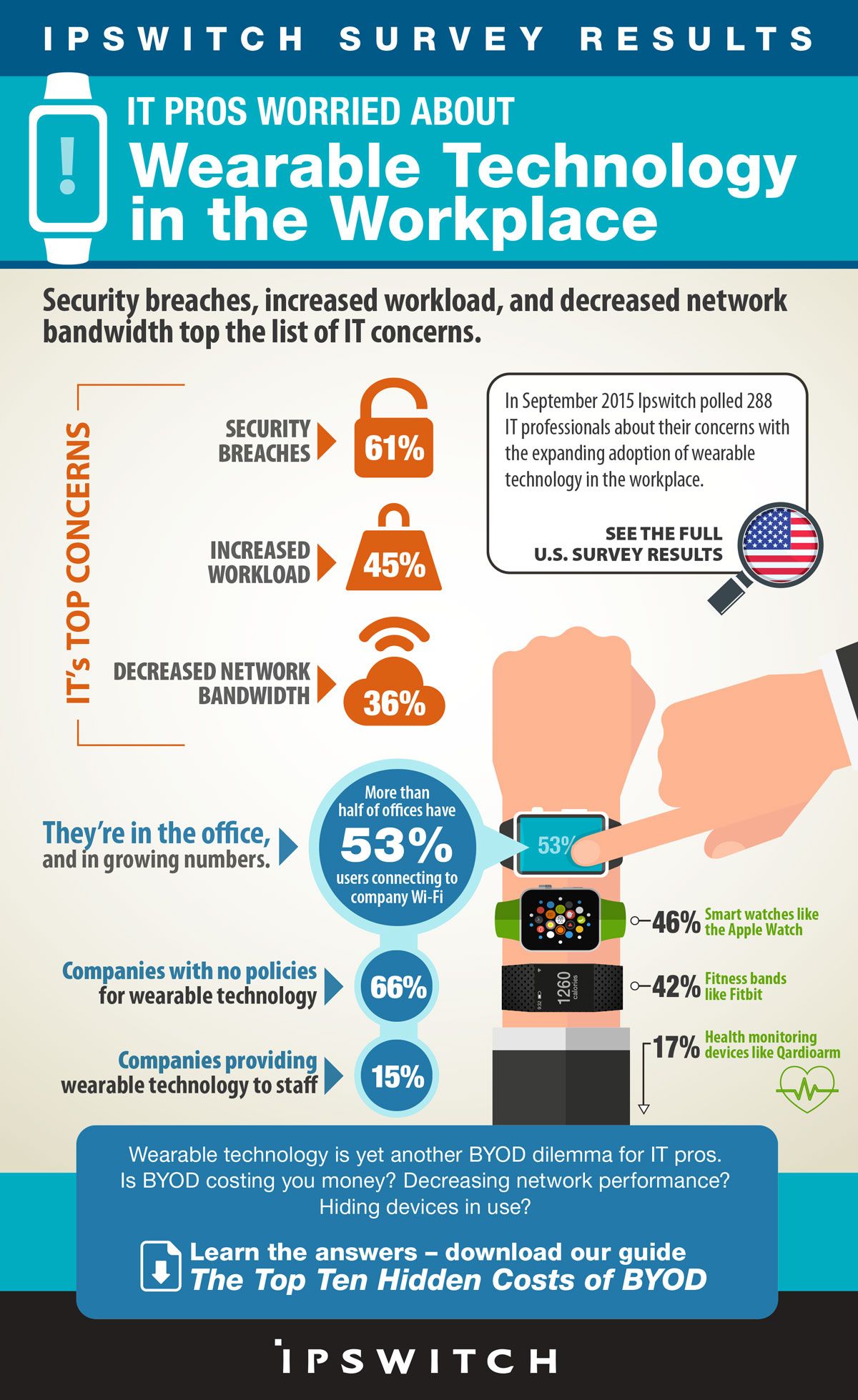
Privacy And Security Concerns
Wearables collect sensitive personal data like health and location. Protecting this information is a top priority. Developers must implement strict security measures in their apps.
Encryption and secure data transfer prevent unauthorized access. Clear privacy policies build user trust. Regular security updates keep apps safe from new threats.
Credit: www.iotworldtoday.com
Enhanced User Experiences
Enhanced user experiences are becoming the heart of web development as wearable technology gains momentum. These devices collect and process data instantly, making interactions more fluid and intuitive. Imagine a website that adapts not just to your preferences but also to your real-time context, thanks to your smartwatch or fitness band.
Real-time Data Integration
Your wearable device constantly gathers data like heart rate, location, and activity level. Web developers can use this real-time information to adjust content dynamically. For instance, a fitness app’s website could show different workout suggestions based on your current heart rate or whether you’re indoors or outdoors.
Think about how this changes your browsing experience—no more static pages that ignore what you’re doing right now. Instead, your interaction becomes more meaningful and timely. Have you ever wished a site knew exactly when you needed a break or a motivational boost?
Personalized Content Delivery
Wearables provide detailed insights into your habits and preferences, allowing websites to tailor content precisely for you. This means you receive articles, ads, or product recommendations that fit your lifestyle perfectly. A travel site might suggest destinations based on your recent activity or stress levels.
Personalization goes beyond just showing relevant ads; it enhances your connection with the website. When content feels made for you, your engagement deepens, and your visits become more satisfying. How much more often would you return to a site that truly understands your needs?
Seamless Multimodal Interactions
Wearable technology enables multiple ways to interact with websites beyond keyboard and mouse. Voice commands, gesture controls, and even biometric inputs can create a smoother browsing experience. Imagine controlling a web app using just your voice while jogging or navigating with simple hand movements.
This blend of interaction modes reduces friction and makes web browsing more accessible in various situations. It challenges developers to design interfaces that respond naturally to these new inputs. Are you ready to explore websites that respond to your voice or gestures as effortlessly as they do to clicks?
Tools And Frameworks For Wearables
Wearable technology demands new tools and frameworks for web developers. These tools help create apps that work smoothly on small, wearable screens. Developers need software kits and libraries that support wearable features like sensors and notifications. Choosing the right framework ensures better user experience and faster development.
Developers must also use web technologies that adapt to various device sizes and interaction methods. Testing and debugging wearables require special strategies due to limited screen space and hardware constraints. Let’s explore key tools and frameworks shaping wearable web development.
Popular Sdks And Apis
Software Development Kits (SDKs) provide ready-made tools for building wearable apps. Examples include:
- Apple WatchKit SDK for creating apps on Apple Watch
- Google Wear OS SDK for Android-based wearables
- Fitbit SDK for fitness tracker apps
APIs allow developers to access wearable hardware like heart rate sensors, GPS, and accelerometers. These APIs enable apps to collect data and respond to user actions in real time.
Responsive Web Technologies
Wearables have small, round, or square screens. Web designs must be flexible to fit these shapes and sizes. Technologies like CSS Grid and Flexbox help create layouts that adapt well. Media queries adjust styles based on screen size and orientation.
Touch input is common on wearables. Web apps should use large buttons and simple navigation. Lightweight frameworks like React Native and Flutter support cross-platform wearable app development with responsive interfaces.
Testing And Debugging Strategies
Testing wearable apps is challenging due to limited screen space and device sensors. Developers use simulators and emulators to mimic wearables on desktops. These tools help find layout issues and interaction bugs early.
Real device testing is essential to check performance and sensor accuracy. Debugging tools integrated in SDKs allow step-by-step code inspection. Logging sensor data helps analyze app behavior under real conditions.
Future Trends In Web Development
The future of web development is closely linked to wearable technology. These devices create new ways for users to interact with websites and apps. Developers must adapt to these changes to build better user experiences. Emerging trends will shape how websites function and look on wearables.
Wearable tech demands fast, responsive, and context-aware web designs. It also pushes innovation in interface design and data processing. Below are key trends that will influence web development as wearables become more common.
Augmented Reality Integration
Augmented reality (AR) adds digital elements to the real world. Wearables like smart glasses bring AR into daily life. Web developers will create AR-enabled websites that blend virtual content with the physical environment.
AR integration will require new coding techniques and tools. Websites may include 3D models, interactive overlays, and real-time data. This will make browsing more immersive and useful on wearable devices.
Ai-driven Interfaces
Artificial intelligence (AI) will power smarter web interfaces for wearables. AI can personalize content based on user behavior and preferences. Voice commands and natural language processing will improve accessibility.
AI helps predict user needs, making interactions faster and smoother. Developers will use AI to optimize layouts and navigation for small screens and limited input methods.
Edge Computing For Wearables
Edge computing processes data closer to the device, reducing delays. Wearables often have limited power and storage, so edge computing is vital. It allows real-time data analysis without relying on distant servers.
Web development will focus on lightweight applications that work well with edge devices. This trend ensures faster loading times and better offline functionality for wearable users.
Frequently Asked Questions
How Will Wearables Impact Web Development?
Wearables will push web developers to focus on user-centric designs. They will prioritize responsive and intuitive interfaces. As wearables grow, developers will need to integrate seamless connectivity and real-time data processing. This will enhance user experiences and ensure compatibility across various devices.
What Challenges Do Wearables Present To Developers?
Wearables introduce challenges like limited screen sizes and varying input methods. Developers must optimize performance and ensure fast loading times. Security is also crucial as wearables handle sensitive data. Adapting to these constraints is vital for effective web development.
Are Wearables Shaping Ui/ux Design Trends?
Yes, wearables are influencing UI/UX design trends. They require minimalist and intuitive interfaces. Designers must focus on simplicity and ease of use for small screens. Ensuring quick access to essential features enhances user satisfaction and engagement.
How Do Wearables Enhance User Experience?
Wearables offer personalized and real-time interactions, enhancing user experience. They provide instant notifications and seamless connectivity. This ensures users stay informed and connected. By prioritizing accessibility and convenience, wearables create engaging and satisfying user experiences.
Conclusion
Wearable technology will shape web development soon. Developers must create sites that work well on small screens. Speed and simplicity will become more important than ever. Users will want quick access to key information. Web design will focus on easy touch controls and clear visuals.
This shift will bring fresh challenges and new ideas. Staying updated with these changes is smart. The future of web development looks connected and user-friendly.
Leave a Reply