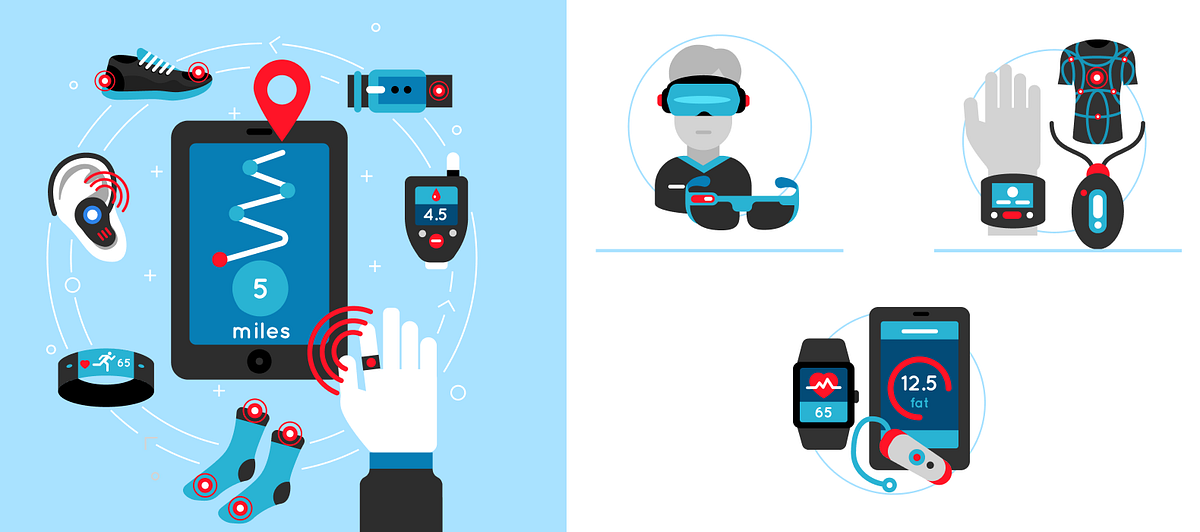
Have you ever wondered how the tiny gadgets you wear every day are changing the way you live? Wearable technology is more than just a cool accessory—it’s shaping your health, your habits, and even how you connect with others.
What if these devices could help you make smarter choices, stay motivated, or protect your privacy? This article will reveal the surprising ways wearable tech is affecting your world. Keep reading to discover how it might be changing your life in ways you never expected.
Credit: www.otandp.com
Impact On Health And Fitness
Wearable technology has changed how people care for their health and fitness. These devices make it easier to stay active and monitor body functions daily. They help users understand their physical condition and mental state better.
Tracking Physical Activity
Wearable devices count steps, distance, and calories burned. This data motivates users to move more throughout the day. Many devices offer goals and reminders to encourage regular exercise. Tracking progress helps people stay committed to their fitness plans.
Monitoring Vital Signs
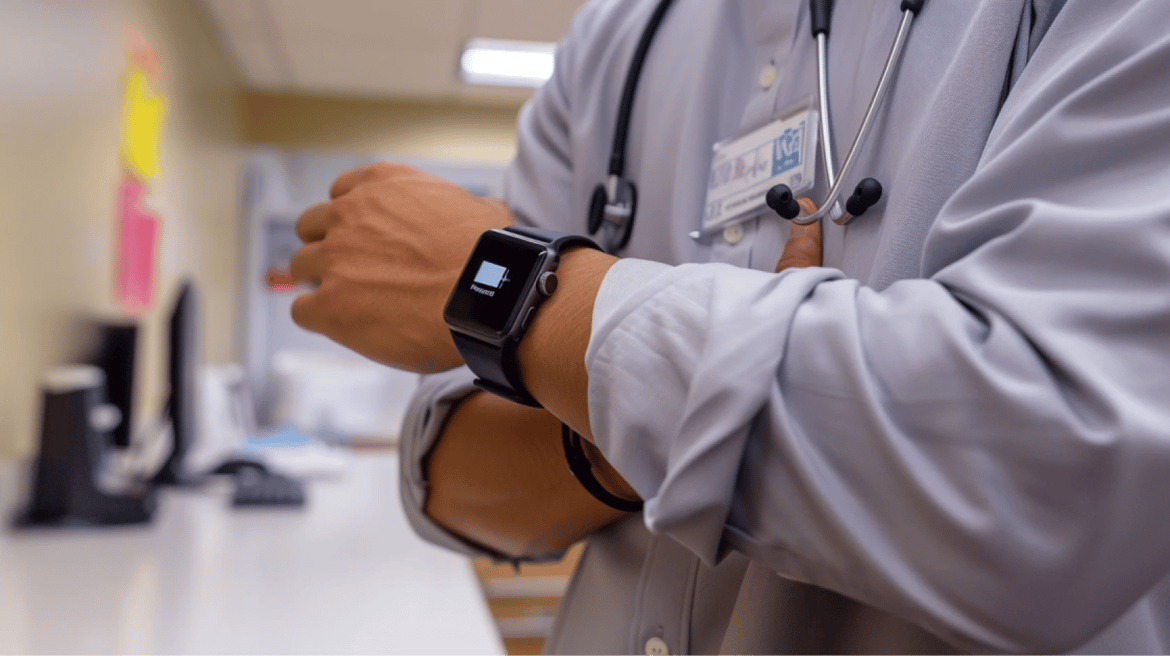
Smartwatches and fitness bands measure heart rate, blood pressure, and oxygen levels. Users can spot unusual changes and seek medical advice early. Continuous monitoring supports better health management for chronic conditions. This real-time data gives peace of mind and better control over health.
Enhancing Mental Well-being
Wearables track sleep quality and stress levels. They provide insights to improve rest and relaxation habits. Some devices offer breathing exercises and mindfulness reminders. These tools support emotional balance and reduce anxiety. Better mental health leads to improved overall well-being.
Changes In Communication
Wearable technology has reshaped how people communicate daily. It allows constant contact without the need for bulky devices. Communication has become faster, simpler, and more natural. These gadgets bring new ways to stay connected and share information instantly.
Instant Connectivity
Wearables keep users connected at all times. Messages, calls, and notifications come through immediately. There is no need to pull out a phone. This instant access helps people respond quickly and stay updated. It changes how fast and often people interact.
Hands-free Interaction
Voice commands and gesture controls make communication easier. Users can talk or send messages without using their hands. This is helpful during busy or physical tasks. It makes multitasking simpler and safer. Conversations can happen anywhere, anytime, without interruption.
Social Media Integration
Wearable devices link directly to social media platforms. Users can post updates, like photos, and check feeds on the go. This keeps people involved in social networks without stopping daily activities. It promotes more frequent sharing and faster social interactions.
Influence On Work And Productivity
Wearable technology is reshaping how we work and boosting productivity in ways you might not expect. These devices go beyond fitness tracking—they help you stay connected, manage your time, and even keep you safe on the job. Understanding their impact can help you decide which wearables could improve your daily work life.
Remote Work Facilitation
Wearables make remote work more manageable by keeping you connected without being tied to a desk. Smartwatches and earbuds let you join calls, receive notifications, and respond quickly while moving around your home or office.
This hands-free access helps you multitask effectively. Imagine answering an urgent work message while cooking dinner or taking a quick walk to refresh your mind during long virtual meetings. Could this balance between mobility and connectivity change how you approach your remote workday?
Time Management Tools
Many wearables come with built-in apps that help you track tasks and manage your schedule. They send reminders and alerts that keep you focused and prevent you from losing track of important deadlines.
Using these tools, you can break your day into manageable chunks and avoid burnout. Have you tried using your smartwatch or fitness band to schedule breaks or time blocks for deep work? This small habit can significantly improve your concentration and output.
Wearables In Workplace Safety
In industries like construction or manufacturing, wearables enhance safety by monitoring environmental conditions and worker health. Devices can detect hazardous gases, extreme temperatures, or even alert supervisors if a worker falls or experiences abnormal vitals.
These real-time alerts help prevent accidents and ensure quick responses. If you work in a risky environment, how could wearing such a device increase your confidence and peace of mind?
Privacy And Security Concerns
Wearable technology has transformed how we monitor health, communicate, and stay connected. But with these benefits come serious concerns about privacy and security. Your personal data is constantly being collected and shared, raising questions about who controls it and how safe it really is.
Data Collection Issues
Wearables gather a vast amount of data, from heart rate to location and daily habits. This continuous data collection can reveal intimate details about your life without you even realizing it.
Many devices send this data to cloud servers, sometimes without clear explanation of how it will be used. Have you ever read the fine print on a wearable app’s privacy policy? Often, it’s hard to understand or even find.
You might be surprised how companies can use this data for targeted advertising or sell it to third parties. This raises a key question: how much control do you really have over your own information?
Risk Of Hacking
Wearables are often less secure than smartphones or computers, making them attractive targets for hackers. Once compromised, attackers can access sensitive health information or even track your location in real time.
Imagine a hacker gaining access to your fitness tracker and learning when you’re not home. This isn’t just a privacy issue—it can be a direct threat to your safety.
Security updates for wearables are often infrequent, leaving vulnerabilities open for longer periods. It’s important to regularly update your devices and use strong passwords to protect your data.
User Consent And Control
Many users don’t realize how much personal data they’re sharing or how to limit it. Wearable companies often ask for broad permissions upfront, making it easy to say “yes” without fully understanding the consequences.
You should ask yourself: do you have real control over what data is collected and who sees it? Some devices offer settings to restrict data sharing, but these options are not always easy to find.
Taking the time to review and adjust privacy settings can help protect your information. Don’t hesitate to disconnect features you don’t use or trust, even if it means losing some convenience.
Advancements In Fashion And Lifestyle
Wearable technology has reshaped fashion and lifestyle in many ways. It blends technology with everyday clothing and accessories. This change brings both style and function to daily life. People now enjoy gadgets that look good and serve practical needs. These innovations make fashion more interactive and personal.
Smart Accessories
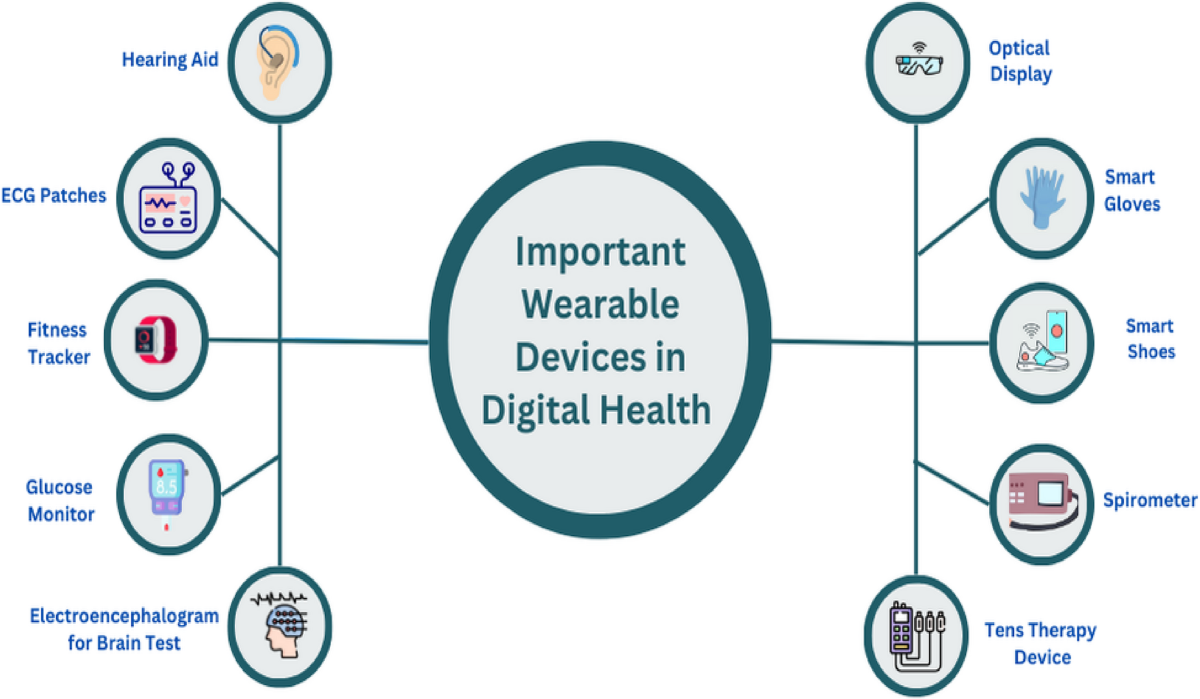
Smart accessories include watches, glasses, and jewelry with tech features. They track health, show notifications, or control devices. These items blend into outfits without losing style. Users stay connected without carrying bulky gadgets. Smart accessories offer convenience and a modern look.
Customization And Personalization
Wearable tech often allows users to customize settings and appearance. People can change colors, watch faces, or bands easily. Some devices learn user habits to improve experience. This personalization makes technology feel unique and tailored. It helps users express their personality through their devices.
Integration With Daily Wear
Wearables fit naturally into daily clothing and routines. Fabrics with sensors monitor health without discomfort. Devices sync with smartphones for seamless use. This integration makes technology part of everyday life. It supports a healthier, more connected lifestyle without disruption.

Credit: blog.stackademic.com
Future Trends And Innovations
The future of wearable technology promises exciting changes that will touch many parts of your daily life. Innovations are not just about smaller devices but smarter ones that can think, connect, and respond in ways we haven’t seen before. Let’s look at some of the key trends shaping what’s next.
Artificial Intelligence Integration
Wearables are becoming smarter by adding AI that can learn from your habits and provide personalized feedback. Imagine a fitness tracker that adjusts your workout plan based on your progress and energy levels without you lifting a finger.
This AI integration can help you make better decisions about your health and lifestyle in real time. It’s not just about collecting data anymore; it’s about turning that data into useful advice right when you need it.
Healthcare Applications
Wearable tech is changing how you manage health conditions and monitor wellness. Devices now can detect early signs of illness and alert you or your doctor before symptoms become severe.
Think about a smartwatch that tracks your heart rhythm and warns you about irregularities that might need medical attention. This shift means healthcare could become more proactive and personalized for you.
Expanding Connectivity
Your wearables are connecting with more devices and systems, creating a seamless network of information. This growing connectivity allows for smoother communication between your gadgets, your home, and even your workplace.
Imagine your smartwatch syncing with your car, adjusting settings based on your mood or schedule. This level of integration raises questions: how much control do you want over your environment, and how much should your devices decide for you?
Credit: journalofcloudcomputing.springeropen.com
Frequently Asked Questions
What Is Wearable Technology’s Impact On Daily Life?
Wearable technology enhances daily life by offering convenience, improving health, and increasing connectivity. These devices track fitness, monitor health metrics, and provide easy access to information. They help users make informed decisions and stay connected effortlessly.
How Do Wearables Affect Healthcare?
Wearables revolutionize healthcare by offering real-time health monitoring and data collection. They assist in early diagnosis and personalized treatment. Wearables improve patient engagement and empower individuals to take charge of their health.
Are There Privacy Concerns With Wearable Devices?
Yes, privacy concerns exist with wearable devices due to data collection. Wearables gather sensitive personal information, which may be vulnerable to breaches. Users should be aware of data policies and choose devices with robust security features.
Do Wearables Contribute To Social Change?
Wearables contribute to social change by fostering digital inclusion and enhancing accessibility. They empower individuals with disabilities and promote healthy lifestyles. Wearables encourage societal shifts towards technology-driven solutions, improving overall quality of life.
Conclusion
Wearable technology changes how people live and work every day. It helps monitor health and stay connected easily. People gain more control over their fitness and safety. Yet, it also raises questions about privacy and data use. Society must balance benefits with these concerns carefully.
As technology grows, its impact will keep evolving. Everyone should stay informed and use wearables wisely. Small steps lead to better, smarter living with wearable devices.
Leave a Reply