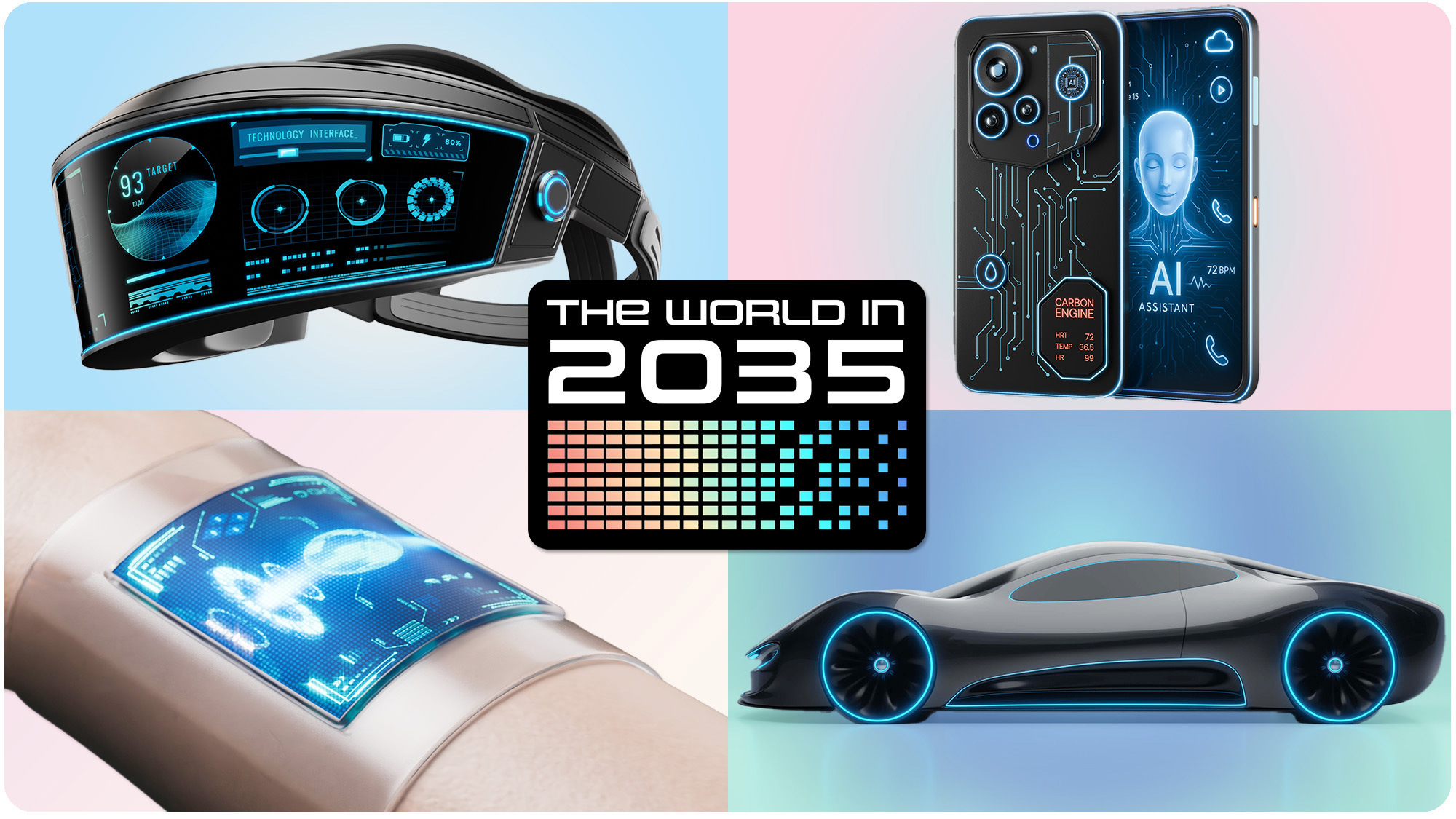
Imagine having a tool right on your wrist or clipped to your clothes that can track your health, boost your safety, and even make your daily tasks easier. Wearable technology is not just a cool gadget; it’s changing how you live, work, and connect with the world around you.
What if this small device could help you stay healthier, save time, and keep you safer every day? Keep reading to discover how wearable technology will transform your life and the world in ways you never expected.
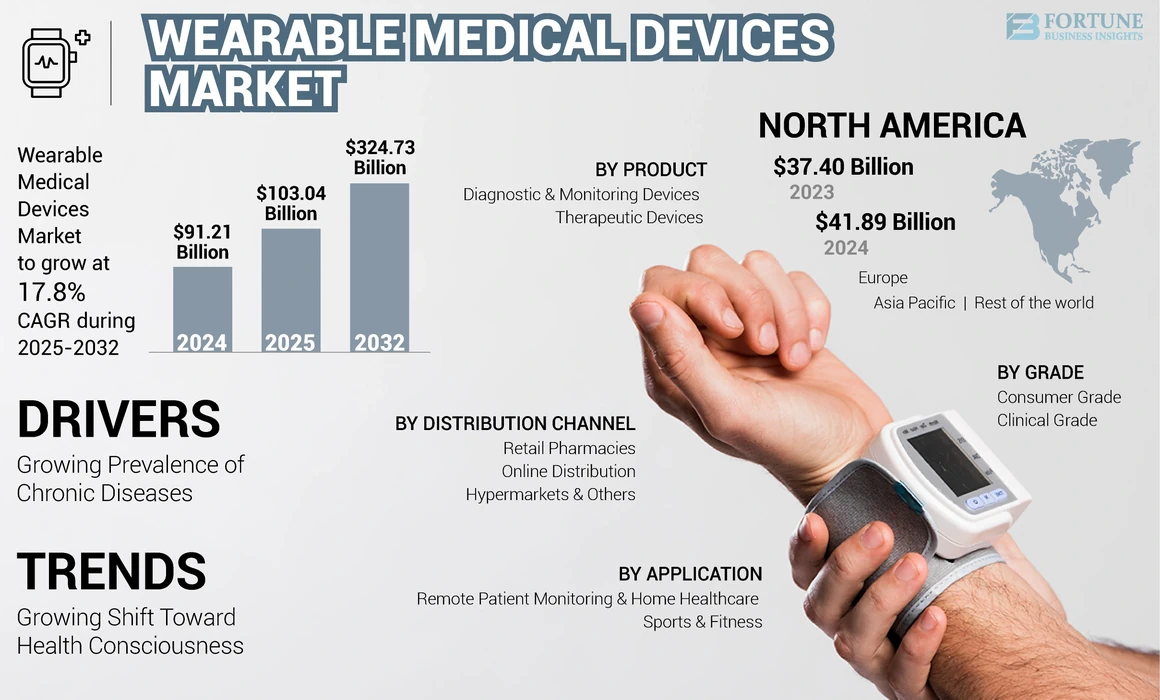
Credit: www.fortunebusinessinsights.com
Wearable Tech In Healthcare
Wearable technology is changing healthcare by bringing medical insights directly to your wrist or finger. These devices do more than count steps—they track vital signs, manage long-term conditions, and even support mental well-being. Imagine having a health assistant that never sleeps, constantly watching over your body and alerting you to potential problems before they escalate.
Real-time Health Monitoring
Wearable devices provide instant feedback on your health metrics like heart rate, blood oxygen levels, and sleep quality. This continuous monitoring helps you catch irregularities early, sometimes before you even feel symptoms. Have you ever wondered how much your daily stress impacts your heart? With wearables, you can see the answer in real time.
Chronic Disease Management
For those managing chronic diseases such as diabetes or hypertension, wearables offer invaluable support. They remind you to take medication, track glucose levels, and even predict flare-ups. This hands-on approach lets you take control of your health instead of waiting for the next doctor’s appointment to catch up.
Remote Patient Care
Wearables make it possible for healthcare providers to monitor patients without in-person visits. This is especially useful for elderly or mobility-challenged individuals who find frequent clinic trips difficult. You can share your health data instantly with your doctor, making consultations more effective and personalized.
Mental Health Support
Mental health often gets overlooked, but wearables are changing that by tracking stress, mood, and sleep patterns. Some devices even guide you through breathing exercises or mindfulness sessions when they detect rising anxiety. How often do you check in with your mental state? Wearable tech can remind you to pause and care for your mind.
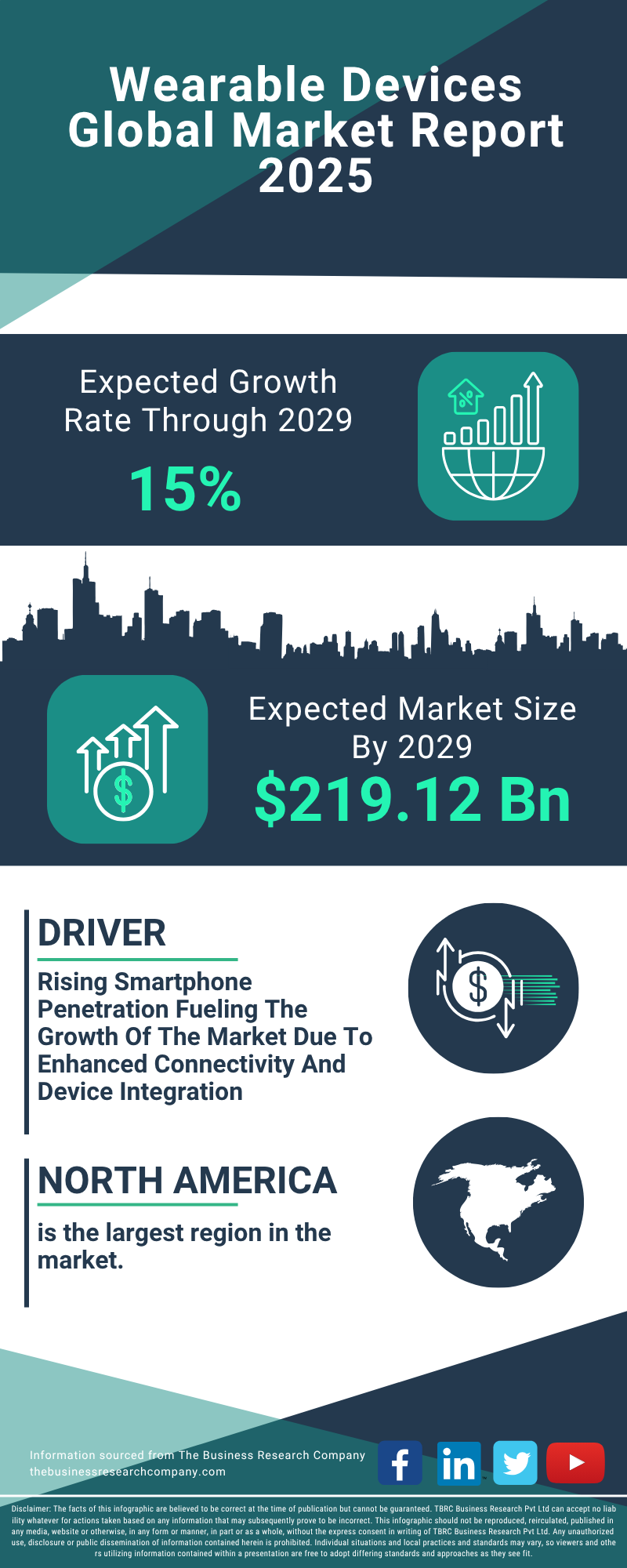
Credit: www.thebusinessresearchcompany.com
Enhancing Fitness And Wellness
Wearable technology is changing how people take care of their health. It offers tools that help improve fitness and overall wellness. These devices collect data to guide better health choices every day.
Wearables provide real-time feedback. This helps users stay motivated and focused on their goals. They also make tracking progress easy and accurate, which leads to healthier habits.
Personalized Workout Tracking
Wearables measure heart rate, steps, and calories burned. They create workout plans tailored to each person’s fitness level. This personal touch helps users exercise safely and effectively. It also adjusts goals based on progress and daily activity.
Sleep Quality Improvement
Many wearables monitor sleep patterns. They track deep sleep, light sleep, and wake times. This data helps users understand their sleep quality. Wearables suggest better bedtime routines for more restful nights. Good sleep boosts energy and supports fitness goals.
Nutrition And Hydration Alerts
Wearable devices remind users to drink water regularly. They also track food intake and nutrient balance. These alerts encourage healthier eating habits. Staying hydrated and well-nourished improves overall wellness and workout performance.
Boosting Workplace Productivity
Wearable technology is reshaping how we work every day. It offers tools that help you stay focused, comfortable, and connected. These devices don’t just track data; they actively improve your work experience, leading to better results and less burnout.
Ergonomics And Posture Correction
Wearables can monitor your posture in real-time. Imagine a device that gently reminds you to sit up straight when you start slouching during a long meeting. This simple nudge can prevent aches and improve your focus.
Consistent posture correction reduces the risk of chronic pain. If your back feels better, you naturally become more productive. Have you noticed how much more energy you have when you’re not constantly uncomfortable?
Stress And Fatigue Detection
Wearables track your heart rate, skin temperature, and other signals to spot stress and fatigue early. When you get an alert, you can take a short break before your performance drops.
This early warning system helps you avoid burnout. Think about how often you push through tiredness, only to feel drained later. Wouldn’t it be better to catch that fatigue in time?
Seamless Communication Tools
Many wearables connect directly to your phone or computer, making communication smoother. You can receive messages, calendar alerts, or quick calls without interrupting your workflow.
This reduces the frustration of constantly switching between devices. Staying connected without distractions helps you maintain momentum. How much time could you save if your communication tools worked quietly in the background?
Advancing Safety And Security
Wearable technology is changing how we protect ourselves and others every day. It brings safety and security directly to your wrist or clothing, making it easier to react quickly during emergencies. Imagine having a personal safety assistant that’s always with you, ready to alert help at a moment’s notice.
Emergency Response Systems
Wearables now come equipped with emergency response features that can connect you to help instantly. By pressing a button or detecting unusual health signs, these devices notify emergency services or your loved ones immediately.
This quick access can save precious minutes during critical situations like heart attacks or accidents. Have you ever thought how much faster help could arrive if your watch or pendant automatically called for assistance?
Location Tracking And Alerts
Location tracking in wearables provides peace of mind, especially for parents, caregivers, and outdoor enthusiasts. These devices can send real-time location updates, making it easier to find someone if they get lost or are in danger.
Some wearables even allow you to set safe zones and send alerts if the wearer leaves those areas. Wouldn’t you feel safer knowing you can check on your loved ones’ whereabouts anytime?
Fall Detection Technology
Falls can lead to serious injuries, especially for older adults. Wearables with fall detection sensors can recognize sudden drops and automatically send alerts to emergency contacts.
This feature ensures that help is summoned even if the wearer can’t call for it themselves. Imagine the relief for families knowing their elderly relatives have this safety net 24/7.
Driving Innovation In Daily Life
Wearable technology changes how people live every day. It blends into routines and adds new ease and smartness. These devices bring fresh ideas that improve tasks and save time. They connect users with their environment in a smooth way. This section shows how wearables drive innovation in daily life.
Smart Home Integration
Wearables link directly with smart home devices. They let users control lights, temperature, and security with ease. A watch or ring can act as a remote. This removes the need to find phones or switches. Automation improves comfort and energy use. Notifications help monitor home status from anywhere. Smart home integration makes living spaces more responsive.
Augmented Reality Experiences
Augmented reality (AR) on wearables adds digital layers to the real world. Glasses or headsets display useful information instantly. Users see directions, messages, or data without looking down. AR supports work and leisure activities. It helps with tasks like repairs or shopping. This technology brings a new dimension to daily life. AR wearables expand how people interact with their surroundings.
Contactless Payments And Authentication
Wearables simplify payments and security checks. Users tap their device to pay without cards or cash. This speeds up shopping and reduces contact. Authentication with wearables enhances safety. Devices verify identity using biometrics or secure codes. It stops fraud and protects personal data. Contactless features make daily transactions smooth and secure.
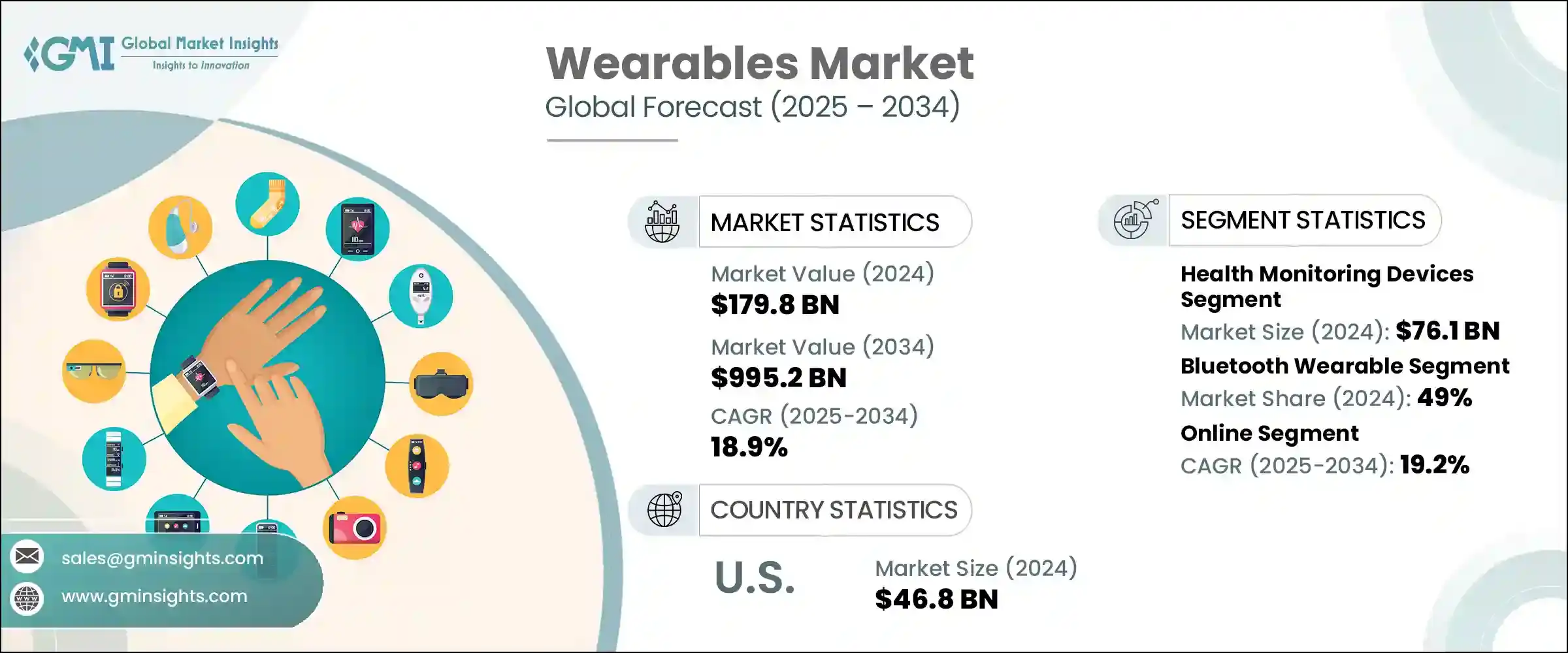
Credit: www.gminsights.com
Challenges And Future Prospects
Wearable technology holds incredible promise, but it also faces significant challenges that could affect how widely and effectively these devices are used. Understanding these hurdles helps you see where improvements are needed and what the future might hold. Let’s look closely at some key issues and what they mean for you as a user or developer.
Data Privacy Concerns
Wearables collect a lot of personal data, from your heart rate to location. This raises big questions about who owns that information and how securely it’s stored. Have you ever wondered how your health data is shared or protected?
Companies must build stronger encryption and clearer privacy policies to earn your trust. You should expect transparency about data use and easy ways to control what you share. Without this, many people will hesitate to fully embrace wearable tech.
Battery Life And Design Improvements
One frustration many users face is short battery life. No one wants to charge their device multiple times a day or carry bulky chargers around. Designers must find better battery solutions without making wearables heavier or less comfortable.
Improving materials and energy efficiency will make wearables more practical for everyday use. Imagine a fitness tracker that lasts a week on one charge or smart glasses light enough to forget you’re wearing them. These changes will push adoption forward.
Expanding Accessibility Worldwide
Wearable technology often remains expensive and focused on developed markets. This limits access for people in low-income or rural areas who could benefit greatly from health monitoring or connectivity. How can companies make wearables affordable and useful everywhere?
Building partnerships with governments and NGOs can help bring devices to underserved populations. Also, creating simpler, low-cost models tailored to specific needs will open new doors. Your support for inclusive technology can drive this change.
Frequently Asked Questions
How Does Wearable Technology Improve Healthcare Globally?
Wearable technology enables real-time health monitoring and early disease detection. It supports personalized treatments and remote patient care, reducing healthcare costs and improving outcomes worldwide.
Can Wearables Enhance Fitness And Lifestyle Management?
Yes, wearables track physical activity, sleep, and nutrition. They motivate users to maintain healthy habits, leading to better fitness and overall well-being.
What Role Do Wearables Play In Workplace Productivity?
Wearable devices monitor stress and ergonomics, promoting employee wellness. This leads to increased focus, reduced fatigue, and higher productivity in various work environments.
How Will Wearables Impact Data Privacy And Security?
Wearables collect sensitive data, raising privacy concerns. Ensuring strong encryption and user consent is crucial to protect personal information and maintain trust.
Conclusion
Wearable technology offers many benefits for the world. It improves health monitoring. It connects people easily. It helps track fitness goals. These devices can save time. They make life more convenient. They provide quick access to information. Wearables can assist in emergencies too.
The future looks promising with more advancements. They will continue to evolve and help society. The world will embrace wearable tech more. Everyday tasks will become simpler. People will feel more connected. Wearables will play a crucial role. Their impact will be significant.
Embrace this tech for a better tomorrow.
Leave a Reply