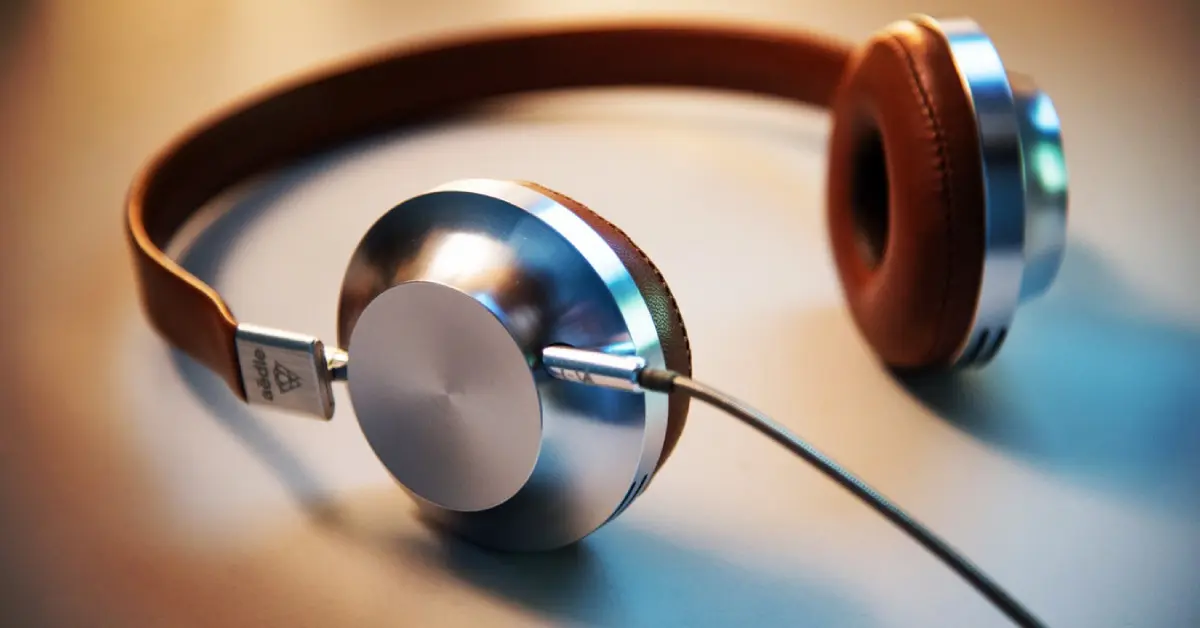
Have you ever stopped to think about what makes your headphones more than just a device for listening? They fit snugly, move with you, and sometimes even track your health.
But does that mean your headphones are actually wearable technology? If you want to understand how your everyday gadgets are changing and what that means for you, keep reading. This article will reveal surprising facts about headphones and why they might be more than just sound machines.
Don’t miss out on what could change the way you use your headphones forever.
Evolution Of Headphones
The evolution of headphones reflects a fascinating journey from simple audio devices to sophisticated pieces of wearable technology. Over the years, headphones have transformed in design, functionality, and user experience. Understanding this progression helps you appreciate how these devices fit into your daily life and technology ecosystem.
From Wired To Wireless
Headphones started with wires, tethering users to their music players or computers. This limited mobility and often caused frustration with tangled cords.
Wireless technology changed everything. Bluetooth connectivity freed users from cables, offering more freedom to move while listening. Have you noticed how much easier it is to jog, commute, or work without worrying about cords?
Wireless headphones also improved battery life and sound quality over time. You can now find models with long-lasting batteries that support hours of uninterrupted listening.
Integration Of Smart Features
Modern headphones do more than just play sound. Many now come equipped with smart features like voice assistants, touch controls, and sensors.
These features let you control music, answer calls, or check notifications without touching your phone. Imagine adjusting volume or skipping tracks with a simple tap or voice command—convenience at its best.
Some headphones even monitor your health by tracking heart rate or steps. Would you consider headphones as part of your fitness routine if they could provide such insights?
Defining Wearable Technology
Wearable technology is more than just a buzzword; it’s a category of devices designed to be worn on your body to enhance your daily life. These gadgets blend technology with convenience, offering real-time information and connectivity wherever you go. But what exactly makes a device “wearable,” and how do headphones fit into this picture?
Key Characteristics
Wearable technology usually shares a few clear traits. First, it must be worn on the body, whether on your wrist, head, or even clothing. This physical closeness allows the device to interact with your body or environment directly.
Second, wearables often feature sensors or smart functions that collect data or provide feedback. They don’t just play media; they track health, notify you of messages, or even control other devices.
Lastly, portability and continuous use are crucial. You should be able to wear the device comfortably throughout the day without needing to hold or carry it separately.
Examples Beyond Audio Devices
While headphones deliver audio and sometimes track fitness or provide voice assistant access, wearable technology spans far beyond sound. Think about fitness trackers like Fitbit or smartwatches like the Apple Watch—these devices monitor your heart rate, count steps, and even detect sleep patterns.
Smart glasses, such as Google Glass, offer augmented reality experiences by overlaying information onto your vision. Even smart clothing with embedded sensors can monitor muscle activity or temperature.
Have you noticed how these devices change the way you interact with technology daily? They blend seamlessly into your routine, providing useful data without interrupting your flow.
Headphones As Wearables
Headphones have evolved far beyond simple audio devices. They now fit into the wearable technology category. These devices combine sound with smart features. Users get more than music; they get a tech companion.
As wearables, headphones offer various functions. They enhance daily life and support health and connectivity. The blend of technology and comfort makes them popular.
Smart Headphones Features
Smart headphones include sensors and software. They adapt sound based on the environment. Noise cancellation blocks unwanted sounds. Some models adjust volume automatically. Touch controls replace buttons for ease. Firmware updates improve features over time.
Health And Fitness Monitoring
Many headphones track health data. They monitor heart rate and activity levels. Some detect body temperature changes. Fitness tracking helps users stay active. Data syncs with apps for insights. This makes headphones useful beyond listening.
Voice Assistants And Connectivity
Headphones connect seamlessly with devices. Built-in microphones support voice commands. Users can ask questions or control music. Voice assistants like Alexa or Siri work hands-free. Bluetooth ensures wireless freedom. Multi-device pairing improves convenience.
Credit: www.designboom.com
Impact On Audio Experience
Headphones have changed how people enjoy sound. They offer a new way to listen. The impact on audio experience is strong. It affects music, calls, and even gaming. Technology in headphones shapes this experience daily.
Enhanced Sound Quality
Modern headphones deliver clearer and richer sound. They use advanced drivers for better bass and treble. Listeners can hear details missed before. This clarity makes music more enjoyable. It brings out the artist’s true sound.
Personalized Listening
Many headphones adjust sound based on the listener. They use apps to set preferences. Some measure ear shape to tune audio perfectly. This customization creates a unique sound experience. It helps users hear sound how they like it.
Noise Cancellation And Safety
Noise cancellation blocks unwanted background noise. It helps focus on music or calls. Some headphones balance noise reduction with safety. They allow important sounds like traffic to be heard. This feature protects users in busy places.
Future Trends In Audio Wearables
The world of audio wearables is evolving fast, and the future promises devices that do much more than just play sound. As technology advances, headphones are becoming smarter, more immersive, and comfortable for longer use. What innovations will shape your next listening experience?
Ai Integration
Imagine headphones that learn your listening habits and adjust settings automatically. AI can personalize sound profiles based on the environment, whether you’re in a noisy cafe or a quiet room. This means clearer calls, better noise cancellation, and music that sounds exactly how you like it.
AI also helps with voice commands and real-time language translation, making your headphones a powerful communication tool. Have you ever wished your device could understand you better? AI is making that a reality.
Augmented Reality Audio
Audio wearables are moving beyond traditional sound delivery. Augmented reality (AR) audio blends digital sounds with the real world, enhancing your surroundings. Picture walking through a museum and hearing detailed commentary right in your ears, without needing extra devices.
AR audio can also boost gaming and fitness by adding spatial sounds that respond to your movements. This makes experiences more immersive and interactive. How could AR audio change the way you interact with your environment?
Battery And Comfort Innovations
Long hours of use demand better battery life and comfort. Future headphones will likely feature batteries that last multiple days on a single charge. Some designs are exploring energy harvesting, using your movement or body heat to extend battery life.
Comfort is equally important, with new materials that are lightweight, breathable, and adapt to your ear shape. This means you can wear your headphones all day without discomfort or fatigue. Would you invest in headphones that feel like they were made just for you?
Credit: www.nytimes.com
Challenges And Considerations
Headphones as wearable technology bring exciting benefits, but they also come with challenges you should consider. Balancing convenience with safety and ethics is key. Understanding these issues can help you make smarter choices about your tech use.
Privacy Concerns
Smart headphones often collect data to improve your experience. This can include your location, listening habits, and even voice commands. Are you comfortable sharing this kind of personal information with companies?
Think about how your data might be used beyond the intended purpose. Unauthorized access or data leaks could expose your private details. Always check privacy settings and permissions on your device.
Health Implications
Wearing headphones for long periods can affect your hearing. Listening at high volumes risks permanent damage. Have you noticed ringing in your ears after using headphones?
Some wireless headphones emit low levels of radiation. Although research is ongoing, it’s wise to limit exposure when possible. Taking breaks and lowering volume levels protects your long-term ear health.
Affordability And Accessibility
High-quality wearable headphones can be expensive, putting them out of reach for many. This creates a gap where only some people benefit from advanced features like noise cancellation or health monitoring.
Accessibility also matters. Are the headphones comfortable for all ear shapes? Do they offer features for people with hearing impairments? Technology should be inclusive, but many products still fall short.
Credit: medium.com
Frequently Asked Questions
Are Headphones Considered Wearable Technology?
Yes, headphones are wearable technology as they are worn on the body. They integrate electronic components for audio and connectivity, enhancing user experience.
What Features Make Headphones Wearable Technology?
Headphones include features like wireless connectivity, sensors, and smart assistants. These elements classify them as advanced wearable devices beyond basic audio tools.
How Do Smart Headphones Improve User Experience?
Smart headphones offer noise cancellation, voice control, and health tracking. These features provide convenience, better sound quality, and added functionality for users.
Can Headphones Track Fitness Or Health Data?
Some headphones have built-in sensors to monitor heart rate and activity. This capability adds a health tracking dimension to their wearable technology status.
Conclusion
Headphones clearly fit the wearable technology category. They offer more than sound. With advancements, they track health, enhance calls, and even translate languages. Their portability makes them a daily companion. Users enjoy comfort and functionality without bulky gadgets. As technology evolves, headphones continue to integrate new features.
They are not just for music anymore. Truly, they have become essential in modern life. As wearable tech grows, headphones will likely lead the charge. Stay tuned for more innovations in this space.
Leave a Reply