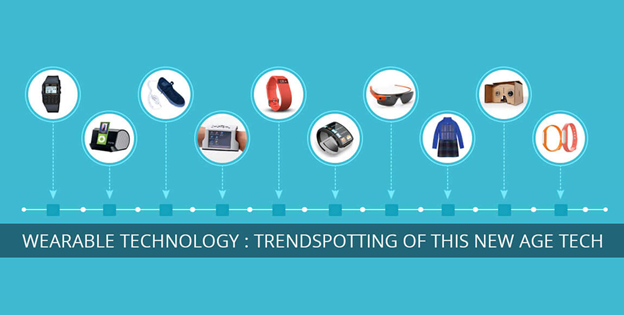
Imagine having a device that tracks your health, keeps you connected, and even boosts your productivity—all without interrupting your day. Wearable technology has transformed the way you live, work, and play in ways you might not even realize.
From smartwatches to fitness bands, these gadgets have become an essential part of your daily routine. Curious how they’ve changed everything around you? Keep reading to discover the surprising ways wearable tech is reshaping your world and why you should pay attention right now.
Rise Of Wearable Tech
Wearable technology has changed how people interact with devices daily. Small gadgets worn on the body track health, fitness, and more. This rise of wearable tech shows how technology fits into life easily. Devices now do more than just tell time or count steps.
Wearables blend convenience with smart features. They bring useful data right to users’ wrists or ears. This trend grew fast over the last decade. It has shaped new habits and ways to stay connected.
Early Innovations
The first wearable devices appeared in the 1980s and 1990s. Early models focused on basic functions like counting steps. They were bulky and had limited battery life. Smartwatches and fitness trackers started as simple gadgets.
Some early wearables tracked heart rate or sleep patterns. These features helped users understand their health better. Though primitive, they set the stage for advanced devices later.
Growth In Popularity
Wearable tech gained real popularity in the 2010s. Advances in sensors and wireless tech made devices smaller and smarter. More brands joined the market, offering many styles and prices.
- Fitness trackers became common for everyday use.
- Smartwatches added notifications and apps.
- Health monitoring features improved accuracy.
People began relying on wearables for motivation and health tracking. The rise of smartphones also helped wearables connect and share data. Today, these devices are part of many lives, blending tech with daily routines.
Health And Fitness Impact
Wearable technology has transformed how you manage your health and fitness daily. It puts powerful tools on your wrist or in your pocket, making it easier to stay motivated and informed. These gadgets do more than count steps—they shape healthier habits and smarter choices.
Activity Tracking
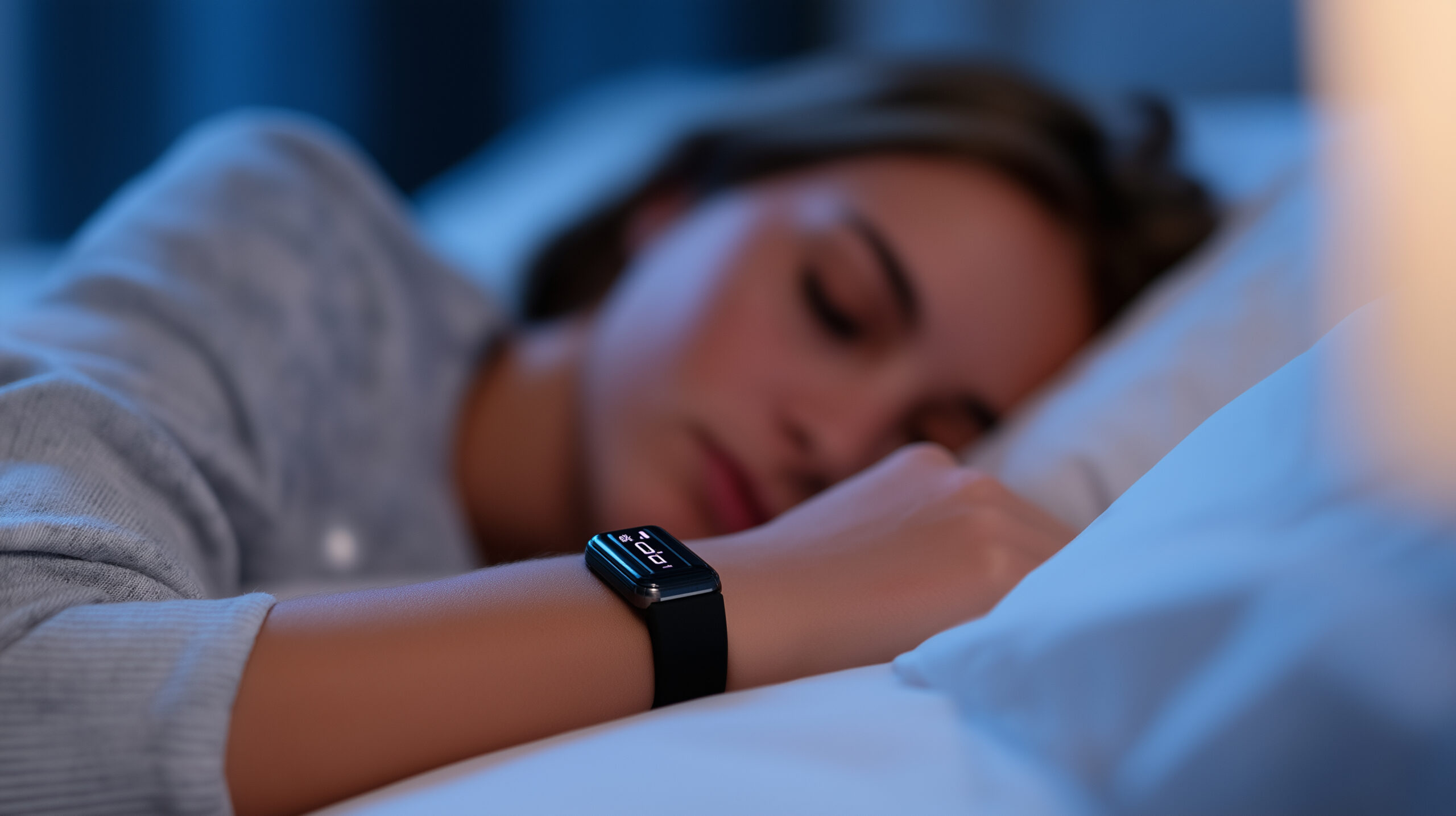
Wearables track your movements all day, from walking and running to sleeping. They provide clear data on calories burned, distance traveled, and active minutes. Seeing your progress in real time can push you to take an extra lap or choose the stairs over the elevator.
Have you noticed how a simple step count challenge with friends can boost your motivation? This social aspect keeps you accountable without feeling like a chore.
Health Monitoring
Many devices now monitor vital signs like heart rate, blood oxygen, and even stress levels. This continuous tracking helps spot early warning signs you might miss otherwise.
For example, some wearables alert you if your heart rate is unusually high or low, prompting timely medical attention. This can be lifesaving, especially for those with chronic conditions.
Personalized Feedback
Wearables analyze your data and offer tailored advice, turning raw numbers into actionable steps. Instead of generic tips, you get guidance suited to your unique body and lifestyle.
Imagine receiving a reminder to hydrate more after noticing your activity level increased or a suggestion to improve your sleep quality based on your patterns. This personal touch helps you improve steadily and realistically.
Enhancing Communication
Wearable technology has changed how people communicate daily. It offers new ways to stay connected without needing a phone. This technology helps users send messages, make calls, and receive notifications instantly. Communication becomes quicker and more natural. Wearables fit seamlessly into everyday life, making interaction easier and more flexible.
Smartwatches And Connectivity
Smartwatches connect directly to smartphones and networks. They allow users to receive calls and messages on their wrist. This reduces the need to pull out a phone frequently. Notifications appear instantly, keeping users informed at all times. Many smartwatches support apps for social media and emails. Users can reply to texts or check updates without interrupting activities. This connectivity keeps people linked to their world effortlessly.
Hands-free Interaction
Wearables support hands-free communication through voice commands. Users can make calls or send messages by speaking. This feature is helpful during driving or workouts. Voice assistants like Siri or Google Assistant respond quickly. They understand simple commands and execute tasks. Hands-free interaction improves safety and convenience. It allows multitasking without losing touch with others.

Credit: medium.com
Workplace Transformation
Wearable technology has changed how people work in many ways. It helps workers stay connected, safe, and efficient. These devices are small but powerful tools that improve daily tasks. Workplaces are becoming smarter and more responsive to workers’ needs.
Productivity Boost
Wearables help employees complete tasks faster and with fewer mistakes. Smartwatches and fitness trackers remind workers to take breaks and move. This reduces fatigue and keeps focus sharp. Devices can send alerts for meetings or deadlines. Hands-free communication allows quick updates without stopping work. These tools make it easier to manage time and tasks efficiently.
Safety And Monitoring
Wearables improve safety by tracking workers’ health and surroundings. Sensors can detect falls or unusual heart rates. This alerts supervisors to help immediately. In hazardous jobs, wearables monitor exposure to heat, chemicals, or noise. Real-time data helps prevent accidents before they happen. Employers use these insights to create safer work environments.
Entertainment And Lifestyle
Wearable technology has changed how people enjoy entertainment and live daily life. Devices like smartwatches, fitness bands, and smart glasses bring new experiences. These gadgets offer convenience and new ways to interact with media and surroundings. They blend technology into lifestyle, making entertainment more personal and accessible.
Augmented Reality
Augmented reality (AR) overlays digital content on the real world. Wearable AR devices let users see virtual objects in their environment. This technology enhances gaming, shopping, and learning experiences.
- AR glasses show directions and notifications without looking at a phone.
- Games become immersive with 3D characters interacting in real spaces.
- Virtual try-ons help users check clothes or accessories before buying.
AR wearables create a seamless mix of digital and physical worlds. They bring excitement to daily activities and change how users connect with entertainment.
Music And Media Access
Wearable devices provide easy access to music and media anytime. Smartwatches and wireless earbuds let users control playlists without using a phone. This freedom improves the listening experience during workouts or travel.
- Voice commands allow hands-free music control.
- Streaming apps on wearables offer a vast library of songs and podcasts.
- Notifications keep users updated on new releases and events.
Wearable technology makes media more convenient and portable. It fits entertainment into busy lifestyles with quick, simple access.
Challenges And Concerns
Wearable technology offers many benefits but also brings several challenges and concerns. These issues affect users and developers alike. Understanding these challenges helps improve future devices and user trust.
Privacy Issues
Wearables collect personal data like location, health, and activity. This information can reveal sensitive details about users’ lives. Many worry about who can see their data and how it is used. Without strong rules, privacy risks increase. Users may feel uncomfortable sharing personal information.
Data Security
Data security is a major concern for wearable devices. Hackers can target wearables to steal personal or health data. Weak passwords and outdated software make devices vulnerable. Protecting data requires constant updates and strong encryption. Users must be aware of security risks and take precautions.
Device Limitations
Wearable technology still faces technical limits. Battery life often restricts long usage. Some devices lack accuracy in tracking health data. Small screens can limit ease of use. Comfort and design also affect user experience. These limits slow wider adoption and satisfaction.
Future Trends
The future of wearable technology promises exciting changes that will directly impact your daily life. These devices will become smarter, more intuitive, and deeply connected to your health and environment. Are you ready to see how these advancements might shape your world?
Advanced Sensors
Wearables will soon feature sensors that detect more than just steps and heart rate. Imagine a device that can monitor hydration levels, blood sugar, or even stress hormones in real time.
These sensors will provide precise data, helping you make smarter health choices on the spot. If your wearable can alert you about dehydration before you feel thirsty, how might that change your routine?
Integration With Ai
AI will transform your wearable from a passive tracker into an active assistant. It will analyze patterns, predict potential health issues, and offer personalized advice tailored to your lifestyle.
This means your device won’t just collect data; it will help you understand it and suggest actionable steps. How valuable would it be to have a personal coach guiding your fitness or wellness goals anytime, anywhere?
Wearables In Healthcare
Wearable technology is moving beyond fitness into serious healthcare applications. Devices are already helping monitor chronic conditions like diabetes and heart disease, allowing doctors to provide better care remotely.
This shift means fewer hospital visits and more proactive management of your health. Would you feel more secure knowing your wearable could alert you and your doctor to early warning signs?
Credit: www.tatvasoft.com
Credit: www.nuritas.com
Frequently Asked Questions
How Has Wearable Technology Improved Health Monitoring?
Wearable technology enables real-time health tracking, helping users monitor vital signs easily. It promotes early detection of health issues and supports personalized fitness goals. This tech empowers users to maintain healthier lifestyles and share data with healthcare providers for better treatments.
What Industries Benefit Most From Wearable Technology?
Healthcare, fitness, and sports industries gain major advantages from wearable tech. It enhances patient care, boosts athletic performance, and improves workplace safety. Additionally, sectors like manufacturing and logistics use wearables to monitor employee health and productivity effectively.
How Do Wearables Enhance User Convenience Daily?
Wearable devices offer hands-free access to notifications, calls, and apps, saving time. They track activities automatically and sync data seamlessly with smartphones. This convenience helps users stay connected and manage tasks without interrupting their routines.
What Role Do Wearables Play In Fitness Tracking?
Wearables accurately track steps, calories, heart rate, and sleep patterns. They provide personalized feedback to optimize workouts and recovery. This data-driven approach motivates users to achieve fitness goals and maintain consistent exercise habits.
Conclusion
Wearable technology has changed the way we live daily. It keeps us connected and informed. Health tracking has become easier and more efficient. People now have more control over their wellness. Smartwatches, fitness bands, and smart clothing offer great benefits.
These devices make tasks simpler and more convenient. The future of wearable tech looks promising. With advancements, it will become even more integrated into our lives. Users will likely see more features and improvements soon. Embracing this technology can enhance our lifestyles.
Wearables continue to inspire innovation and creativity across industries.
Leave a Reply