Have you ever wondered how big the wearable technology industry really is? Whether you own a smartwatch, fitness tracker, or smart glasses, you’re part of a market that’s growing fast.
But just how much money is flowing through this industry? Understanding its worth can give you a clearer picture of where technology is headed—and how it might impact your life and choices. Keep reading to discover the surprising numbers behind wearable tech and what they mean for you.
Market Size And Growth
The wearable technology industry has grown into a significant sector of the global market. Its size and growth reflect rising consumer interest and advances in technology. Understanding these aspects gives insight into the industry’s current and future value.
Current Market Valuation
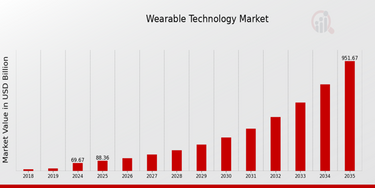
The wearable technology market is valued at over $60 billion as of 2024. This includes smartwatches, fitness trackers, smart glasses, and other connected devices. Consumers use these devices for health, communication, and entertainment.
Asia and North America lead in market share due to high tech adoption. The market continues to expand with new product launches and innovations.
Historical Growth Trends
Wearable technology has shown steady growth over the past decade. In 2014, the market was worth around $10 billion. Since then, annual growth rates have averaged 15% to 20%.
Growth is driven by increasing health awareness and advances in miniaturization. More affordable devices have also helped boost sales worldwide.
Projected Market Expansion
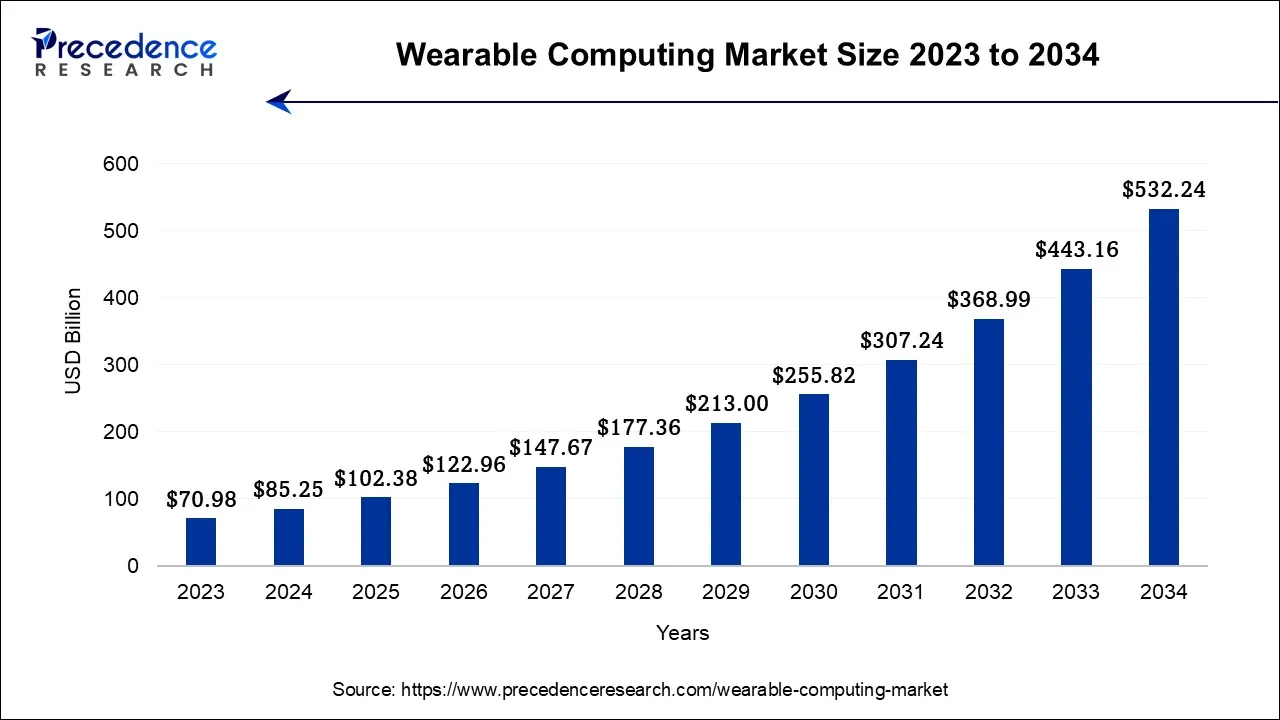
Experts predict the market will reach $150 billion by 2030. This growth will come from new applications in healthcare, sports, and fashion. Emerging markets will play a key role in driving demand.
Innovation in battery life and sensors will improve device usability. Companies are also exploring integration with AI and the Internet of Things (IoT).
Key Market Segments
The wearable technology industry covers many types of devices. Each segment targets different users and needs. These segments shape the market’s value and growth potential.
Understanding key market segments helps grasp the industry’s worth and future trends. The main areas include fitness, smartwatches, medical devices, and augmented or virtual reality.
Fitness And Health Devices
Fitness and health devices track physical activity and vital signs. They help users monitor steps, heart rate, sleep, and calories burned. Popular products include fitness bands and smart rings. This segment appeals to people focused on wellness and exercise.
Smartwatches And Wearable Computers
Smartwatches offer more than timekeeping. They connect to smartphones and run apps. Wearable computers provide computing power on the wrist. These devices support calls, messages, and notifications. Their multifunctional use attracts tech-savvy consumers.
Medical Wearables
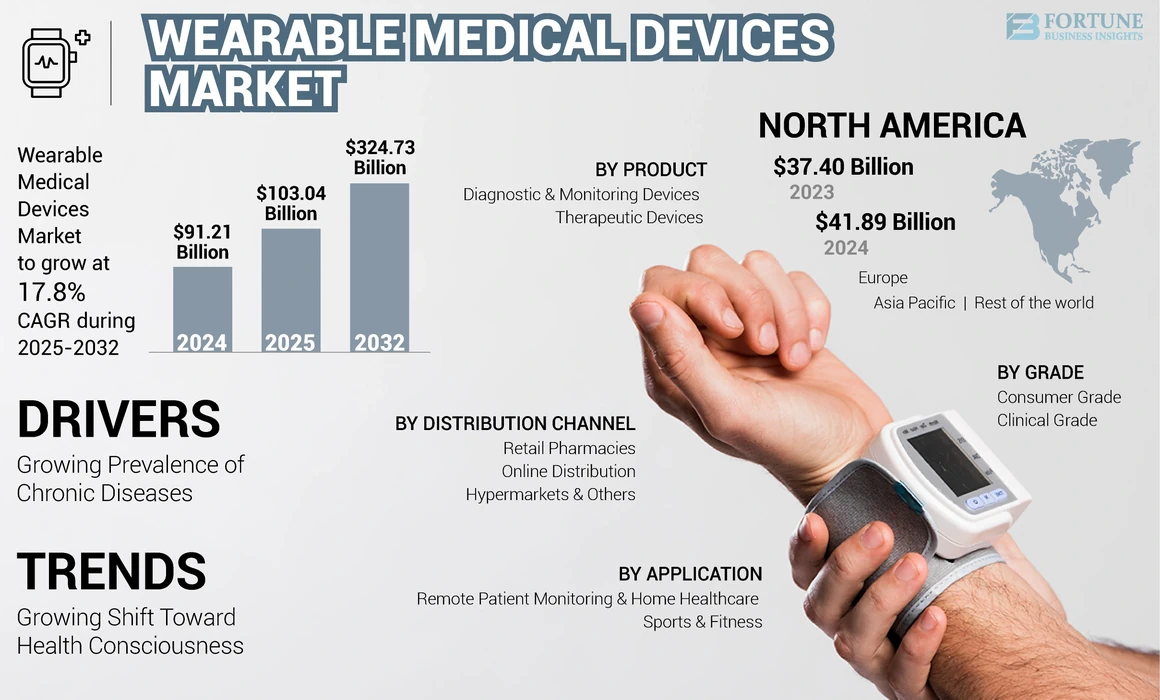
Medical wearables assist in health monitoring and management. They track blood pressure, glucose levels, and oxygen saturation. These devices support chronic disease management and remote patient care. Hospitals and patients rely on them for real-time data.
Augmented Reality And Virtual Reality Devices
AR and VR devices create immersive experiences. AR overlays digital content on the real world. VR offers fully virtual environments for gaming and training. These wearables find use in entertainment, education, and professional fields.
Regional Market Analysis
The wearable technology industry shows varied growth across different regions. Each region has unique drivers affecting market size and potential. Understanding these regional trends helps grasp the industry’s global value.
North America
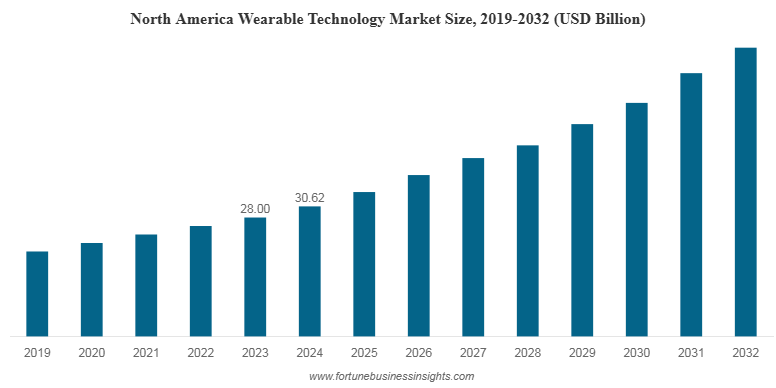
North America leads in wearable tech adoption. High consumer spending and tech awareness drive demand. The U.S. dominates with strong healthcare and fitness sectors. Many startups and established brands invest heavily here. This region holds a significant share of the global market.
Europe
Europe follows closely with steady growth. Countries like Germany, the UK, and France show high interest. Wearables here focus on health monitoring and lifestyle improvement. Strict data privacy laws shape product development. European consumers prefer reliable and secure devices.
Asia-pacific
Asia-Pacific is the fastest-growing market. Large populations and rising income fuel demand. China, India, and Japan lead in production and consumption. Smartwatches and fitness trackers gain popularity. Urban areas drive most of the sales growth in this region.
Rest Of The World
Other regions show emerging interest in wearables. Latin America and the Middle East invest in health tech. Africa’s market remains small but promising. Increasing mobile penetration supports wearable adoption. Growth here depends on infrastructure and affordability.
Driving Factors
The wearable technology industry is booming, and several key factors are pushing its growth forward. Understanding these drivers helps you see why this market is expanding rapidly and what to expect next. Whether you’re a consumer, a business, or just curious, knowing what fuels this trend can guide your choices and investments.
Technological Advancements
Wearables today benefit from smarter sensors, longer battery life, and better connectivity. Devices can track your heart rate, sleep, and even detect stress with surprising accuracy. These improvements make wearables more reliable and user-friendly, encouraging more people to try and keep using them.
Think about your own experience with a fitness tracker or smartwatch. Did you stop using it because it was uncomfortable or inaccurate? Chances are, newer models address those issues, making technology a big reason for the industry’s rise.
Consumer Demand And Lifestyle Trends
People want to take control of their health and fitness like never before. Wearable tech fits perfectly into busy lives by offering quick, real-time feedback on activity levels and wellness. This demand is not just about fitness; many seek convenience, style, and connection.
How often do you check your wearable for notifications or health stats? That constant engagement shows how these devices have become part of everyday life. The desire to stay informed and motivated drives sales and keeps users coming back.
Corporate And Healthcare Adoption
Companies are using wearables to boost employee wellness and productivity. By monitoring physical activity and stress, employers can tailor health programs and reduce sick days. This practical use is opening new revenue streams and expanding market reach.
Healthcare providers are also tapping into wearables to monitor patients remotely. Early detection of health issues through continuous data collection can save lives and reduce hospital visits. Could your next check-up be powered by the data from a device you already wear?
Challenges Facing The Industry
The wearable technology industry grows fast but faces many challenges. These obstacles can slow down progress and affect user trust. Understanding these issues helps explain the industry’s current value and future potential.
Privacy And Security Concerns
Wearable devices collect a lot of personal data. This includes health, location, and daily habits. Protecting this information is tough. Hacks and data leaks can harm users. Many people worry about how companies use their data. These concerns limit wider adoption of wearable tech.
High Production Costs
Making wearable devices is expensive. Small size and advanced features require costly parts. Research and development add to expenses. High costs make devices pricey for many customers. This limits market growth and product availability.
Regulatory Issues
Wearable technology must meet strict rules. Different countries have various regulations on safety and data use. Navigating these laws can delay product launches. Companies spend time and money to comply with rules. This complexity affects the industry’s speed and size.
Credit: www.fortunebusinessinsights.com
Key Players And Market Share
The wearable technology industry thrives due to many key players. These companies shape the market and control large shares. Understanding who leads helps grasp the industry’s value and direction.
Market share reflects the strength and reach of each brand. It shows which products users prefer and trust. The competition drives innovation and better choices for consumers.
Leading Manufacturers
Big companies dominate the wearable tech market. Apple leads with its Apple Watch, known for style and health features. Samsung follows with its Galaxy Watch series. Fitbit, owned by Google, focuses on fitness trackers and health insights. Garmin targets outdoor and sports enthusiasts with rugged devices.
Emerging Startups
Newcomers bring fresh ideas and unique designs. Startups often focus on niche markets like health monitoring or fashion. Companies like Whoop and Oura ring stand out for sleep and recovery tracking. These innovators challenge big brands with specialized technology.
Competitive Landscape
The market is highly competitive with constant innovation. Brands fight to improve battery life, sensors, and user experience. Price and features play a big role in customer choice. Partnerships with health and tech firms boost product appeal. This competition benefits consumers with better and diverse options.
Future Trends
The wearable technology industry is evolving fast, and understanding future trends helps you see where your investments or interests might grow. These trends don’t just promise new gadgets; they point to smarter, more connected, and more useful devices that fit seamlessly into your daily life. Let’s look at the key directions shaping the industry’s next phase.
Integration With Ai And Iot
Wearable devices are becoming smarter by adding artificial intelligence and connecting with the Internet of Things (IoT). This means your smartwatch or fitness tracker won’t just collect data—they’ll analyze it and offer personalized recommendations in real time.
Imagine a fitness band that not only tracks your heart rate but also learns your habits and suggests the best times to work out or rest. This kind of integration makes wearables more than tools; they become your personal health coach and smart assistant.
Advancements In Battery And Sensor Technology
Battery life has always been a limitation for wearables, but new technologies are pushing those boundaries. Smaller, longer-lasting batteries will let you wear devices for days without recharging, making your experience hassle-free.
At the same time, sensors are getting more accurate and versatile. This means wearables can measure more health markers, from blood oxygen levels to stress indicators, with greater precision. How much would you rely on a device that can alert you to health issues before symptoms appear?
Expansion Into New Applications
Wearables are no longer just for fitness or notifications. They are expanding into areas like healthcare, workplace safety, and even fashion. For example, some devices now monitor chronic conditions remotely, allowing doctors to track patients without frequent visits.
In industries like construction or manufacturing, wearables improve safety by detecting hazardous conditions or worker fatigue in real time. This growth into new fields means the wearable market is set to attract diverse users and create fresh opportunities for innovation.
Credit: www.precedenceresearch.com
Credit: www.fortunebusinessinsights.com
Frequently Asked Questions
How Much Is The Wearable Technology Industry Worth Today?
The wearable technology industry is valued at approximately $100 billion as of 2024. It continues to grow rapidly due to rising consumer demand and technological advancements.
What Factors Drive Growth In Wearable Technology Market?
Key drivers include health monitoring, fitness tracking, improved connectivity, and integration with smartphones. Innovation and increasing adoption in healthcare also boost market expansion.
Which Segments Dominate The Wearable Technology Industry?
Smartwatches and fitness trackers lead the market, followed by hearables and smart glasses. Healthcare wearables are also gaining significant traction globally.
How Is The Wearable Technology Market Expected To Grow?
The market is projected to grow at a CAGR of around 15% over the next five years. This growth is fueled by new applications and rising consumer interest.
Conclusion
The wearable technology industry continues to grow rapidly. Its worth is impressive. More people are using smartwatches and fitness trackers daily. This trend shows no sign of slowing. Companies invest heavily in wearable tech. They aim to meet rising demand.
Consumers appreciate the convenience and innovation. They seek devices that enhance daily life. The market’s value reflects this growing interest. As technology advances, expect further growth. Wearable tech offers endless possibilities. Its future looks bright and promising. Stay informed on industry trends.
Keep an eye on new developments. Exciting times lie ahead for wearable technology.
Leave a Reply