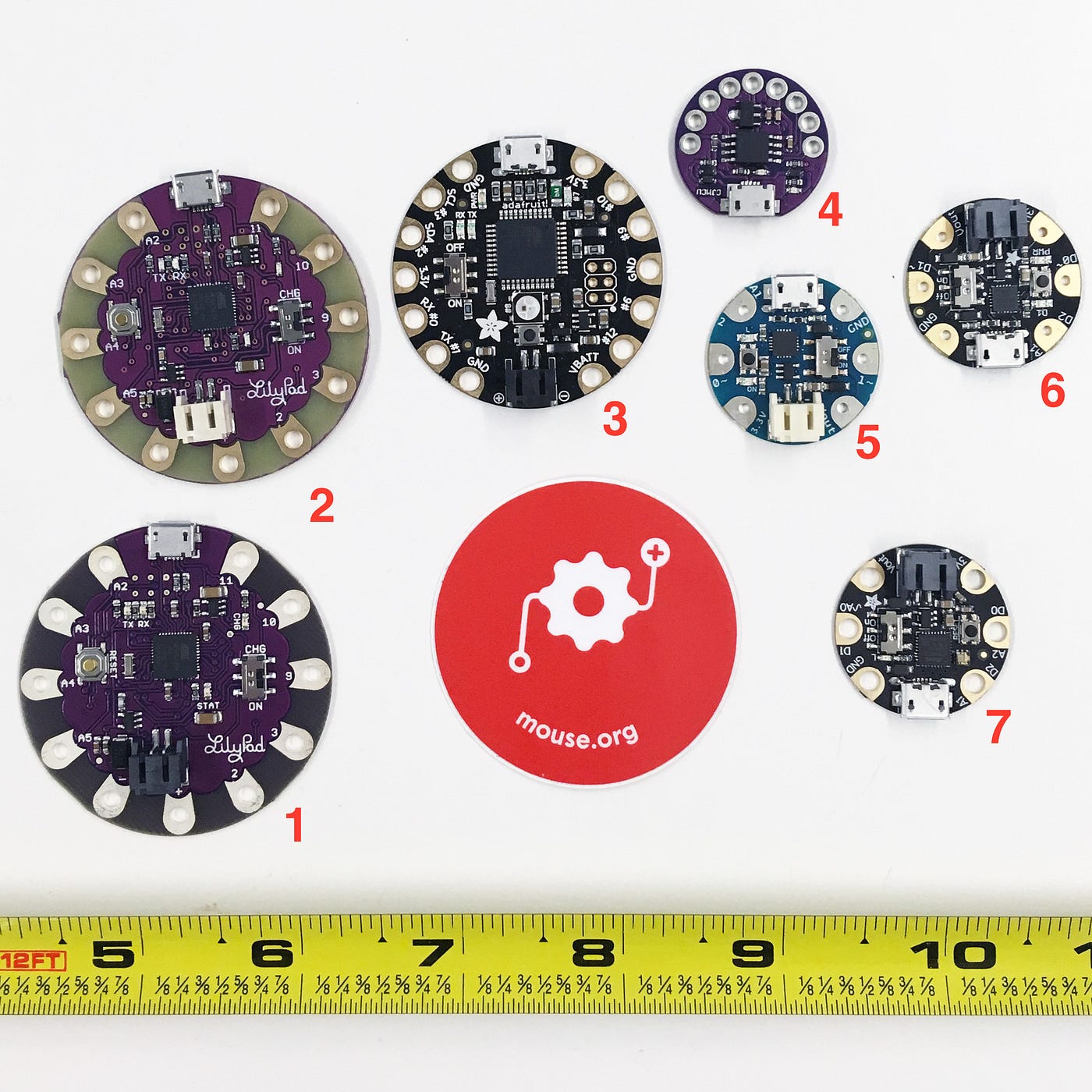
Imagine creating your own wearable gadget that tracks your health or lights up with your favorite colors—without needing a huge budget or advanced skills. Arduino has made this possible for you and countless others.
But how exactly has Arduino changed the game for wearable technology? If you’ve ever wondered how DIY tech meets fashion, or how simple tools can power smart accessories, this article is for you. Keep reading to discover how Arduino puts innovation right at your fingertips and why it might be the key to your next wearable project.

Credit: medium.com
Arduino’s Role In Wearable Tech
Arduino has played a significant role in shaping wearable technology by making it accessible and adaptable for creators and developers. Its affordable hardware and open-source platform have lowered the barriers to entry, allowing you to experiment and build wearable devices without a hefty investment. Let’s dive into how Arduino supports wearable tech through affordability, community support, and customization.
Affordable Prototyping For Designers
Arduino boards are cost-effective, which means you don’t need a big budget to start designing wearable devices. This affordability encourages you to prototype quickly and test ideas without worrying about wasting expensive components.
Because Arduino components are widely available, you can easily replace or upgrade parts as you refine your wearable designs. This flexibility lets you focus on innovation instead of budgeting constraints.
Open-source Community Impact
The Arduino community is vast and active, sharing countless projects, tutorials, and code snippets that you can use to jumpstart your wearable tech journey. You’re not alone when you face challenges; the community often has ready solutions or advice.
Access to open-source resources means you can learn from others’ experiences and avoid common pitfalls. Have you ever struggled to find reliable wearable tech examples? Arduino’s community-driven content can guide you through those hurdles.
Customization And Flexibility
With Arduino, you have the freedom to tailor wearable devices to fit specific needs or preferences. You’re not limited to pre-built functionalities, so you can add sensors, lights, or connectivity options based on your project’s goals.
This flexibility encourages creativity and problem-solving, helping you develop truly unique wearables. What features would you prioritize if you could customize every aspect of your wearable tech?
Key Innovations Enabled By Arduino
Arduino has sparked a wave of innovation in wearable technology by making complex electronics accessible and customizable. Its open-source nature lets creators experiment freely, turning ideas into practical devices. Here are some key areas where Arduino has made a real impact on wearables you might use or even build yourself.
Health Monitoring Devices
Arduino boards have empowered developers to build affordable health trackers that monitor heart rate, body temperature, and even sleep patterns. You can find DIY projects that help manage chronic conditions by tracking vital signs in real time.
Imagine customizing a device to alert you when your heart rate exceeds a set limit. This kind of personalized health monitoring wasn’t easy before Arduino’s flexibility. How could you use such a device to improve your daily health routine?
Interactive Fashion
Wearable tech isn’t just about function—it’s also about style. Arduino allows designers to add lights, sensors, and movement to clothing, creating outfits that react to your environment or mood.
Think of a jacket that lights up as you walk or a dress that changes color based on temperature. These innovations invite you to express yourself in ways traditional fashion can’t. What interactive feature would you want in your wardrobe?
Environmental Sensors
Arduino-powered wearables can track environmental factors like air quality, UV exposure, and humidity. These sensors give you instant feedback about your surroundings, helping you make safer choices.
For example, a wristband could warn you when pollution levels rise or UV rays become harmful. This real-time data can change how you plan outdoor activities. Could such feedback change the way you interact with your environment every day?
Arduino Vs Traditional Wearable Tech Development
Arduino has changed how developers create wearable technology. Traditional methods often require expensive tools and deep technical knowledge. Arduino offers a more open and accessible platform. This shift makes wearable tech development easier and faster for many people.
Cost And Accessibility
Traditional wearable tech development needs costly hardware and software. Companies spend thousands on specialized equipment. Arduino boards cost much less, often under $50. This low cost helps hobbyists and students start projects quickly. Arduino also supports many sensors and modules that are affordable and easy to find. Access to open-source code and community support makes development even simpler.
Speed Of Development
Traditional development can take months or years. Engineers must design custom circuits and write complex code. Arduino simplifies this with ready-made boards and libraries. Developers can build prototypes in days or weeks. Rapid testing and modification speed up the process. This fast turnaround encourages creativity and experimentation in wearable tech.
Learning Curve And Resources
Learning traditional wearable tech development is often difficult. It requires knowledge of electronics, programming, and design. Arduino has a gentler learning curve. It uses simple programming languages like C++. Many tutorials, forums, and projects are available online. Beginners can follow step-by-step guides and learn by doing. This helps more people join the wearable tech community and innovate.
Challenges In Arduino-based Wearables
Arduino has boosted creativity in wearable technology. Still, it faces several challenges that affect performance and user experience. These challenges shape how developers design and improve wearables.
Power Consumption Issues
Arduino boards often use more power than small wearables need. Battery life becomes a major concern. Devices may require frequent charging or larger batteries. This limits wearability and user convenience. Efficient power management is essential for longer use.
Size And Comfort Constraints
Arduino components can be bulky for small, wearable devices. Size affects comfort and aesthetics. Users want wearables that feel light and natural. Designing compact circuits without losing functionality is tough. Comfort often competes with technical needs.
Durability And Reliability
Wearables face constant movement and environmental stress. Arduino boards and connections may fail under pressure or moisture. Ensuring long-lasting performance is challenging. Developers must protect electronics from damage. Reliable wearables build user trust and satisfaction.
Future Trends With Arduino In Wearables
Arduino continues to shape the future of wearable technology in exciting ways. Its open-source platform allows creators to build smarter, smaller, and more efficient devices. The blend of Arduino with other technologies will push the boundaries of what wearables can do.
Integration With Ai And Iot
Arduino devices are becoming smarter by connecting to AI and IoT systems. This allows wearables to learn from user habits and make real-time decisions. They can collect data and send it to other devices or cloud services. This interaction improves user experience and device functionality. Expect more wearables that adapt and respond automatically.
Advancements In Sensor Technology
New sensor developments make Arduino wearables more accurate and versatile. Sensors can now detect a wider range of physical and environmental changes. These include heart rate, temperature, motion, and even air quality. Smaller and cheaper sensors help keep devices lightweight and affordable. This progress allows wearables to monitor health and surroundings better.
Expanding Applications In Healthcare
Healthcare uses of Arduino wearables are growing fast. Devices can monitor vital signs and alert users or doctors to problems. They support remote patient monitoring and personalized treatment plans. Arduino’s flexibility helps create custom devices for different medical needs. This trend improves health outcomes and reduces hospital visits.

Credit: www.youtube.com

Credit: makezine.com
Frequently Asked Questions
How Has Arduino Influenced Wearable Technology Development?
Arduino offers an easy-to-use platform for prototyping wearables. It enables rapid testing and customization, speeding innovation. Its open-source nature encourages creativity and collaboration among developers worldwide, making wearable tech more accessible and affordable.
What Benefits Does Arduino Bring To Wearable Devices?
Arduino reduces costs and development time for wearables. It supports various sensors and modules, enhancing device functionality. Its compact size and low power consumption suit wearable needs perfectly, promoting versatile and efficient designs.
Can Arduino Improve Wearable Tech Customization?
Yes, Arduino allows users to program personalized features. Developers can tailor wearable devices to specific health, fitness, or lifestyle needs. This flexibility makes wearables more user-centric and adaptable to changing requirements.
Why Is Arduino Popular In Wearable Technology Education?
Arduino is beginner-friendly and widely supported by tutorials. It helps students understand electronics and coding through hands-on wearable projects. This practical approach boosts learning and inspires innovation in wearable tech fields.
Conclusion
Arduino has made wearable technology more accessible and innovative. It empowers creators with easy-to-use tools. People can now create custom wearables at home. Arduino’s open-source platform encourages creativity and learning. This has led to diverse wearable applications. Fitness trackers, health monitors, and smart clothing are just a few examples.
More people now explore technology and design. Wearables continue to evolve, thanks to Arduino’s influence. The future looks bright for new ideas and solutions. Arduino will remain a key player in wearable tech advancements. Exciting developments await in this growing field.
Leave a Reply