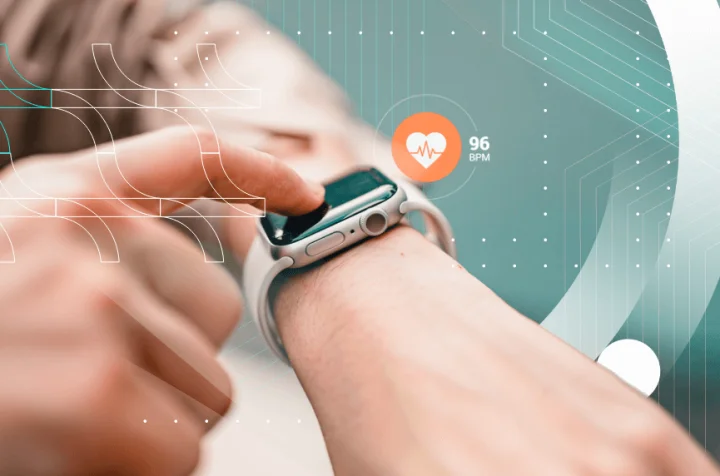
Have you ever wondered how medical wearable technology actually works to keep track of your health? These small devices might seem simple, but they use clever technology to monitor your body in real time.
Understanding how they operate can help you make smarter choices about your health and wellbeing. You’ll discover the secrets behind these gadgets and how they gather the information that can change your life. Keep reading to unlock the mystery and see how medical wearables can become your personal health assistant.

Credit: advanced.onlinelibrary.wiley.com
Medical Wearable Technology Basics
Medical wearable technology has transformed how you manage health daily. These devices collect real-time data, helping you and your healthcare providers make informed decisions quickly. Understanding the basics can help you choose the right wearable and get the most from its features.
Key Components
Every medical wearable combines a few essential parts to work effectively. Sensors detect physical signals like heart rate, temperature, or movement. A processor then analyzes this data, turning it into useful information.
Connectivity modules, such as Bluetooth or Wi-Fi, send the data to your smartphone or cloud storage. Batteries power the device, often designed for long-lasting use without frequent charging. Together, these parts create a seamless user experience.
Types Of Devices
You’ll find many types of medical wearables, each designed for specific health needs. Fitness trackers monitor activity levels and sleep patterns. Continuous glucose monitors help people with diabetes track blood sugar without finger pricks.
Other devices include smartwatches with ECG capabilities, blood pressure monitors, and wearable patches that track hydration or stress. Which device fits your lifestyle and health goals?
Core Functions
At their core, these devices track, analyze, and alert. They track vital signs continuously, providing a picture of your health throughout the day. Analysis happens locally or through apps that identify trends and abnormalities.
Alerts notify you or your doctor when something requires attention, such as abnormal heart rhythms. This immediate feedback can prevent emergencies and improve ongoing care. How often do you think your health data could help you avoid a crisis?

Credit: www.jacc.org
Data Collection Methods
Medical wearable technology collects health data to track a user’s physical condition. It uses various tools and techniques to gather important information. These data collection methods help in monitoring vital signs and other health indicators effectively.
Accurate data collection is essential for timely health insights. This section explains how sensors, real-time tracking, and data accuracy challenges work together in wearables.
Sensors And Tracking
Sensors are the core components in medical wearables. They detect body signals like heart rate, temperature, and movement. Common sensors include:
- Optical sensors for pulse measurement
- Accelerometers for motion detection
- Electrodes for electrical activity
- Temperature sensors for body heat
These sensors collect raw data and send it to the device’s processor. The processor then converts data into readable health metrics.
Real-time Monitoring
Wearables track health data continuously. Real-time monitoring means data updates immediately. This helps users and doctors spot changes quickly. For example, a sudden heart rate spike triggers an alert. Continuous data flow also supports long-term health analysis.
Data Accuracy Challenges
Wearable devices face challenges in collecting accurate data. Factors like device placement and user movement affect sensor readings. External conditions such as sweat and temperature changes also interfere. Devices use algorithms to filter noise and improve reliability. Despite improvements, some margin of error remains.
Wireless Communication
Wireless communication is the backbone of modern medical wearable technology. It allows devices to send and receive data without physical connections, making continuous health monitoring seamless and convenient. Understanding how these devices communicate wirelessly helps you appreciate their efficiency and reliability in managing your health.
Bluetooth And Wi-fi
Bluetooth is the most common wireless technology in wearables. It connects your device directly to your smartphone or tablet, enabling real-time data sharing with minimal power consumption. This makes it ideal for short-range communication, such as syncing your heart rate monitor during a workout.
Wi-Fi, on the other hand, supports longer-range communication and higher data transfer rates. It’s perfect when your wearable needs to send larger amounts of data, like continuous glucose monitoring results, to cloud servers. Many devices switch between Bluetooth and Wi-Fi based on the required speed and power usage.
Data Transmission Security
Security is a major concern when your health data travels wirelessly. Medical wearables use encryption protocols to protect your information from unauthorized access. This ensures that sensitive data, like your heart rhythm or medication reminders, remains confidential.
In addition to encryption, authentication processes confirm that devices communicating with your wearable are trusted. This prevents hackers from intercepting or altering your health data. Have you ever thought about how secure your wearable’s connection really is?
Cloud Integration
Cloud integration allows your wearable device to store health data remotely and access advanced analytics. This means your doctor can review your health trends without you needing to visit the clinic frequently. It also enables software updates and feature improvements without interrupting your device’s function.
Data sent to the cloud is often compressed and encrypted to reduce transfer time and maintain security. Cloud platforms also let you access your health information from multiple devices, giving you more control over your wellness journey.

Credit: onlinelibrary.wiley.com
Power And Battery Life
Power and battery life are the backbone of any medical wearable device. Without reliable energy, these devices can’t monitor your health or alert you when it matters most. Understanding how they manage power helps you appreciate their design and what to expect in everyday use.
Energy Sources
Most medical wearables rely on rechargeable lithium-ion batteries. These batteries pack a lot of energy in a small space, making them ideal for compact devices. Some advanced wearables also explore alternative sources like solar cells or kinetic energy harvested from your movements.
Have you ever noticed how long your fitness tracker lasts before needing a recharge? That’s because energy sources vary in capacity and how quickly they drain depending on usage. Devices with continuous monitoring need more power, so the battery size and efficiency become crucial.
Power Management Techniques
Wearables use smart power management to stretch battery life. They switch between active and sleep modes, powering down sensors and displays when not needed. This reduces energy waste and keeps your device running longer.
Another technique is data compression and efficient wireless communication. By minimizing how much data gets sent and when, the device uses less power. You might not see these actions, but your wearable is constantly balancing performance and energy use.
Battery Longevity
Battery longevity isn’t just about how long the device runs per charge; it’s also about how long the battery stays healthy over time. Proper charging habits can extend battery life, such as avoiding complete discharges or overcharging.
Manufacturers often design batteries to maintain 80% capacity after hundreds of charge cycles. But your charging routine and usage patterns make a difference. Ever wondered why your device’s battery seems weaker after months? That’s battery aging in action.
User Interaction
User interaction is key for medical wearable technology. It ensures users can easily use and understand the device. Good interaction increases trust and device effectiveness. These devices must be simple, clear, and responsive. Users rely on them for health monitoring and alerts. The design focuses on smooth communication between the user and device.
Interface Design
The interface is the main way users engage with the device. It uses clear icons and simple menus. Text is large and easy to read. Touchscreens often respond quickly to taps and swipes. Some devices include voice commands for hands-free control. The design avoids clutter and confusion. It guides users step-by-step to check health data or settings.
Alert Systems
Alerts notify users about important health changes or device status. They use sounds, vibrations, or flashing lights. Different alert types show urgency levels. For example, a strong vibration signals a serious issue. Alerts are easy to recognize and hard to miss. Users can also get alerts on their smartphones. This helps users respond quickly to health warnings.
Customization Options
Customization lets users adjust settings to fit their needs. They can change alert tones and vibration patterns. Font size and screen brightness can be modified for comfort. Users can select which health data to display. Some devices allow language changes for better understanding. Custom options make the device more user-friendly and personal.
Innovations Driving Progress
Innovations in medical wearable technology push healthcare forward. These new technologies make devices smarter, lighter, and more useful. They improve how wearables collect and analyze health data.
Many key advances focus on improving accuracy and comfort. These changes help wearables blend into daily life without disruption. The progress in this field comes from combining new science and engineering.
Ai And Machine Learning
AI helps wearables understand complex health signals fast. Machine learning improves data analysis by spotting patterns in real time. These systems adapt to each user’s unique health needs.
Devices can predict health issues before symptoms appear. AI also reduces false alarms by learning from past data. This makes wearables more reliable and trusted by users.
Advanced Materials
New materials make wearables lighter and more flexible. These materials resist sweat and water, increasing durability. They allow devices to fit snugly on the skin without causing irritation.
Some materials can even monitor body temperature or heart rate directly. This reduces the need for bulky sensors. Innovations in fabrics and polymers open many new design options.
Miniaturization
Smaller components mean wearables can be less visible and more comfortable. Miniaturized sensors still capture precise health data effectively. This allows for discreet devices that users can wear all day.
Battery size also shrinks, yet lasts longer. Tiny chips and circuits improve device speed and power use. Miniaturization is key to making wearable tech easy to use and carry.
Impact On Healthcare
Medical wearable technology changes healthcare by making it more personal and timely. These devices collect health data continuously, offering a clear picture of a patient’s condition. This constant flow of information helps doctors make better decisions fast. Patients get more control over their health, leading to better care and fewer hospital visits.
Remote Patient Monitoring
Wearables track vital signs like heart rate, blood pressure, and oxygen levels remotely. Doctors receive real-time updates without in-person visits. This reduces the need for hospital stays and clinic appointments. Patients can stay safe at home while still getting expert care. It also helps spot health issues early, before they become serious.
Chronic Disease Management
Wearable devices support people with long-term conditions such as diabetes or asthma. They remind patients to take medication and monitor symptoms daily. Health data is sent to healthcare providers who adjust treatments quickly. This ongoing care improves quality of life and prevents complications. Patients feel more confident managing their own health.
Emergency Response
Some wearables detect falls, abnormal heart rhythms, or sudden changes in health. They send automatic alerts to emergency contacts or medical teams. This fast notification can save lives in critical moments. Emergency responders get precise information about the patient’s condition. Quick action becomes possible even if the patient cannot call for help.
Future Trends
The future of medical wearable technology promises exciting changes. These devices will become smarter and more connected. They will provide better health insights and personalized care. Several trends will shape their evolution in the coming years.
Integration With Iot
Wearable devices will connect seamlessly with the Internet of Things (IoT). This means they will share data with other smart devices automatically. Doctors and patients will get real-time health updates. Smart homes and hospitals will use this data to improve care. This integration enhances monitoring and response times.
Personalized Medicine
Wearables will help tailor treatments to each person’s needs. Sensors will gather detailed health data continuously. This data allows doctors to create customized health plans. It improves treatment effectiveness and reduces side effects. Patients will get care designed just for them.
Regulatory Developments
As wearables become widespread, regulations will evolve. New rules will ensure device safety and data privacy. Governments will monitor quality standards closely. This will build trust among users and healthcare providers. Clear regulations support wider adoption and innovation.
Frequently Asked Questions
How Does Medical Wearable Technology Collect Data?
Medical wearable technology collects data using sensors that monitor vital signs like heart rate and blood pressure. These sensors continuously track health metrics and send data to connected devices for analysis and monitoring in real time.
What Types Of Sensors Are Used In Medical Wearables?
Common sensors in medical wearables include accelerometers, gyroscopes, optical sensors, and electrodes. These sensors detect movement, heart rate, oxygen levels, and electrical activity, enabling accurate health monitoring and diagnostics.
How Is Data From Wearables Processed And Analyzed?
Data from wearables is transmitted to smartphones or cloud platforms, where software analyzes it for patterns. This helps detect health issues early and provides personalized insights to users and healthcare providers.
Can Medical Wearables Improve Patient Health Outcomes?
Yes, medical wearables enable continuous monitoring, early detection of abnormalities, and better management of chronic conditions. This leads to improved health outcomes and proactive care.
Conclusion
Medical wearable technology enhances health monitoring. It operates through sensors and connectivity. Users gain insights into their health. These devices track vital signs and activity levels. They help detect health issues early. Patients and doctors benefit from real-time data. Wearables promote healthier living habits.
They offer convenience and peace of mind. This technology continues to evolve and improve. Its potential in healthcare is vast. Embrace medical wearables for better health management. Stay informed and proactive about personal health.
Leave a Reply