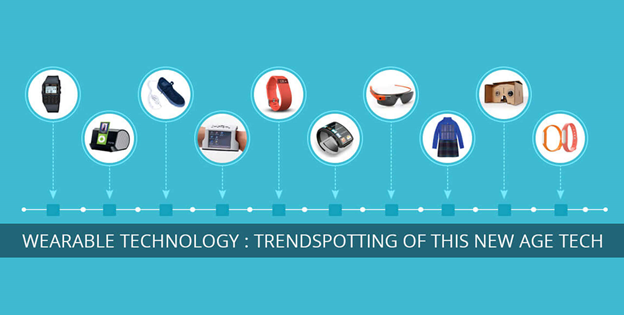
Have you ever wondered how wearable technology could change your daily life? From smartwatches to fitness trackers, these gadgets are becoming part of your routine.
But are they all advantages, or do some drawbacks come with wearing tech on your wrist or body? Understanding the pros and cons will help you decide if these devices truly fit your needs. Keep reading to discover how wearable technology can boost your lifestyle—and what to watch out for before you take the plunge.

Credit: www.mdpi.com
Benefits Of Wearable Technology
Wearable technology offers a range of benefits that can enhance your daily life in practical ways. These devices are not just gadgets; they actively support your health, keep you connected, tailor experiences to your needs, and boost your safety. Understanding these benefits can help you decide how wearable tech fits into your routine.
Health Monitoring And Fitness Tracking
Wearables give you real-time data about your body, from heart rate to sleep patterns. This instant feedback can motivate you to stay active and make healthier choices.
Imagine getting alerts when your heart rate spikes unexpectedly—this kind of monitoring can even help detect health issues early. Tracking your progress over time also helps you set realistic fitness goals and see clear improvements.
Enhanced Connectivity And Convenience
With wearables, your phone’s essential functions are right on your wrist or glasses. You can check messages, answer calls, or get navigation directions without pulling out your phone.
This hands-free convenience saves time and keeps you focused on what matters. Have you noticed how much easier it is to stay connected when you don’t have to constantly reach for your phone?
Personalized User Experience
Wearable devices learn from your habits and preferences, offering tailored suggestions and notifications. This personalization makes your experience smoother and more relevant.
Whether it’s adjusting your workout plan based on past performance or reminding you to take breaks during a busy day, wearables act like a personal assistant tuned just for you.
Improved Safety Features
Safety is a key benefit of wearables, especially for those who spend time alone or in unfamiliar places. Features like fall detection, emergency SOS, and location tracking provide peace of mind.
Think about how these tools can alert someone if you’re in trouble, even if you can’t call for help yourself. This can be a real lifesaver in critical situations.

Credit: nerdbot.com
Drawbacks Of Wearable Technology
Wearable technology offers exciting benefits, but it’s important to consider the drawbacks that come with it. Understanding these challenges can help you make smarter decisions about which devices to use and how to use them responsibly. Let’s look at some of the key issues you might face when using wearable tech.
Privacy And Data Security Concerns
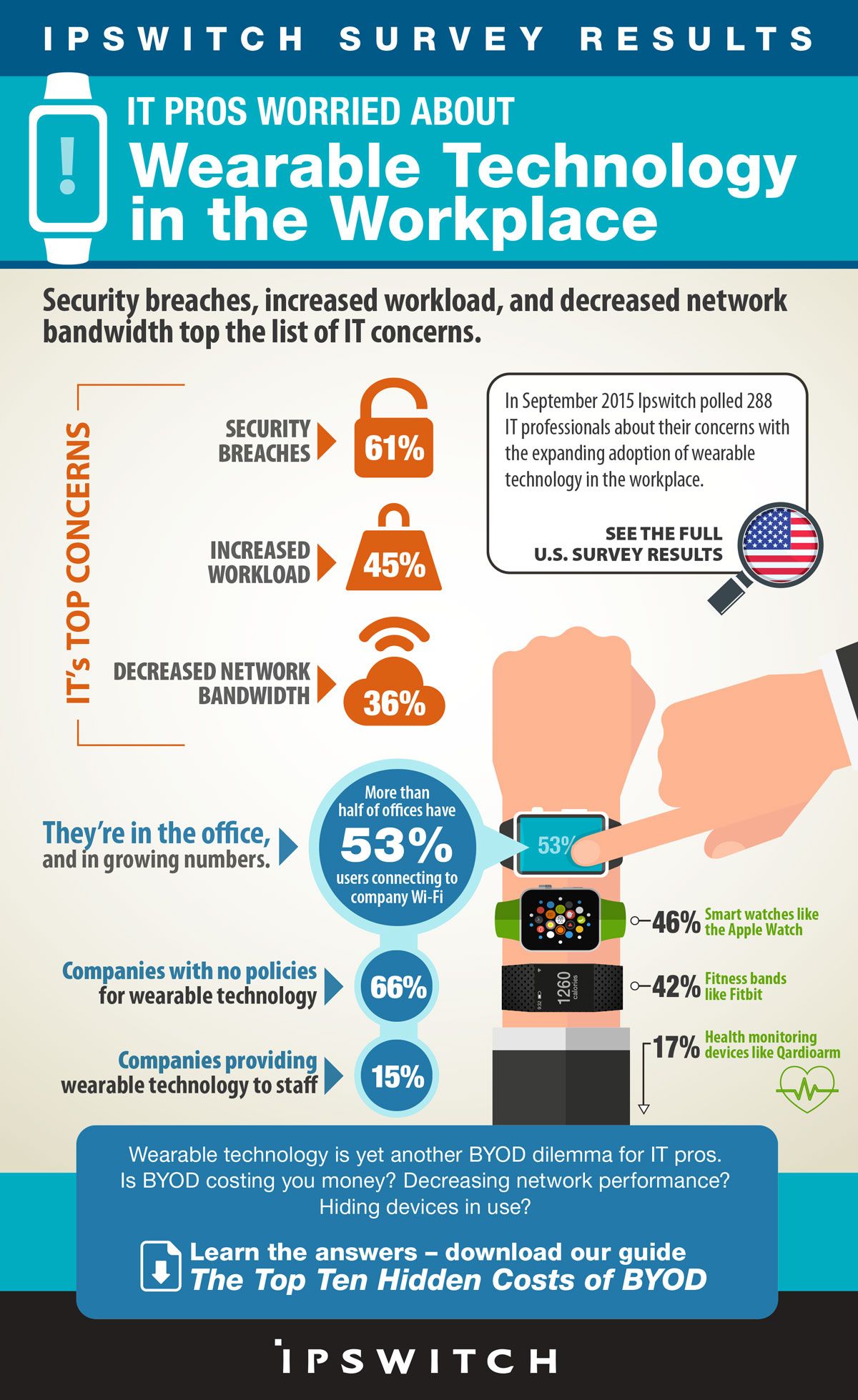
Wearable devices collect a lot of personal data, from your location to health stats. If this data isn’t properly protected, it can be vulnerable to hacking or misuse. Have you ever wondered who else might be accessing your sensitive information?
Many users don’t realize that some apps share data with third parties without explicit consent. Always check the privacy policies and adjust settings to control what information you share. Taking these steps can reduce the risk but not eliminate it entirely.
Battery Life And Device Dependence
Battery life remains a big issue for many wearables. You might find yourself charging your device daily, which can become a hassle. Imagine needing your fitness tracker for an early morning run but waking up to a dead battery.
Over-dependence on these gadgets can also affect your daily routine. What happens when your device fails or runs out of power? It’s wise to have backup plans and not rely solely on wearables for critical tasks.
Cost And Accessibility Issues
Wearable technology often comes with a high price tag, making it inaccessible to many. Even basic models can be expensive, and replacement parts or subscriptions add to the cost. Does the value you get justify the money spent?
Additionally, some devices require the latest smartphones or software updates, limiting who can use them. This can create a gap between those who benefit from wearable tech and those who don’t.
Potential Health Risks
Long-term use of wearable devices raises questions about possible health effects. Some users report skin irritation or discomfort from constant contact with the device. Have you noticed any redness or itching after wearing your smartwatch for hours?
There are also concerns about exposure to electromagnetic fields (EMFs) emitted by these gadgets. Although research is ongoing, it’s smart to monitor your usage and take breaks to minimize any risks.
Impact On Daily Life
Wearable technology has woven itself deeply into daily routines, changing how you manage time, health, and communication. Its impact reaches beyond mere convenience, influencing the very fabric of your everyday life. Understanding these changes can help you make smarter choices about using these devices effectively.
Workplace Efficiency And Productivity
Wearables like smartwatches and fitness trackers can boost your productivity by helping you manage tasks and monitor your health throughout the workday. You might notice fewer distractions when your device provides subtle notifications instead of loud alerts. However, constant connectivity can also lead to information overload, making it harder to focus on complex tasks.
Have you ever felt pressured to respond instantly because your wearable buzzed? That pressure can sometimes reduce your deep work time, which is essential for creativity and problem-solving. Balancing alerts and silent periods might be key to using wearables without harming your productivity.
Social Interaction And Behavior Changes
Wearing technology that tracks your activity or shares your location can change how you interact with others. It may encourage you to be more active and health-conscious, which is positive, but it can also create social pressure or anxiety about meeting fitness goals. You might find yourself comparing your stats with friends, which can affect your mood or self-esteem.
Have you noticed if your wearable has made you more present or more distracted in conversations? Sometimes, checking your device during social moments can unintentionally signal disinterest. Being mindful of when and how you use wearables during social interactions can preserve genuine connections.
Lifestyle And Habit Modifications
Wearables often prompt changes in daily habits, such as encouraging more movement or better sleep routines. You may start setting achievable goals like walking 10,000 steps or tracking hydration, which can improve your overall well-being. On the flip side, relying too much on data might cause stress if you feel you’re not meeting your targets.
Have you ever adjusted your routine because your device suggested it? These nudges can be helpful but also overwhelming if you don’t set realistic limits. Try using your wearable as a guide rather than a strict judge of your lifestyle choices.
Future Trends And Innovations
The future of wearable technology is full of promise and challenges. As devices get smarter and more integrated into daily life, understanding upcoming trends can help you make better choices. Let’s look at what’s on the horizon and how it might impact you.
Advancements In Sensor Technology
Sensors are becoming smaller, more accurate, and more energy-efficient. This means wearables can track a wider range of health metrics with greater precision.
Imagine a watch that not only measures your heart rate but also detects dehydration or stress levels in real-time. These improvements can give you deeper insights into your body’s needs without extra effort.
Integration With Ai And Machine Learning
Wearables are starting to use AI to interpret data and offer personalized advice. Instead of just showing raw numbers, your device might suggest when to rest, hydrate, or even adjust your workout.
Have you ever wished your wearable understood your unique habits and goals? This trend aims to make technology feel more like a personal coach than just a gadget.
Expanding Applications In Healthcare
Wearables are moving beyond fitness and into serious medical monitoring. They can help manage chronic conditions like diabetes or heart disease by continuously tracking vital signs and alerting both you and your doctor.
This shift could reduce hospital visits and empower you to take control of your health. How comfortable would you feel sharing your wearable data with healthcare providers to get better care?
Sustainability And Eco-friendly Designs
As you consider your next wearable, sustainability is becoming an important factor. Companies are exploring recyclable materials and longer-lasting batteries to reduce environmental impact.
Choosing eco-friendly devices means you support innovation that respects the planet. Would you pay more for a wearable that’s designed to be green and sustainable?
Credit: www.iotworldtoday.com
Frequently Asked Questions
What Are The Main Benefits Of Wearable Technology?
Wearable technology offers real-time health tracking, convenience, and improved fitness motivation. It enhances productivity and provides instant notifications. These devices also support personalized data insights, helping users make informed lifestyle choices quickly and easily.
What Are Common Drawbacks Of Wearable Technology?
Common drawbacks include privacy concerns, limited battery life, and potential data inaccuracies. Wearables can cause distractions and dependency. Some users find them uncomfortable or expensive, which may limit widespread adoption and long-term use.
How Does Wearable Tech Impact Personal Privacy?
Wearable tech collects sensitive data, raising privacy risks. Unauthorized access or data breaches can expose personal information. Users should understand privacy settings and choose devices with strong security features to protect their data.
Can Wearable Technology Improve Health And Fitness Effectively?
Yes, wearables track vital signs and activity levels, encouraging healthier habits. They provide motivation through goal setting and progress monitoring, making fitness routines more engaging and data-driven for better results.
Conclusion
Wearable technology offers both benefits and drawbacks. It enhances health tracking and connectivity. Yet, concerns about privacy and data security remain. Users enjoy the convenience, but battery life can be a limitation. Fashion and comfort play a role in user satisfaction.
The future holds potential for improvements. Weighing pros and cons is essential before choosing wearables. Understanding these aspects helps in making informed decisions. As technology evolves, wearable devices will likely become more integrated. Stay informed and consider your needs carefully.
Leave a Reply