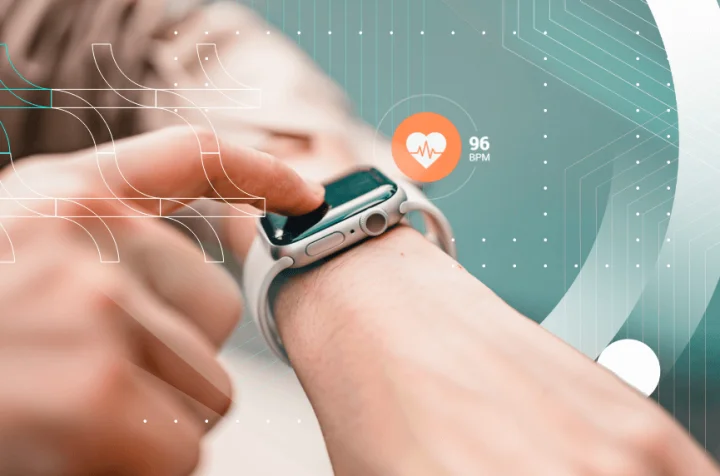
Have you ever wondered how your watch can track your heart rate or how glasses might soon help you see directions without looking down at your phone? That’s wearable computing technology at work.
It’s changing the way you interact with the digital world, making technology a seamless part of your everyday life. You’ll discover what wearable computing really means, how it affects you, and why it’s becoming impossible to ignore. Keep reading, and you’ll see just how close the future is—and how it’s already on your wrist, your clothes, or even your body.
Credit: medium.com
Wearable Computing Basics
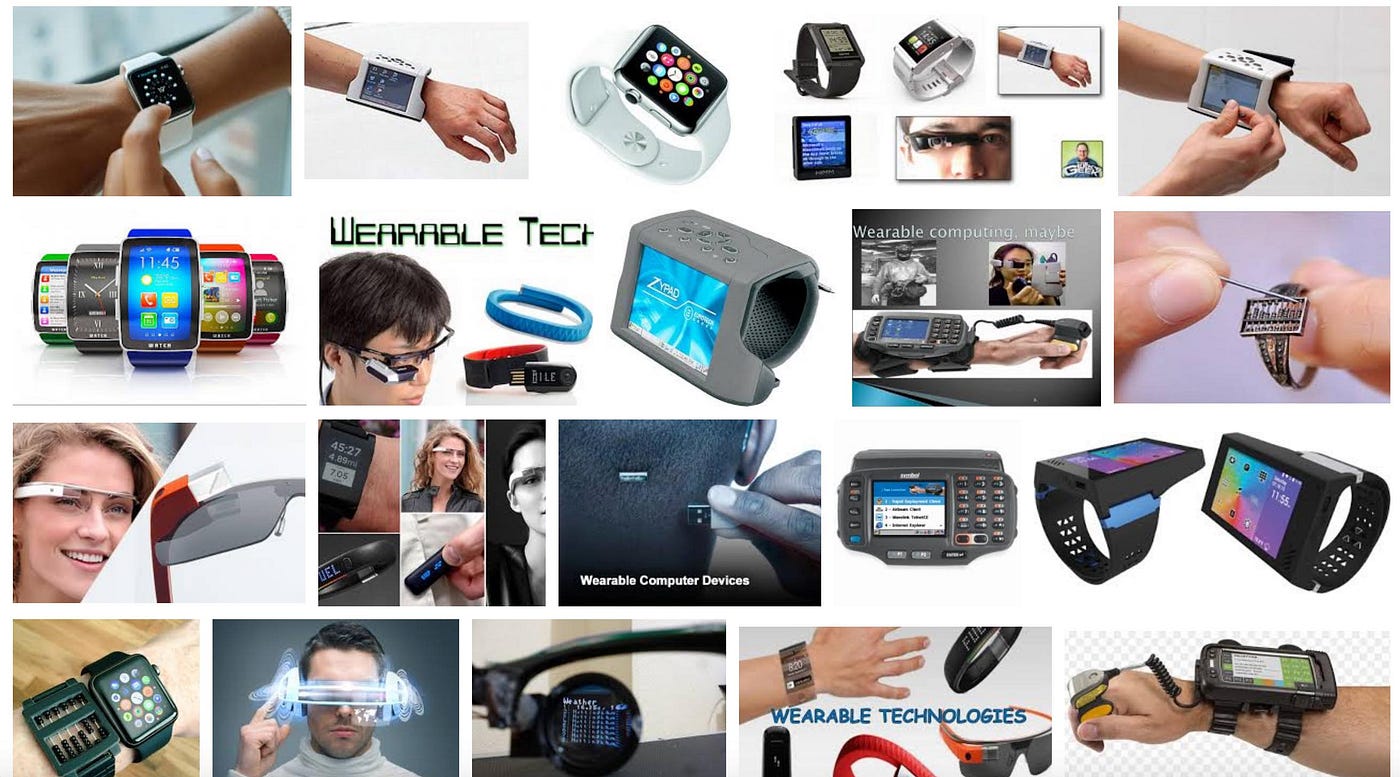
Wearable computing technology refers to electronic devices that you can wear on your body, designed to provide continuous access to information and services. These devices blend technology seamlessly with your daily activities, offering convenience and enhancing your interaction with the digital world. Understanding the basics helps you see how these gadgets fit into your lifestyle and what they can do for you.
Key Features
Wearable devices are built to be lightweight and comfortable, so you can wear them for long periods without hassle. They often include sensors that track your movements, health data, or environmental conditions. Connectivity is another essential feature, allowing your wearable to sync with smartphones or cloud services for real-time updates and data sharing.
Battery life also plays a crucial role. Many wearables are designed to last all day or even longer, minimizing the need for frequent charging. User-friendly interfaces, such as touchscreens or voice commands, make it easy to interact with the device without interrupting your routine.
Types Of Devices
- Smartwatches:These are the most popular wearables, combining timekeeping with fitness tracking, notifications, and apps.
- Fitness Trackers:Focused mainly on monitoring physical activity, heart rate, and sleep patterns.
- Smart Glasses:Offering heads-up displays and augmented reality features, these glasses provide hands-free access to information.
- Wearable Cameras:Compact devices that capture photos or videos from your point of view.
- Medical Wearables:Devices like continuous glucose monitors or heart rate monitors that help manage health conditions.
Have you ever noticed how easily a smartwatch can replace multiple gadgets? That’s the power of wearable computing—packing various functions into one device you carry every day. What type of wearable would make your daily tasks simpler?
Technology Behind Wearables
The technology behind wearable computing is what makes these devices smart and useful. It combines various elements that work together to collect data, connect to other devices, and operate efficiently without frequent charging. Understanding these components helps you see how wearables fit seamlessly into your daily life.
Sensors And Connectivity
Sensors are the eyes and ears of wearable devices. They track your heart rate, steps, temperature, and even sleep patterns. These tiny gadgets gather real-time data that helps you monitor your health and activity.
Connectivity is equally important. Wearables use Bluetooth, Wi-Fi, or cellular networks to send data to your smartphone or cloud services. This constant connection lets you receive notifications, sync information, and stay updated without lifting your phone.
Have you ever wondered how your watch knows when you’re exercising or resting? It’s the sensors working behind the scenes, paired with smart connectivity that makes this possible.
Power And Battery Life
Power management is crucial for wearables since they need to run all day without bulky batteries. Most devices use rechargeable lithium-ion batteries designed to last from one to several days depending on usage.
Manufacturers also improve battery life by optimizing software and hardware. Features like low-power modes and efficient processors help stretch each charge. You might notice some wearables lasting longer when you limit background tasks or notifications.
Think about your daily routine: how often do you charge your wearable? Managing power effectively can make a big difference in how convenient these devices are for you.
Applications In Daily Life
Wearable computing technology has become a part of everyday life, blending seamlessly with how you manage your daily routines. These devices do more than just track data; they actively support your health, keep you connected, and entertain you on the go. Understanding their applications can help you decide which wearable fits best into your lifestyle.
Health And Fitness
Wearables like smartwatches and fitness bands monitor your heart rate, steps, and sleep patterns in real time. This data can motivate you to move more and improve your well-being without needing a gym membership or personal trainer.
Some devices even detect irregular heartbeats or remind you to take medication, acting as a personal health assistant. Have you ever noticed how a simple alert to stand up can change your day for the better?
Tracking your progress over weeks and months helps you see what works and where you need to adjust your habits. This feedback loop encourages healthier choices and keeps you accountable.
Communication And Entertainment
Wearable devices keep you connected without pulling out your phone every minute. Smartwatches allow you to read messages, answer calls, or control music with a quick tap or voice command.
Imagine jogging without holding your phone but still able to skip tracks or reply to a text. This hands-free experience keeps you safe and focused on what matters.
Wearables also support entertainment through podcasts, audiobooks, and even quick games that fit into your busy schedule. How often do you find yourself wishing you had a moment to relax? These devices create those moments effortlessly.

Credit: medium.com
Impact On Industries
Wearable computing technology is reshaping how industries operate by offering real-time data, enhancing communication, and improving overall productivity. Its impact stretches across various sectors, delivering tangible benefits that can transform everyday workflows. Let’s look at how this technology is changing the game in healthcare and the workplace.
Healthcare Transformation
Wearable devices in healthcare give you instant access to vital health information. They monitor heart rate, oxygen levels, and sleep patterns, allowing both patients and doctors to spot issues early.
Imagine a diabetic patient using a wearable glucose monitor that sends alerts when sugar levels drop dangerously low. This not only prevents emergencies but also reduces hospital visits.
Healthcare professionals can track patients remotely, making personalized care easier and more efficient. Are you ready to trust wearable tech with your health?
Workplace Efficiency
In the workplace, wearable computing boosts your productivity by streamlining communication and task management. Smart glasses, for example, provide hands-free access to instructions, which is invaluable in manufacturing or fieldwork.
Wearables also improve safety by detecting fatigue or hazardous environments and alerting workers immediately. This proactive approach reduces accidents and downtime.
Could your team work smarter with wearable devices guiding their daily tasks and keeping them safe?
Challenges And Limitations
Wearable computing technology promises to transform how you interact with the digital world, but it also faces real challenges that can affect your experience. Understanding these limitations helps you make smarter choices about which devices to trust and how to use them effectively. Let’s look closely at two major hurdles: privacy concerns and technical constraints.
Privacy Concerns
Wearables constantly collect data about your health, location, and habits. This raises serious questions about who can access that information and how it is used. You might wonder: Are these devices protecting my personal data or exposing it to third parties?
Many wearables rely on cloud services to store data, which increases the risk of breaches. Even anonymized data can sometimes be traced back to individuals, putting your privacy at stake. Before you put on a device, check its privacy policies and what control you have over your information.
Think about how much you share online already. Wearables add another layer of data that could be exploited if not properly secured. What steps are you willing to take to protect your personal information?
Technical Constraints
Wearable devices must pack powerful features into small, lightweight packages, which is no easy task. Battery life often limits how long you can use your device without recharging, sometimes cutting your usage short during critical moments.
Processing power and storage capacity are also limited compared to smartphones or computers. This affects the speed and complexity of tasks wearables can handle. You might notice delays or inability to run demanding apps smoothly.
Another challenge is connectivity. Wearables depend heavily on stable Bluetooth or Wi-Fi connections, which can be spotty in busy or remote areas. Have you ever experienced your device losing connection at the worst time?
Design restrictions add to these technical challenges. The need for comfort and style limits the size of components and sensors. This sometimes forces manufacturers to trade off features for better wearability.
Future Trends
Wearable computing technology is evolving rapidly. The future holds many exciting trends that will change how we interact with devices. These trends focus on making technology smarter and easier to use. They aim to improve daily life through better design and functionality.
Advancements In Ai Integration
Artificial intelligence will play a bigger role in wearable devices. AI can learn user habits to provide personalized support. It helps devices predict needs and offer timely suggestions. This makes technology feel more natural and helpful. Voice assistants will become more accurate and responsive. AI will also improve health tracking by analyzing data deeply.
Enhanced User Experience
Future wearables will focus on comfort and ease of use. Designs will be lighter and more flexible. Screens will become clearer and easier to read in sunlight. Battery life will improve, allowing longer use without charging. Interaction methods will expand beyond touch, using gestures and voice. This creates a smoother and more intuitive experience for users.
Credit: www.bloomberg.com
Frequently Asked Questions
What Is Wearable Computing Technology?
Wearable computing technology refers to electronic devices worn on the body. These devices collect data and provide real-time information. Examples include smartwatches and fitness trackers. They enhance daily activities by offering convenience and connectivity.
How Does Wearable Computing Work?
Wearable devices use sensors to monitor physical activities and health metrics. They connect wirelessly to smartphones or computers. Data is processed and displayed through apps. This technology enables continuous tracking and instant feedback.
What Are Common Uses Of Wearable Technology?
Wearable technology is used in fitness, healthcare, and communication. It tracks steps, heart rate, and sleep patterns. It also helps in navigation and notifications. Professionals use it for remote monitoring and productivity.
Are Wearable Devices Safe To Use?
Most wearable devices follow strict safety standards. They use low-power signals and secure data encryption. Users should follow manufacturer guidelines to ensure safety. Regular updates help protect against potential security threats.
Conclusion
Wearable computing technology changes how we interact with devices daily. It combines convenience with functionality, making life easier. Smartwatches, fitness trackers, and AR glasses are just the start. These devices track health, provide notifications, and enhance experiences. The technology continues to evolve rapidly.
Each advancement brings new opportunities and challenges. People now expect more from their gadgets. Wearable tech promises exciting future developments. Stay informed and watch for new trends. It’s a fascinating world that blends tech with everyday life seamlessly. Embrace the journey and see what’s next.
Leave a Reply